





 Portuguese
  English
  Spanish
 5 min of reading
  0 comments


Maricá Invests in Solar Plants as a Direct Response to Rising Energy Tariffs
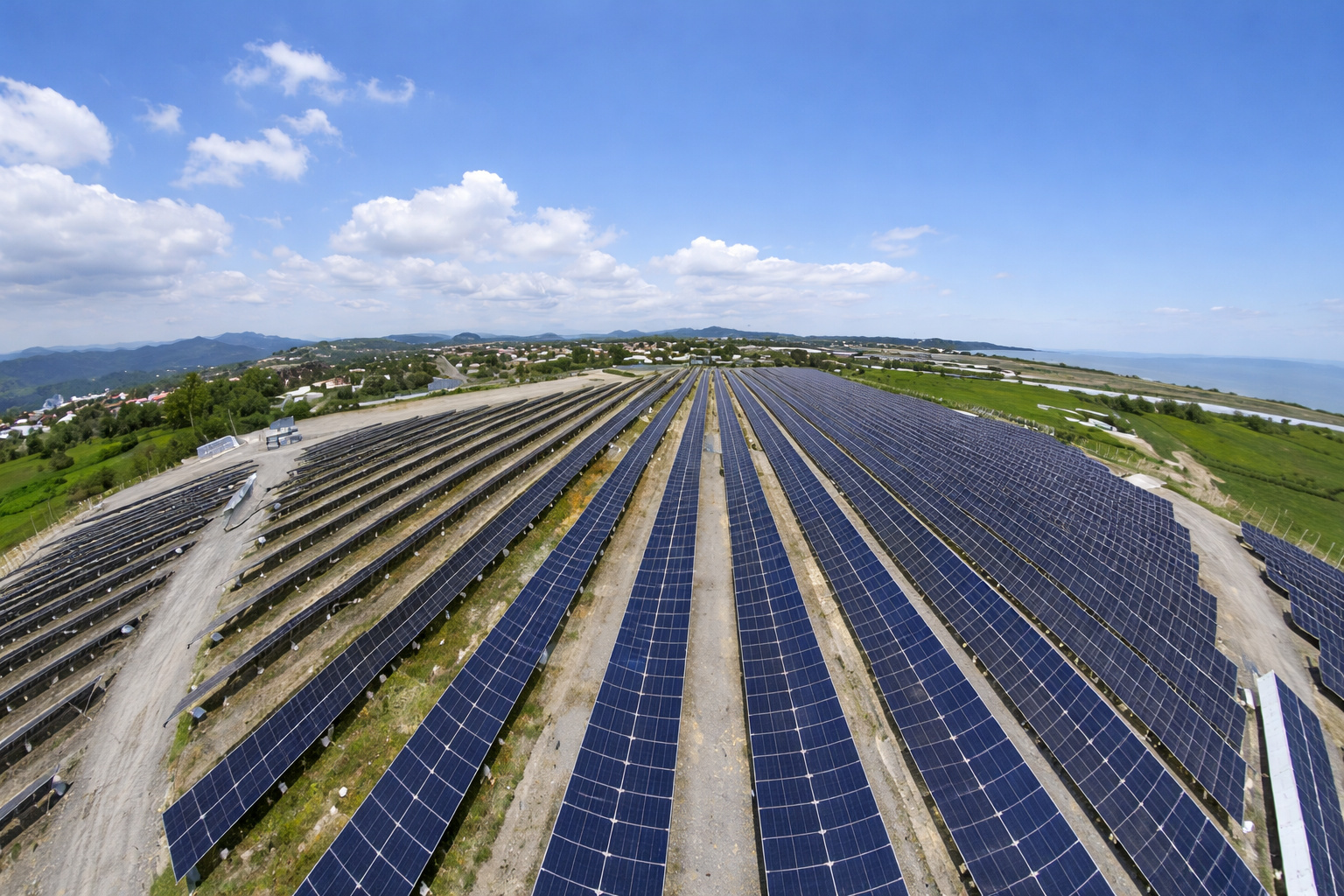
Maricá invests in solar plants to tackle the energy crisis and reduce public spending on electricity. The municipality confirmed the implementation of new photovoltaic generation parks aimed at supplying public buildings, urban lighting, and essential services of the city.
The decision comes amid increasing pressure on the Brazilian electrical sector. Currently, high tariffs, water instability, and rising consumption directly impact public budgets. Therefore, the municipal administration decided to bet on self-generation of energy as a cost-control and energy security strategy.
Project Provides for Self-Generation for Public Buildings
The project plans for the construction of solar plants in strategic areas of the municipality. The generated energy is expected to supply schools, healthcare units, administrative buildings, sports centers, and other public facilities.
-
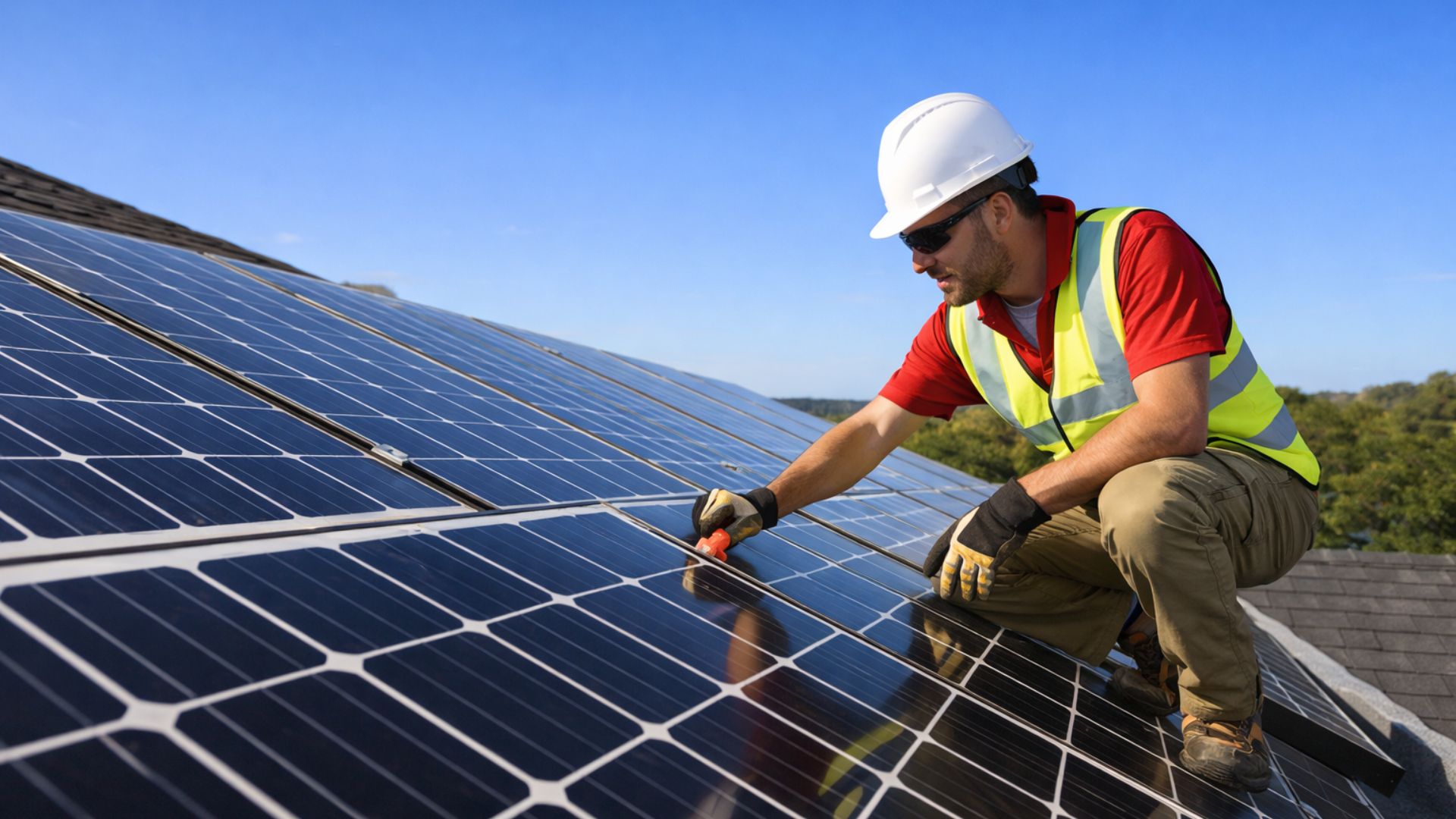
Seagri’s headquarters invests in solar energy with Neoenergia Coelba and promises to cut electricity costs, highlighting a strategic advance in sustainability and energy efficiency within state public administration.
-
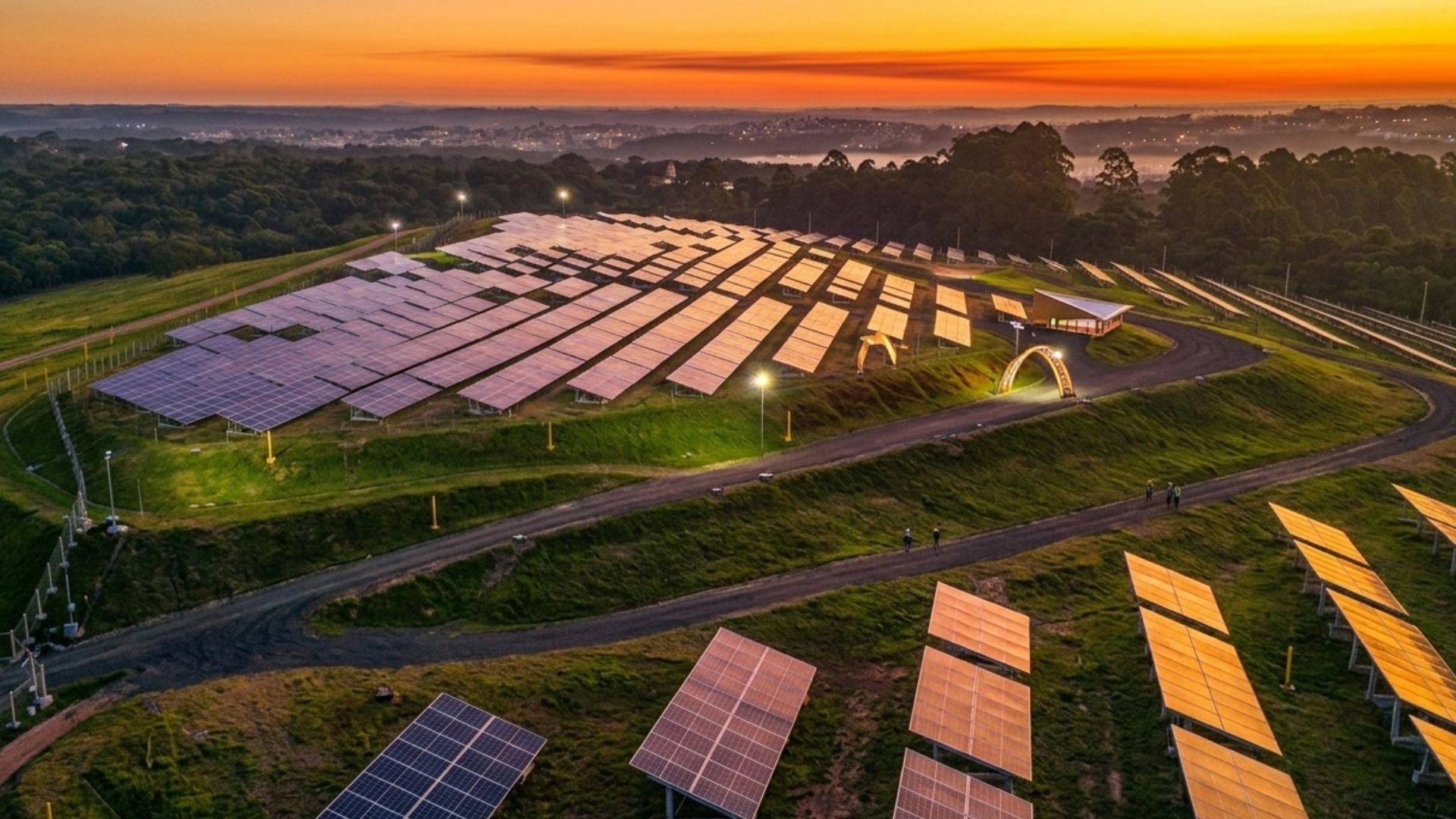
Solar Pyramid draws attention by converting solar energy into million-dollar savings and repositioning the City Hall of Curitiba as an example of innovation, sustainability, and intelligent use of public resources.
-
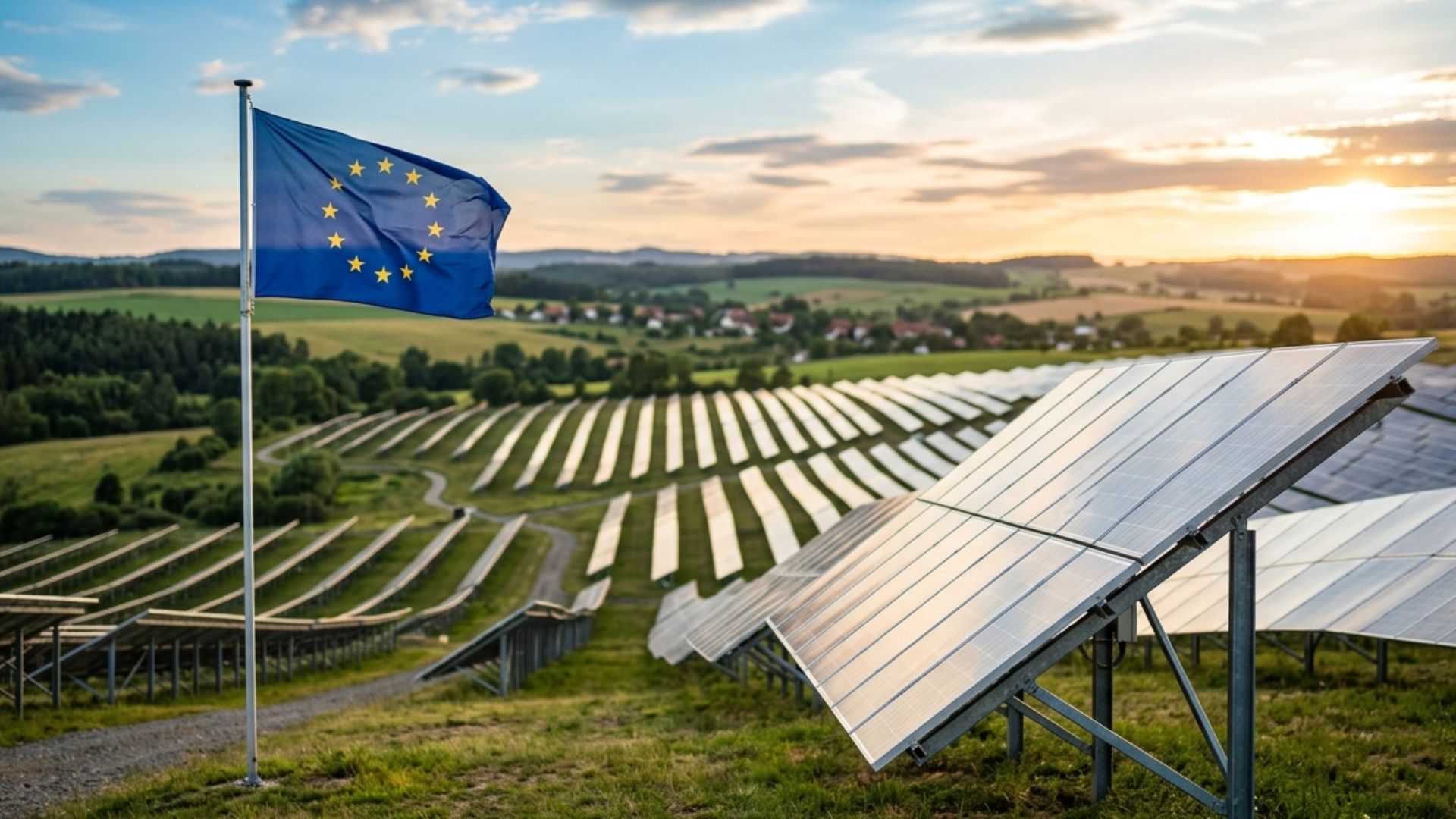
Europe records strong euro economy with solar energy in March and sparks curiosity about which country leads growth that redefines the energy market and reduces costs.
-
Piauí reaches a historic milestone in energy transition: State records nearly 160,000 households powered by solar energy and leads growth in the Northeast.
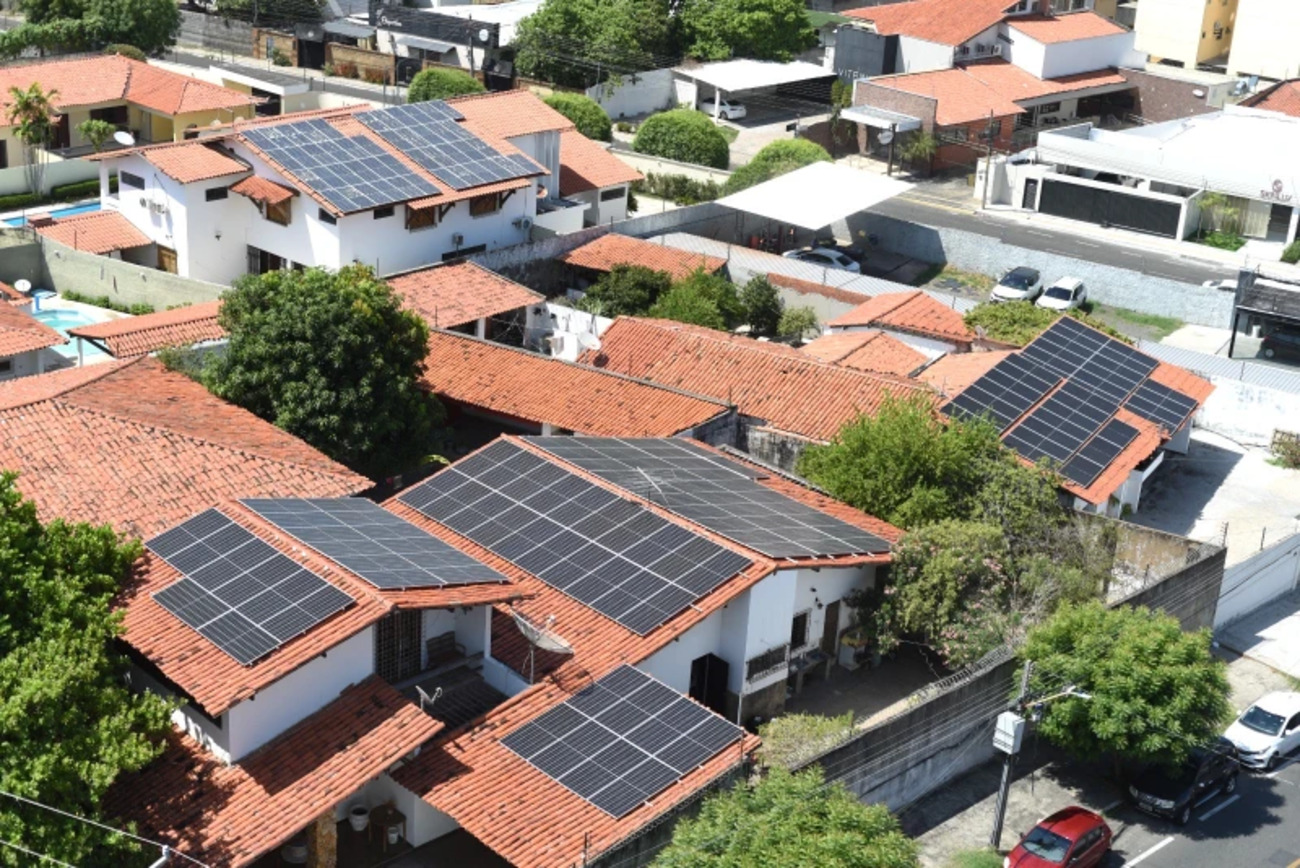
Moreover, local generation reduces dependence on the traditional electrical grid. In this context, Maricá gains greater predictability in monthly electricity spending, which directly contributes to the balance of the public budget.
Savings on Energy Can Free Up Resources for Essential Areas
With the reduction of electricity bills, the municipality expects to save millions of reais over the next few years. Thus, the city can direct resources to priority areas such as health, education, urban mobility, and maintenance of basic services.
At the same time, the predictability of energy costs facilitates financial planning. This way, the administration can project medium and long-term expenses more securely, even amid fluctuations in the energy market.
Energy Crisis Accelerates the Search for Alternative Sources
The advancement of the project occurs while Brazil faces recurring challenges in the electrical sector. Drought periods affect the reservoirs of hydroelectric plants, and at the same time, tariff flags raise the cost of energy for residential, commercial, and public consumers.
Therefore, Maricá invests in solar plants as a strategic alternative. Photovoltaic energy depends on solar radiation, abundant in the region, and has reduced operational costs after the systems are implemented.
Solar Energy Ensures Cost Stability and Predictability
Unlike traditional sources, solar energy offers greater stability in electricity prices over time. After the installation of the plants, costs mainly focus on preventive maintenance and equipment monitoring.
In this scenario, the municipality reduces exposure to tariff adjustments and seasonal crises. Thus, Maricá expands its energy autonomy and strengthens resilience against external events that affect the national electrical system.
Sustainability Becomes Central to Municipal Planning
In addition to financial savings, the project reinforces the municipality’s environmental commitment. The solar plants contribute to reducing greenhouse gas emissions and decrease the carbon footprint associated with public energy consumption.
At the same time, the initiative aligns with sustainability and energy transition policies adopted by cities seeking to balance urban growth and environmental preservation. Thus, solar energy becomes part of Maricá’s strategic planning.
Use of Public Areas Accelerates the Deployment of Plants
The municipality plans to use public land and already available areas for the installation of solar plants. This strategy reduces costs associated with land acquisition and simultaneously speeds up the project deployment timeline.
Meanwhile, the technical model anticipates structures adapted to local conditions. The photovoltaic panels should be sized to maximize energy generation throughout the year, better leveraging the region’s solar potential.
Technical Partnerships Ensure Operational Efficiency
To enable the project, the municipal administration is evaluating partnerships with companies specializing in solar energy. These partnerships involve everything from installation to operation and maintenance of the photovoltaic systems.
Additionally, structured contracts ensure performance, continuous monitoring, and quick correction of failures. In this context, the municipality reduces operational risks and ensures generation efficiency over time.
Solar Energy Strengthens Essential Public Services
The self-generation of energy directly impacts the quality of public services. Healthcare units, for example, will have greater security in electric supply, essential for medical equipment and service systems.
Similarly, schools and daycare centers benefit from reduced operational costs and continuous operation. Thus, Maricá invests in solar plants not only as an economic measure but as support for public infrastructure.
Public Lighting Becomes Part of the Energy Strategy
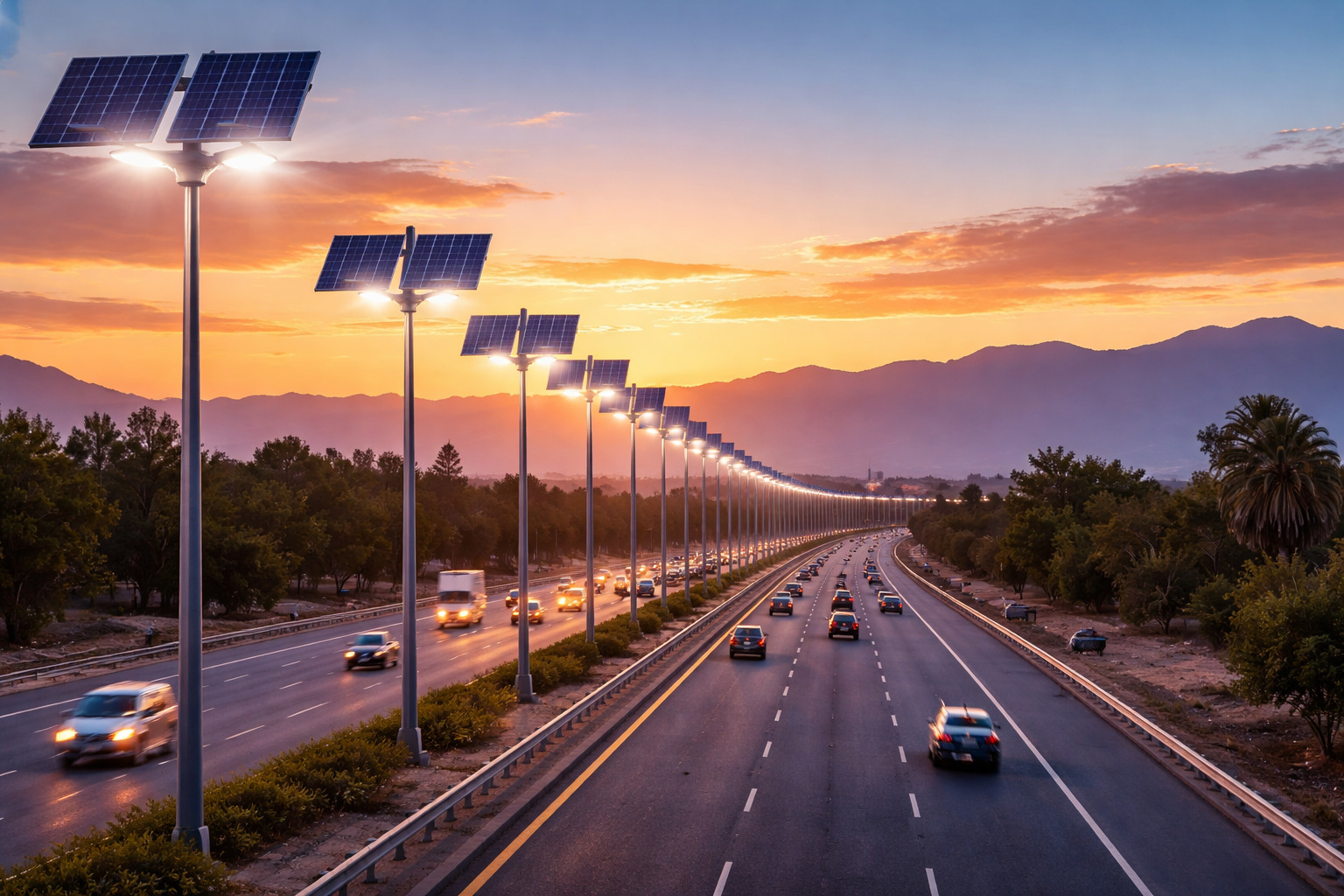
Another relevant aspect of the project involves public lighting. Part of the energy generated by the solar plants may supply urban lighting systems, reducing expenditures and increasing service efficiency.
Furthermore, the combination of solar energy and efficient lighting technologies contributes to better-lit streets with lower energy consumption. Thus, the initiative directly impacts the safety and well-being of the population.
Project Follows National and International Trends
The investment in solar energy in the public sector aligns with a trend observed in Brazilian municipalities and cities in other countries. Local governments seek alternatives to reduce costs and meet environmental goals.
Therefore, Maricá invests in solar plants and fits into a broader movement of decentralization of energy generation. This strategy gains strength amid the need for local solutions to global challenges.
Reduction of Dependence on the Traditional Grid
By generating part of its own energy, the municipality decreases its dependence on the conventional electrical grid. This way, it reduces impacts from blackouts, overloads, and fluctuations in supply.
In this context, distributed generation strengthens local energy security. Thus, Maricá expands its capacity to respond to emergencies and instability in the electrical system.
Economic Impacts Extend Beyond the Municipality
The solar plants project also generates positive effects on the local economy. The implementation and maintenance of the systems create demand for specialized labor and technical services.
Additionally, the initiative stimulates the renewable energy sector in the region. Thus, public investment can boost new economic and technological opportunities.
Environmental Education Gains Ground with the Initiative
The adoption of solar energy opens up space for environmental education actions in the municipality. Schools and social projects can use the plants as a practical example of sustainability and innovation.
At the same time, the initiative helps raise awareness among the population about the responsible use of energy and the importance of renewable sources. Thus, the impact goes beyond electricity generation.
Maricá Invests in Solar Plants as a Strategic Public Policy
With the project, Maricá invests in solar plants as a tool for savings, sustainability, and energy security. The initiative combines reduced public spending, the use of clean sources, and the strengthening of urban infrastructure.
As energy consumption grows and costs pressure municipal budgets, self-generation-based solutions take center stage. Thus, Maricá seeks to address the current energy crisis and build a more stable model for the future.









Seja o primeiro a reagir!