





 Portuguese
  English
  Spanish
  4 min of reading
  0 comments


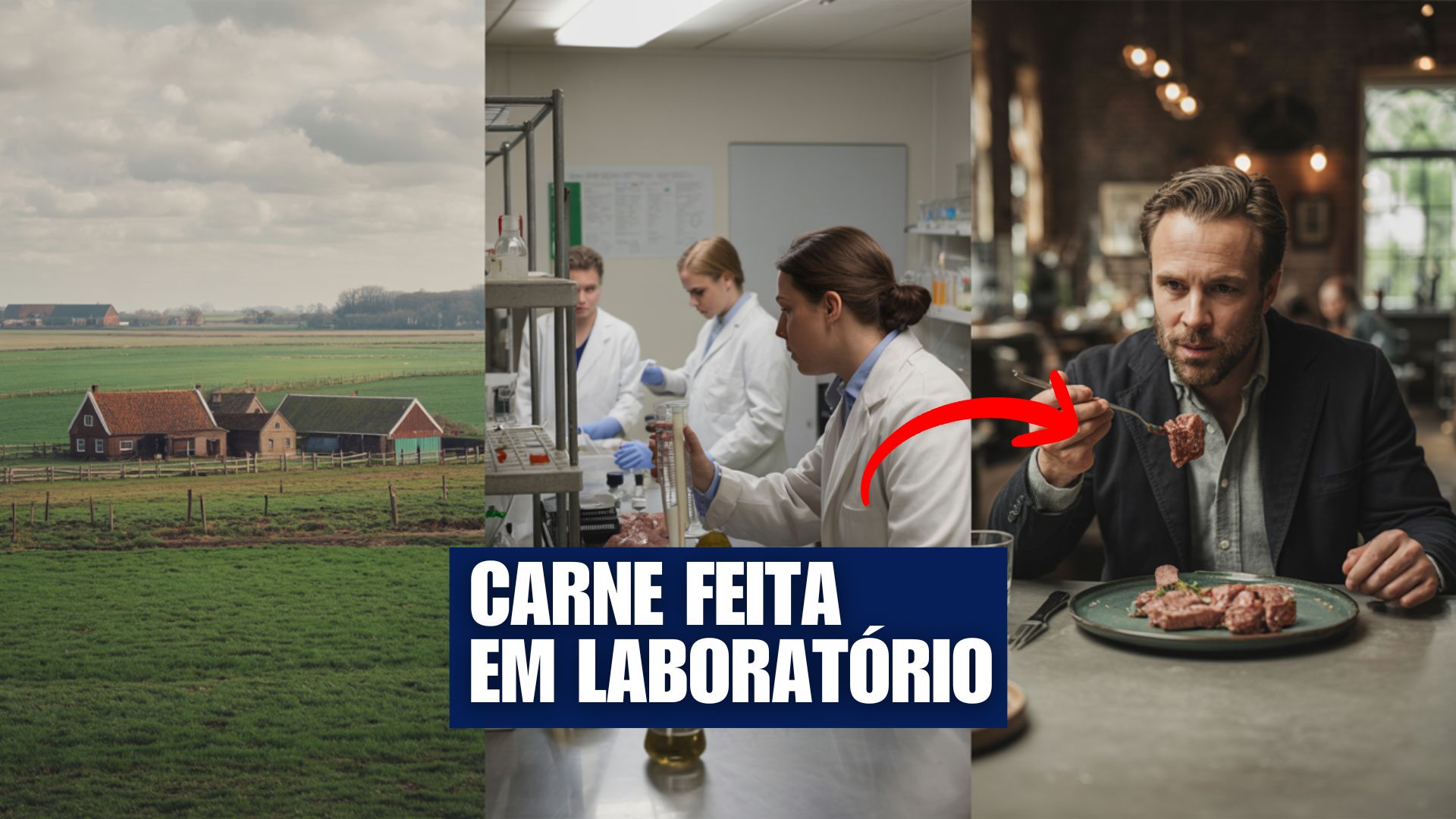
First Farm With Cultivated Meat Production Established Within a Farm in the Netherlands Creates a Unique Model That Integrates Biotechnology Into the Field and Involves Farmers in the Transition to New Sources of Protein.
The Netherlands has inaugurated in Zuid-Holland the world’s first farm prepared to produce cultivated meat directly within a farm, in a project that places the farmer at the center of the so-called protein transition and presents a model that aims to alter the traditional dynamics of animal protein production.
The initiative, led by RespectFarms in partnership with dairy producer Corné van Leeuwen, integrates both dairy farming and protein production obtained in bioreactors on the same farm, without the slaughter of animals, according to information released by the institutions involved.
Dutch Farm and Cultivated Meat Production
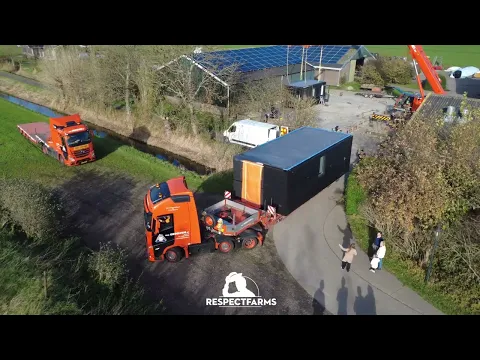
On van Leeuwen’s property in Zuid-Holland, cultivated meat production units developed by RespectFarms have been installed.
-
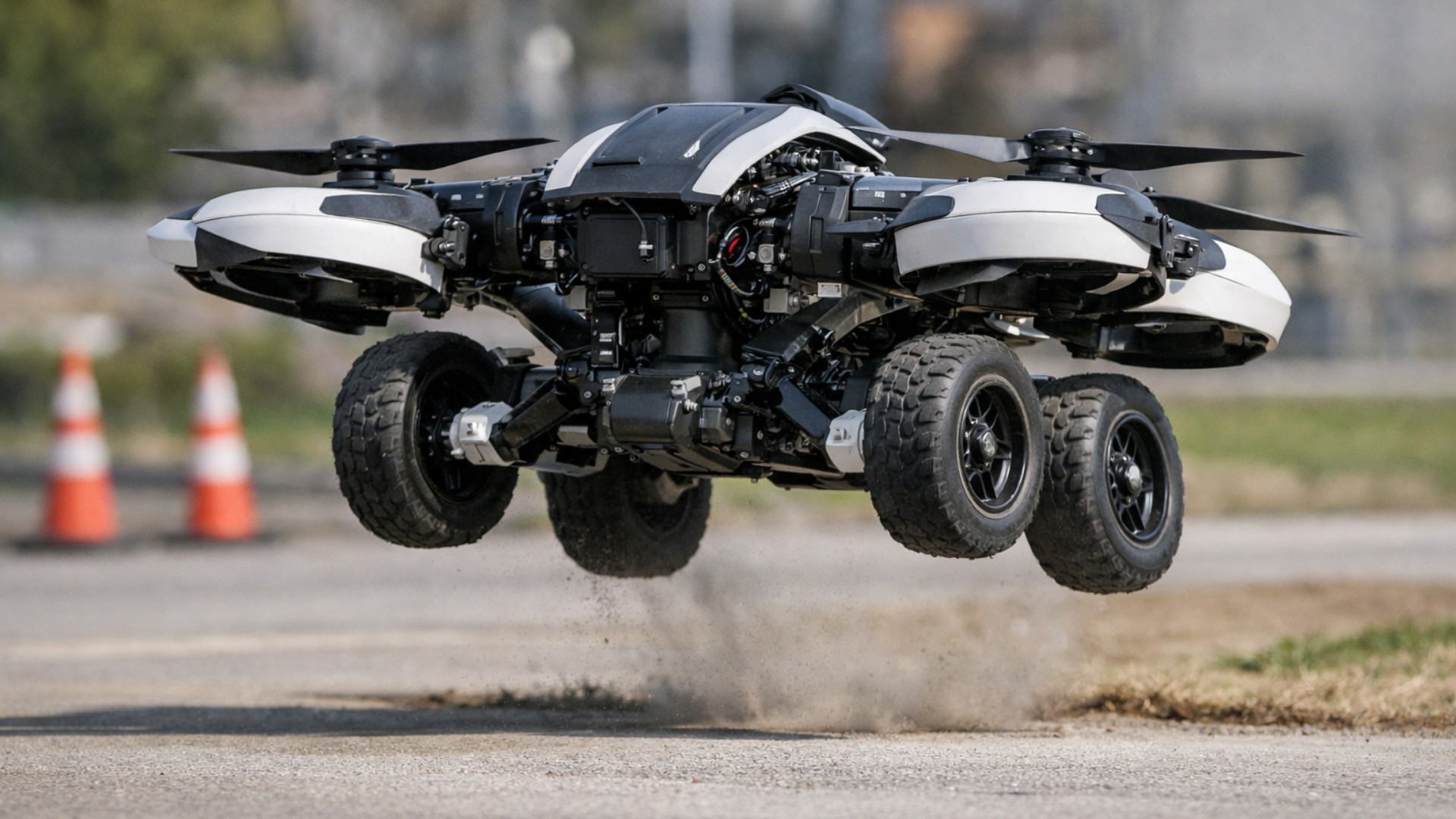
Researchers in the U.S. have created a flying robot that transforms into a land vehicle while still in the air. The technology, based on aerodynamic transition, converts landing into a scene worthy of Transformers and redefines mobility between sky and ground.
-
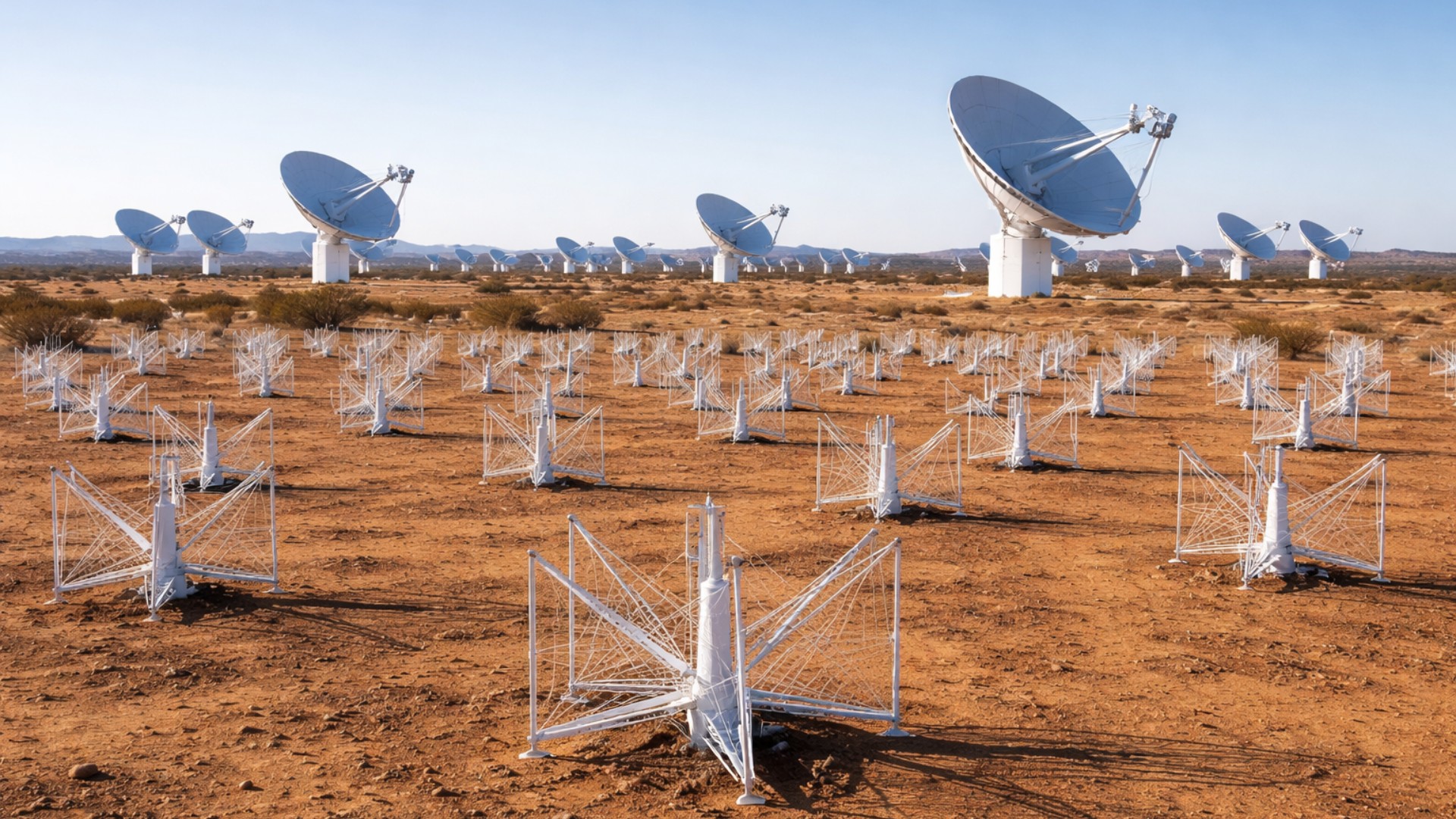
Spread across two continents, with 197 parabolic antennas in South Africa, 131,000 2-meter antennas in Australia, and a range of up to 150 km, the SKA begins to “listen” to the Universe on an unprecedented scale and accelerates the search for black holes, primitive galaxies, and nearly invisible radio signals.
-
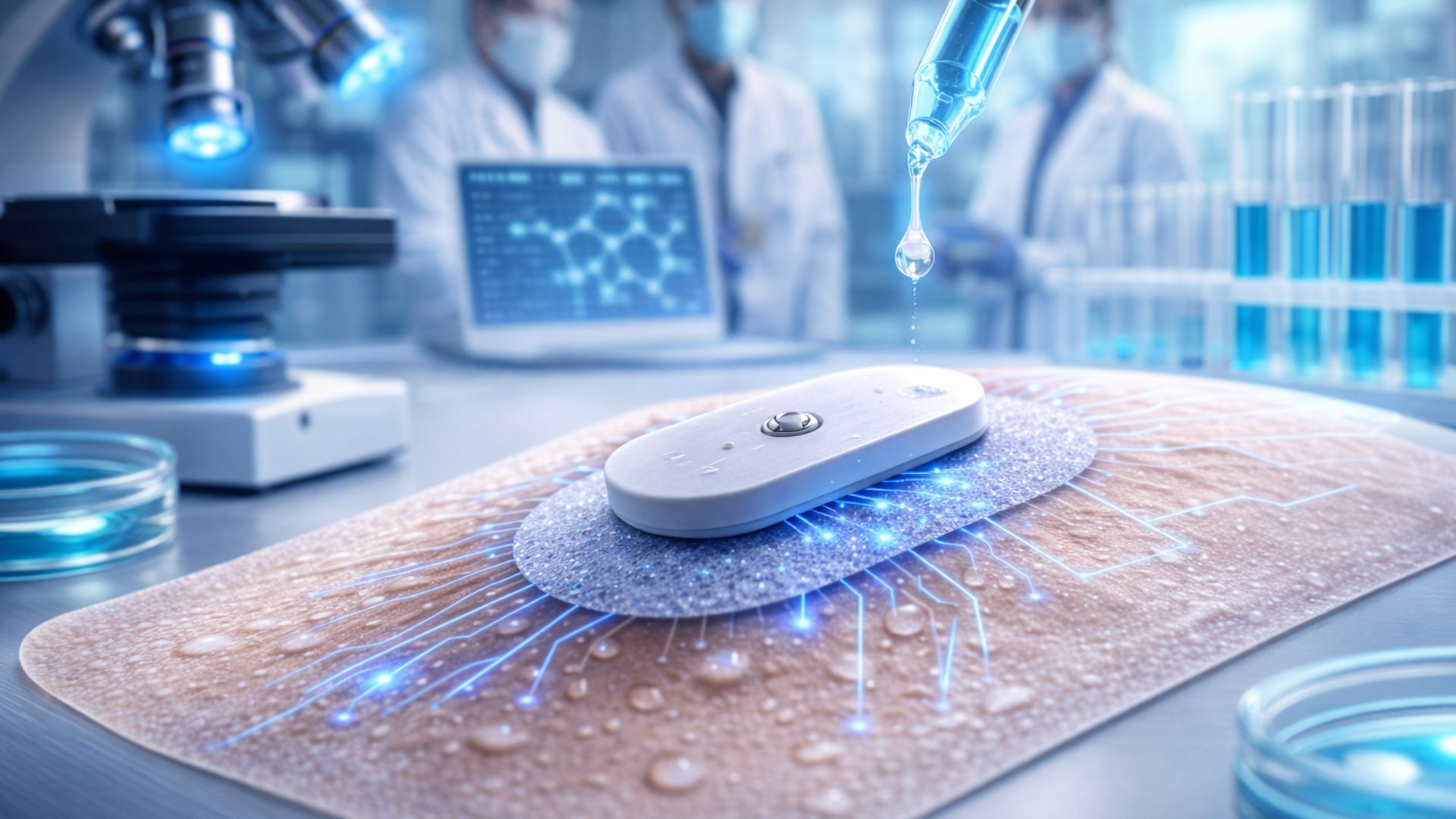
Goodbye batteries: a new sensor created by Japanese scientists uses sweat as an energy source and points to a promising path for more sustainable devices, with greater autonomy and less need for frequent recharging.
-
The Brazilian Army inaugurated the assembly line for the Guaicurus armored vehicle with a contract for 420 units by 2033, and the same vehicle has already been tested in combat in Afghanistan and Lebanon by European armies.

The system is designed to operate on a farm scale, using samples of animal cells cultivated in a controlled environment until they form meat tissue intended for processing.
The production lines are undergoing final adjustments and are expected to begin operations in the coming weeks, according to the schedule released by the responsible parties.
The pilot aims to measure costs, technological performance, and the economic viability of the model under real conditions.
By transferring technology to an operational farm, the project demonstrates how cellular production can be incorporated into the routine of the field, according to its developers.
The property will function as a testing space to evaluate the practical application of the technique outside laboratory environments.
Agricultural Financing and European Support

The project received financial support from the European Innovation Partnership for Agricultural Productivity and Sustainability (EIP-Agri) and the Province of Zuid-Holland.
The framework caught attention for being the first time traditional agricultural resources financed a cultivated meat unit in operation within a dairy farm, according to RespectFarms.
With this, Corné van Leeuwen becomes the first farmer to access specific agricultural financing for this type of production, according to the startup.
The initiative indicates that European governments and institutions have begun to consider cultivated meat as part of strategies for the future of food, according to official statements.
The EIP-Agri, which supports projects related to productivity and sustainability in the field, thus includes cellular cultivation technologies among its funding possibilities.
Decentralized Model and Impact on the Field
Instead of large industrial plants, RespectFarms proposes a decentralized model, where small units are distributed across various farms.
According to the startup, this configuration enhances farmers’ participation and can reduce the concentration of production in a few business groups.
For the creators, the model creates new sources of income for rural properties that choose to incorporate the technology.
They claim that decentralization could also increase the resilience of the food chain by diversifying production locations.
Integration Between Milk and Cultivated Meat

Corné van Leeuwen, a dairy producer for generations, has already adopted automation technologies and other forms of diversification.
The partnership with RespectFarms integrates a new stage of this process.
The farmer states that including cultivated meat in the business allows for expanding revenue sources without abandoning already established practices on the farm.
According to him, the initiative responds to consumer trends associated with sustainability and animal welfare.
Experience Center Open to the Public
In addition to the production unit, the farm will host a Cultivated Meat Experience Center, scheduled to open in the spring of 2026.
The space was created to demonstrate the process to farmers, researchers, companies, policymakers, and consumers.
According to RespectFarms, the center aims to increase transparency about cellular cultivation and facilitate access to technical information, contributing to public discussions about safety and the impacts of the technology.
CRAFT Consortium and Infrastructure Development
The inauguration occurs after advances by the international CRAFT consortium, formed by RespectFarms, Wageningen University & Research, Mosa Meat, Aleph Farms, Multus, Kipster, and Royal Kuijpers.
The group is working, with European support, on developing farm models capable of integrating traditional livestock and cultivated meat.
The consortium develops infrastructure, technical standardization, and hybrid production flows.
Involved experts advocate that these systems could allow coexistence between conventional farming and cellular cultivation, depending on factors such as costs, regulation, and producers’ adherence.
The presence of universities, companies, and organizations in the agricultural sector aims to accelerate knowledge sharing and reduce barriers for farmers interested in evaluating the technology.

Role of the Farmer in the Protein Transition
For Ira van Eelen, co-founder of RespectFarms and Cellular Agriculture Netherlands, the adoption of new sources of protein requires active participation from rural producers.
In public statements, she asserts that the direct involvement of farmers is essential for the technology to advance in a manner compatible with the realities of the field.
The choice of the Netherlands, according to specialists, reflects the country’s advanced agricultural structure, which combines research, innovation, and environmental policies aimed at the efficient use of resources.
The implementation of the world’s first cultivated meat farm places the country in a position to test, in a real environment, how cellular cultivation technologies can be integrated into already existing rural operations.
With these ongoing transformations, a question arises debated by researchers and policymakers: what will be the role of farmers in a scenario where cultivated meat and conventional livestock begin to share space in the same productive regions?





-

-

-

-

9 pessoas reagiram a isso.