





 Portuguese
  English
  Spanish
  4 min of reading
  0 comments


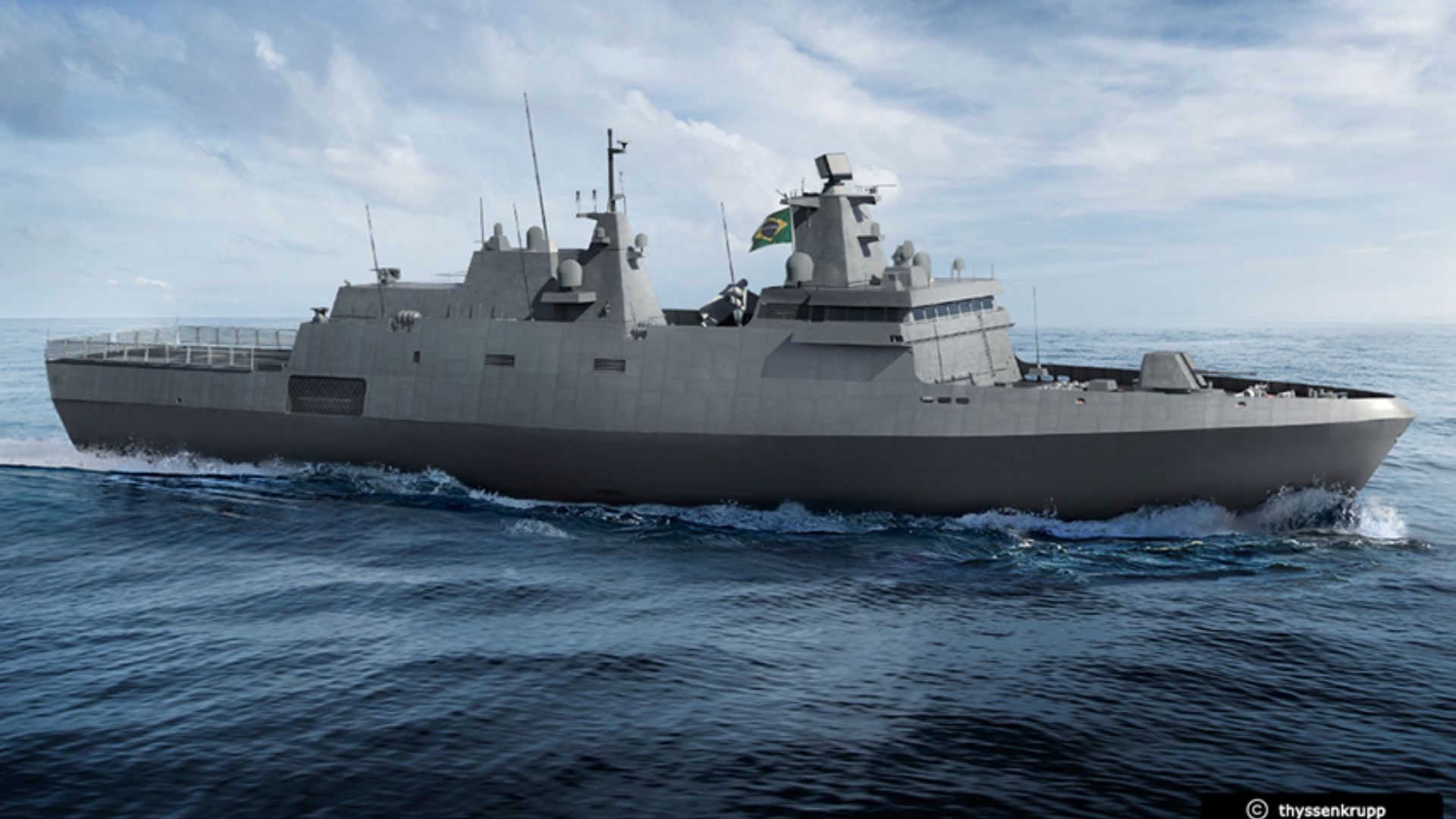
Unprecedented Advancement of the National Naval Industry Launches Multifunctional Ship Equipped with Stealth Technology, State-of-the-Art Digital Systems, and Innovative Solutions for Defense, Patrol, and Environmental Protection. Discover the Details of This New Brazilian Milestone.
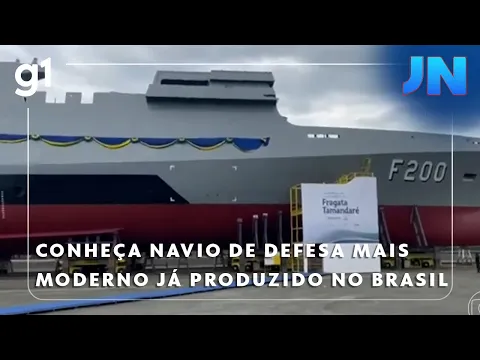
The Brazilian Navy is preparing to incorporate into its fleet the most advanced defense ship ever produced in the country.
Designed to strengthen the protection of Brazil’s maritime borders, the Tamandaré Frigate represents a milestone for the national naval industry and reinforces Brazil’s commitment to sovereignty, security, and environmental protection in its jurisdictional waters.
Tamandaré Frigate: Unique Project and Stealth Technology
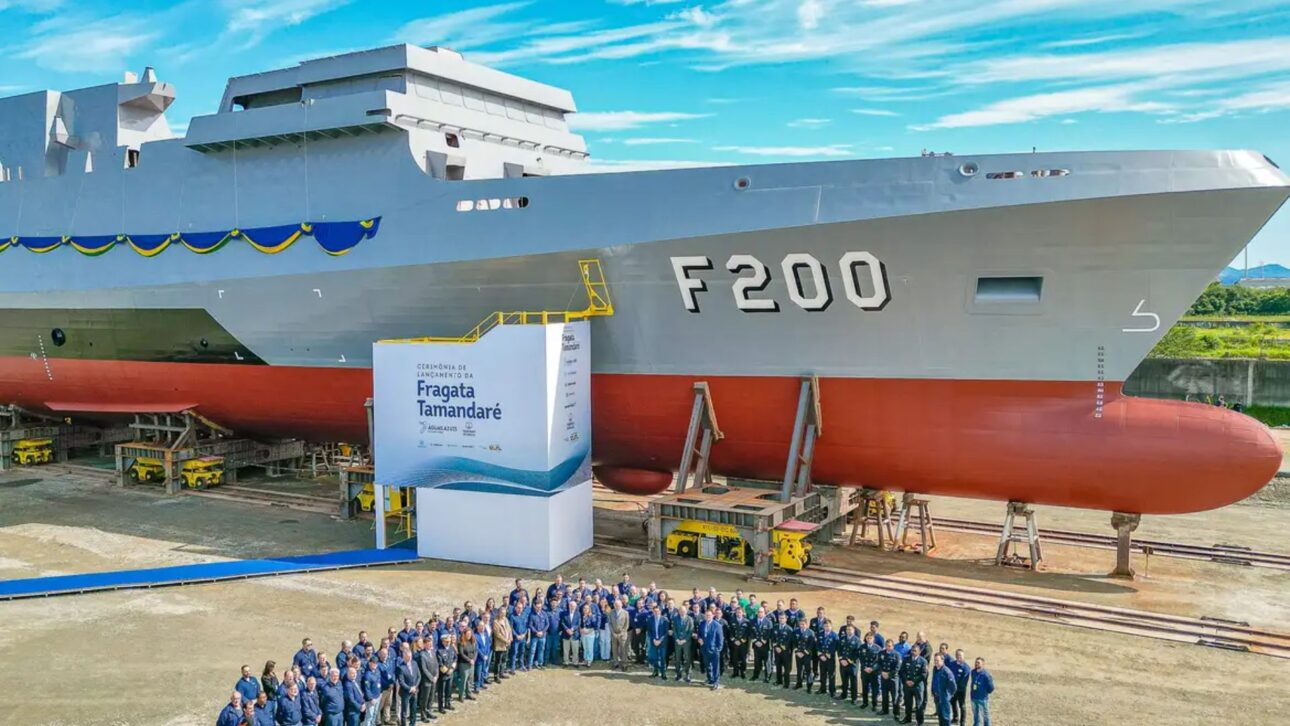
The Tamandaré Class Frigates program includes the construction of four state-of-the-art vessels at the shipyard in Itajaí, Santa Catarina, with staggered delivery by the end of 2029.
-
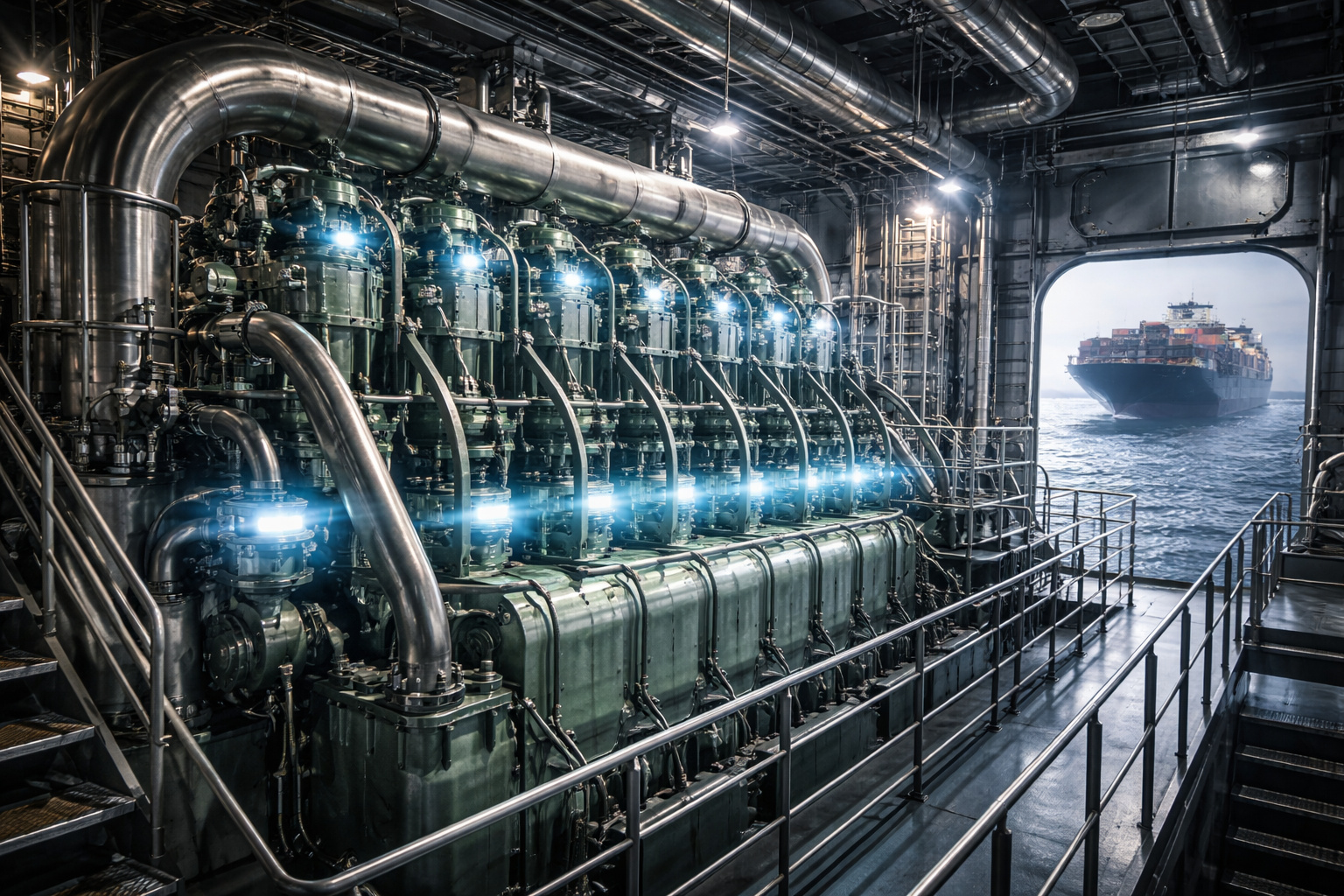
Europe is trying to create an ammonia-powered marine engine without auxiliary fuel, which could unlock the race for giant emission-free ships. The technology aims to eliminate one of the biggest obstacles to clean maritime propulsion.
-
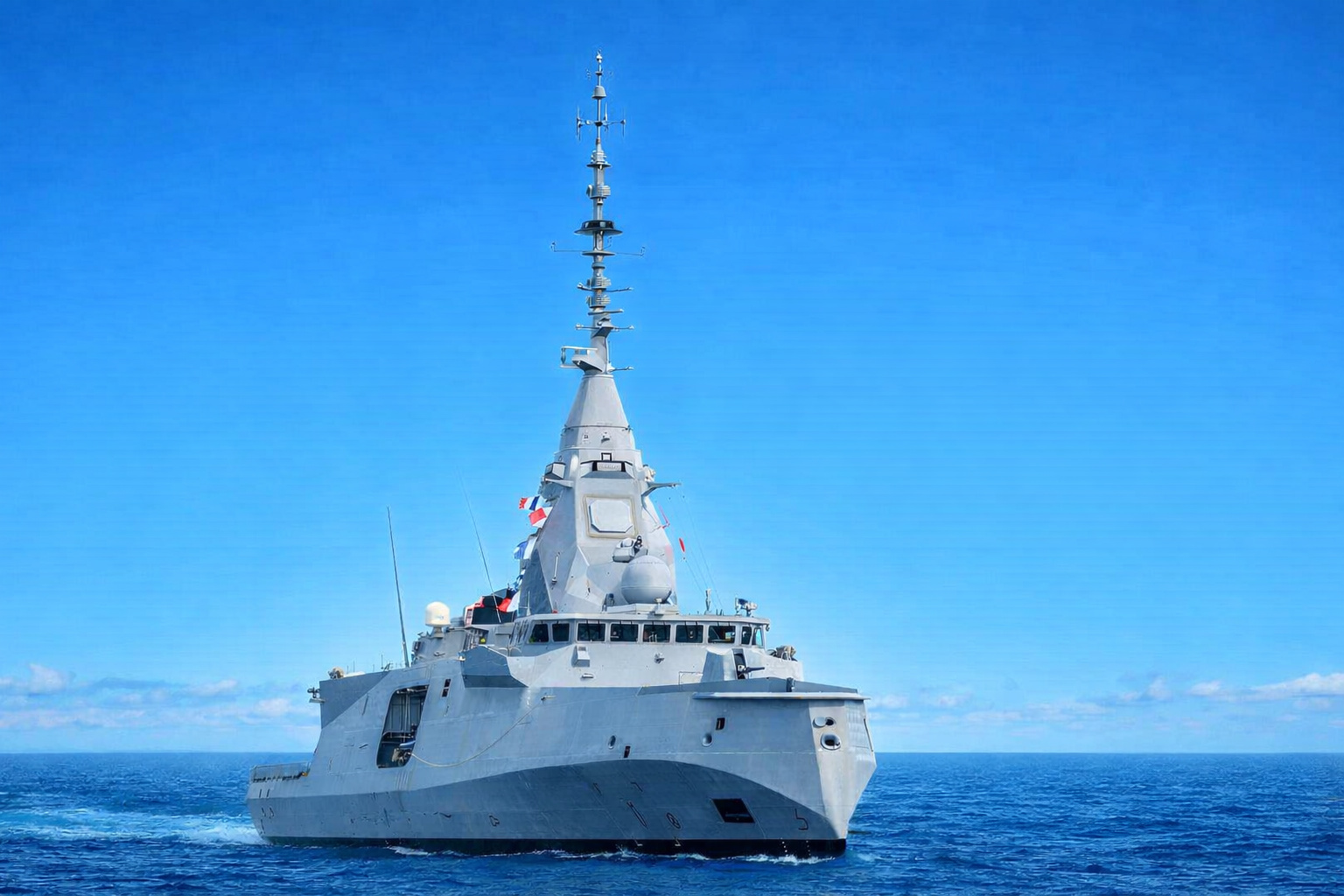
A 4,500-ton frigate with just over 100 crew members, state-of-the-art radar, and cruise missiles is being touted as the new standard of naval warfare in the 21st century.
-
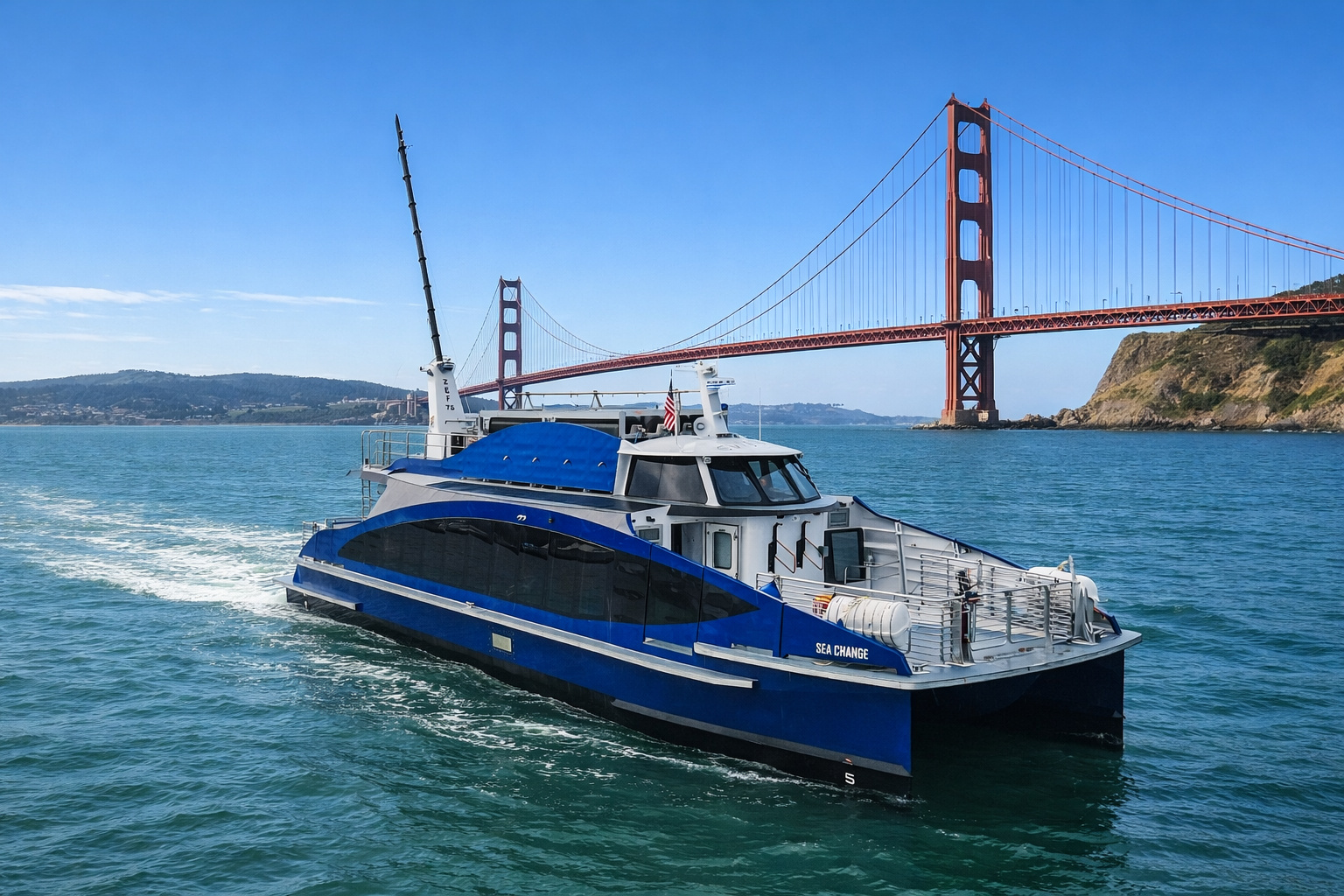
The first commercial hydrogen-powered ferry enters operation in the U.S., eliminates the use of diesel, uses fuel cells to generate clean energy on board, and transforms San Francisco Bay into a landmark of the new era of emission-free navigation.
-
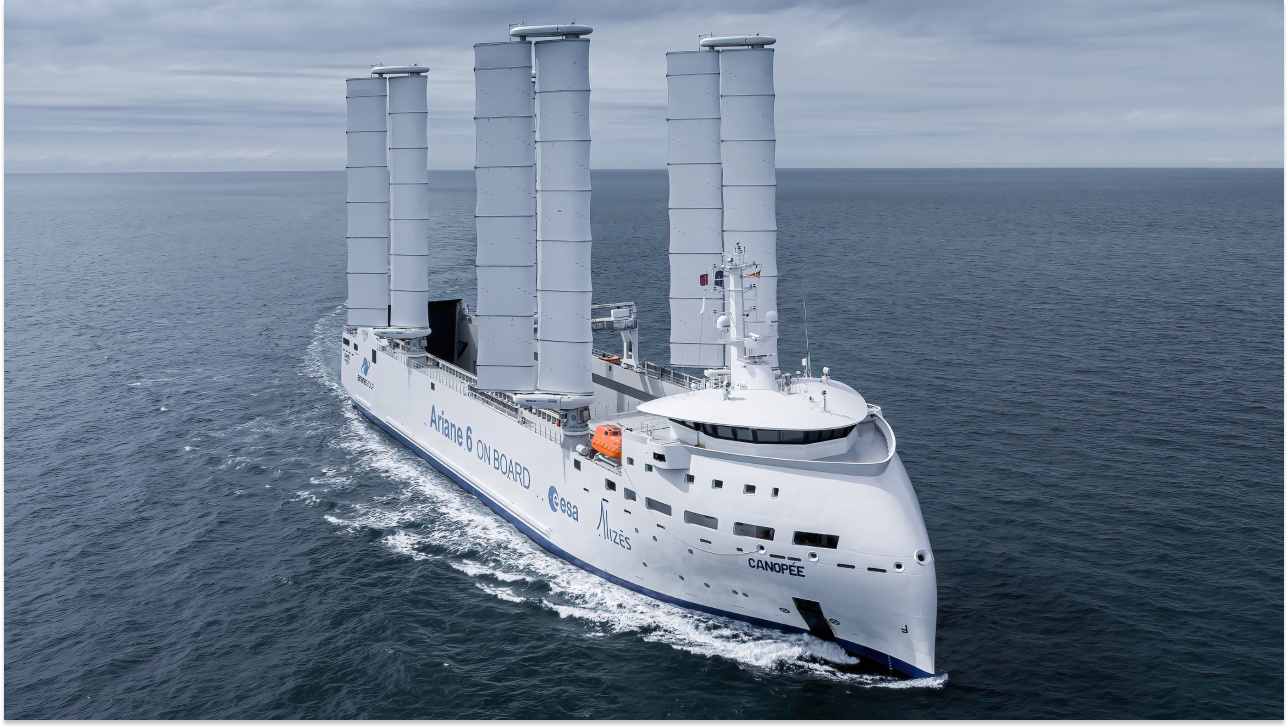
With a length of 121 meters and four rigid sails of 36 meters that automatically rotate to capture the wind, Canopée is the world’s first hybrid industrial cargo ship powered by wind, used to transport rockets and reduce fuel consumption by up to 30% on transoceanic routes.

Among them, the first unit, named Tamandaré Frigate, is on the most advanced schedule and is expected to be delivered to the Navy in December 2025.
According to Vice Admiral Marcelo da Silva Gomes, Director of Program Management of the Brazilian Navy, this is the most complex naval project ever developed on national territory.
According to the officer, the new frigates are capable of operating in multiple scenarios and missions, including anti-submarine warfare, surface threat combat, and air defense, as well as engaging in anti-piracy operations, environmental protection, and suppressing illegal fishing.
Innovations and Capacity to Act in Different Scenarios
One of the most innovative features of the Tamandaré Frigate is the adoption of stealth technologies, which make it difficult for the ship to be detected by enemy sensors and radars.
One of the implemented resources is the exhaust system positioned at the waterline, replacing the traditional chimney and reducing the thermal and visual signature of the vessel.
Furthermore, the project includes angled surfaces and special materials to minimize radar echo, which enhances strategic advantage in conflict or surveillance situations.
Another important advancement is the concept of digital twin — or digital avatar — developed for each of the four frigates.
This system creates a detailed virtual replica of the ship, fed by real-time data from all components, sensors, and onboard systems.
According to Fernando Queiroz, CEO and President of SPE Águas Azuis, the consortium responsible for the construction, the digital twin allows for monitoring the vessel’s performance, anticipating failures, and simulating maintenance solutions, reducing operational costs and increasing availability for missions.
Innovative Construction and Strategic Assembly
The construction process of the Tamandaré Frigate was planned to combine efficiency, precision, and speed.
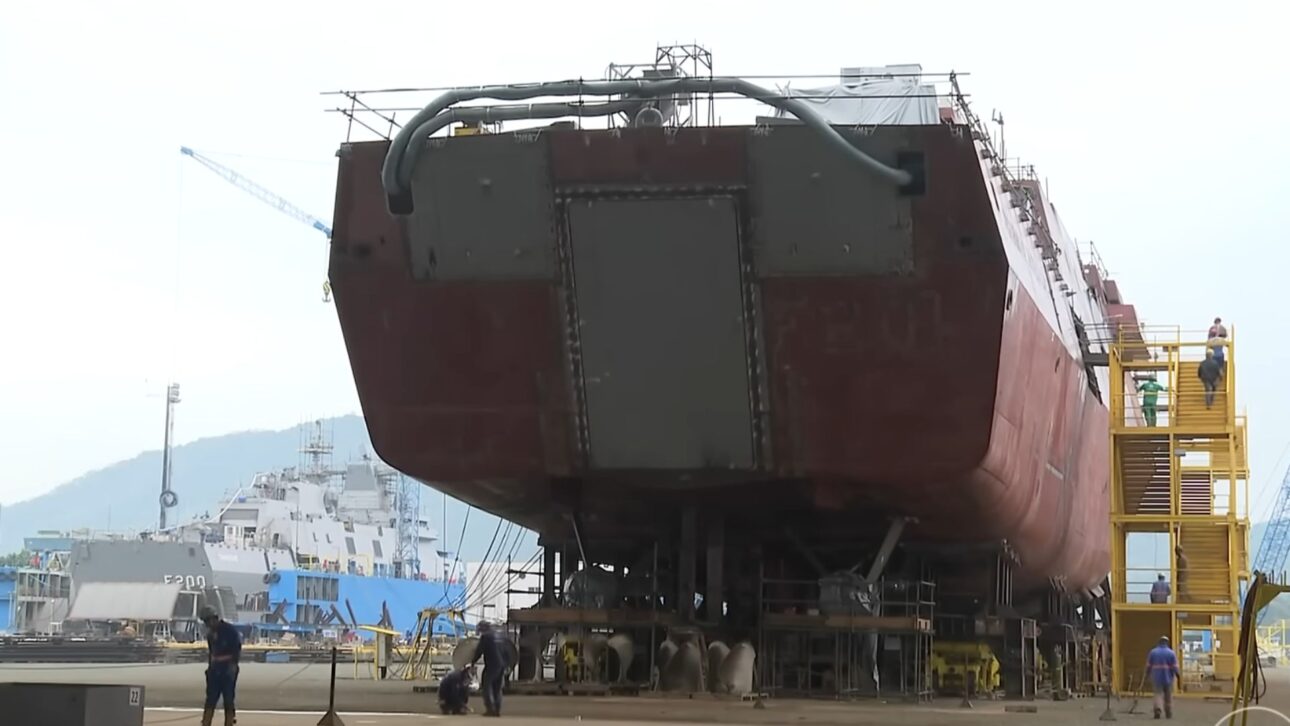
The hull is assembled from naval steel plates only 3 mm thick, ensuring lightness and speed without compromising structural strength.
The assembly resembles the overlapping of layers, as described by Fernando Queiroz: it begins with a central block, where the engine is installed, followed by the expansion of the structure in both the bow and stern directions, and then upwards, gradually forming the large hull of the vessel.
Throughout construction, propulsion systems, armaments, sensors, and state-of-the-art electronic equipment are integrated.
All phases undergo rigorous quality control, ensuring that the ship meets the highest international standards of performance, safety, and environmental sustainability.
Specialized Training for the Crew
The technological complexity of the new ship requires advanced training for the military responsible for its operation and maintenance.
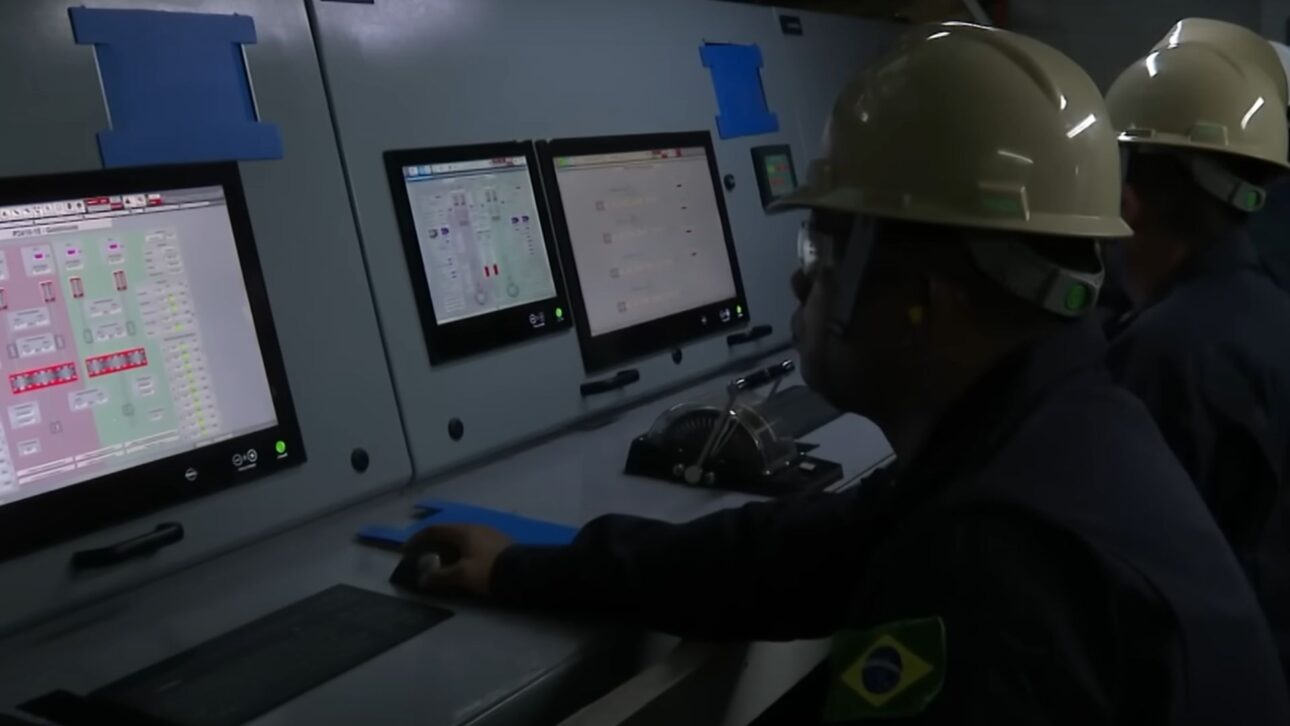
The training of the first group, consisting of 20 officers and enlisted personnel, began in July 2025.
Among the topics covered, the mastery of the Brazilian software that manages the entire propulsion and automation system of the frigate, considered the electronic brain of the vessel, stands out.
By the end of 2025, training for an additional 136 crew members is planned, who will be able to operate all onboard resources, including combat, communications, and navigation systems.
Operational Versatility and Environmental Protection
In addition to the traditional defense function, the Tamandaré Class Frigates stand out for their versatility in patrol operations, rescue, anti-piracy, and rapid response to environmental emergencies.
The ships are equipped with equipment dedicated to controlling and containing pollutants, as well as resources to assist in natural disaster situations and surveillance of protected maritime areas.
The fight against illegal fishing and trafficking in Brazil’s territorial waters is reinforced by the ability to integrate with other security and enforcement agencies.

Brazilian Naval Industry and Job Generation
The development of the Tamandaré Frigate is part of a broad effort to modernize the Brazilian Navy and strengthen the national defense industrial base.
The project involves technology transfer, generation of skilled jobs, and promotion of research, benefiting the Brazilian production chain in sectors such as metallurgy, electronics, automation, and information systems.
According to data from the Ministry of Defense, the program is expected to generate more than 2,000 direct jobs and around 6,000 indirect jobs by 2029.
Deliveries and the Future of Maritime Defense
The delivery of the first Tamandaré Frigate to the Brazilian Navy is scheduled for December 2025, marking the beginning of a new era for the country’s naval operations.
The other three units are expected to be completed and incorporated into the fleet by the end of 2029, consolidating Brazil as a reference in the production of advanced military ships in Latin America.
In light of this technological and strategic leap, how will the advancement represented by the Tamandaré Frigate impact maritime security, environmental protection, and Brazil’s international projection in the coming years?





Seja o primeiro a reagir!