





 Portuguese
  English
  Spanish
  3 min of reading
  0 comments



Production Concentrated in Rio Grande do Norte, Rising Exports and Limited Domestic Consumption Reveal Contrast Between International Success and Infrastructure Challenges in Brazil.
The melon has taken the position of the most exported fruit by Brazil in the first half of this year. About 118 thousand tons were sent mainly to Europe.
In the previous year, the fruit had finished in second place, with 243 thousand tons, second only to mango, which reached 260 thousand tons.
Production and Consumption in Brazil
Brazil ranks as the third largest exporter of melon in the world, considering all varieties.
-
The sugar-energy sector advances with agricultural technology, but agricultural productivity still raises concerns.

-
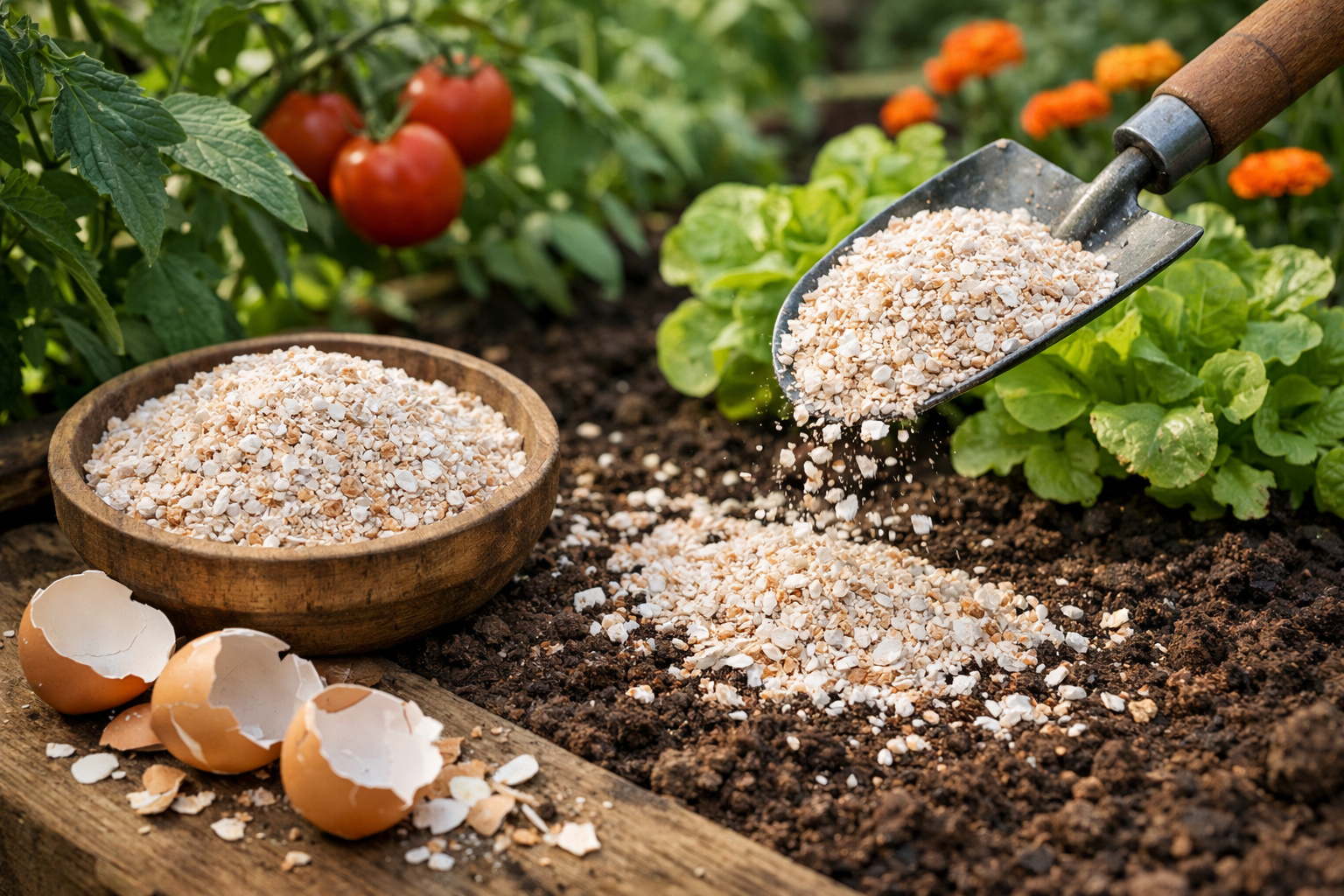
The eggshell that almost everyone throws away is made up of about 95% calcium carbonate and can help enrich the soil when crushed, slowly releasing nutrients and being reused in home gardens and vegetable patches.
-
This farm in the United States does not use sunlight, does not use soil, and produces 500 times more food per square meter than traditional agriculture: the secret lies in 42,000 LEDs, hydroponics, and a system that recycles even the heat from the lamps.

-
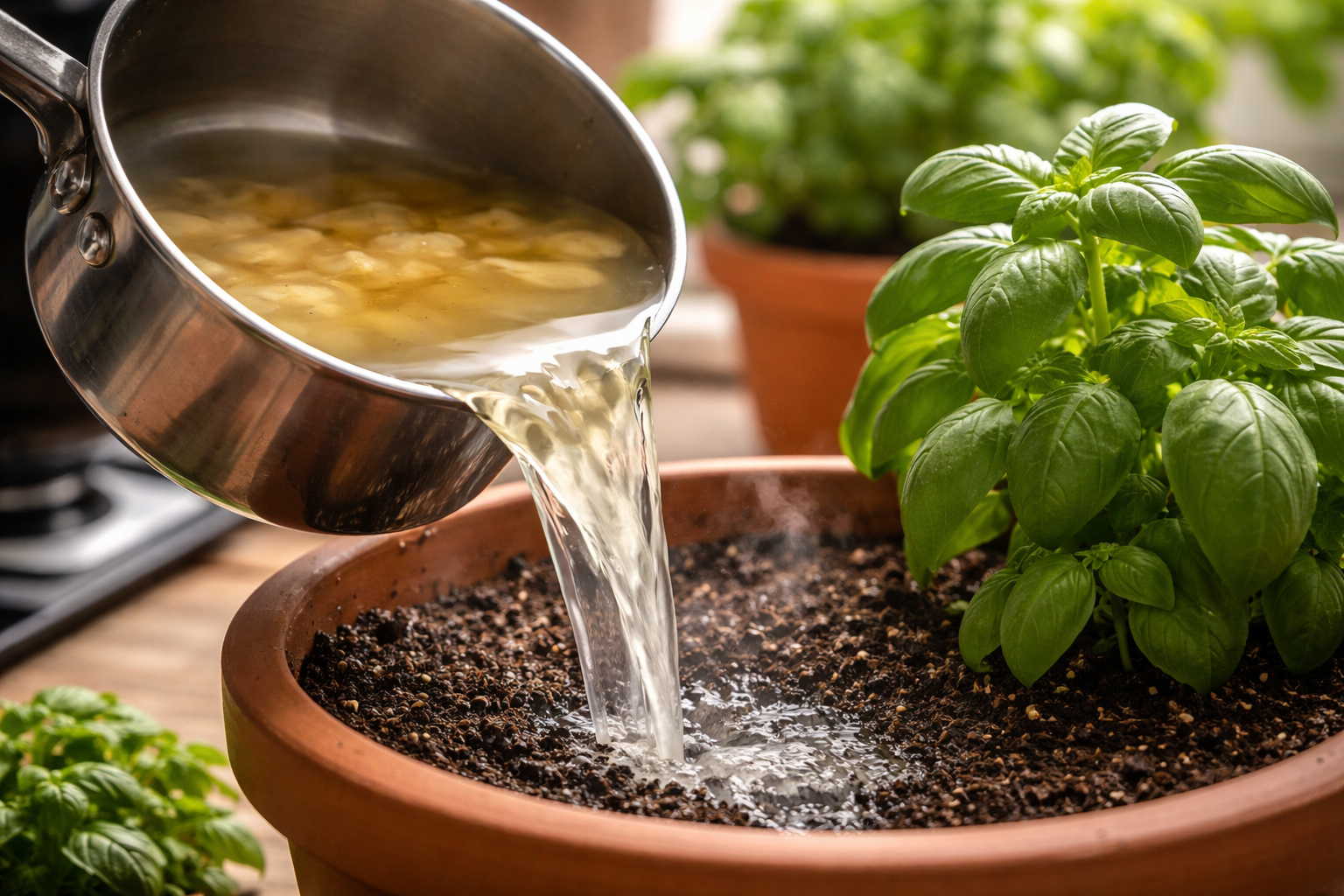
The water that almost everyone throws away after cooking potatoes carries nutrients released during the preparation and can be reused to help in the development of plants when used correctly at the base of gardens and pots, at no additional cost and without changing the routine.

However, it only occupies the eighth position on the list of the largest producers. This, according to experts, shows that domestic consumption is still low.
Carlo Porro, CEO of Agrícola Famosa, states that the Brazilian market “does not know melon.”
According to him, the breakdown of the cold chain is the main reason for the low public acceptance. “To consume melon properly in Brazil, it is necessary to maintain the entire cold chain, unlike in Europe. Here, when the fruit arrives at the shelf, this cold chain (refrigerated transport) ends up being broken, and it loses quality. The consumer then does not have the appropriate experience due to an infrastructure problem with Brazilian distribution itself,” he explained to the site Dinheiro Rural.
Impact in the Northeast
Despite the challenges of domestic consumption, melon cultivation is essential for the country’s agriculture, especially in the Northeast.
Rio Grande do Norte leads national production, accounting for 70% of the total. More than 20 thousand people work directly in the sector in the state.
Agrícola Famosa, one of the largest producers and exporters in the world, is headquartered between Mossoró (RN) and Icapuí (CE).
The company harvests about 1 million fruits per day in a cultivated area exceeding 11 thousand hectares. In total, it manages over 30 thousand hectares in four northeastern states, also producing watermelon and grapes.
United States and Tariffs
The tariffs applied by the United States do not affect the company much, according to Porro. He explains that shipments there are small compared to the total exported. “If they want our fruit, they will have to pay more. But if we have to abort the project for a year or two until this situation resolves, it does not affect us,” he said.
For 2024, the forecast was 300 containers destined for the North American market, a number considered low within the company’s universe. Still, the group invests in premium fruits to cater to the local audience.
Consumer Preference
In the domestic market, yellow melon accounts for over 90% of national production.
It is the favorite of Brazilians and has consolidated itself over the decades. In Europe, however, Pele de Sapo is gaining space, while cantaloupe mainly supplies the United States.
The melon shows strength in foreign trade and remains one of the main Brazilian fruits on the international scene.
While domestic consumption faces infrastructure and tradition limitations, exports consolidate the product as a key piece of national fruit growing.
With the dominance of Rio Grande do Norte, Brazil is increasingly establishing itself as a reference in the sector, even in the face of challenges posed by tariffs and consumption habits.










Seja o primeiro a reagir!