





 Portuguese
  English
  Spanish
  3 min of reading
  0 comments


After Promising 250 Thousand Pickups Per Year, Tesla Faces The Biggest Business Collapse In Its History: Stagnant Production, Overstocked Inventory, And Elon Musk Himself Turning To SpaceX And xAI To Cover Up The Financial Disaster
For years, the Cybertruck was presented by Elon Musk as the symbol of the automotive revolution: a futuristic, bulletproof pickup capable of redefining the electric vehicle market. However, less than two years after production began, the project has turned into one of the biggest fiascos for Tesla. What was once a promise of innovation has become a billion-dollar logistical problem — and now, Musk himself has had to look within his corporate empire for a way to move the stuck inventory.
The Promise That Turned Into An Industrial Nightmare
Launched with the ambitious goal of 250 thousand units per year, the Cybertruck has barely surpassed the mark of 20 thousand vehicles produced. This represents less than 10% of the installed capacity on Tesla’s assembly lines. The discrepancy between promise and reality has generated a massive hole in the company’s finances, as operating costs remain high even with reduced production.
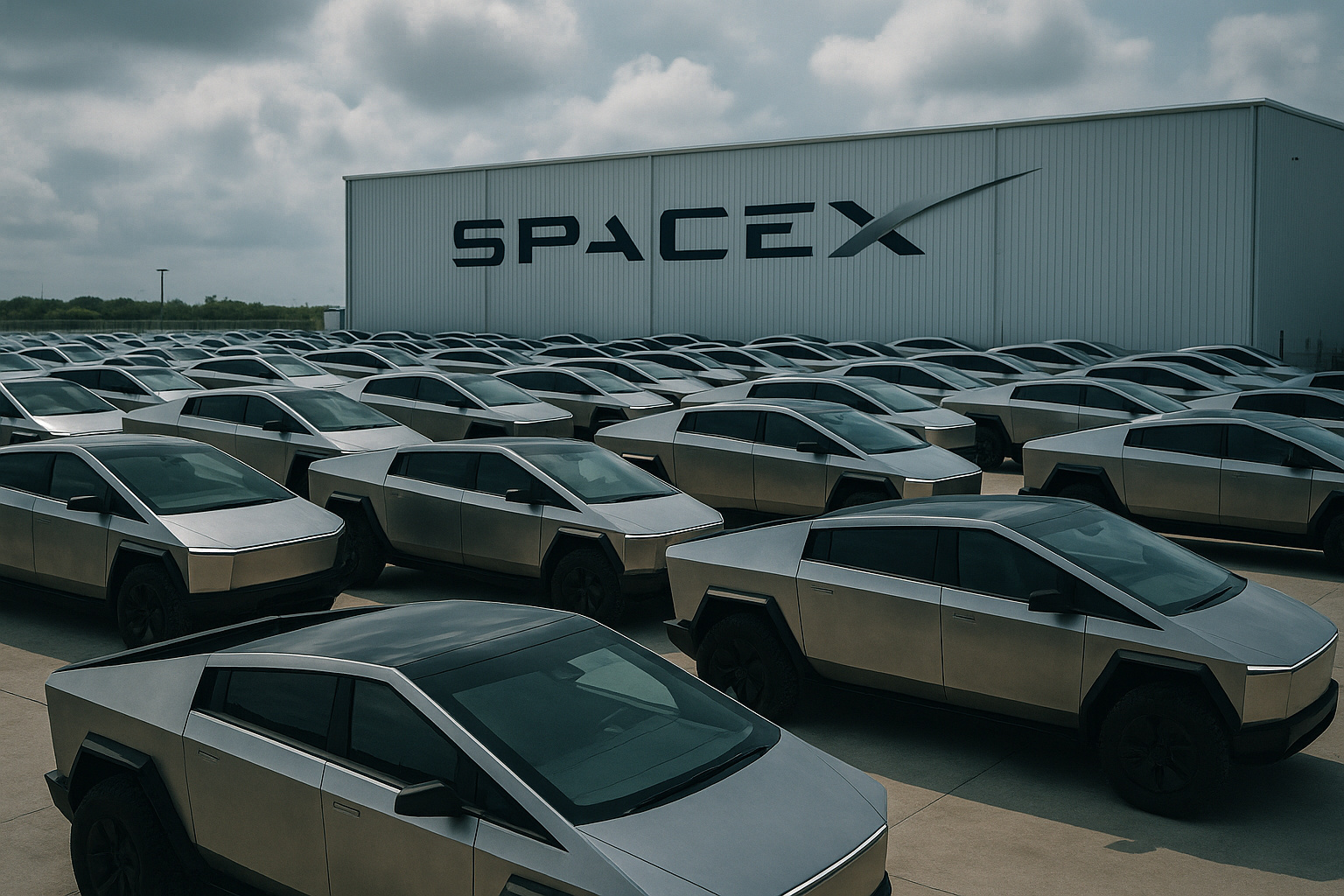
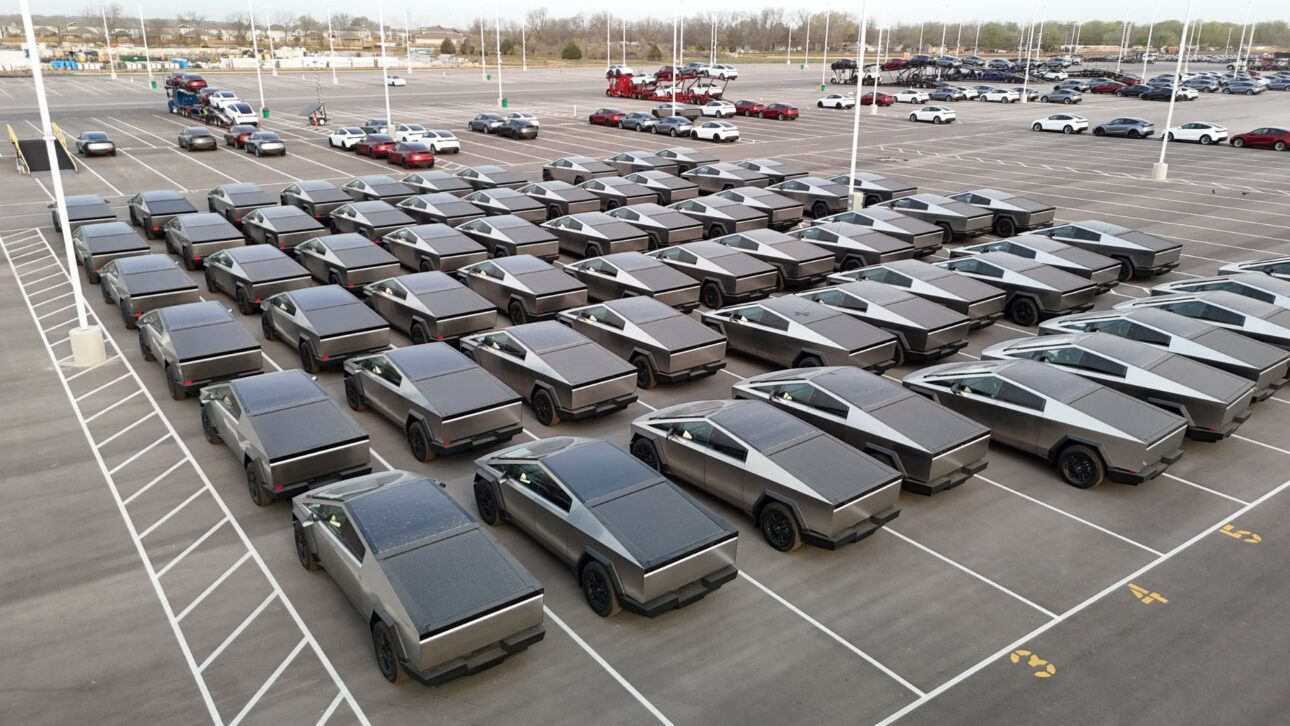
The problem worsened when the lots began to fill up with unsold pickups. Even with aggressive marketing campaigns and occasional discounts, demand simply did not keep up with supply. Instead of moving the units, Tesla has seen its inventory increase week after week, turning the model into an increasingly difficult financial burden to sustain.
-
A new law being voted on in Brazil proposes a minimum fare of R$ 10 per trip and R$ 2.50 per kilometer for Uber and 99 drivers, and promises to ensure they earn as well as taxi drivers did during the golden age of taxis in the country.

-
Bauer Group collapses after failed judicial recovery: 25 years, 800 vehicles, and a network of gas stations leave a debt of R$ 50 million and 100 layoffs, exposing costs, tight margins, and expensive credit in Brazil.
-
Premium Brazilian brand born during the pandemic brings fine cocoa from Bahia to Switzerland, Germany, and France, has won 9 awards, and claims to have the 2nd best milk chocolate in the world: meet Luz Cacau.

-
Júnior Friboi has just purchased one of the largest feedlots in all of Brazil, located in Goiás, with the capacity to produce 180,000 cattle per year, and the manager has already come forward to reassure employees about layoffs.

According to information released by “noticiasautomotivas”, the automaker has begun to use an internal strategy to avoid a complete collapse in sales statistics.
The Internal Maneuver: Selling To Itself
According to the portal, hundreds — possibly thousands — of Cybertrucks are being sent to other companies owned by Elon Musk, such as SpaceX and xAI, a recently created artificial intelligence startup. Trucks loaded with the vehicle have been seen heading towards SpaceX’s base in Texas, where the pickups are being integrated into the support fleet.
Wes Morrill, the chief engineer of the Cybertruck project, confirmed the maneuver and tried to justify the operation as part of the team’s “original dream”: to replace all combustion vehicles in group companies with electric models. Still, market analysts see the action as a clear attempt to manipulate the numbers and avoid revealing the sharp decline in external sales in the fourth-quarter balance sheet.
The accounting maneuver raises an uncomfortable question: is there really demand for the Cybertruck outside Musk’s ecosystem? On social media, the most popular comment on the subject summarizes the public sentiment: “If no one wants to buy your products, buy them yourself with another one of your companies and pretend everything is fine.”
The Risk Of An Internal Bubble And Investors’ Distrust
Experts believe that this move is linked to the end of the federal tax credit of US$ 7,500 for electric cars, which ended in September 2025. Musk may have anticipated the impact of this change, simulating an “artificial demand” by transferring the pickups to his other companies and counting those deliveries as sales. However, the trick could be costly: these internal transactions do not generate real profit, only moving capital within the group, creating a temporary illusion of financial performance.
In the long run, this threatens Tesla’s credibility with investors and shareholders, who expect sustainable results, not just cosmetic adjustments in reports. The financial market is cautiously watching the deterioration of the company’s image, which for years was synonymous with innovation and rapid profit.
The Cybertruck, once touted as the “revolution on wheels”, has become a symbol of an empire that now seems to be fighting itself to avoid admitting failure.







Seja o primeiro a reagir!