





 Portuguese
  English
  Spanish
 5 min of reading
  0 comments


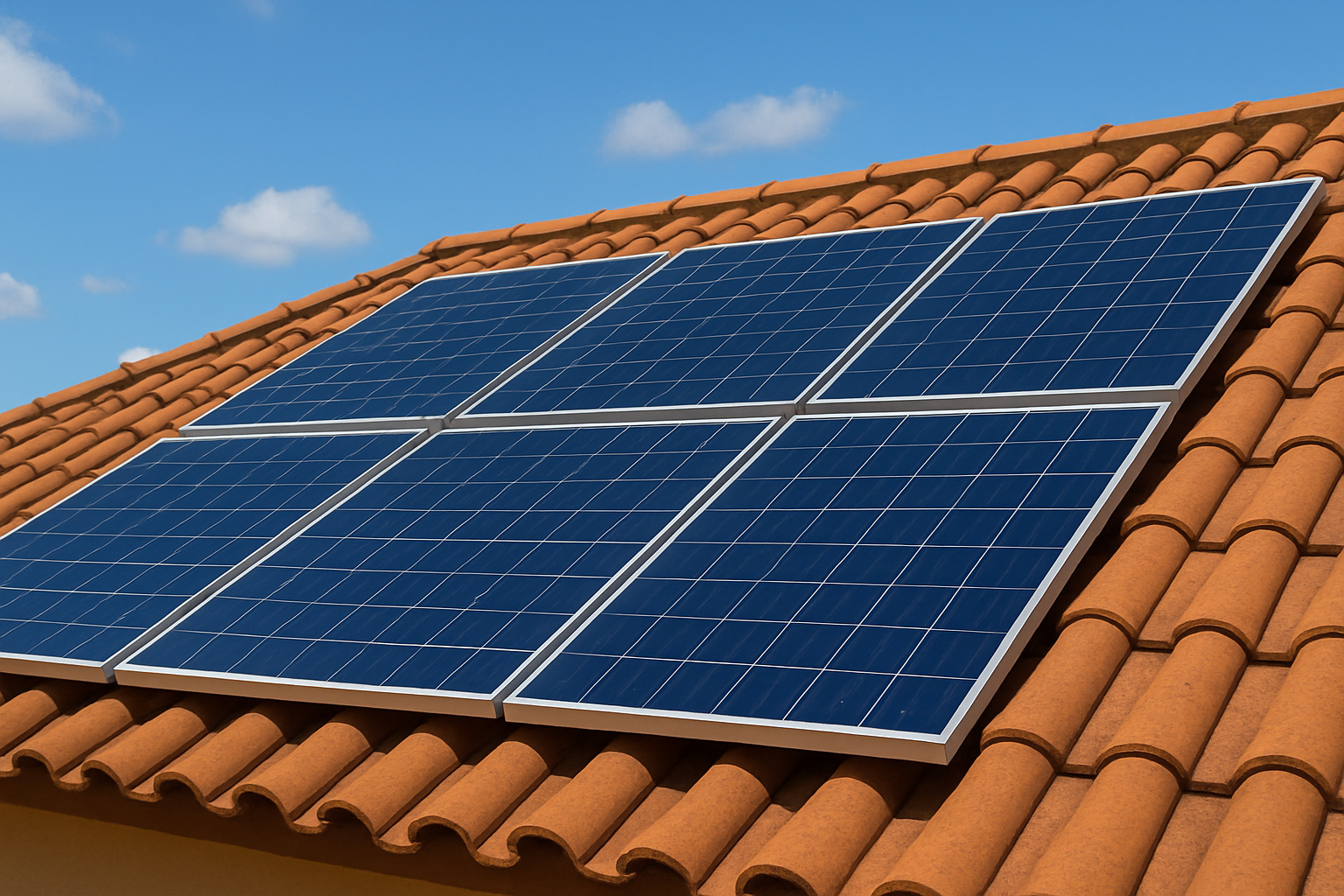
The expansion of solar energy in Minas Gerais represents a significant milestone for Brazilian energy history. The state has just surpassed 13 gigawatts (GW) of installed capacity, according to a publication from Diário do Comércio, and, with this, reinforces its leading role in the transition to clean sources. Although oil still plays a significant role in the national scenario, Minas shows that well-structured public policies and continuous incentives can accelerate the shift to less polluting matrices.
This advancement occurs at a moment when Brazil revisits the debate on energy dependence. For decades, the country has heavily anchored its economy in fossil fuels. However, now, with the global climate crisis and the quest for lower emissions, solar energy emerges as a strategic alternative. Minas Gerais, which historically led fundamental economic cycles for the country, again assumes the role of pioneer.
The Historical Evolution of Energy in Minas Gerais
The energy history of Minas dates back to the early 20th century when the state industrialized and began to rely heavily on thermal and hydro sources. For many years, like the rest of Brazil, Minas saw oil and coal as immediate solutions to sustain factories and urban growth.
-
The rise in oil prices could ensure an extra revenue of R$ 100 billion for the Federal Government, indicates a recent economic study.

-
Naturgy begins an investment of R$ 1.6 million to expand the gas network in Niterói and benefit thousands of new residences and businesses.

-
A major turn in the Justice system suspends tax increases and directly impacts oil and gas companies in Brazil by affecting costs, contracts, and financial planning, leaving uncertain what could happen to the sector if these costs had increased.

-
Brava Energia begins drilling in Papa-Terra and Atlanta and could change the game by reducing costs in oil while increasing production and strengthening competitiveness in the offshore market.

However, starting in 2010, according to data from ANEEL (National Electric Energy Agency), the first significant movements for the installation of residential solar systems began. This occurred because the prices of panels decreased and new regulations for distributed generation were implemented.
This scenario gained even more strength after 2016 when solar energy began to occupy space on the state’s investment agenda. Since then, Minas Gerais has become a national reference, leading rankings in decentralized generation and attracting international companies from the sector.
Thus, the energy transition in the state did not happen by chance. It was built with political decisions, tax incentives, and active societal participation, which sought cheaper and more sustainable alternatives for daily consumption.
The Milestone of 13 Gigawatts and Its Significance
Surpassing 13 GW is not just a technical number. In practice, it means that Minas Gerais alone produces more solar energy than many entire countries. According to Diário do Comércio, this volume of power results from the combination of large solar plants and thousands of small systems on urban and rural rooftops.
Moreover, this advancement occurs in a context where climate change pressures governments and companies to reduce emissions. Therefore, when a Brazilian state reaches such an expressive milestone, it demonstrates to the country that the energy transition is not only necessary but also feasible.
According to the newspaper, this mark positions Minas as an “absolute leader” in the photovoltaic sector, responsible for driving billion-dollar investments, generating jobs, and strengthening local production chains. All this reinforces the state’s role as a model for other Brazilian regions.
Another important point is that this growth gradually reduces the historical dependence on oil and other polluting sources, bringing long-term positive impacts for the climate and the economy.
Economic and Social Impacts of Solar Energy
The solar expansion in Minas Gerais is accompanied by profound social transformation. According to the government of Minas, incentive programs and specific lines of credit stimulated the installation of systems in homes, businesses, and rural properties.
This movement generated thousands of direct jobs in installation, maintenance, and manufacturing of equipment. It also encouraged small municipalities to develop new local economies, replacing environmentally impactful activities with renewable solutions.
Additionally, as data from ANEEL points out, distributed generation reduces transmission losses, lowers tariffs over time, and strengthens families’ autonomy. This set of factors makes solar energy a powerful tool for both economic growth and energy justice.
Therefore, instead of exclusively relying on traditional sources, Minas has created a new economic cycle more aligned with contemporary environmental demands.
The Energy Transition and Brazil’s Role in the Global Scenario
As Minas advances, Brazil is also trying to position itself as a green power. However, as recent reports from the BBC about hidden emissions from Brazilian oil show, the country still faces contradictions. While it makes progress in renewable sources, it continues to expand fossil fuel exploration.
Precisely for this reason, the milestone achieved by Minas Gerais has even greater weight. It demonstrates that although oil remains relevant, states can accelerate the transition even in the face of broader federal challenges.
The leadership of Minas also reinforces the importance of regional planning in the climate agenda. Instead of waiting for major national reforms, Minas created its own strategies and, thus, gained global prominence. This model can inspire other states and strengthen Brazil’s role as a reference in clean energy.
Future Perspectives for the Solar Sector in Minas Gerais
With 13 GW already installed, the future points to even greater growth. Companies in the sector claim that Minas has the potential to surpass 20 GW in the next decade, especially if incentives are maintained.
According to specialists cited by Diário do Comércio, the state has ideal conditions for expansion: high solar radiation, adequate infrastructure, stable policies, and skilled labor. Additionally, the growing energy consumption demands cheaper, faster, and less polluting sources.
The trend, therefore, is that the Minas matrix becomes increasingly diversified. And, with this, environmental impacts will gradually decrease. This happens because, by producing more clean energy, Minas reduces not only the demand for hydroelectric plants but also the pressure for fossil fuels such as oil.
This movement strengthens energy security and positions the state as an absolute highlight in the Brazilian climate transition.
The Symbolic Meaning of the Minas Advancement
More than numbers and statistics, Minas Gerais constructs a powerful narrative about a vision for the future. The state, which was once a national symbol of economic cycles such as gold, coffee, and heavy industry, now leads a new cycle: that of clean energy.
Therefore, when Minas surpasses 13 GW, it sends a clear message to the country: it is possible to grow economically without increasing dependence on fossil fuels. This milestone becomes even more expressive when analyzing the global scenario, where nations accelerate climate agendas and seek innovative models of sustainability.
Thus, Minas Gerais not only produces energy. It produces confidence that a new energy model is possible — and is already underway.





Seja o primeiro a reagir!