





 Portuguese
  English
  Spanish
  5 min of reading
  1 comment




Mini’s Sports Convertible Arrives in Brazil with Turbo Engine, Ventilated Brakes, Electric Roof, and OLED Dashboard That Doesn’t Suffer from Sun Glare, Reinforcing the Brand’s Tradition of Offering Compact Cars with Outstanding Performance.
Mini has started selling the John Cooper Works Cabrio for R$ 349,990 in Brazil, positioning the model as the most affordable sports convertible in the country.
The launch reinforces the brand’s investment in combustion engines amid electrification and arrives alongside the JCW hatch, both focused on performance and “go-kart” driving.
Launch and Market Positioning
Although convertible cars are rare here, the brand expanded its offering of convertibles in 2025.
-
The car stored for 38 years: when opening the barn door, what appears is breathtaking and looks like a scene from a movie!

-
Fiat works miracles in the Brazilian market, lowers the price of its 0 km hatch to R$ 69,990, reestablishes the model as the cheapest car in the country, and reignites the battle against Kwid and C3.
-
Chevette with cooking gas: How the gas cylinder ends up being used in cars clandestinely and why this makeshift solution can result in leaks, explosions, damaged engines, and seized vehicles.

-
Fiat launches the new 2027 Toro hybrid with 48V, 176 hp, an electric motor of 15.5 hp, a 0.85 kWh battery, up to 7% fuel savings, 8% fewer emissions, and possible exemption from IPVA.


First came the Cooper S Cabrio for R$ 319,990; now it’s the turn of the JCW, with a more aggressive performance and visual package.
The aim is to meet the audience looking for a compact convertible with quick responses without sacrificing modern assistance and connectivity features.
Structure, Platform, and Dynamic Tuning
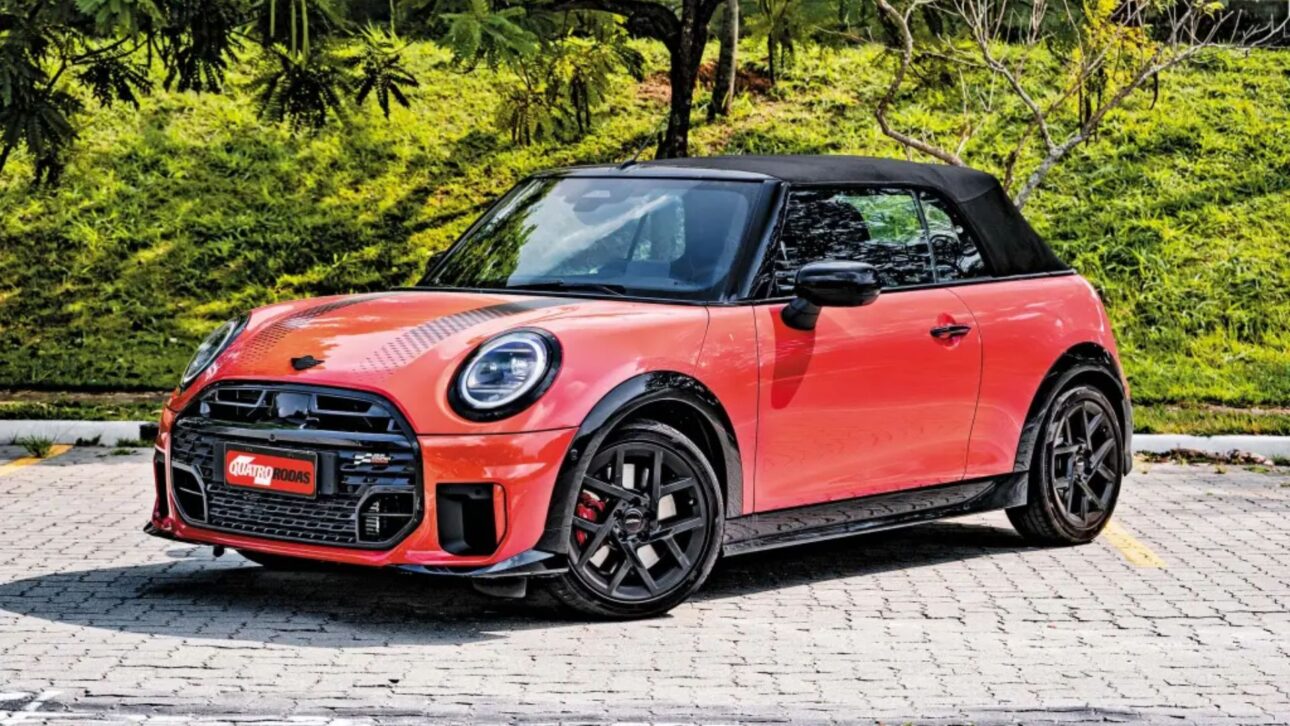
Mini classifies the news as a new generation, but in practice, it’s a deep redesign on the UKL1 platform.
New materials were applied to the body to enhance torsional rigidity and revise the rear suspension mounting points.
The result, according to the brand, is a more stable setup in curves and more comfortable on uneven surfaces, preserving the agile behavior that has won fans of the model.
External Style and Sports Signature
In the design, the changes were specific.
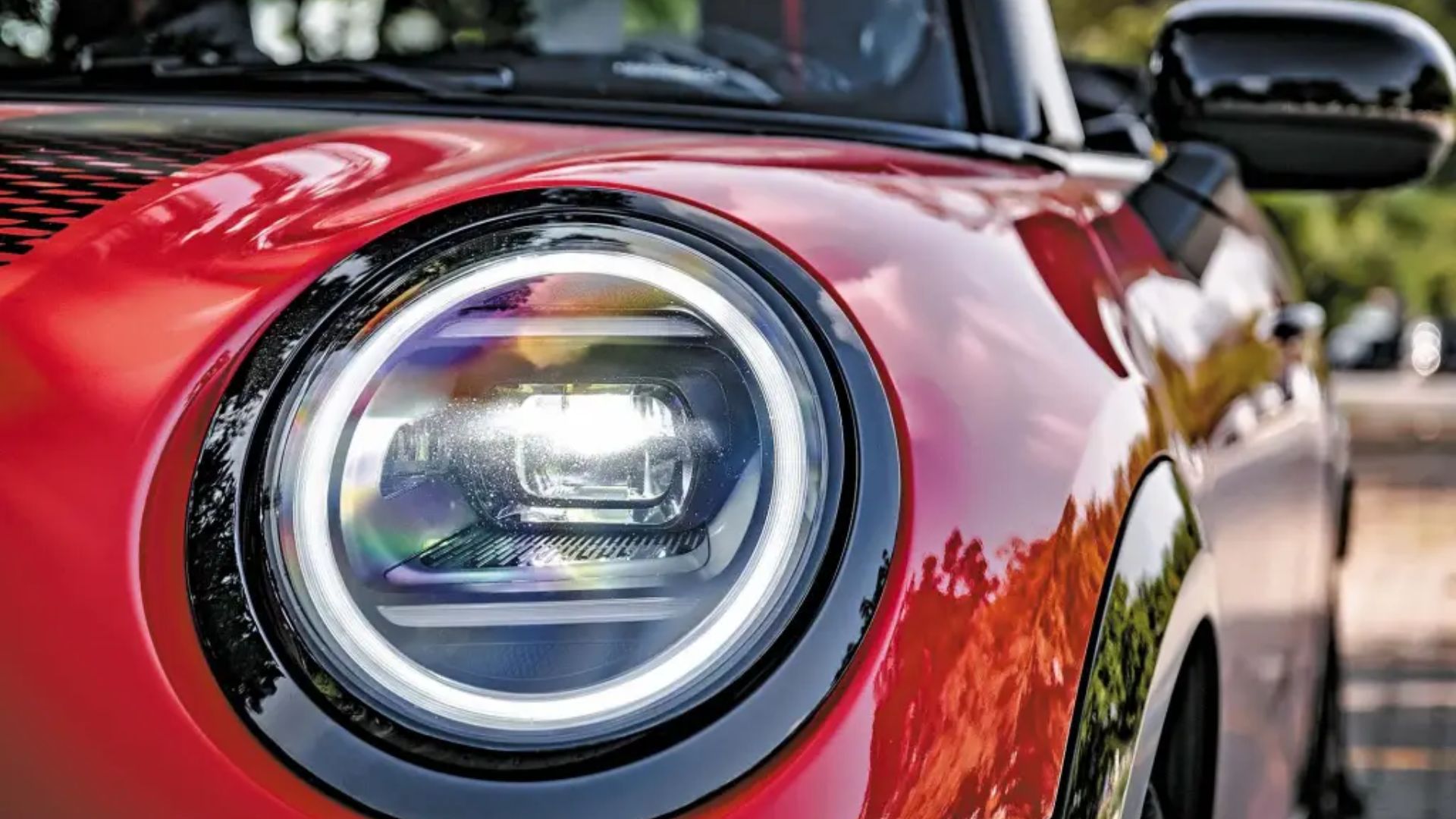
The glossy black octagonal grille features the JCW badge and enlarged air intakes to aid in cooling the engine and brakes.
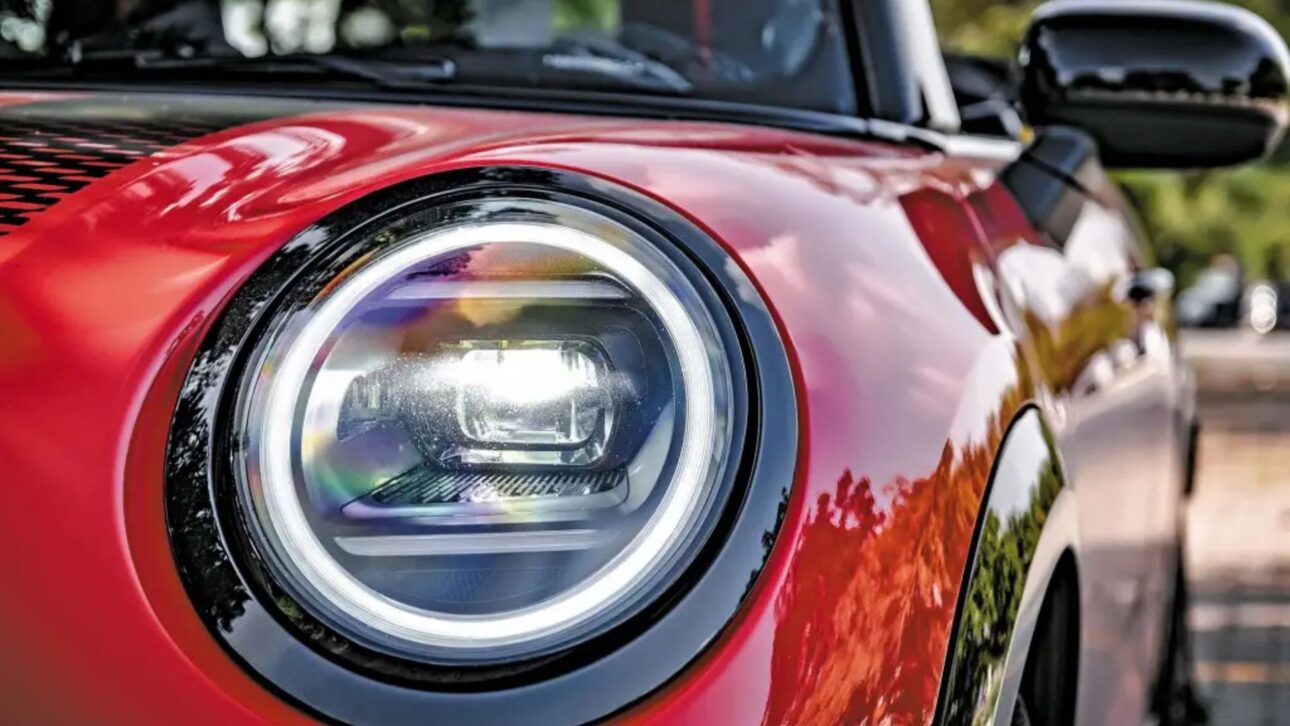
The headlights are full-LED, with horizontal daytime running lights that differentiate the sporty versions from the rest of the lineup.
The exclusive 17-inch wheels, with a dark finish, showcase the red brake calipers and are fitted with 215/45 R17 tires.
Taillights and Differences Between Cabrio and Hatch
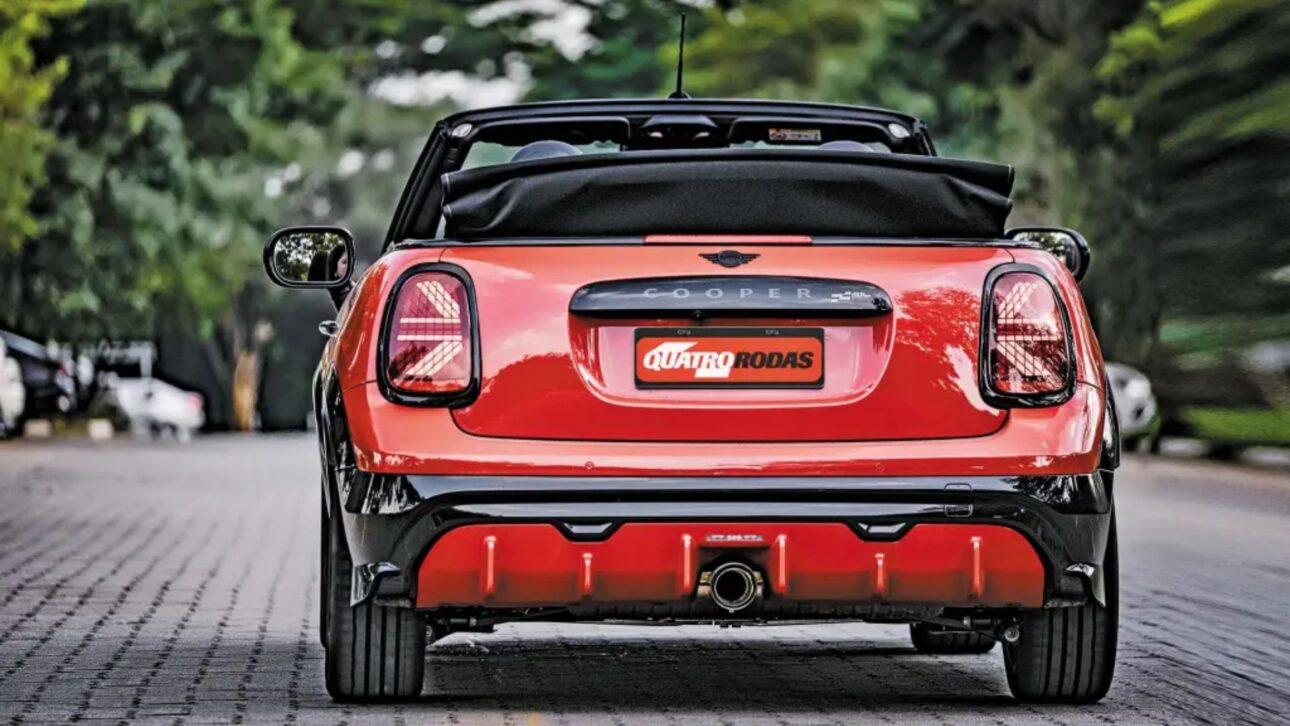
Special attention was given to the rear lights.
Those who were puzzled by the triangular arrangement introduced in the electric Mini will find a middle ground in the JCW convertible.
The Cabrio retains the conventional shape but features a pixelated effect and stylized turn signals.
In the JCW hatch, the lights follow the triangular design.
Electric Roof and Trunk
The canvas roof has electric operation and can be opened or closed in 18 seconds while the car is moving, up to 30 km/h.
The operation requires holding the button down until completion.
With the roof down, the trunk decreases from 215 to 160 liters, a limitation expected for the convertible body but sufficient for small luggage.
Brakes, Tires, and Focus on Intense Use
One of the standout features of the setup is the ventilated brake system on all four wheels, designed to better resist heat under severe use and offer more consistent braking.
In partnership with the 45-profile tires and the 17” wheel, the tuning favors stability and immediate response of the steering in more spirited rhythms.
Dashboard, Screens, and Onboard Experience
Inside, minimalism is the rule.
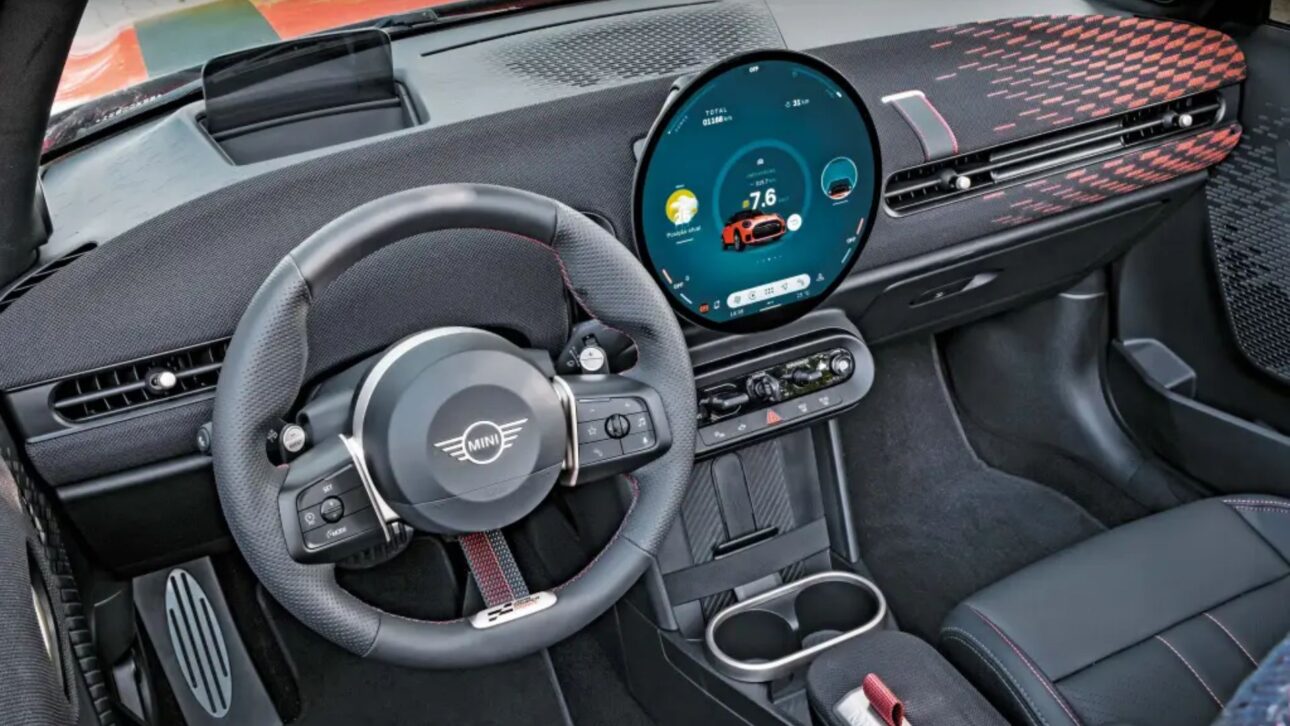
The traditional instrument cluster has been replaced by an acrylic piece projecting the information from the head-up display, freeing the driver’s view.
Almost all controls are concentrated on the central round screen with a 24 cm diameter (almost 10”), in a circular format, using OLED technology that reduces glare under direct sunlight.
This feature proves especially useful when driving with the roof down.
Materials, Seats, and Finish Details
The interior environment combines black with red accents.
The semi-bucket seats feature leather and fabric for better lateral support, while the dashboard brings a stylized checkered flag in the bottom right corner.
Moreover, the steering wheel with visible stitching and a third spoke in fabric reinforces the sporty proposal.
The key embedded in the console replaces the traditional metal blade.
What Changes in Behavior
The recalibration of the suspension and structural reinforcements aimed to reduce torsions and increase precision in fast curves.
Still, the tuning favors firmness even in the softer modes, a characteristic often found in sporty models.
For urban use, the reading of rough surfaces is more present.
On the road, conversely, the body remains controlled and the convertible transmits confidence even with the roof retracted.
JCW Identity Preserved
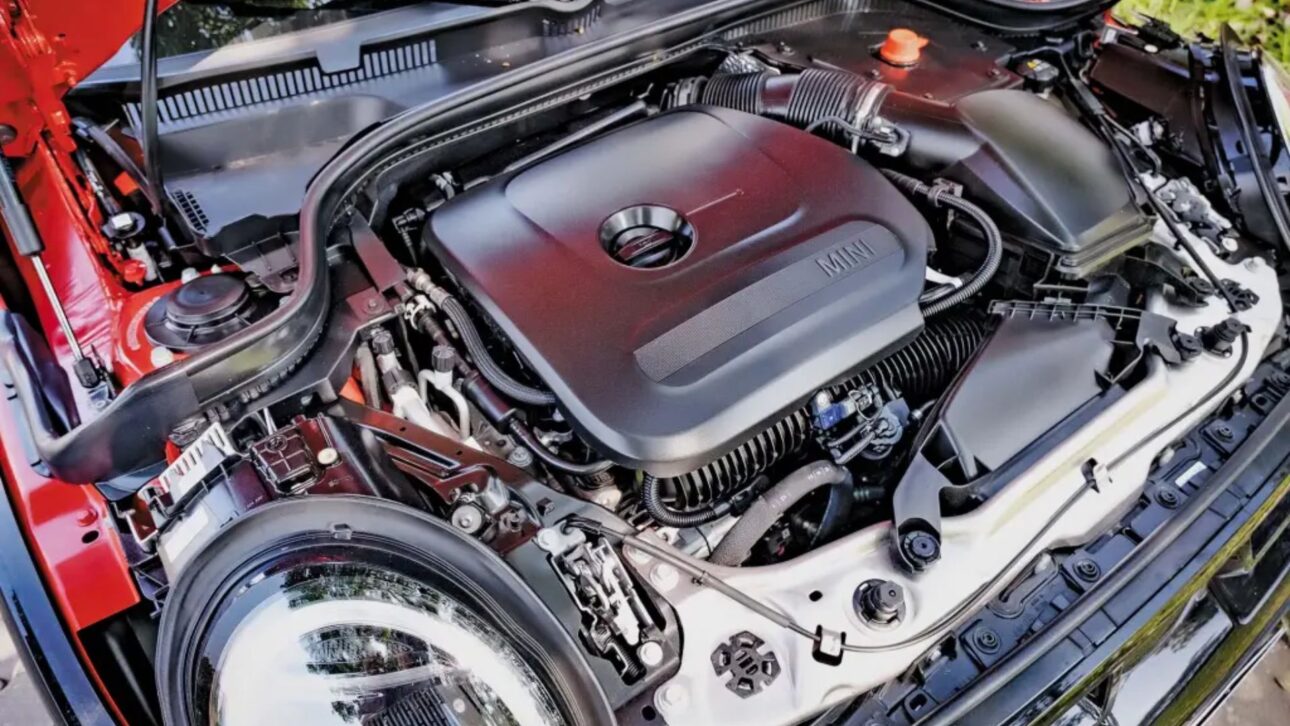
The JCW Cabrio maintains the typical aesthetics of the division, with specific bumpers, diffuser, and robust-looking exhaust outlets.
The ensemble creates a contrast between the classic Mini design and functional elements aimed at channeling air, cooling components, and reducing lift at high speeds.
Thus, the convertible version is visually distinct from the Cooper S, without excesses.
Technology and System Operation
The multimedia system combines navigation, media, phone, and climate control in layers accessible by touch.
The circular interface takes advantage of the screen’s shape and allows real-time driving data to be displayed.
The integration with the head-up display helps keep essential information within the line of sight, eliminating the need for traditional physical instrument clusters and freeing up space on the dashboard.
Audience and Proposal
Despite the niche, the convertible relies on a coherent set aligned with Mini’s tradition: compact dimensions, quick responses, and a striking appearance.
By positioning the JCW Cabrio below larger and more expensive convertibles, the brand aims to attract those who prioritize driving experience and body exclusivity without moving up to higher segments.
With this combination of chassis adjustments, reinforced brakes, sun-resistant OLED screen, and quick-operating roof, Mini’s sports convertible delivers on its promises in daily use and on winding roads. For you, does the appeal of a compact sports convertible still make sense in today’s Brazil?

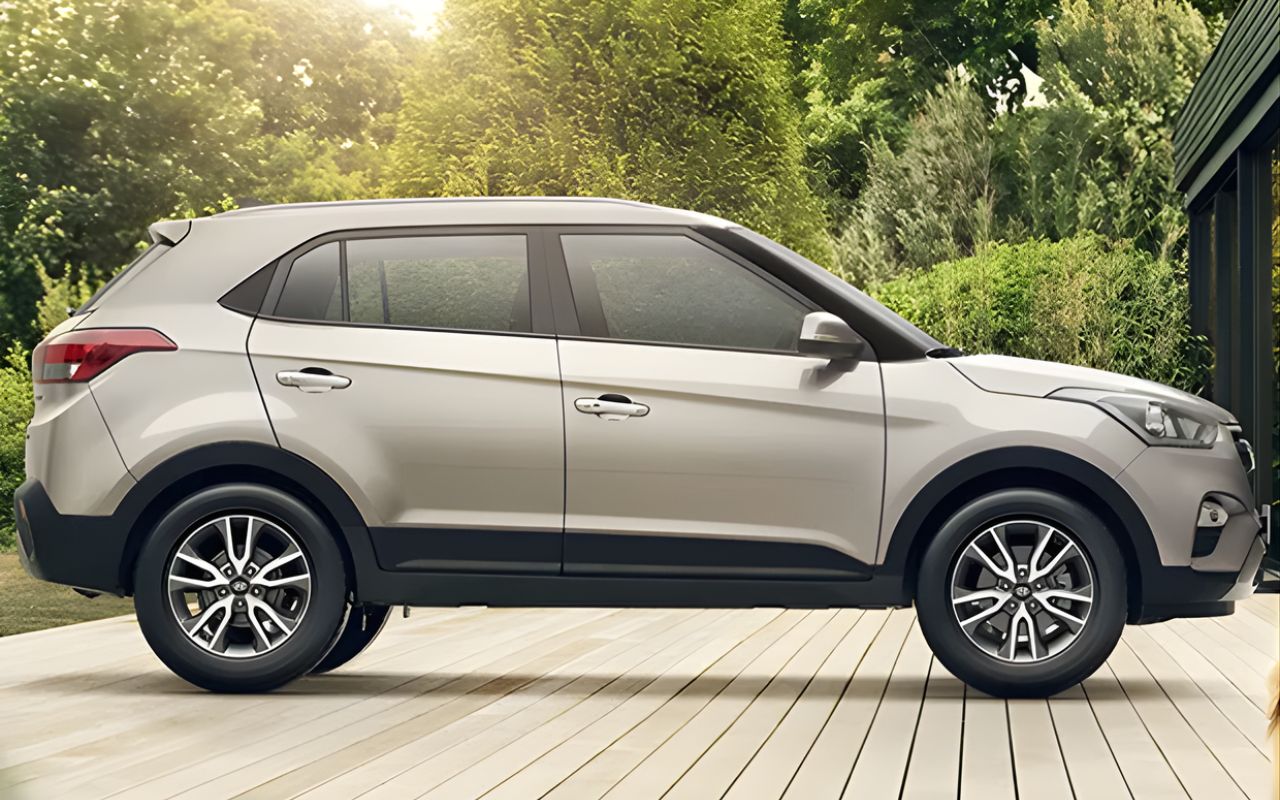





Conversíveis podem ser considerados “dois em um’. A questão é o preço sempre muito acima das versões com capotas metálicas e fixas. É configuração atraente.