





 Portuguese
  English
  Spanish
  6 min of reading
  0 comments


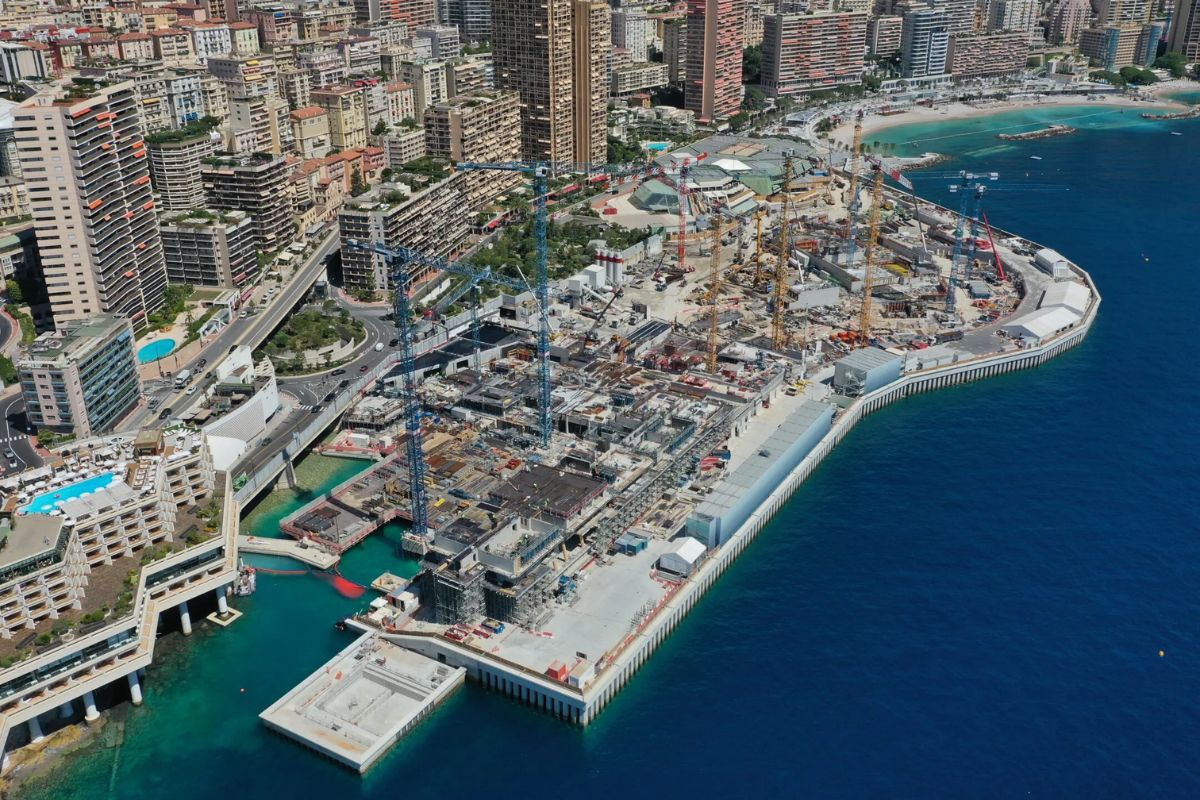
In Monaco, A Neighborhood Built On The Sea Gained Marina, Buildings Signed By Renzo Piano, Eco Label And Square Meter Near 100 Thousand Euros, Turning Exclusive Showcase For Billionaires And Coastal Urbanism Laboratory In The Mediterranean, Under The Watchful Eye Of Global Environmentalists
Inaugurated in December 2024, Mareterra, a neighborhood built on the sea on the eastern shore of Monaco, is the principality’s latest response to the chronic lack of space in a territory compressed between cliffs and the Mediterranean. The project reclaimed about six hectares from the sea and added approximately 3 percent of area to the country after eight years of construction that began in the mid-2010s.
On paper, the neighborhood promises to reconcile open sea views, branded architecture, a private marina, and a package of environmental credentials that includes solar energy, green spaces, and solutions for marine wildlife. In practice, it has also become a symbol of the city’s shift to a level where the square meter speculated to be around 100 thousand euros transforms it into a privileged stage for some of the richest individuals in the world.
How To Build A Neighborhood On The Sea In Monaco

The starting point of Mareterra is a known equation in Monaco since the early 20th century: when there is no more land available, expansion occurs into the Mediterranean.
-
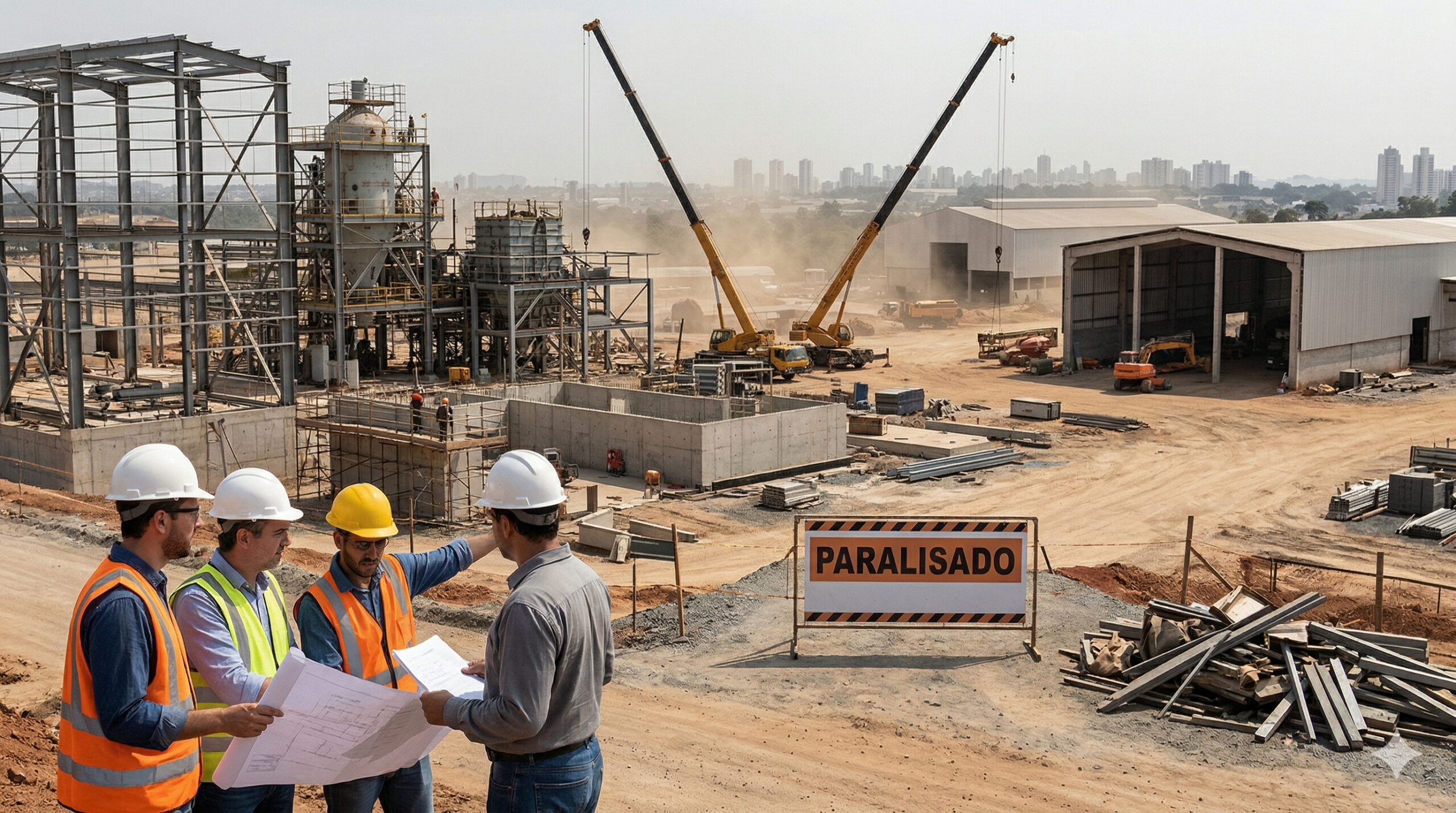
The lack of welders, electricians, and operators becomes a structural threat in 2025, with the construction industry and manufacturing already suffering from delays, cost pressures, and labor shortages in Brazil.
-
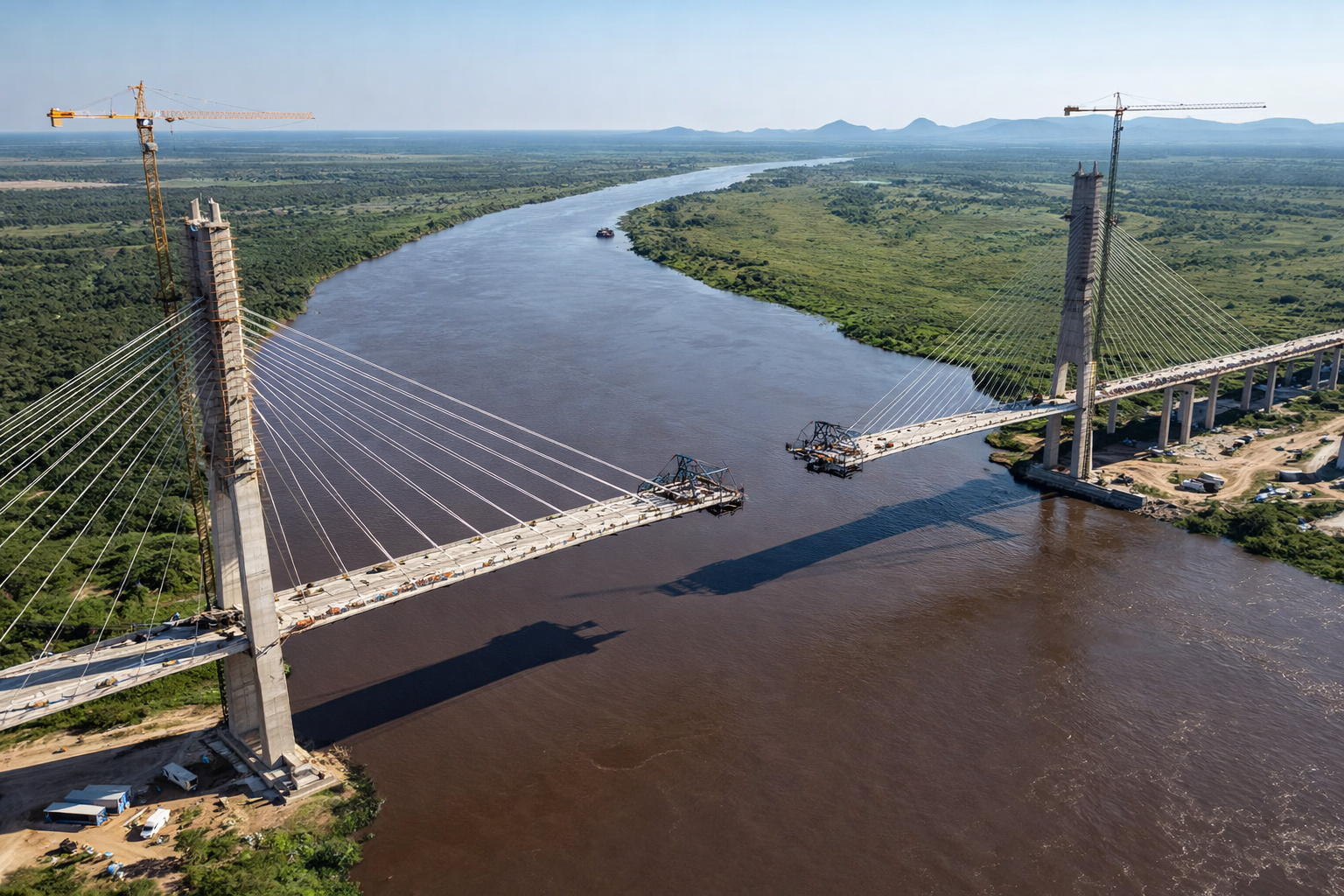
Brazil and Paraguay are just 46 meters away from a historic union on the bioceanic bridge that promises to revolutionize trade between the Atlantic and the Pacific.
-
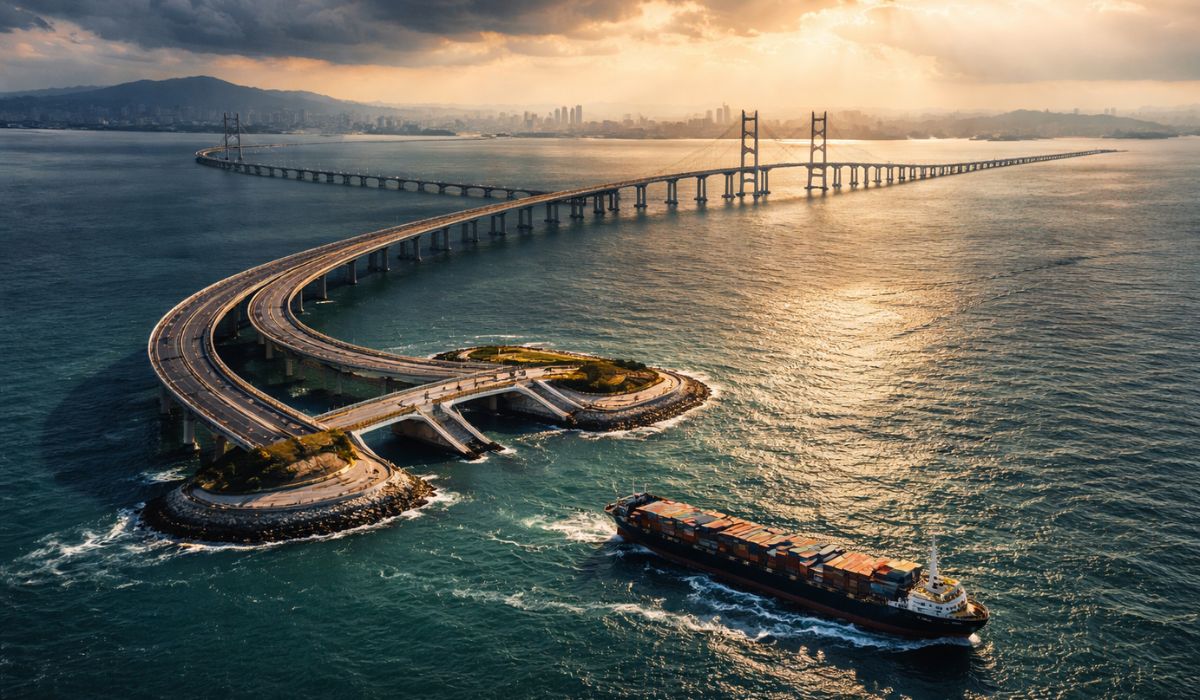
With 55 km over the sea, a cost of US$ 20 billion, and enough steel to build 60 Eiffel Towers, China’s largest project has connected Hong Kong, Zhuhai, and Macau in a colossal bridge that defies the logic of engineering.
-
A trick with joint compound transforms a Styrofoam ceiling into a plaster-like ceiling: leveled panels, wires and mesh at the joints, sand, paint, and change the environment while spending little today.

Since 1907, about a quarter of the current area of the principality has been reclaimed from the sea, in operations that created Larvotto beach, Port Hercules, and the Fontvieille neighborhood, among other urbanized sections.
In 2013, Prince Albert II announced a new plan for expansion off the coast, next to the Grimaldi Forum and the Japanese Garden.
The idea was to create a neighborhood built on the sea that would connect these coastal pieces with a continuous stretch of promenades, gardens, and high-end residential buildings.
The area was named Mareterra to reinforce the fusion between sea and land that supports the project.
The new district houses two blocks of residential apartments, ten villas, and four townhouses, as well as a small marina, 14 commercial establishments, and about three hectares of open public space.
For the principality, Mareterra is presented as the missing piece in the urban puzzle of the waterfront, integrating leisure, housing, and services in a setting that aims to appear natural, even though it has been literally built on the sea.
Concrete Chambers And Invisible Engineering Beneath The Neighborhood

Underneath the seaside promenade and newly planted gardens, what supports the neighborhood are 18 giant concrete boxes, each weighing about 10 thousand tons and standing 26 meters tall, placed side by side on the bottom of the Mediterranean.
These modules serve as the structural backbone and also as a breakwater to protect the neighborhood from historic storms.
On top of these boxes are the so-called Jarlan chambers, which emerge above the waterline with narrow vertical openings.
Water enters and exits through these openings, dissipating wave energy before it reaches the promenade.
The logic is to allow the sea to circulate and for the waves to lose strength, keeping the neighborhood built on the sea protected even during intense swell episodes.
One of the most emblematic spaces of this system is the so-called Blue Grotto, a dark antechamber inside one of the structures, where it is possible to hear the sound of waves crashing against the concrete.
At specific times, the light that passes through the openings creates a bluish reflection inside the chamber, transforming a technical component of engineering into a discreet architectural attraction.
Eco Label, Solar Energy And Planned Forest
To support the sustainability discourse, Mareterra was designed as the “greenest” part of the principality, aligned with Monaco’s goal of carbon neutrality by 2050.
The neighborhood incorporates about 9 thousand square meters of solar panels, approximately 200 charging stations for electric vehicles, and the planting of around 800 trees distributed among rocky gardens, avenues, and leisure areas.
The official line is clear: the neighborhood built on the sea would not just be a real estate product, but a laboratory on how to mitigate the environmental impacts of large land reclamation works.
The concrete boxes were given reliefs, grooves, and textures carefully molded to favor the colonization of algae, fish, and other marine organisms, recreating shallow areas where wildlife can move.
The most sensitive chapter was the management of 384 square meters of Posidonia oceanica, a marine plant protected by European legislation.
An adapted machine removed blocks of vegetation with roots and sediments, which were transplanted intact to the Marine Protected Area of Larvotto, about 200 meters from the construction site.
The operation aimed to preserve not only the plants but the microecosystem associated with their base.
Marina, Renzo Piano And Square Meter Near 100 Thousand Euros
On the surface, Mareterra was designed to reinforce Monaco’s image as a global showcase of wealth.
One of the residential blocks, named Le Renzo, bears the signature of Italian architect Renzo Piano, responsible for a building with smooth lines in shades of blue and gray that stands out as the guardian of the neighborhood before the sea.
The residences include spacious apartments with balconies facing the Mediterranean, independent villas with direct access to the seaside promenade, and townhouses set in planned vegetation areas.
The marina accommodates large yachts, directly connecting the neighborhood built on the sea to the circuit of superyachts that travel the Riviera.
Despite the rhetoric that the project would help alleviate pressure on the housing market, it is speculated that property prices start in the range of 100 thousand euros per square meter, placing Mareterra among the most expensive residential areas in the world.
None of the new units have been reserved for Monegasque citizens under social housing schemes, reinforcing the perception that the development primarily caters to the demand of international billionaires seeking exclusive addresses.
Coastal Urbanism Laboratory Or Amusement Park For Billionaires
The project keeps alive the tradition started by Prince Rainier III, known as the “builder prince,” and continued by Prince Albert II, who sees physical expansion of territory as a sign of economic dynamism.
For some of the local elite, Monaco should continue to advance over the sea whenever there is technology and money available to enable new urbanizable slices.
At the same time, Mareterra raises questions about the real need for a neighborhood built on the sea in a global context of climate crisis, rising sea levels, and environmental pressures on coastal ecosystems.
Critics question whether the ecological innovation laboratory is, in practice, a high-standard showcase that hardly changes the reality of those facing difficulty accessing housing in the principality itself.
Nonetheless, urban planners and coastal city managers look to Monaco as a case study.
The techniques of deep water foundation, the engineering of the Jarlan chambers, and the attempts to reconcile land reclamation with environmental restoration may serve as a reference for other projects in densely populated coastal regions.
The dilemma lies in knowing whether these solutions will be used to meet collective demands or replicated mainly in high-income enclaves.
In your opinion, should projects like this neighborhood built on the sea primarily be used to create affordable housing in coastal cities, or does it make sense for them to continue functioning as exclusive showcases for billionaires?






Seja o primeiro a reagir!