





 Portuguese
  English
  Spanish
  3 min of reading
  0 comments


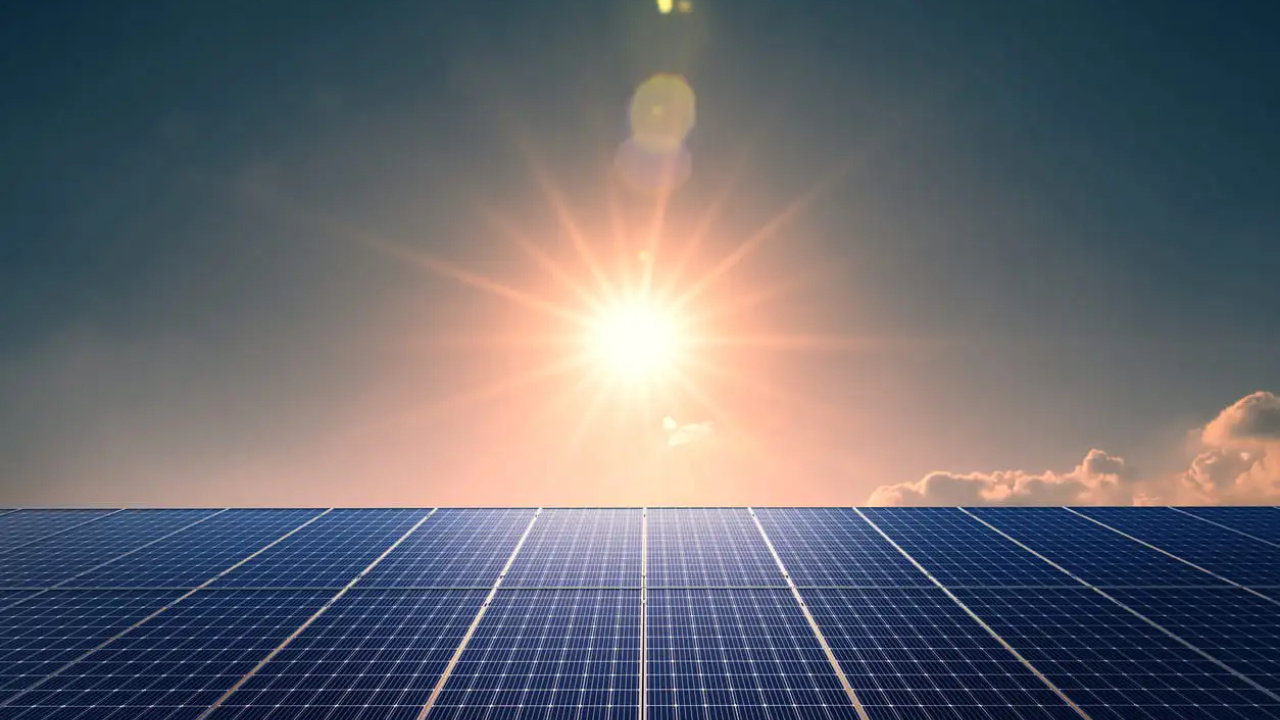
Theoretical Study Led by Brazilian Researcher Suggests That Sunlight Can Generate More Useful Energy by Behaving Like a Fluid, Expanding Applications in Solar Cells and Optical Devices.
The possibility of extracting more useful energy from sunlight has returned to the center of scientific debate after a theoretical discovery led by a Brazilian researcher. The study was developed by Luísa Toledo Tude in collaboration with colleagues from Trinity College Dublin in Ireland, and it proposes a new way of understanding the behavior of light in microscopic environments.
The research aims to answer one of the oldest challenges in science: how to transform heat into useful energy. Although, for now, the results are theoretical, the group is already working on plans to validate the model in the laboratory.
If tests confirm the predictions, the discovery could influence the development of new devices capable of capturing and better reusing energy from sunlight, lamps, and even LEDs.
-
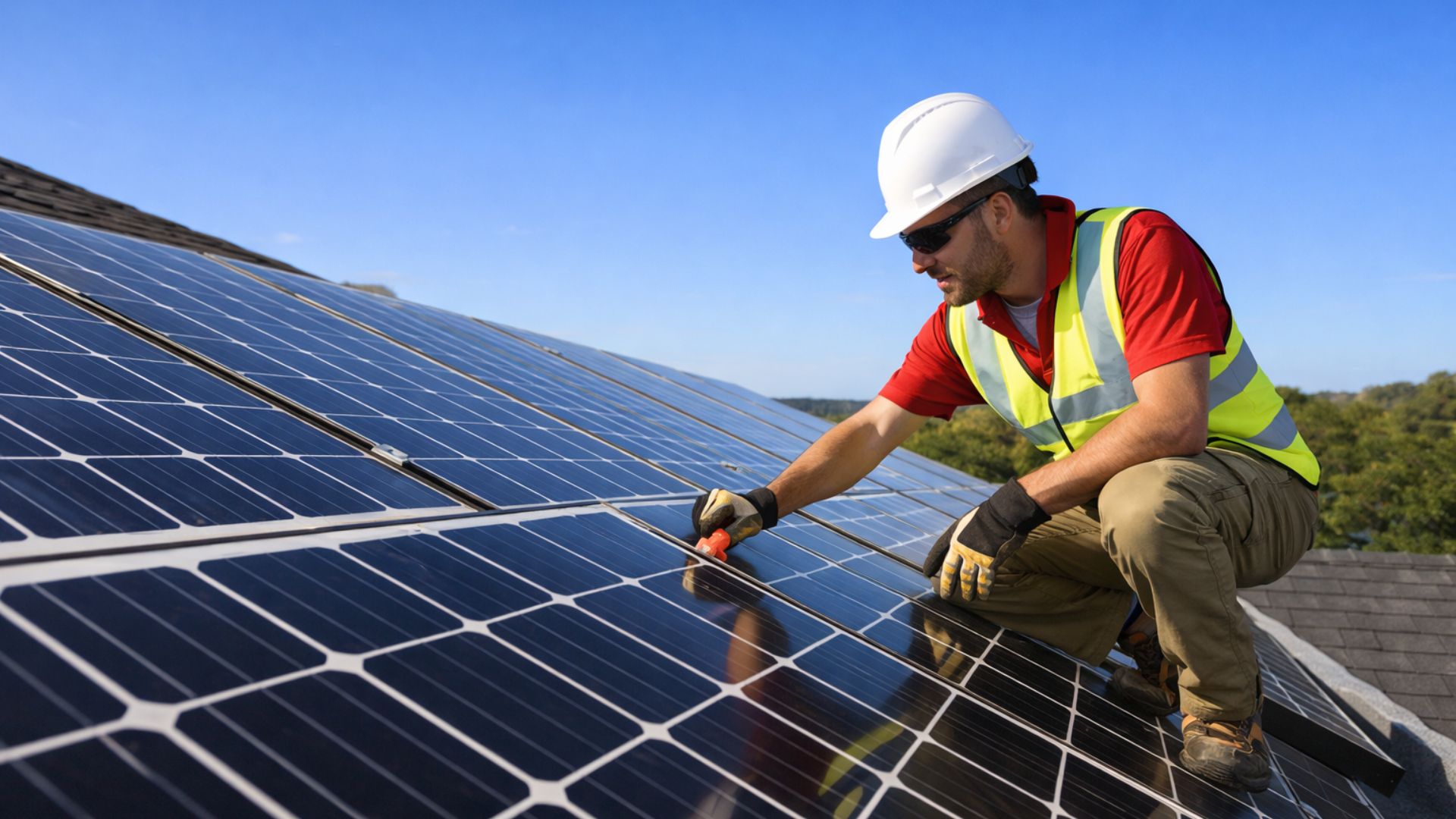
Seagri’s headquarters invests in solar energy with Neoenergia Coelba and promises to cut electricity costs, highlighting a strategic advance in sustainability and energy efficiency within state public administration.
-
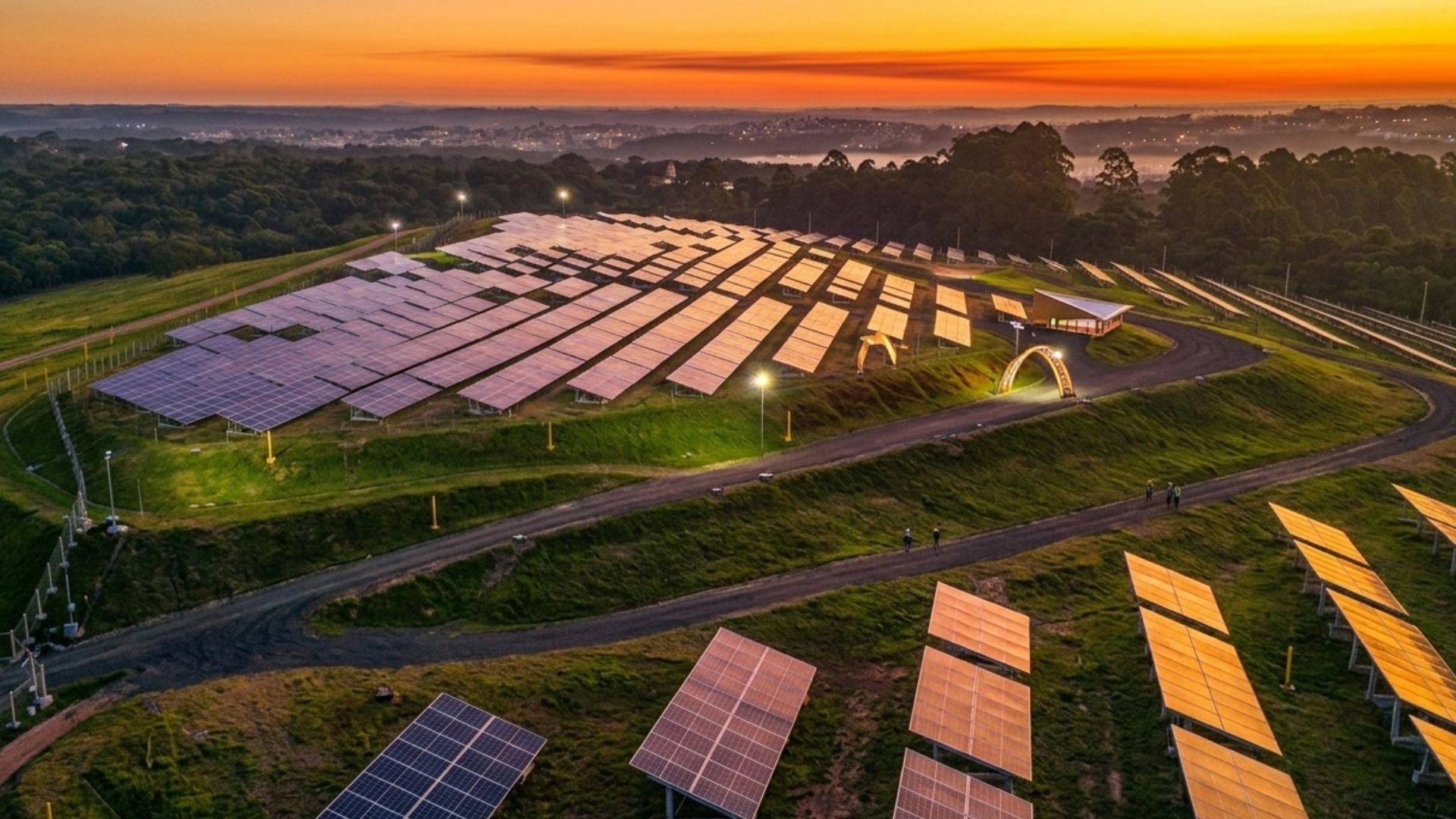
Solar Pyramid draws attention by converting solar energy into million-dollar savings and repositioning the City Hall of Curitiba as an example of innovation, sustainability, and intelligent use of public resources.
-
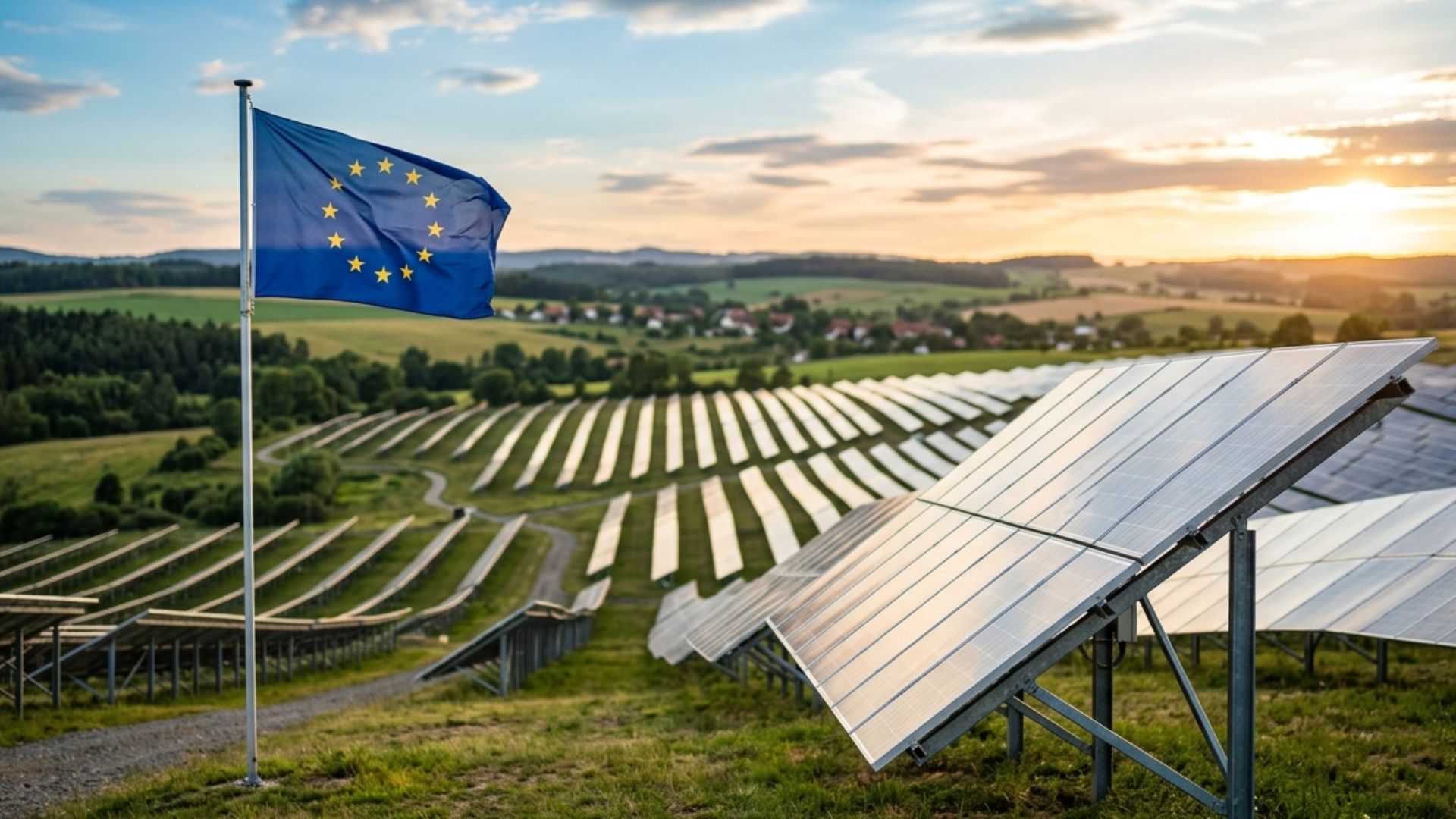
Europe records strong euro economy with solar energy in March and sparks curiosity about which country leads growth that redefines the energy market and reduces costs.
-
Piauí reaches a historic milestone in energy transition: State records nearly 160,000 households powered by solar energy and leads growth in the Northeast.

Photon Condensation Could Enhance Light Utilization
The central point of the research is the collective behavior of photons, the particles that make up light. When trapped in extremely small volumes, these photons cease to behave independently. In this scenario, they begin to act like particles of a fluid, in a process described as a kind of “liquefaction” of light.
This phenomenon concentrates light energy into a small, intense beam of a single very pure color, with characteristics similar to those of a laser. The result is the formation of a light-matter fluid, also known as liquid light.
Until now, this type of condensation, known as Bose-Einstein condensate, had only been observed in experiments using high-energy lasers. The novelty of the study lies in the possibility of achieving the same effect using diffuse sources, such as sunlight.

Integration with Solar Cells Could Enhance Energy Efficiency
According to Luísa Toledo Tude, the main focus of these optical devices would be the generation of energy considered “useful.” “The main goal of such optical devices would be to produce ‘useful’ energy,” the researcher explained, “which would manifest as light similar to that of a laser. Relatively speaking, this energy is easy to convert into other forms, and any application would involve that process.”
She adds that one of the most promising applications would be integrating this technology with solar cells. “For example, it would be possible to combine such a device with solar cells to increase the amount of electrical energy captured from sunlight.”
This possibility is especially relevant in a global context of seeking more efficient and sustainable renewable sources.
Next Step Will Be Laboratory Validation
Despite the potential of the discovery, researchers emphasize the need for caution. The next step will be to test the theory under controlled laboratory conditions to verify whether the predicted effects can be experimentally reproduced.
“Since the next step is to test the theory in a laboratory setting, we must be cautious not to speculate too much at this moment, but it is clear that it is exciting to think that this work could one day help us increase the amount of useful energy we can capture from light sources and then use it to power the millions of devices that need it,” concluded the Brazilian researcher.
While the tests are not conducted, the study already reinforces the role of Brazilian science in cutting-edge research and points to new paths for enhancing the use of sunlight as a strategic energy source.








Seja o primeiro a reagir!