





 Portuguese
  English
  Spanish
  4 min of reading
  13 comments


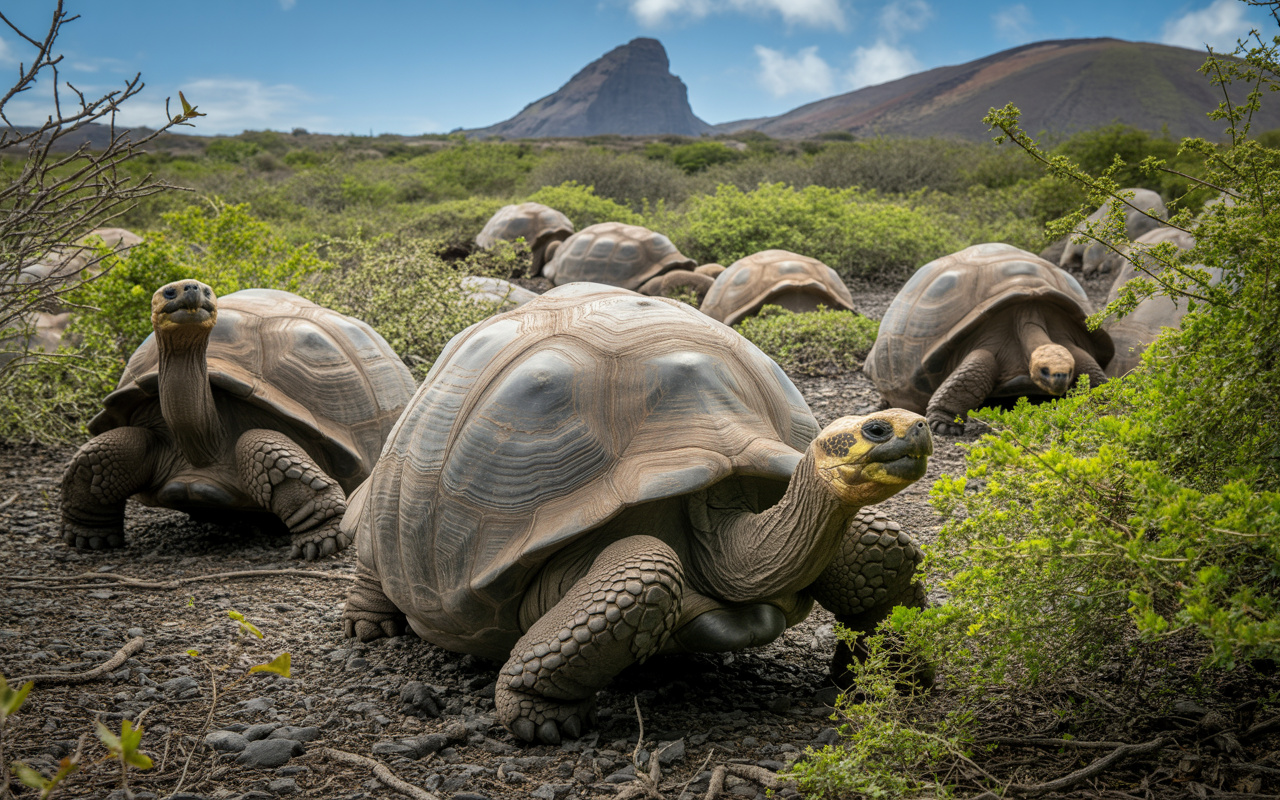


More Than 1,500 Giant Tortoises Reintroduced in Galapagos Knock Down Shrubs, Spread Seeds, and Reactivate Ecosystem Processes Paralyzed for 150 Years.
The Galapagos Islands, in the equatorial Pacific, may be one of the planet’s best natural laboratories for evolution. The landscape that inspired Darwin in the 19th century still holds species that only exist there, but what many people don’t know is that these islands underwent a silent ecological rupture when their giant tortoises nearly disappeared.
From animals that shaped entire ecosystems, they became almost a biological memory. Between the early 19th century and the mid-20th century, hunting to supply whaling ships, capture for food, and the introduction of goats and pigs decimated dozens of populations. In some islands, no tortoises remained.
The result was devastating: without these large herbivores, the vegetation changed, invasive species spread, soil dynamics altered, and essential ecological processes — such as seed dispersal of native trees — were virtually paralyzed.
-
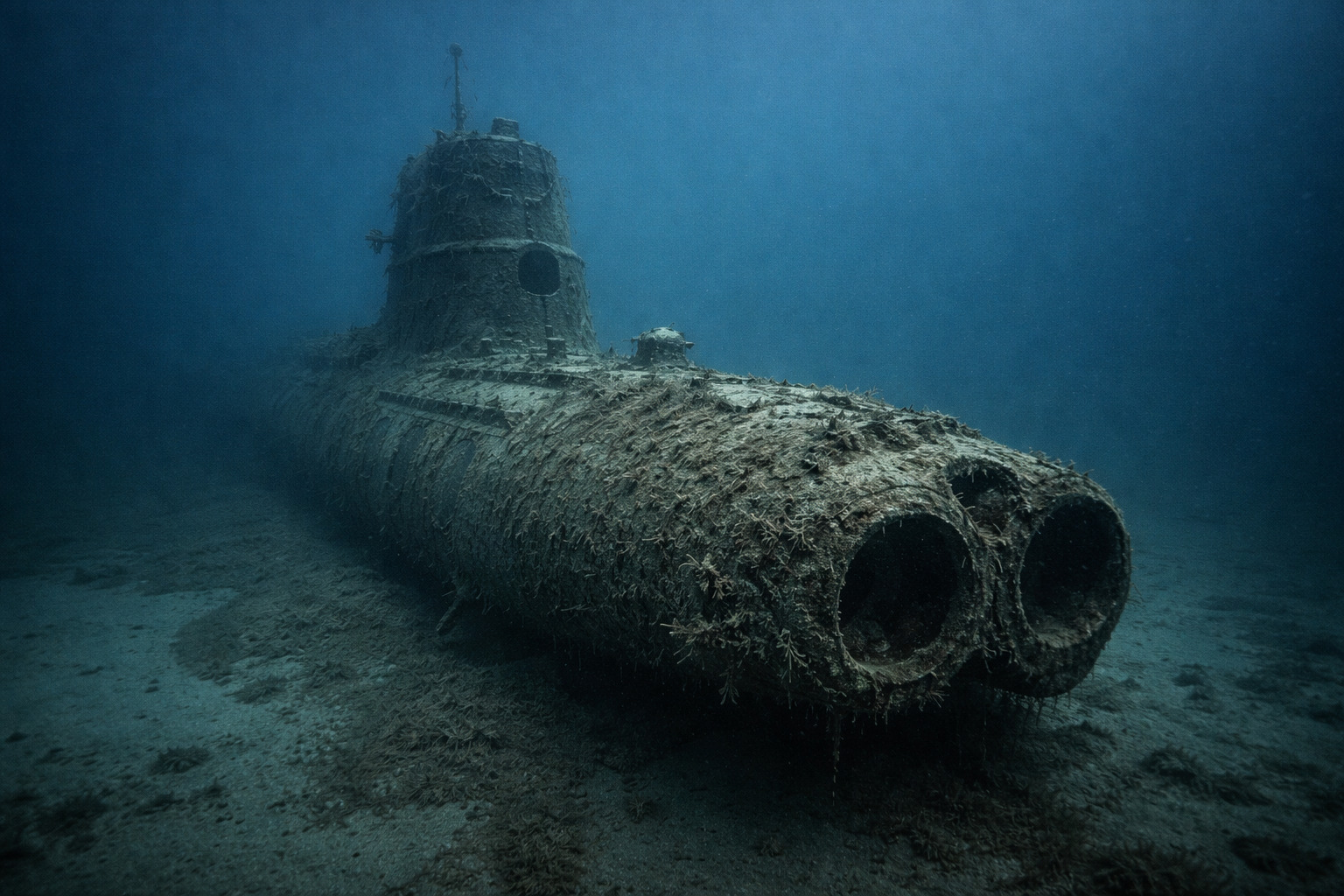
French “ghost” submarine lost in World War II reappears after more than 80 years on the seabed near the coast of Spain.
-
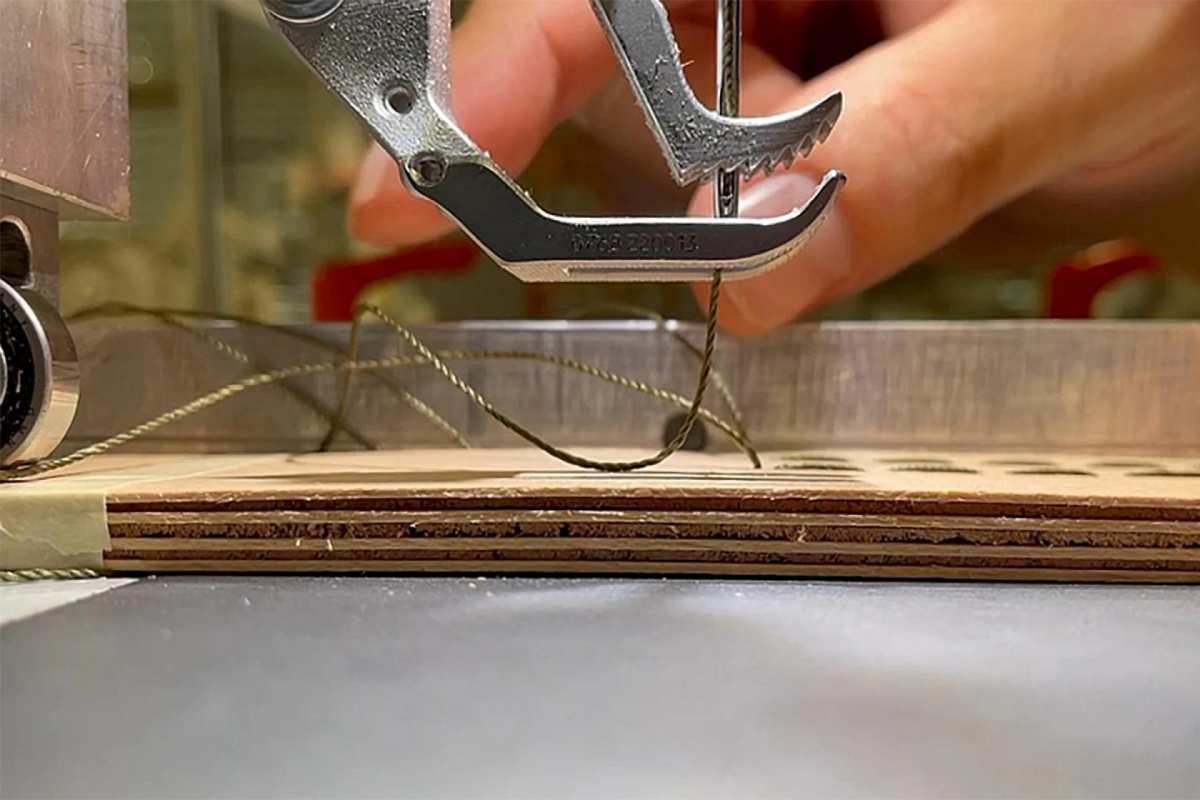
A simple stitch in wood with nylon thread can reduce adhesives, speed up production, and make sheets up to 4 times stronger and 14 times more difficult to break.
-
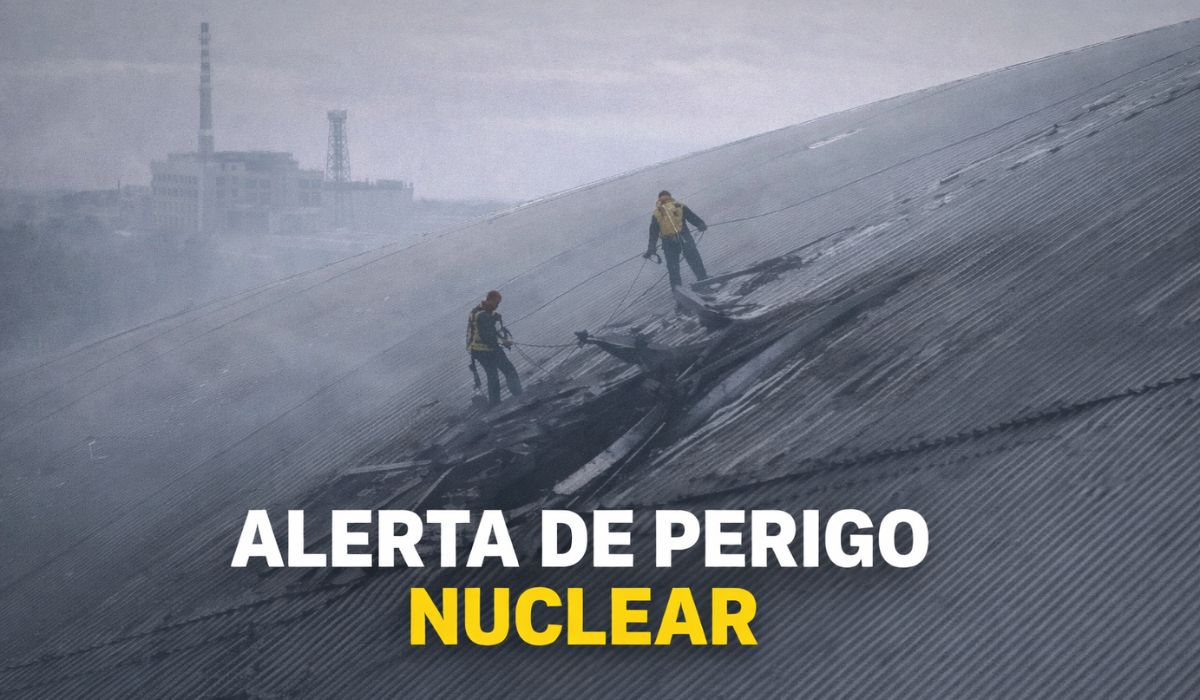
The gigantic steel shell built to contain Chernobyl for a century has been pierced by a drone, exposing a critical system and creating a hole that could cost over 500 million euros to repair.
-
Brazilian Navy reaches a new level by taking over an airport with a 1,600-meter runway used by 1,800 military personnel and autonomous attack drone testing.

The scenario began to change at the end of the 20th century.
Mass Reintroduction and Ecological Reconstruction
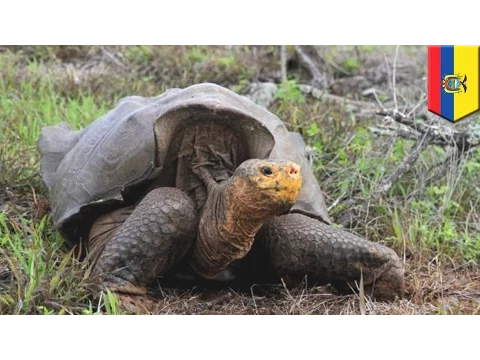

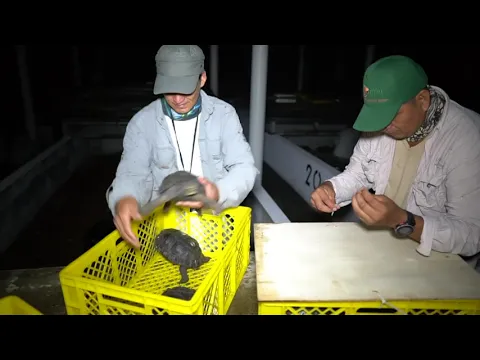
Between 1990 and 2020, initiatives led by the Galapagos National Park and the Galapagos Conservancy reintroduced more than 1,500 giant tortoises from different lineages to islands such as Española, Santa Fé, Santa Cruz, and Pinzón. Most were born in captivity from remaining matrices or rescued hybrids.
But the impact was not only population-based; it was ecological. Three main effects began to attract researchers’ attention:
They Returned to Knock Down and Control Invasive Shrubs
Tortoises are herbivores with a physical impact. By eating low vegetation, opening trails, and knocking down shrubs, they:
- reduce the dominance of invasive plants
- prevent the thickening of scrublands
- keep corridors open for other species
On islands like Española, where shrubs like Opuntia and grasses competed with natives, tortoises restored a more open landscape, bringing the environment closer to what Darwin observed in the 19th century.
This mechanism, similar to that of savanna elephants compressing shrubs in Africa, simply no longer existed without them.
They Reactivated the Dispersal of Native Seeds
Tortoises are large frugivorous dispersers. Species like Opuntia, Piscidia carthagenensis, and Scalesia depend on robust animals to carry their seeds over long distances.
Field research showed that tortoises:
- swallow whole fruits
- carry seeds for up to 3-5 km
- defecate with natural fertilizer
- increase germination in fertile soil
In Santa Cruz, for example, native seedlings began to appear again in areas where they had not been seen for decades — a clear sign that the ecological cycle was being reconnected.
They Accelerated the Regeneration of Entire Ecosystems
The combined effect of herbivory + dispersal + opening of the environment made tortoises ecological engineers, a category reserved for few animals like beavers, elephants, and woodpeckers.
Just as beavers build dams and create wetlands, tortoises:
- modify plant structure
- create micro-habitats for small vertebrates
- alter the microclimate (more exposed soil, more sun, more heat)
- facilitate the expansion of fast-growing native plants
- reduce competition with invasive species
In some islands, areas previously dominated by dense scrub have become mosaics of clearings, fields, and mixed vegetation, a type of heterogeneity essential for endemic birds, insects, and reptiles.
Why This Reintroduction is Considered Historic
The recovery of Galapagos tortoises has four elements that intrigue ecologists around the world:
Scale
– Over 1,500 individuals reintroduced
– Representing various lineages and different islands
Time
– Reversal of a collapse that lasted more than 150 years
Ecological Effect
– Restoration of physical, chemical, and biological processes
Scientific Value
– Tortoises act as “keystone species”; without them, the ecosystem functions worse
The case has become a global reference in rewilding, an ecological strategy that aims to recover functions, not just animals.
Before and After: What Changed in the Ecological Balance
To grasp the extent of the change, it is worth comparing four metrics used in recent studies:
| Indicator | Situation with Few Tortoises | Situation After Reintroduction |
|---|---|---|
| Shrub Cover | High and Dense | Reduced and Spaced |
| Regeneration of Natives | Almost Null | Consistent and Growing |
| Seed Dispersal | Limited | Active Over Long Distances |
| Bird Diversity | Stagnant | Increase in Open Areas |
None of these indicators improved spontaneously; they only changed when the right herbivore returned to the system.
Why This Type of Story is Important?
Many environmental solutions discussed today involve machines, complex chemistry, and giant works. But Galapagos tells a reverse story: sometimes, restoring an ecosystem means returning an animal — not building a treatment plant or a canal. There is a strategic sense in this:
- tortoises do not require fuel
- do not depend on electricity
- do not corrode, do not break, do not require parts
- operate 24 hours a day
- last more than 100 years
In other words, they are living ecological infrastructures. That is precisely why similar projects are being evaluated with other “engineering” animals, such as:
- beavers (hydrology)
- bison (grazing and carbon)
- elephants (savannas)
- camels (deserts)
And Galapagos has become a scientific model, not just a tourist destination.





Vivo en punilla córdoba y me dicen que hay tortugas pero en los 5 meses que vivo acá no vi ninguna. Lo que si abunda es la vegetación a tal punto que muchos senderos son tapados por las plantas y otros están a oscuras durante el día. Otro **** que prácticamente desapareció y además en peligro de extinción es el aguara guazu ( una especie de zorro muy grande). Hoy están pidiendo que se. Cuide a los sapos porque controlan la proliferación de mosquitos e insectos por acá. En mi casa (espacio verde muy grande) solo hay dos y se dejan ver cuando la humedad aumenta, unos veinte años atrás en córdoba cuando estaba por llover aparecían más de 20 sapos en espacios verdes pequeños. Estamos desplazando a las especies y alterando el equilibrio del ecosistema.
Impresionante! Hace poco estuve en Galápagos y me llamó mucho la atención el celo profesional de las personas encargadas del control de todas las leyes y ordenanzas de proteción ambiental. Muy bien por ello
Hermosa noticia, cuidar el planeta y sus seres vivos!🐢