





 Portuguese
  English
  Spanish
  5 min of reading
  0 comments


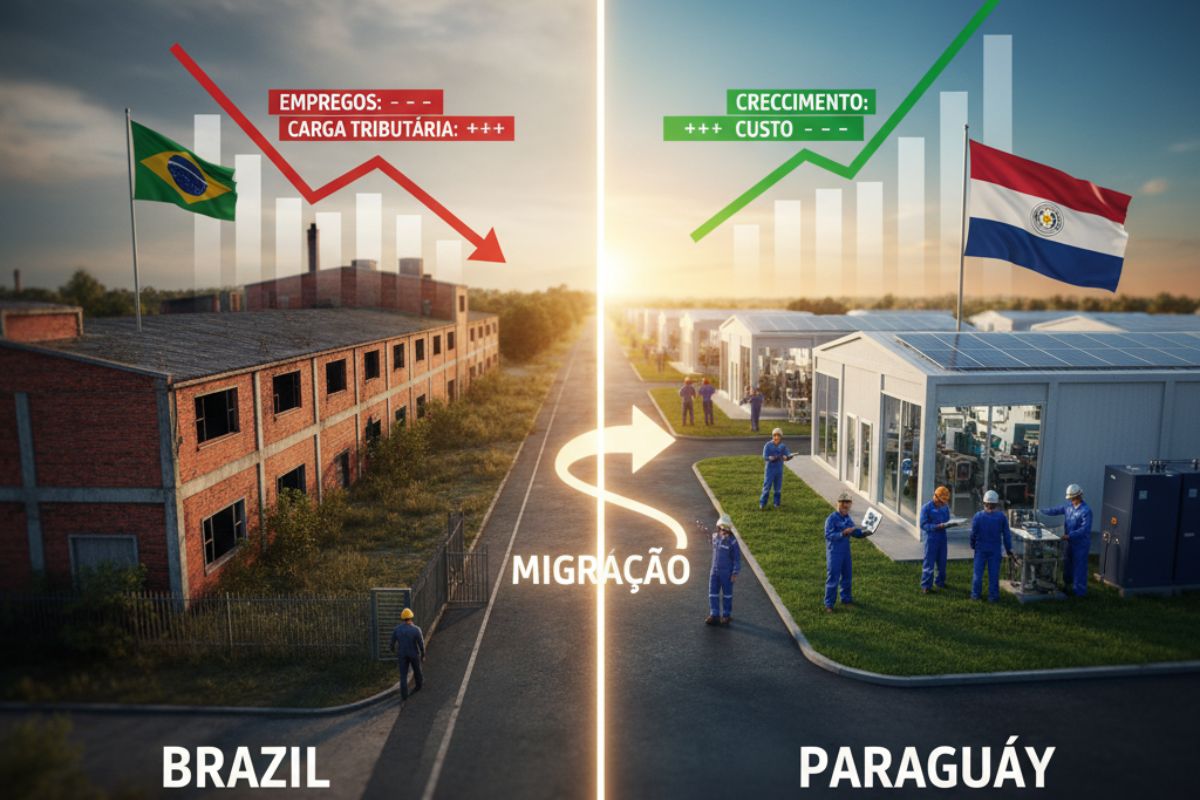
Fiscal Incentives And Lower Costs Have Led Brazilian Companies To Install Production Stages In Paraguay, Boosting Exports And Jobs In The Maquila Regime And Repositioning The Border As A Strategic Area For Industrial Chains Focused On Mercosur.
More Than 200 Brazilian Industries Crossed The Border And Opened Operations In Paraguay, According To Reports And Surveys Cited By Local Entities And Authorities.
According To Information From Band, The Movement Concentrates Especially In The Ciudad Del Este Region, In The Alto Paraná Department, And Occurs Amid The Growth Of The Paraguayan Industrial Park, Historically More Associated With Trade And Agribusiness.
At The Center Of This Decision Is The Maquila Law, A Regime That Provides Incentives For Export-Oriented Production.
-
Middle East War Hits Fertilizers and Transportation and May Strain Brazilian Wallets
-
Russia Considers Suspending Gas to Europe After Surge in Energy Prices
-
How A War Thousands of Miles From Brazil Started Disrupting Global Shipping Routes, Raising Container Costs, and Putting Up to 40% of Brazilian Beef Exports at Risk
-
Iran-U.S. War Drives Up Oil Prices and Pressures Global Financial Markets
The Legislation Allows For The Temporary Admission Of Raw Materials, Inputs, And Machinery With Suspension Of Customs Duties And Establishes A Single Tax Of 1% At The Final Stage, According To The Program’s Rules.
Maquila Law: How The 1% Tax Works In Paraguay
Under The Institutional Framework Of The Regime, Companies Can Operate In Paraguay Through A Local Maquiladora Or Install Their Own Unit In The Country To Execute Production, Assembly, Or Transformation Stages Destined For The Foreign Market.
The System Is Based On The Importation Of Components And Equipment Under Specific Conditions, Linked To The Commitment To Export The Final Product.
The Central Charge Of The Model Is The Single Tax Of 1%.
According To The Description From The Paraguayan Government, It Incurs On The Higher Value Between The Service Invoice Issued By The Maquiladora To The Parent Company Abroad And The Export Invoice When The Sale Is Made Directly To The End Customer On Behalf Of The Parent Company.
Maquila Exports: Records And Official Data From Paraguay
Official Data From The Paraguayan Ministry Of Industry And Commerce Indicates That Exports Under The Maquila Regime Grew And Set Recent Records.
In 2024, The Export Volume Totaled US$ 1.109 Billion, A Figure Presented By The Government As The Highest Recorded So Far.
In 2025, The Ministry Reported That The Annual Accumulated Amount Reached US$ 1.309 Billion, Setting A New Historical Record.
The Statistics Released By Paraguay Also Indicate That Brazil Appears As The Main Destination For Exports Under The Regime In Recent Reports, Alongside Other Regional Markets.
Cost And Taxation: Why Brazilian Companies Produce In Paraguay
The Difference In Tax And Operational Costs Is The Most Cited Point By Companies That Decide To Transfer Production Stages.
In Brazil, The Importation Of Certain Inputs May Face High Tariffs And A Longer Chain Of Accessory Obligations, While The Paraguayan Regime Concentrates Taxation In The Single Tax And Reduces Charges When Inputs Are Introduced, Within The Established Conditions.
Reports On The Subject Often Highlight The Savings In Importation As A Deciding Factor.
One Case Cited In Such Reporting Involves The Purchase Of Asian Polyester For The Manufacture Of Strapping Tapes, Comparing The Tax Burden Applied In Brazil With The Zero Tax Incidence On Imports Under The Paraguayan Regime, Before The Collection Of The Single Tax Upon Export.
In Practice, The Final Impact Depends On The Sector, The Design Of The Operation, And The Framing In The Program.
Instead Of An Automatic Deduction Across The Entire Chain, The Regime Provides Benefits At Specific Stages, Especially In The Importation Of Machines And Raw Materials, And In The Form Of Taxation Of The Exported Product.
“Brazil Cost,” Labor Costs, And Labor Laws In Comparison
In Addition To Taxes, Businessmen Interviewed In Reports Attribute The Decision To Bureaucracy And Administrative Costs In Brazil, Often Summarized In The Expression “Brazil Cost.”
In Such Reports, The Argument Is That Regulatory And Tax Complexity Weighs On The Margin And The Predictability Of The Business, Which Encourages Alternatives In Neighboring Countries.
The Theme Also Involves Labor Laws And Labor Costs, Cited By Investors As Part Of The Comparison Between The Two Business Environments.
The Institutional Material From Paraguay Describes That Activities Under The Maquila Regime Fall Under The Local Labor Code And That The Implementation Of The Program Is Monitored By The CNIME, The Agency Responsible For Supervising The System.
According To Paraguayan Official Statistics, In 2024 There Were 29,956 Jobs Linked To Maquiladora Industries, An Increase Compared To The Previous Year, Based On Records From The Social Security Institute.
This Data Is Presenting As An Indicator Of The Expansion Of The Regime In The Country.
Mercosur And Rules Of Origin In The Industrial Strategy At The Border
The Destination Of The Production Helps Explain The Attractiveness Of The Model For Groups Based In Brazil.
In Many Cases, The Company Maintains The Brazilian Consumer Market As The Main Reference, But Shifts Part Of The Industrial Process To Paraguay And Exports The Production Back To Brazil Or To Other Countries.
In This Flow, The Rules Of Mercosur Come Into Play, Especially Requirements Related To Proof Of Origin For Access To Tariff Preferences In Intra-Block Trade.
Reports And Analyses Of Industrial Migration Point Out That Certificates And Technical Requirements Can Influence The Way The Product Returns To The Brazilian Market, Depending On Compliance With Applicable Rules.
The Distribution Of Industrial Plants Also Appears In Official Records.
In 2024, The Paraguayan Government Indicated A Concentration Of Companies With Approved Programs In Departments Such As Alto Paraná, Central, Capital, And Amambay, Highlighting Alto Paraná, Where Ciudad Del Este Is Located.
Industry At The Friendship Bridge And Reorganization Of Productive Chains
For Paraguay, The Numbers Released By The Government Indicate An Expansion Of The Industrial Export Agenda And Greater Participation Of The Regime In The Local Industry.
In 2024, The Ministry Of Industry And Commerce Estimated That Maquilas Were Responsible For 66% Of Paraguayan Exports Of Industrial Origin Manufactured Products.
On The Brazilian Side, The Phenomenon Is Described In Reports As A Reorganization Of Productive Chains At The Border.
Sectors Such As Textiles, Plastics, Auto Parts, And Consumer Goods Frequently Appear In Articles Discussing Migration, Associated With The Search For Cost Reduction And Greater Tax Predictability In Operations.








-

-

-

-

-

-

73 pessoas reagiram a isso.