





 Portuguese
  English
  Spanish
  2 min of reading
  0 comments


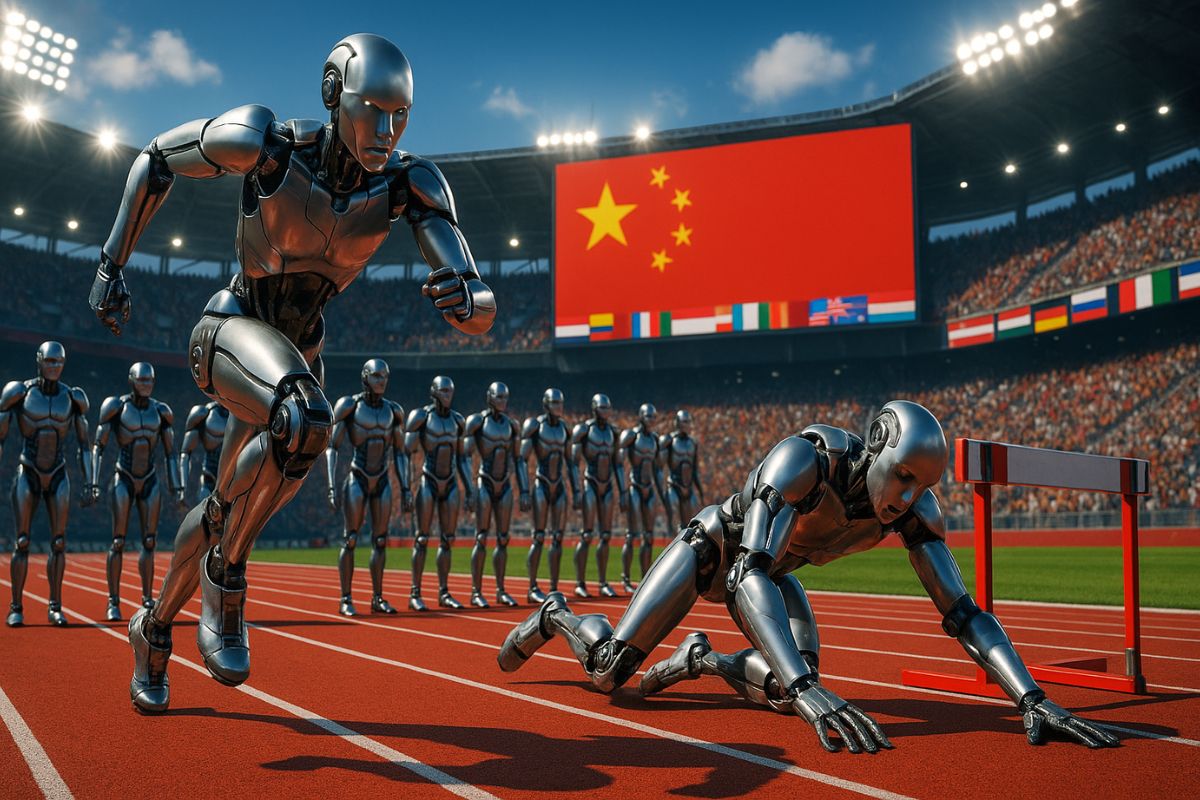
Beijing Debuts Humanoid Robot Olympics. First Edition Brings Together Over 500 Mechanical Competitors From 16 Countries, With Events Ranging From Athletics to Kung Fu
The Humanoid Robot Olympics began this Friday in Beijing, marking a historic moment for global robotics. Held at the National Speed Skating Oval, built for the 2022 Winter Olympic Games, the event brings together over 500 robots from 16 countries in competitions that mix traditional sports and technical tasks. Events range from hurdle races and soccer matches to specialized activities like sorting medications and cleaning environments.
According to information from Globo 100, the Chinese government considers humanoids a national strategic priority, integrating the robotics and artificial intelligence sector into its long-term investment plan. The goal is to place China at the global forefront of this segment in the coming decades.
How the Humanoid Robot Olympics Works
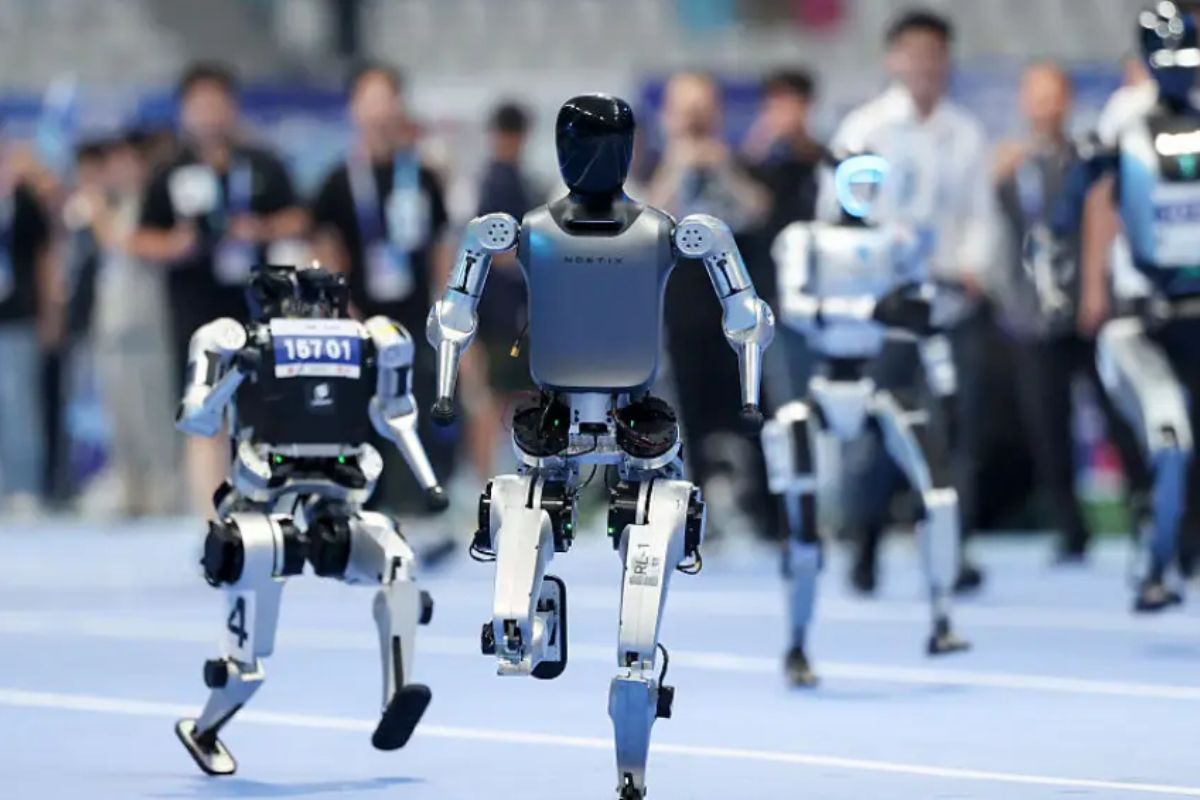
The tournament is the world’s first dedicated exclusively to machines with human-like appearance and movements. There are athletics events, such as the 100 and 1,500-meter races, as well as team sports like basketball and 3×3 soccer. In some modalities, the performance is impressive; in others, the mechanics still limit speed and precision.
-
Motorola launched the Signature with a gold seal from DxOMark, tying with the iPhone 17 Pro in camera performance, Snapdragon 8 Gen 5 that surpassed 3 million in benchmarks, and a zoom that impresses even at night.

-
Satellites reveal beneath the Sahara a giant river buried for thousands of kilometers: study shows that the largest hot desert on the planet was once traversed by a river system comparable to the largest on Earth.

-
Scientists have captured something never seen in space: newly born stars are creating gigantic rings of light a thousand times larger than the distance between the Earth and the Sun, and this changes everything we knew about stellar birth.

-
Geologists find traces of a continent that disappeared 155 million years ago after separating from Australia and reveal that it did not sink, but broke into fragments scattered across Southeast Asia.

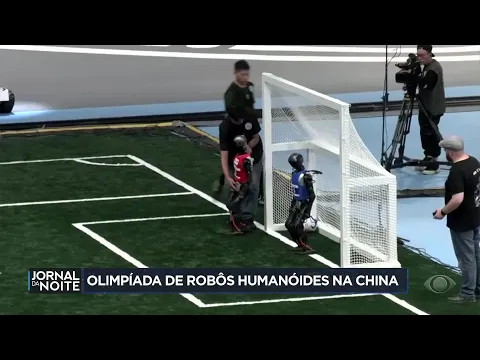
In the 1,500-meter race, for example, the fastest robot finished in 6 minutes and 29 seconds, time well above the human record, but considered a relevant advance by the industry. In soccer, child-sized robots demonstrated basic coordination but with falls and slow movements.
Strategic and Economic Importance

The Olympics reinforce China’s status as a technological powerhouse: the country already holds the largest industrial robot market in the world and, since March, has announced billion-dollar investments in robotics and AI startups. Events like these serve as a technological showcase and attract investors and companies interested in partnerships.
Experts emphasize that, despite current limitations, the annual advancement of humanoid robotics is exponential. In about 10 years, it is expected that the coordination and capability of these machines will approach those of humans, expanding their use in industries, services, and even in recreational sports.
What to Expect for the Future
The International Federation of Robotics closely monitors the performance and evolution of these technologies. Beyond the sporting spectacle, the competition serves as a laboratory for developing movement software, mechanical resistance, and human-robot interaction.
If the goal is to turn humanoid robots into allies of everyday life, events like this Olympics are crucial to accelerating innovation, testing limits, and inspiring new commercial and social applications.
And you? Do you believe humanoid robots will compete on equal terms with humans in less than a decade? Or do you think technology is still far from that? Leave your opinion in the comments.







-

-

-

-

-

-

42 pessoas reagiram a isso.