





 Portuguese
  English
  Spanish
  3 min of reading
  0 comments


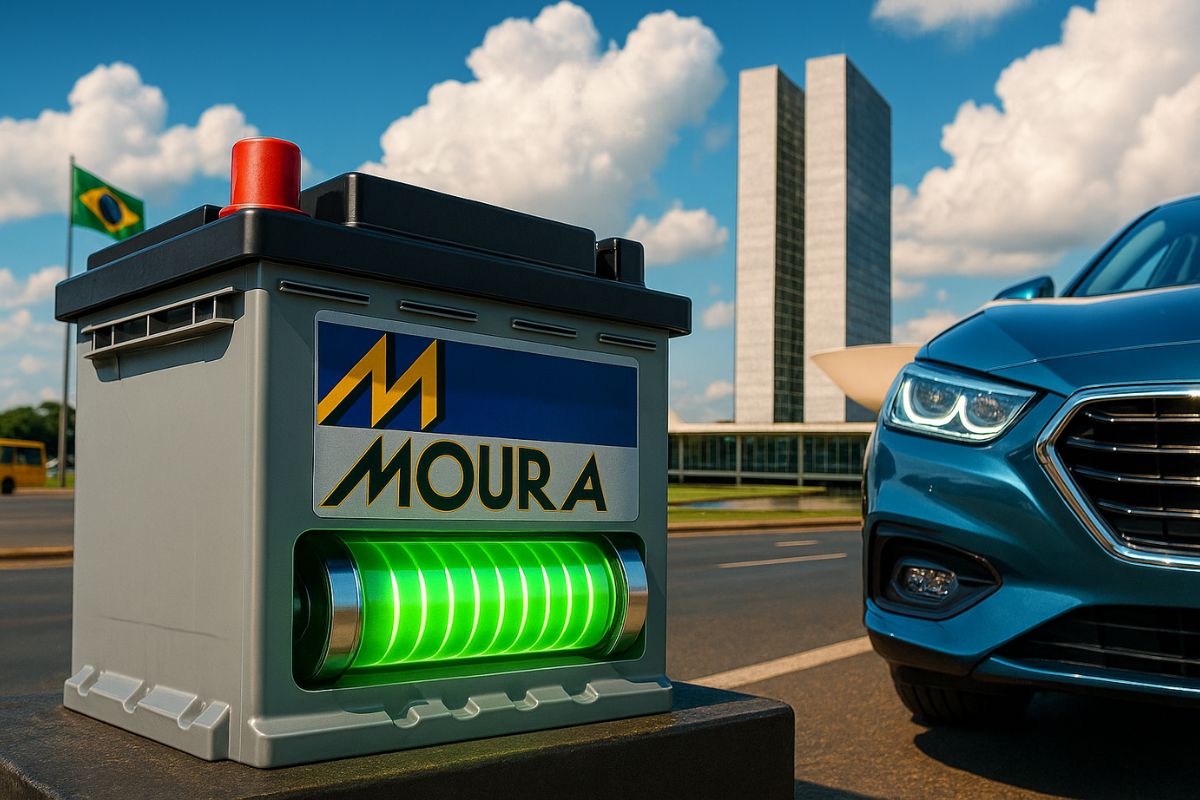
Manufacturer Seeks to Transform Its Lead Dominance into Leadership in the Battery Market in Brazil
With a market increasingly focused on battery technologies in Brazil related to lithium, the company from Pernambuco bets on innovation, a new factory, and proprietary technology to compete with international giants and maintain its name as a synonym for automotive energy.
Baterias Moura, an absolute leader in the automotive segment, equips six out of ten vehicles in the country. This historical dominance, based on the traditional lead battery, now faces an unprecedented challenge: the global energy transition and the rise of electric vehicles.
From Leader in Lead to the Challenge of Lithium
Founded in 1957 in Belo Jardim (PE), Moura grew alongside the Brazilian automotive industry. What started as a family business in a backyard became an operation with seven factories, international presence, and an annual revenue exceeding R$ 2 billion.
-
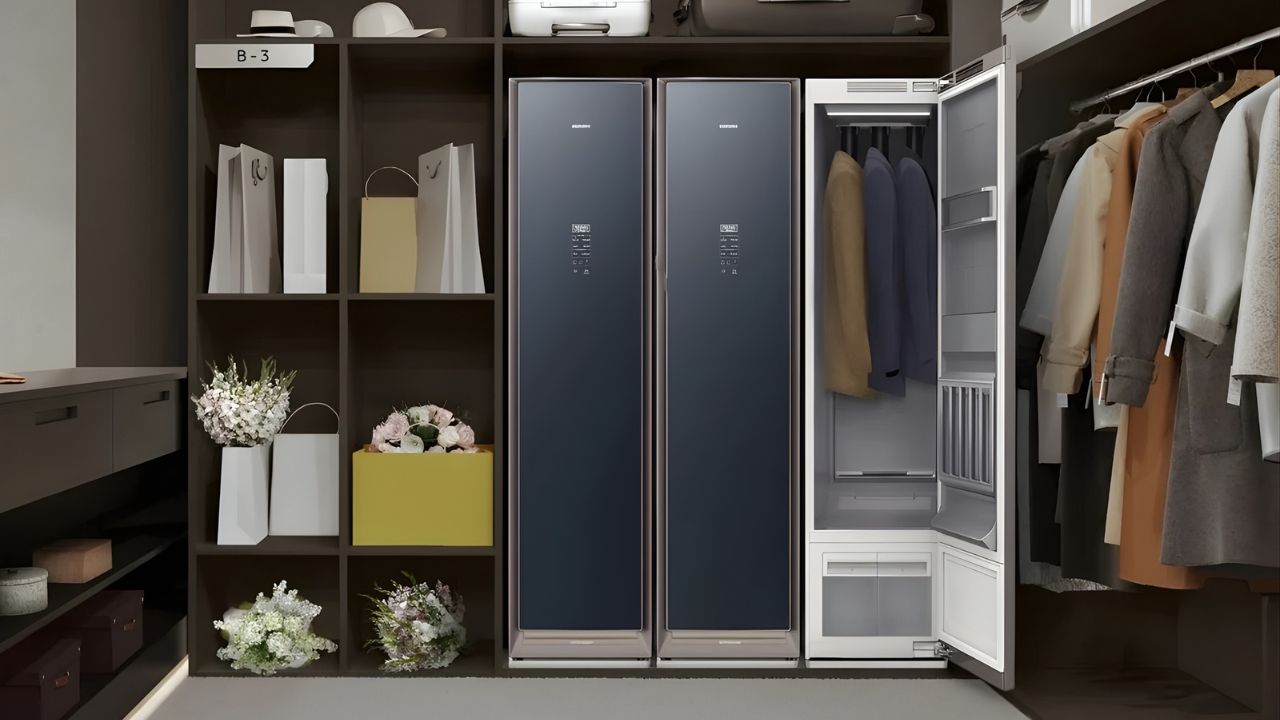
Goodbye clothes with odors from use: Samsung’s device uses high-temperature steam, eliminating up to 99.9% of bacteria, removing dust mites, and neutralizing odors directly in the wardrobe without the need for washing.
-
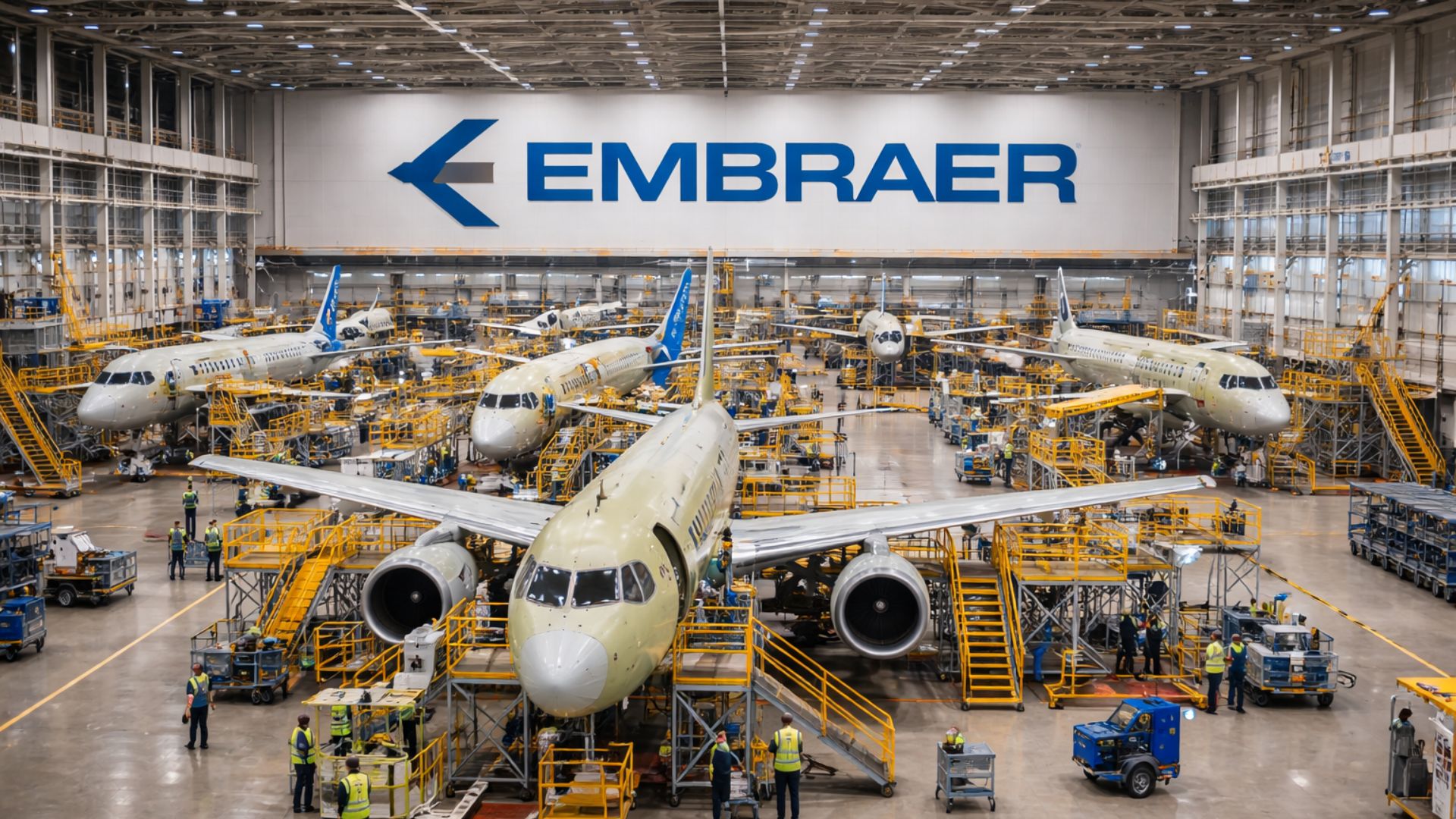
Embraer arrives in Mexico with 7 new E190-E2s in 2026, after 5 jets have already been delivered, while Mexicana surpasses 1 million passengers, plans a fleet of 20 aircraft, and expands strategic routes across the country.
-
China is not joking around and is secretly expanding its nuclear weapons infrastructure: a giant dome the size of 13 city blocks, 600 warheads, destroyed villages, and a modernized military network in record time in China, says CNN.

-
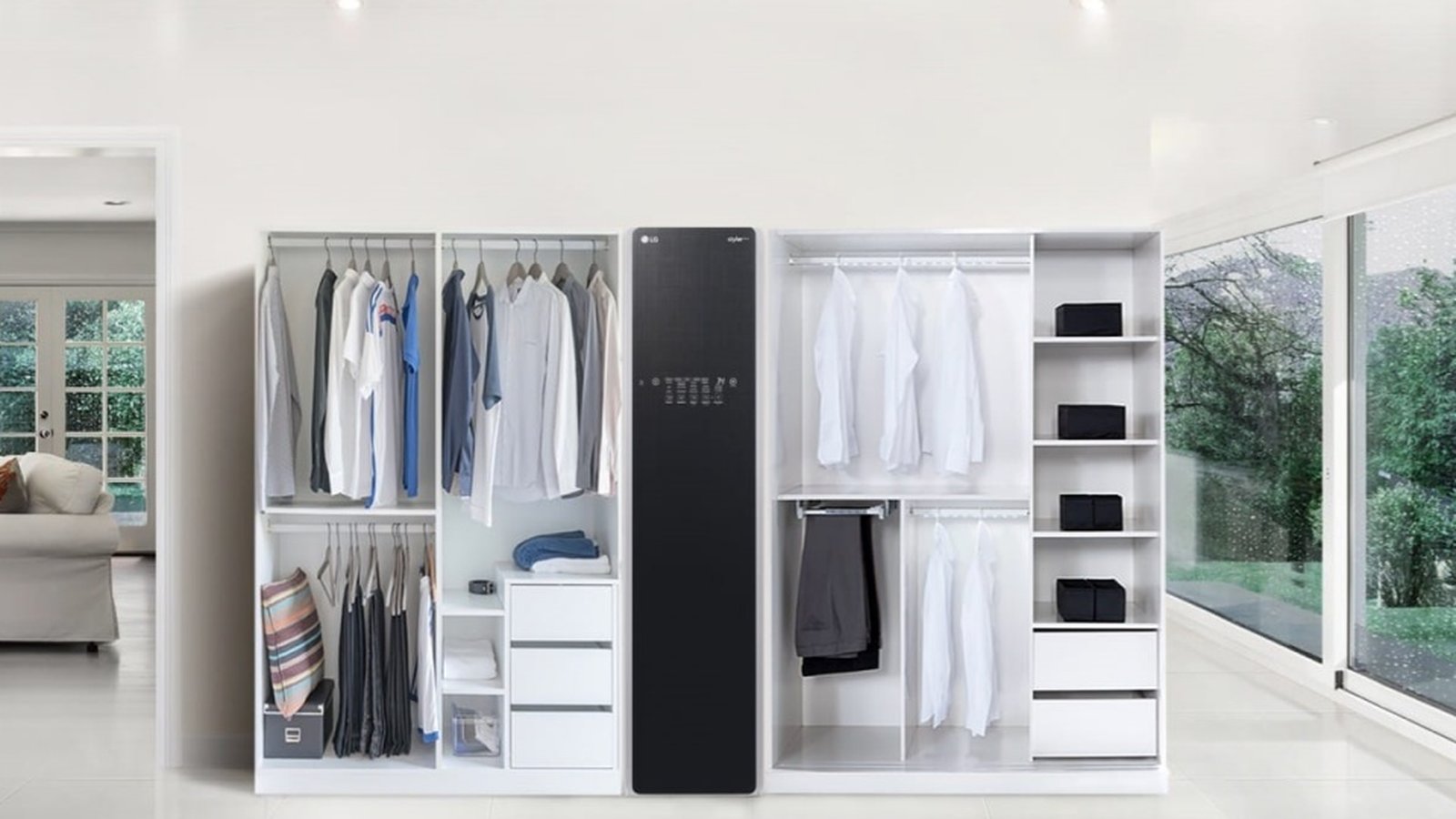
Goodbye iron and wrinkled clothes: LG’s smart wardrobe uses TrueSteam vapor, hangers that vibrate up to 180 times per minute, and cycles of 20 to 30 minutes to remove odors and reduce wrinkles without washing.

For decades, the business model relied on the internal combustion market, but the advancement of electric and hybrid cars necessitates a repositioning. Although these vehicles still use lead batteries for secondary functions, the essential component is the lithium battery responsible for storing all traction energy.
The Moura 2030 Project
To avoid losing ground, Moura launched its first lithium batteries in April 2025, aimed at light hybrids—models that don’t charge from a plug and use the electric motor as support for the combustion engine.
This is the first phase of a more ambitious plan: to develop batteries for plug-in hybrids and pure electric vehicles, which require much greater capacity.
The so-called Moura 2030 project aims to create national technology capable of competing with Chinese and American multinationals.
In addition to the automotive sector, the company wants to expand its operations into energy storage solutions, taking advantage of the growing demand for systems that store electricity generated from solar and wind sources.
Storing Sun and Wind: A New Market
Lithium batteries will not only serve vehicles. Moura plans to expand into the energy as a service sector, offering infrastructure, installation, and customized management for businesses. The goal is to enable the continuous use of renewable energy, even during periods without sun or wind.
The customer will pay only for the contracted package, while Moura will handle the operation and maintenance. This strategy diversifies revenue and positions the brand in a segment that is growing globally, driven by the search for clean and stable sources.
Historical Parallels and the New Race
The transition that Moura faces today bears similarities to its origins. In the 1950s, the Brazilian automotive market was taking its first steps, and the company positioned itself to meet the emerging demand. Now, history repeats itself: a nascent sector of electric vehicles offers the opportunity to occupy space from the beginning.
The difference is that this time, the competition is global and the technological barrier is higher. Back then, it was enough to expand production in the backyard; today, the competition involves innovation, complex supply chains, and international standards of performance and safety.
Do you believe that Moura will be able to replicate in the lithium market the success it built with lead? Or will international competition be a challenging obstacle to overcome? Leave your opinion in the comments and join the debate.








-

Uma pessoa reagiu a isso.