





 Portuguese
  English
  Spanish
  4 min of reading
  0 comments


Ceramic Piece Crosses Centuries, Connects Royalty and Popular Culture, and Keeps Alive an Ancestral Technique That Still Impresses the Modern World

A simple bowl can carry much more than food. In some cases, it can carry history, power, and even save lives. This was exactly what happened with a brass bowl linked to a Korean king and a century-old workshop that has preserved artisanal techniques for generations. The story, which blends tradition, survival, and ancient culture, has recently drawn attention again after being featured by a channel specializing in Asian culture, which highlighted the behind-the-scenes of this historic workshop and its connection to royalty.
The information was shared by “Korean Heritage Channel,” according to a report published in a special video about traditional arts from Korea. According to the channel, the mysterious bowl allegedly played a decisive role in protecting a king during a critical period in Korean history. Although the episode involves legendary elements, experts confirm that the object is part of a royal tradition associated with protection against poisoning.
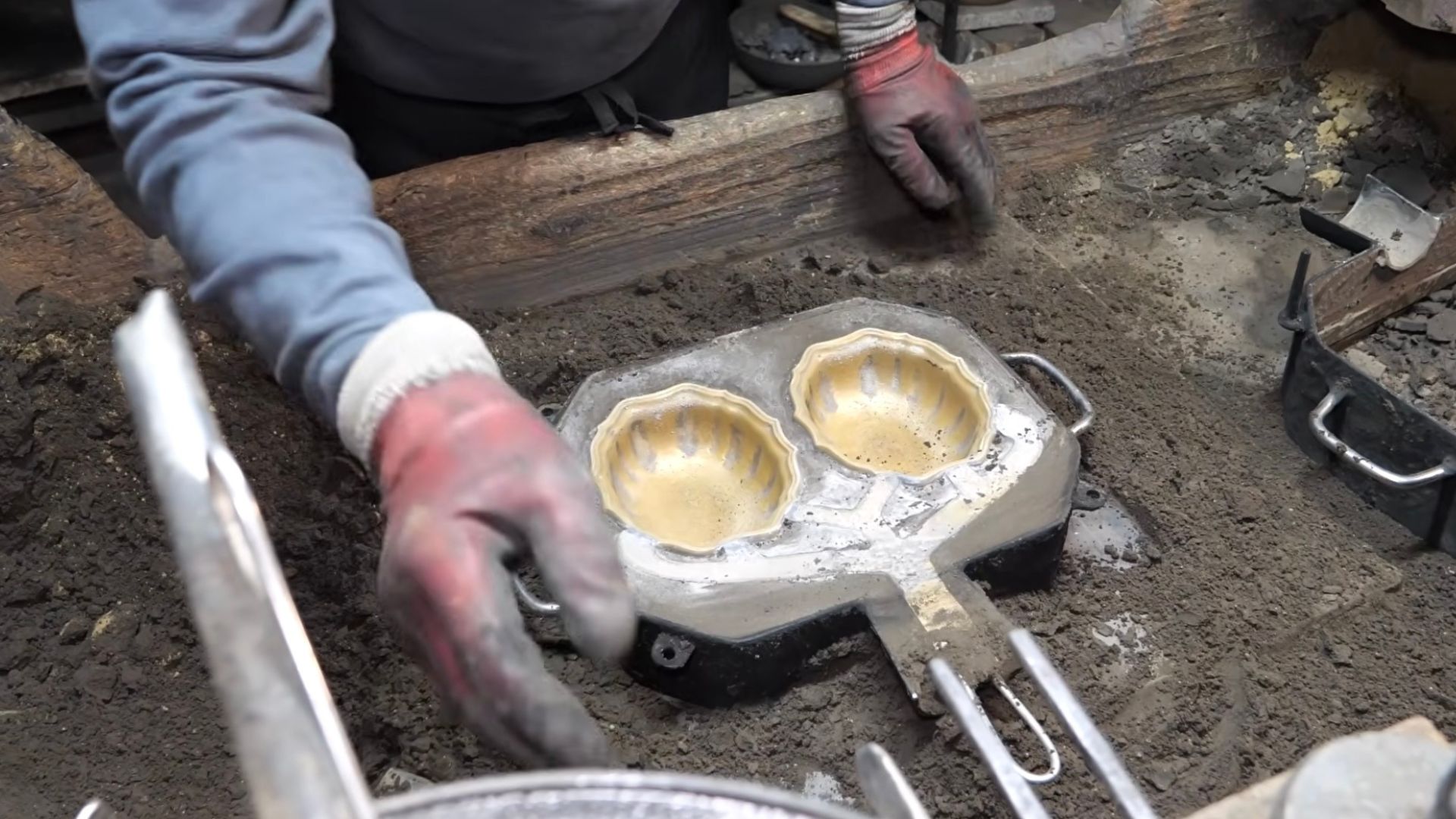
The bowl, produced from traditional Korean brass known locally as “bangjja,” has unique characteristics. Unlike common utensils, bangjja undergoes an intense manual hammering process that compacts the metal and increases its strength. Additionally, this method creates a dense surface that reacts in a specific way to certain chemical substances.
-
Friends have been building a small “town” for 30 years to grow old together, with compact houses, a common area, nature surrounding it, and a collective life project designed for friendship, coexistence, and simplicity.

-
This small town in Germany created its own currency 24 years ago, today it circulates millions per year, is accepted in over 300 stores, and the German government allowed all of this to happen under one condition.

-
Curitiba is shrinking and is expected to lose 97,000 residents by 2050, while inland cities in Paraná such as Sarandi, Araucária, and Toledo are experiencing accelerated growth that is changing the entire state’s map.

-
Tourists were poisoned on Everest in a million-dollar fraud scheme involving helicopters that diverted over $19 million and shocked international authorities.

How Korean Brass Can Detect Toxins and Why Royalty Trusted This Utensil
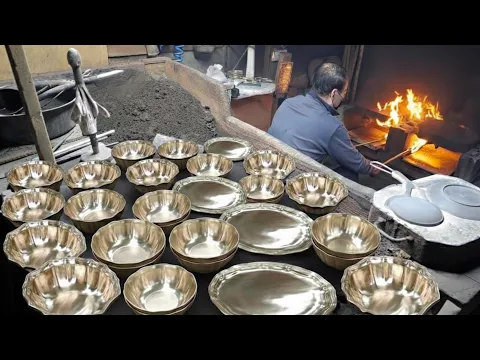

For centuries, the Korean royalty used brass utensils as a measure of food safety. According to historical records, some traditional metal alloys slightly altered color or produced noticeable reactions when they came into contact with certain poisons. Thus, kings and court members were able to identify risks before consuming potentially contaminated food.
Although modern science treats some of these stories as legends or cultural exaggerations, research shows that specific metals do indeed interact with chemical compounds found in ancient toxins. Therefore, even though it was not an infallible detector, the use of brass represented an additional layer of protection in times marked by conspiracies and power struggles.
In this context, the mysterious bowl gained fame for being associated with an episode in which a king allegedly escaped an assassination attempt thanks to the noticeable change in the utensil during an official meal. The narrative has transcended generations and solidified the object as a symbol of protection and ancestral wisdom.
However, what is most impressive is not just the royal legend, but the persistence of the artisanal technique that produces these pieces to this day.
Centenary Workshop Keeps Alive Millennia-Old Manual Hammering Technique of Brass

The Korean workshop responsible for producing these bowls has been in operation for over a century. Founded by artisans specialized in bangjja, it maintains the original process that requires physical strength, precision, and knowledge passed down through generations.
First, the artisans melt the metal at high temperatures. Then they mold the still-hot material and begin the continuous hammering process. This work can take hours — and, in some cases, days — to achieve the ideal density. Each strike strengthens the structure of the brass, making the piece more durable than industrial utensils.
Additionally, the workshop preserves traditional patterns that reflect Korean culture. Each bowl receives manual finishing, which ensures exclusivity and authenticity. For this reason, collectors and enthusiasts of Asian art value these items not only as household utensils but also as cultural heritage.
Currently, the demand for sustainable artisanal products is also driving global interest in these pieces. While the modern world prioritizes mass production, this centenary workshop bets on tradition and quality. Consequently, the historical and cultural value of brass bowls only increases.
The bowl that allegedly saved a king’s life has become a symbol of cultural resilience. It represents not only protection but also the continuity of a technique that has survived wars, modernization, and profound social changes.
Therefore, more than a simple utensil, this piece encapsulates centuries of knowledge, identity, and artisanal innovation. In a fast-paced world, stories like this show that tradition and technology still hold a relevant space in contemporary society.
And you, would you believe that such a simple object could carry such historical and cultural power?
Source: Process K










-

Uma pessoa reagiu a isso.