





 Portuguese
  English
  Spanish
 5 min of reading
  0 comments


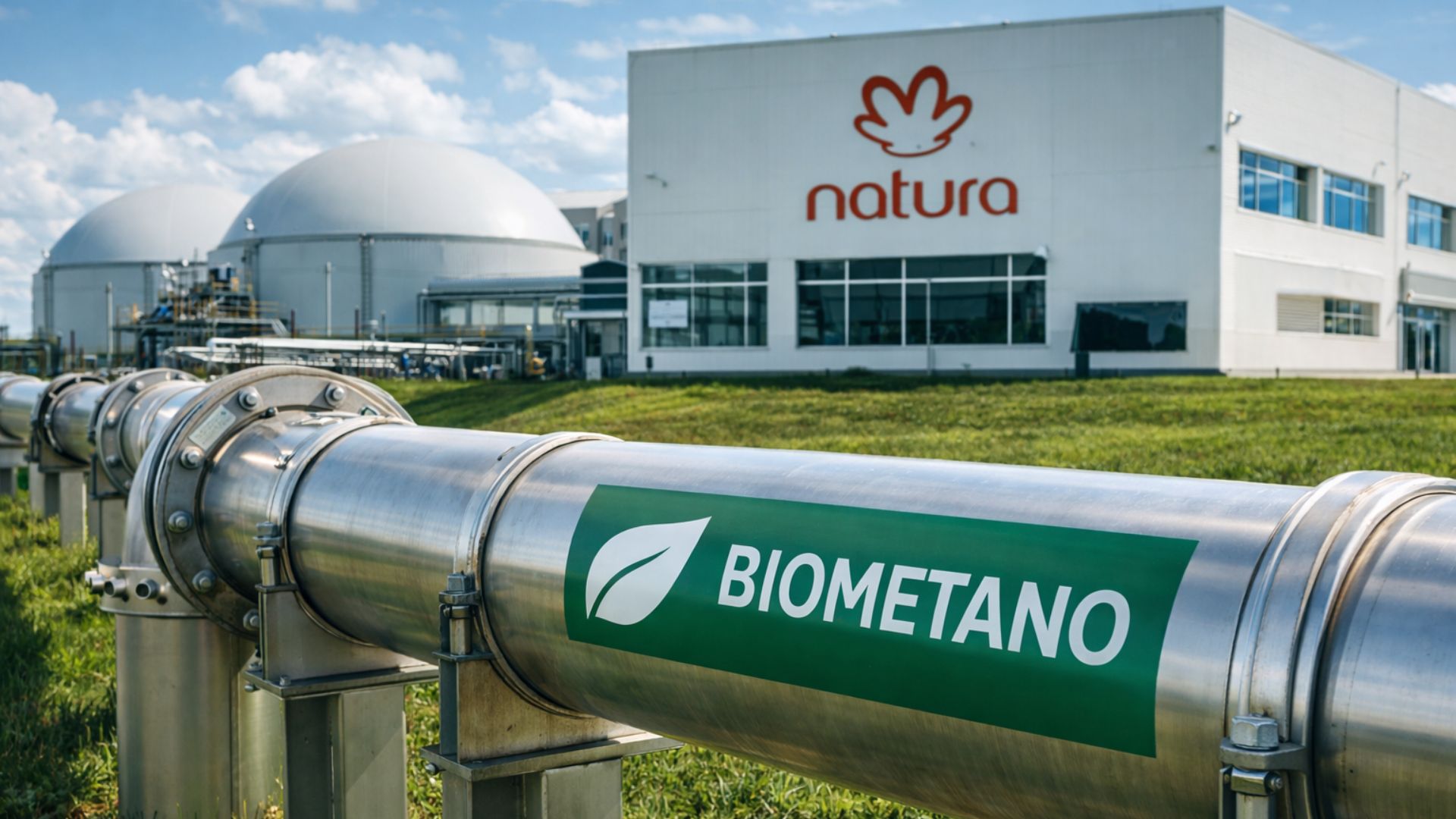
Natura Advances in Sustainability by Using Biogas Produced by Ultragaz in Industrial Operations and Transport, Reducing Emissions in São Paulo and Strengthening Corporate Energy Transition
Natura officially announced the adoption of biogas in partnership with Ultragaz, inaugurating a refueling unit in the industrial complex of Cajamar, in São Paulo. According to an article published by Exame this Tuesday (10), the initiative has allowed for a reduction of up to 90% of carbon emissions from the logistics fleet operating in the Greater São Paulo area and has started to supply a significant part of the company’s industrial processes. This move represents a concrete advance in the energy transition in Brazil and reinforces ambitious climate goals for the coming years.
Natura’s Initiative and Strategic Context with the Use of Biogas
Right from the announcement, the project gained attention for uniting three factors rarely seen together on a large scale: environmental sustainability, operational efficiency, and economic viability.
Unlike symbolic actions, the change involves structural transformation in the industrial energy matrix and freight transport. This positions the company as one of the pioneers in the integrated use of biogas in Brazil, especially within one of the largest industrial hubs in the country.
-
Brazil accelerates hydrogen and biofuel projects to consolidate the fuel of the future and reduce dependence on oil by 2026.
-
CNPE strengthens policy and prevents imported biodiesel from being mixed with diesel, aiming to strengthen the Brazilian industry and protect jobs by reducing external dependence amid tensions in the global market.
-
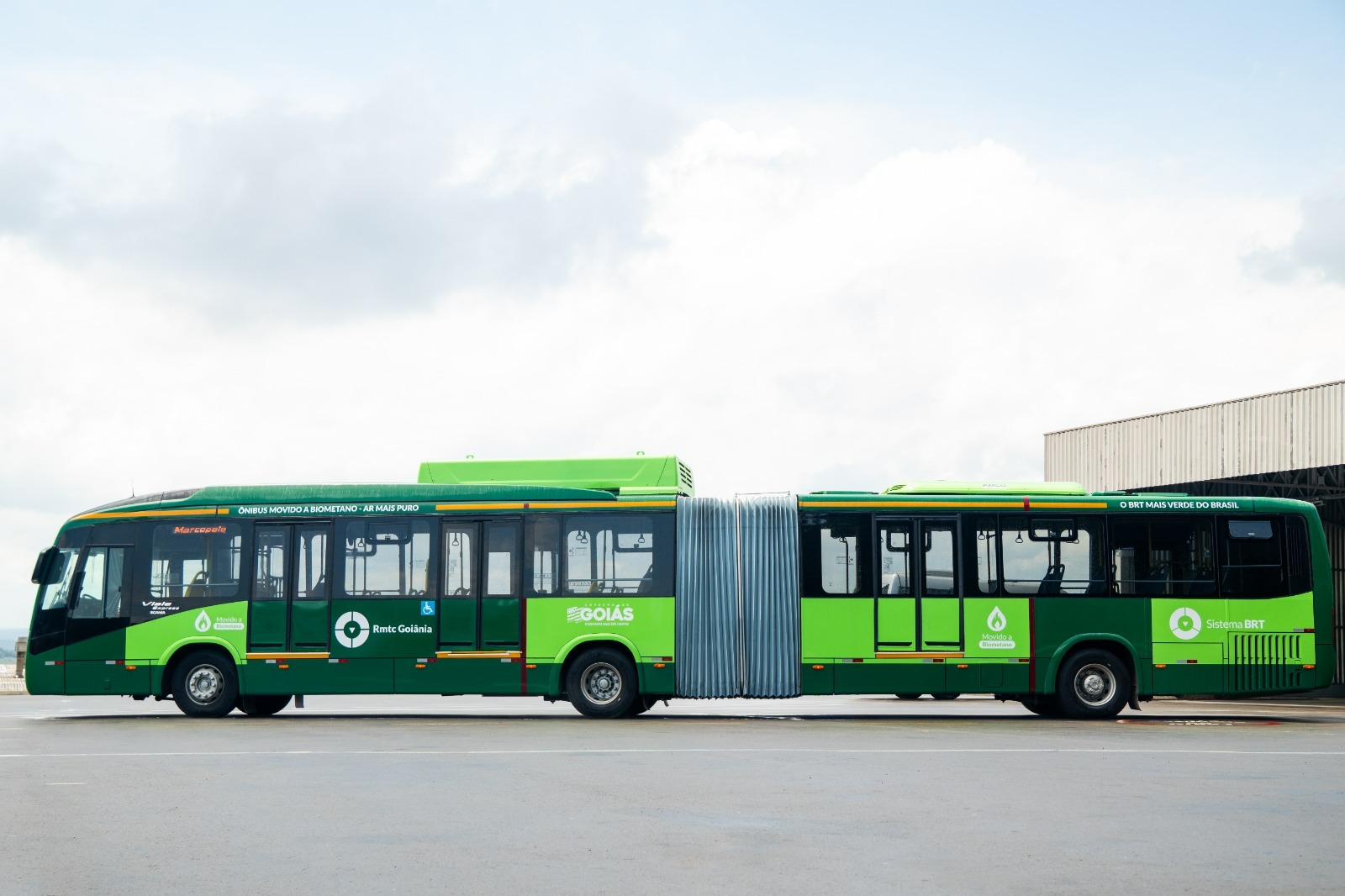
Revolution in public transport: Goiânia puts into circulation the first articulated buses powered by biomethane in Brazil and promises to drastically reduce pollution on the Anhanguera Corridor.
-
From the field to the pipelines: Mato Grosso do Sul accelerates the energy transition and consolidates a new axis in renewable energy with the arrival of a giant biogas plant.
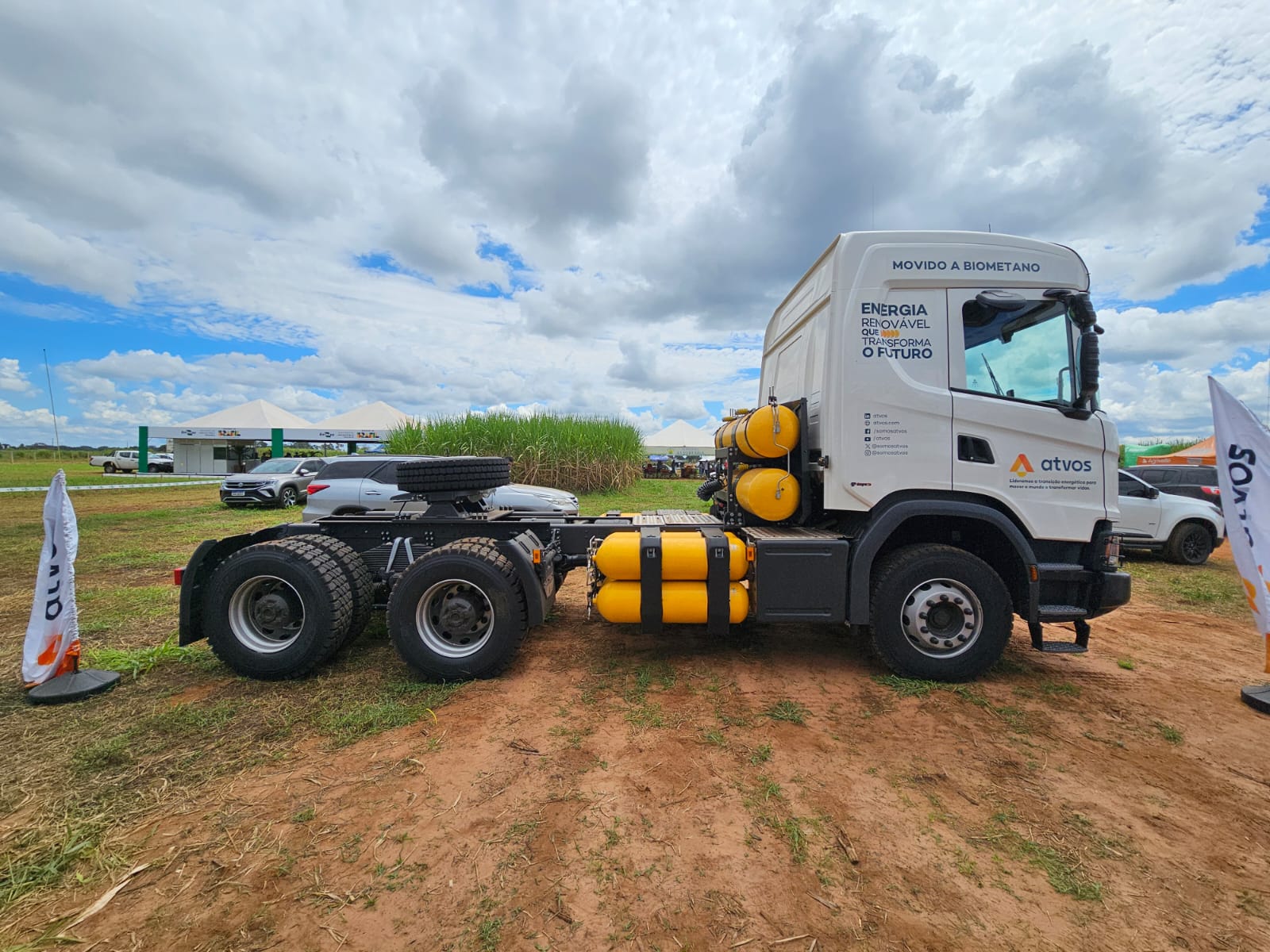

Moreover, the geographical context is strategic. São Paulo leads the national production of biogas, which favors robust projects with established infrastructure.
The partnership with Ultragaz enhances the technical credibility of the operation, as the company is one of the largest LPG distributors in Brazil. The result is a model that combines technological innovation, environmental responsibility, and real productive gains.

The Energy Transition of Natura with Biogas and Ultragaz in São Paulo
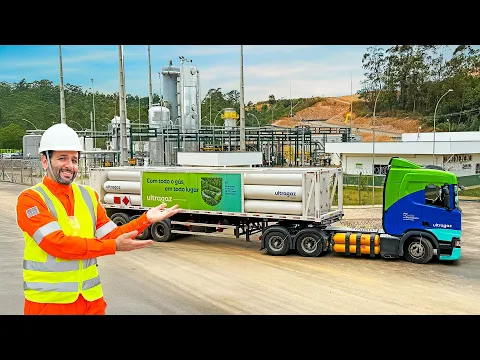
The change implemented by Natura is not limited to isolated tests. Biogas now supplies 45% of the industrial processes at the Cajamar factory and 100% of the logistics fleet operating in Greater São Paulo. This simultaneous integration between industry and transport is considered unprecedented on a national scale and marks a new phase of the corporate energy transition.
The renewable fuel used comes from the Caieiras landfill, the largest in Latin America. The site receives approximately 3,000 tons of waste per day and transforms the biogas generated by organic decomposition into biogas through purification processes.
Part of the industrial waste generated by the company itself returns as clean energy, creating a circular economy cycle that reduces environmental impacts and enhances efficiency.
Ultragaz, responsible for the production and distribution of the fuel, claims that the molecule is fully traceable and renewable. This guarantees regulatory safety and supply predictability, essential factors for large-scale industrial operations. The energy transition moves from being rhetoric to being measurable action.
Direct Impacts on the Logistics Fleet and Climate Goals
The replacement of diesel with biogas generates immediate effects in reducing emissions. The company estimates it will avoid up to 1,300 tons of CO₂ per year, equivalent to removing about 280 passenger cars from the streets daily. This number becomes even more significant when analyzed within the logistics fleet, which accounts for a large portion of corporate indirect emissions.
The so-called Scope 3 — emissions that occur outside direct operations — represents over 96% of the company’s carbon impact. Investing in the logistics fleet is one of the most effective strategies to meet medium-term environmental goals. By opting for biogas in São Paulo, the company acts directly on the most sensitive point of its value chain.
Another important aspect is scalability. Of the approximately 2.4 million trucks in circulation in Brazil, only about 2,000 use biogas or biogas. This represents less than 0.1% of the national fleet, highlighting a still nascent market but with enormous growth potential. The initiative demonstrates that change is possible without compromising performance or competitiveness.
Industrial Efficiency, Cost Reduction, and Operational Predictability at Natura
The benefits are not limited to the environment. The adoption of biogas has brought significant operational gains, especially in the industrial boilers of the Cajamar complex. Executives reported an increase of over 15% in energy efficiency, a result attributed to the stability of supply and direct feed through piping.
Cost predictability is another decisive factor. Fossil fuels suffer constant price fluctuations and geopolitical instability. Biogas, on the other hand, shows greater stability as it is linked to local waste and long-term supply contracts. This generates financial security and improves industrial planning, allowing for more consistent investments.
In logistics, the refueling time has also decreased significantly. Trucks that used to take between 40 and 50 minutes to refuel now take about 10 minutes. Less idle time means more productivity and less indirect carbon emissions, as well as reduced operational costs. Efficiency now goes hand in hand with sustainability.

São Paulo as the Epicenter of Biogas and the Brazilian Energy Transition
The prominence of São Paulo in the renewable energy sector helps explain the project’s success. The state concentrates half of Brazil’s authorized biogas plants, with nine units in operation among the eighteen existing in the country. Of these, four utilize urban waste from landfills, and five operate with agricultural waste, primarily from the sugar-energy sector.
In addition to the plants already in operation, other units are in the authorization phase and can significantly increase national production capacity. This growth indicates that biogas is likely to consolidate as a strategic fuel for the Brazilian energy transition. The São Paulo infrastructure offers a favorable environment for companies seeking to reduce emissions without compromising productivity.
The convergence of raw material availability, regulatory support, and industrial demand creates a favorable ecosystem for innovation. Projects like Natura’s with Ultragaz show that sustainability and competitiveness can go hand in hand, strengthening production chains and driving new investments in clean energy.
A Model That Points the Way for Corporate Energy Futures
The initiative implemented in Cajamar goes beyond the concept of isolated action and establishes itself as a market reference. The integration between industry and logistics fleet forms a replicable model for other companies and municipalities, demonstrating that decarbonization can be viable when there is technical planning and strategic partnerships.
The use of biogas reveals that renewable fuels are already mature enough to operate on a large scale. Companies that adopt this type of solution strengthen institutional reputation, attract investors aligned with ESG practices, and reduce future regulatory risks. Sustainability ceases to be a cost and becomes a strategic investment.
The Brazilian scenario still presents ample room for the expansion of renewable gas, especially in freight transport. As new plants come into operation and infrastructure expands, the trend is for more corporations to adopt similar models. The example shows that energy innovation does not depend solely on technology, but on strategic decision-making and long-term vision.









Seja o primeiro a reagir!