





 Portuguese
  English
  Spanish
  4 min of reading
  0 comments


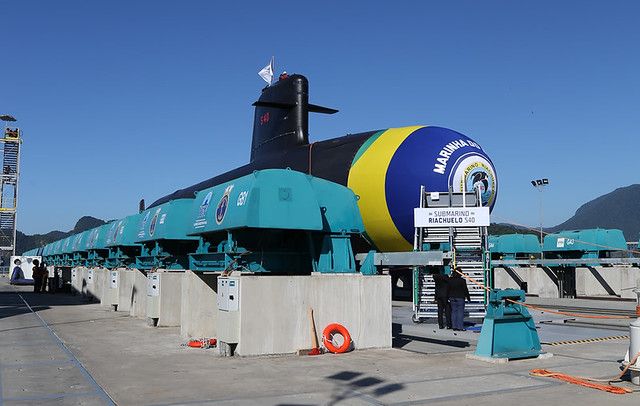
French Group’s Participation Reinforces Cooperation with the Brazilian Navy and Advances Strengthening of the National Naval Industry
Between April 1 and 4, 2025, Naval Group, a French company specialized in naval defense, will be present at LAAD Defence & Security, at Riocentro (Rio de Janeiro). The participation will take place at booth D-40, aimed at presenting solutions developed in partnership with the Brazilian Navy, within programs like PROSUB. The exhibition will feature the Riachuelo-class submarine, the F21 torpedo, and the Belh@rra frigate, all with confirmed or in-development applications for international navies.
Cooperation Between Brazil and France Structures Naval Development Program Since 2009
The technical cooperation agreement between Brazil and France was formalized in 2008, being operationalized from 2009, with the creation of PROSUB (Submarine Development Program). In this context, the authorities selected Naval Group to support the project, focusing on technology transfer and training Brazilian professionals. In 2010, ICN – Itaguaí Naval Constructions began the construction of the shipyard and naval base in Itaguaí (RJ), providing technical support to the enterprise. According to information from the Ministry of Defense, the program has already generated over 3,000 direct jobs and attracted about R$ 40 billion in investments since its creation.
Riachuelo Class Advances Timeline with Deliveries Expected by 2025
The Brazilian Navy based the Riachuelo class on the French Scorpène model and adjusted the design to meet its operational specifics. In December 2018, the Navy launched the first submarine, Riachuelo (S40), and incorporated it into the fleet in September 2022. Subsequently, the Navy launched the Humaitá (S41) in December 2020 and officially delivered it in January 2024. The Navy launched the Tonelero (S42) in March 2024 and plans to complete the Almirante Karam (S43) by the end of 2025. The Brazilian Navy’s Communication Advisory confirms this information based on its data.
-
Europe is trying to create an ammonia-powered marine engine without auxiliary fuel, which could unlock the race for giant emission-free ships. The technology aims to eliminate one of the biggest obstacles to clean maritime propulsion.

-
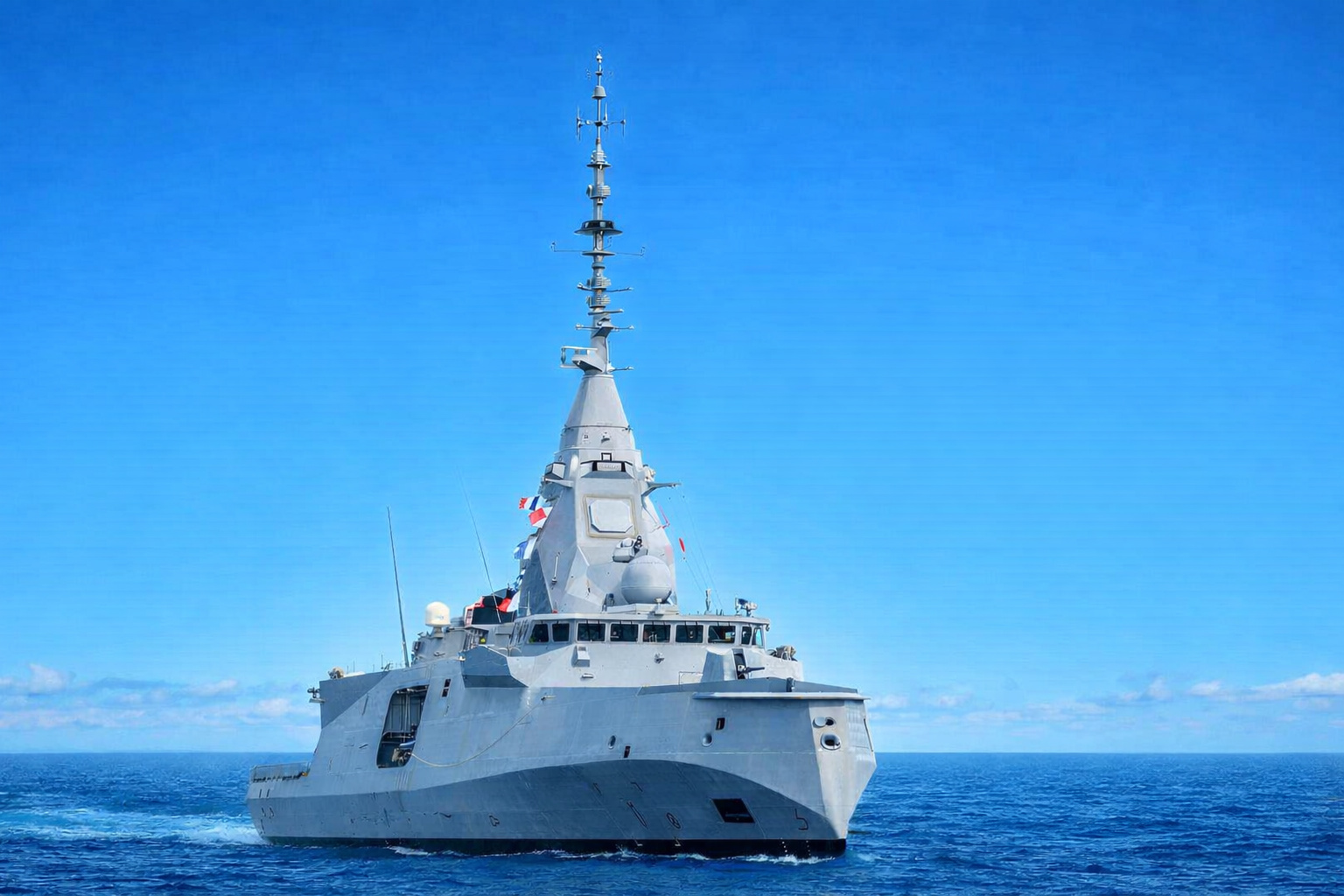
A 4,500-ton frigate with just over 100 crew members, state-of-the-art radar, and cruise missiles is being touted as the new standard of naval warfare in the 21st century.
-
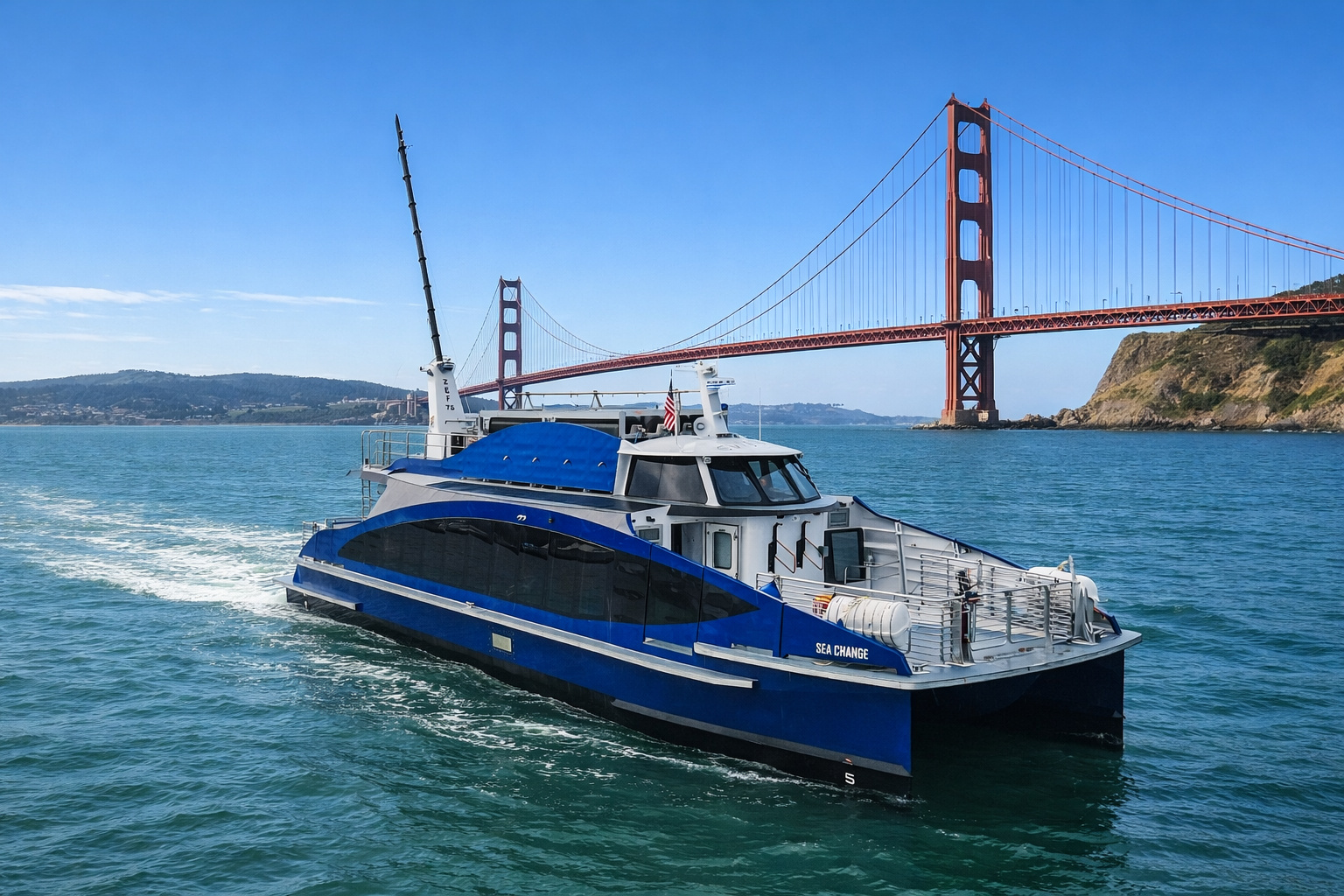
The first commercial hydrogen-powered ferry enters operation in the U.S., eliminates the use of diesel, uses fuel cells to generate clean energy on board, and transforms San Francisco Bay into a landmark of the new era of emission-free navigation.
-
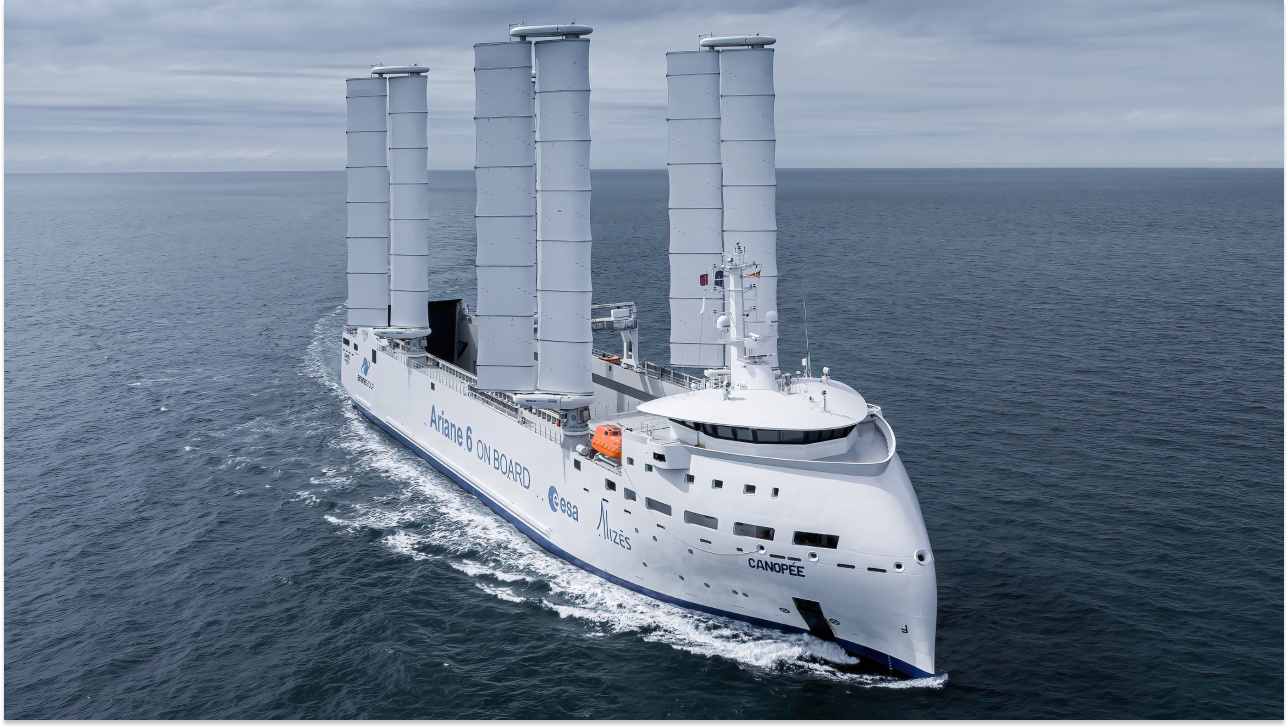
With a length of 121 meters and four rigid sails of 36 meters that automatically rotate to capture the wind, Canopée is the world’s first hybrid industrial cargo ship powered by wind, used to transport rockets and reduce fuel consumption by up to 30% on transoceanic routes.

F21 Torpedo Integrates Armament Systems Adopted by France and Offered to Brazil
Developed by Naval Group at the request of the French Navy, the F21 torpedo is an underwater weapon with a guidance system and the ability to resist interference. According to technical documents from the company and reports from the publication Le Marin, its official adoption in France took place in 2018, with production starting in 2019. The torpedo has a range exceeding 50 km and can operate in complex environments, including coastal and shallow areas. In Brazil, the Navy integrated the model into the Riachuelo class as part of the technology transfer package agreed upon in PROSUB.
The Navy Will Present the Belh@rra Frigate as a Modular and Adaptable Surface Solution.
In addition to submarine systems, Naval Group will present the Belh@rra frigate (FDI) at LAAD 2025, currently under construction for the French Navy and the Hellenic Navy (Greece). The Direction Générale de l’Armement (DGA) announced that they launched the first unit at sea in November 2022, with deliveries to France expected from 2025. This is a multipurpose vessel focused on anti-air, anti-submarine, anti-surface, and asymmetric operations, highlighting its cyber-protected design from the outset. According to Naval Group, its modular design allows adaptation according to the operational requirements of each navy.
Scorpène Maintains International Relevance with Operational Units in Five Countries
The Scorpène platform, used as a base for the Riachuelo class, is a solution developed in partnership with the Spanish shipyard Navantia since 1999. Currently, there are 14 Scorpène units in operation in countries such as India, Malaysia, Chile, Peru, and Brazil, according to the specialized magazine Jane’s Defence Weekly. These submarines are known for their low acoustic signature, prolonged operational capability, and simplified maintenance. The Navy developed the Brazilian version, adjusting it for greater autonomy and payload capacity, while meeting its strategic needs.
Cooperation Results in Knowledge Transfer and Industrial Strengthening
The Brazilian Agency for Industrial Development (ABDI) reports that PROSUB resulted in over 30 formal technology transfer agreements between Naval Group and Brazilian companies. According to the Ministry of Defense, training centers in France have already trained more than 200 Brazilian professionals since the program’s inception. As a result, Brazil strengthened the naval sector supply chain, involving domestic companies in production processes previously exclusive to foreign suppliers. Data from IBGE indicates that the naval segment grew 18% between 2018 and 2023, driven primarily by defense-related contracts.
Naval Group Remains a Trusted Partner of the Brazilian Navy
Founded in 1624, Naval Group is present in over 18 countries and also acts as a provider of integrated naval solutions for over 50 navies around the world.
Headquartered in Paris, the group employs about 16,000 people, according to its 2023 annual report, and focuses on naval innovation based on strategic partnerships. Its operations in Brazil represent a long-term collaboration focused on sovereignty, training, and industrial development, aligned with the Navy’s guidelines. Finally, its presence at LAAD 2025 occurs in accordance with ongoing projects, without promotional announcements or unverified promises.
Technological Cooperation Focused on Continuity and Development
Naval Group’s participation in LAAD 2025, therefore, represents another step in a long-term partnership with Brazil. Moreover, this collaboration is aimed at strengthening the country’s naval capacity.
Without promising ready-made solutions or unrealistic results, the company’s presence is centered on presenting technologies already in use or in advanced stages of development. Additionally, the commitment to knowledge transfer and training skilled labor are fundamental priorities for the national maritime sector.
Likewise, modernizing the Brazilian fleet is also considered essential and has been shared as a common objective with the Navy. Therefore, the French group reinforces its technical, transparent operations aligned with the editorial guidelines required for trustworthy content.









Seja o primeiro a reagir!