





 Portuguese
  English
  Spanish
  4 min of reading
  2 comments


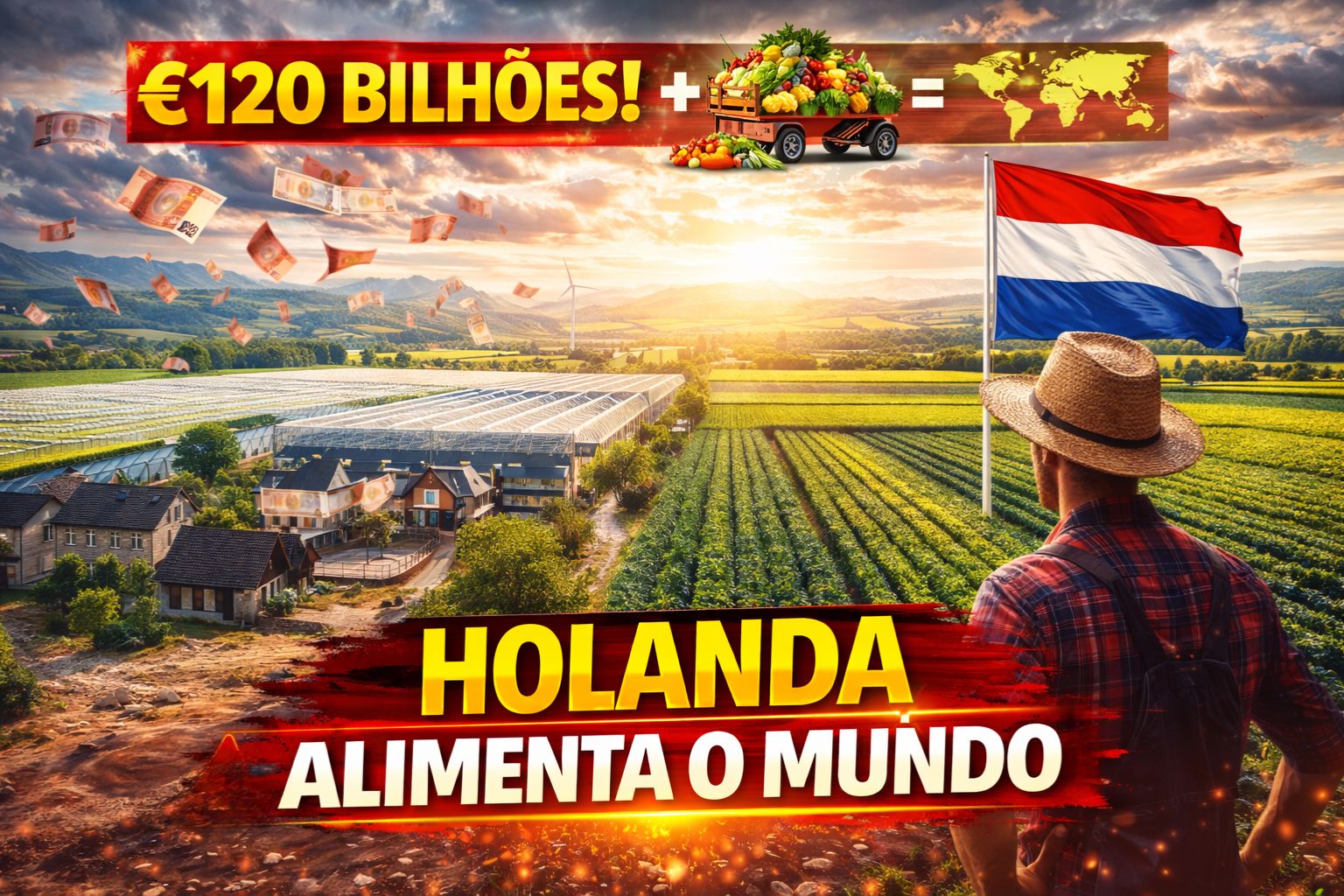


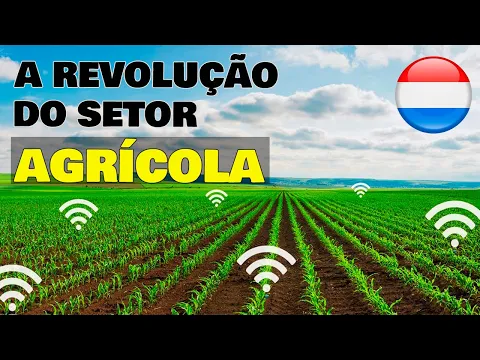
Even Occupying Less Than 42 Thousand Km², The Netherlands Became One of the Largest Agricultural Powers on the Planet. The Country Exceeds € 120 Billion Per Year in Agricultural Exports.
In January 2024, official data released by the Dutch government and Wageningen University & Research confirmed that the Netherlands’ agri-food exports once again surpassed the mark of € 120 billion per year. This figure places the country as the second-largest agricultural exporter in the world by value, behind only the United States. The data is even more impressive when compared to the country’s territorial size: just under 42 thousand km², a significantly smaller area than many Brazilian states and infinitely less than traditional agricultural powers.
The performance is not a result of territorial extension or natural abundance of fertile land, but of a highly technological model, intensive in knowledge, infrastructure, and productive efficiency.
The Historical Transformation of Dutch Agriculture
After World War II, the Netherlands faced severe food shortages. The national priority became producing as much as possible with minimal resources. Starting in the 1950s, the country adopted a clear strategy: to invest heavily in agricultural research, mechanization, and highly controlled production systems.
-
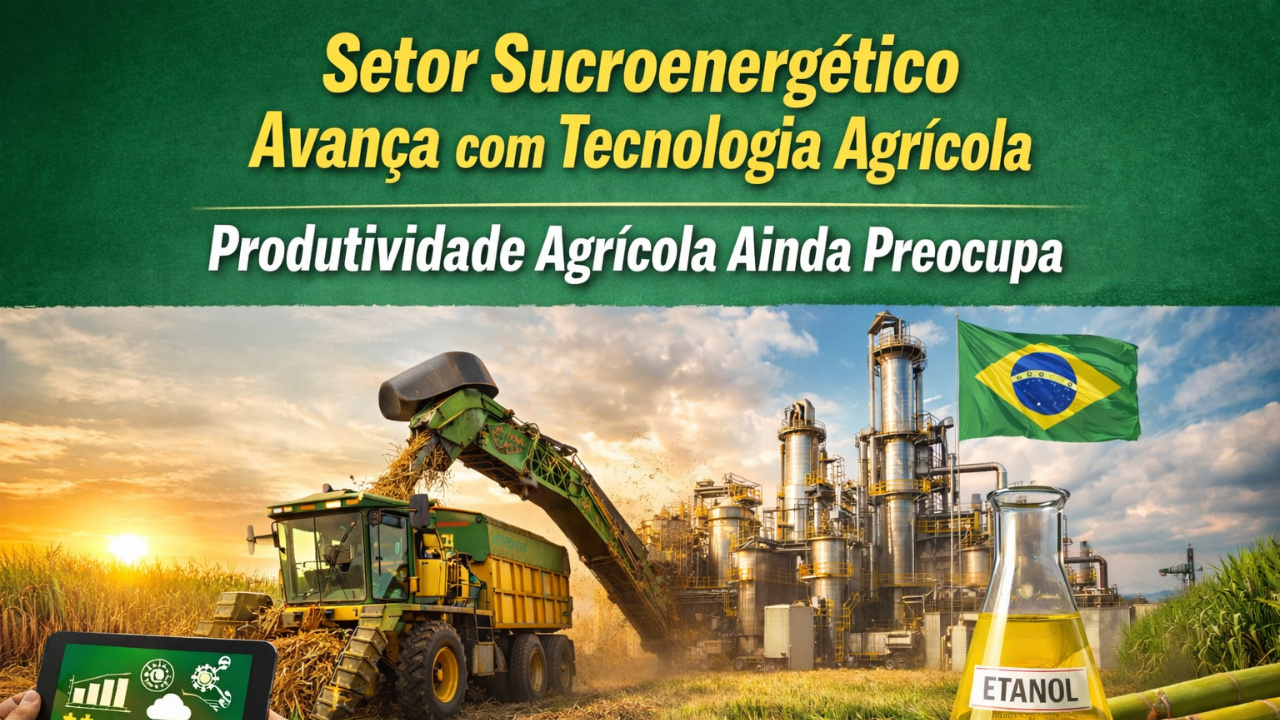
The sugar-energy sector advances with agricultural technology, but agricultural productivity still raises concerns.
-
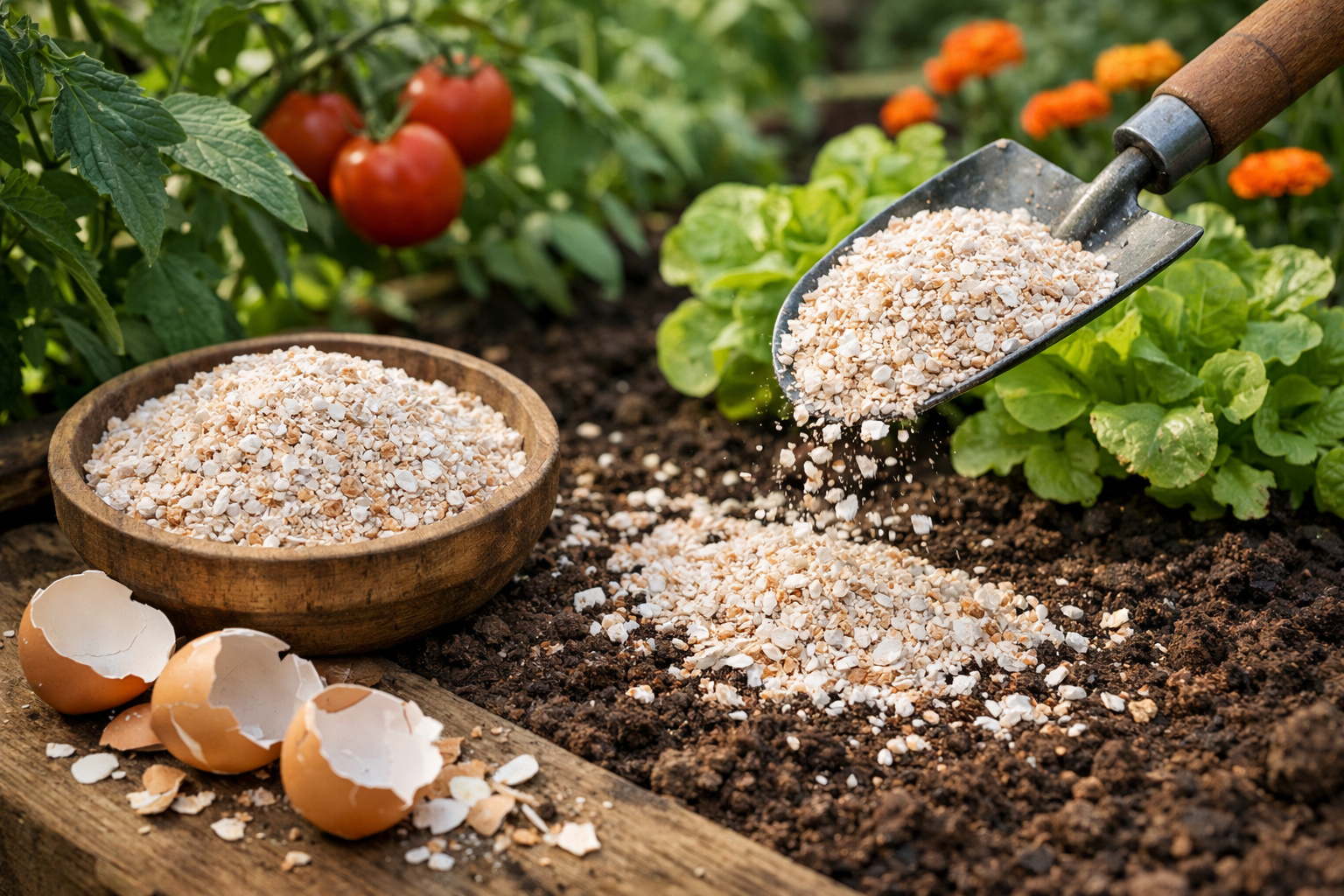
The eggshell that almost everyone throws away is made up of about 95% calcium carbonate and can help enrich the soil when crushed, slowly releasing nutrients and being reused in home gardens and vegetable patches.
-
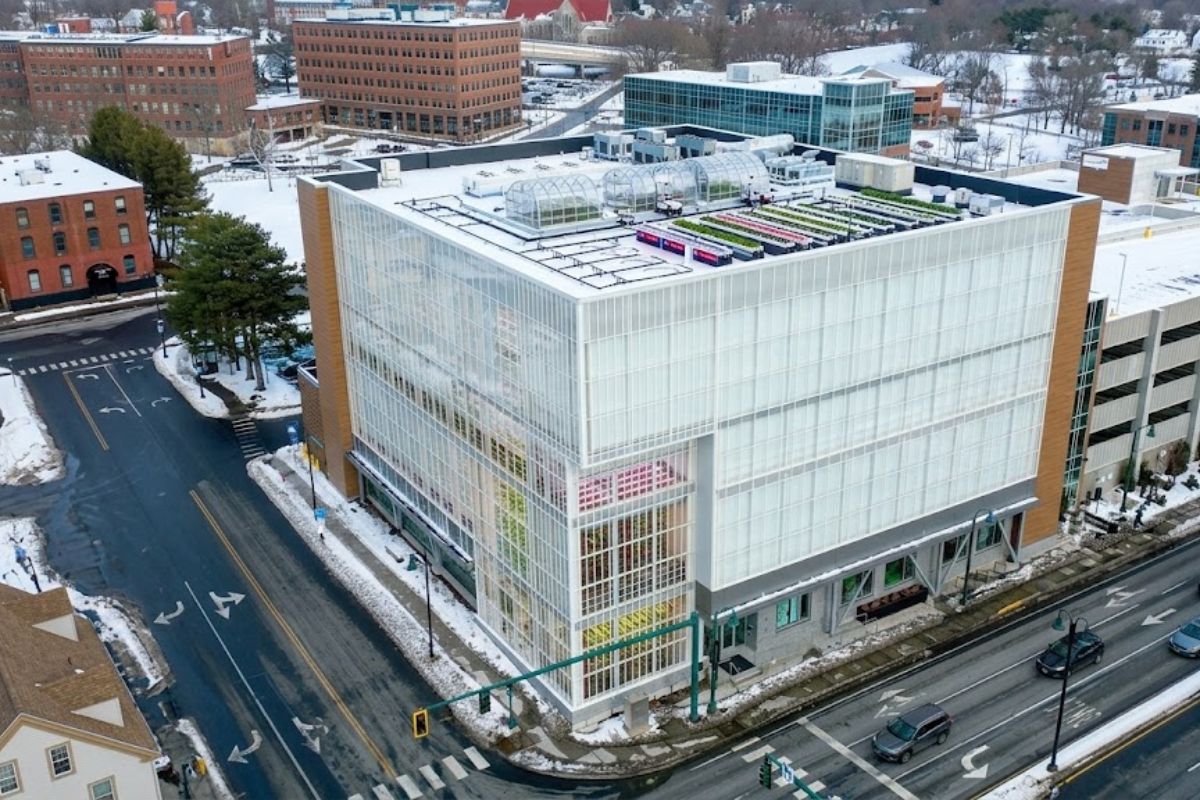
This farm in the United States does not use sunlight, does not use soil, and produces 500 times more food per square meter than traditional agriculture: the secret lies in 42,000 LEDs, hydroponics, and a system that recycles even the heat from the lamps.
-
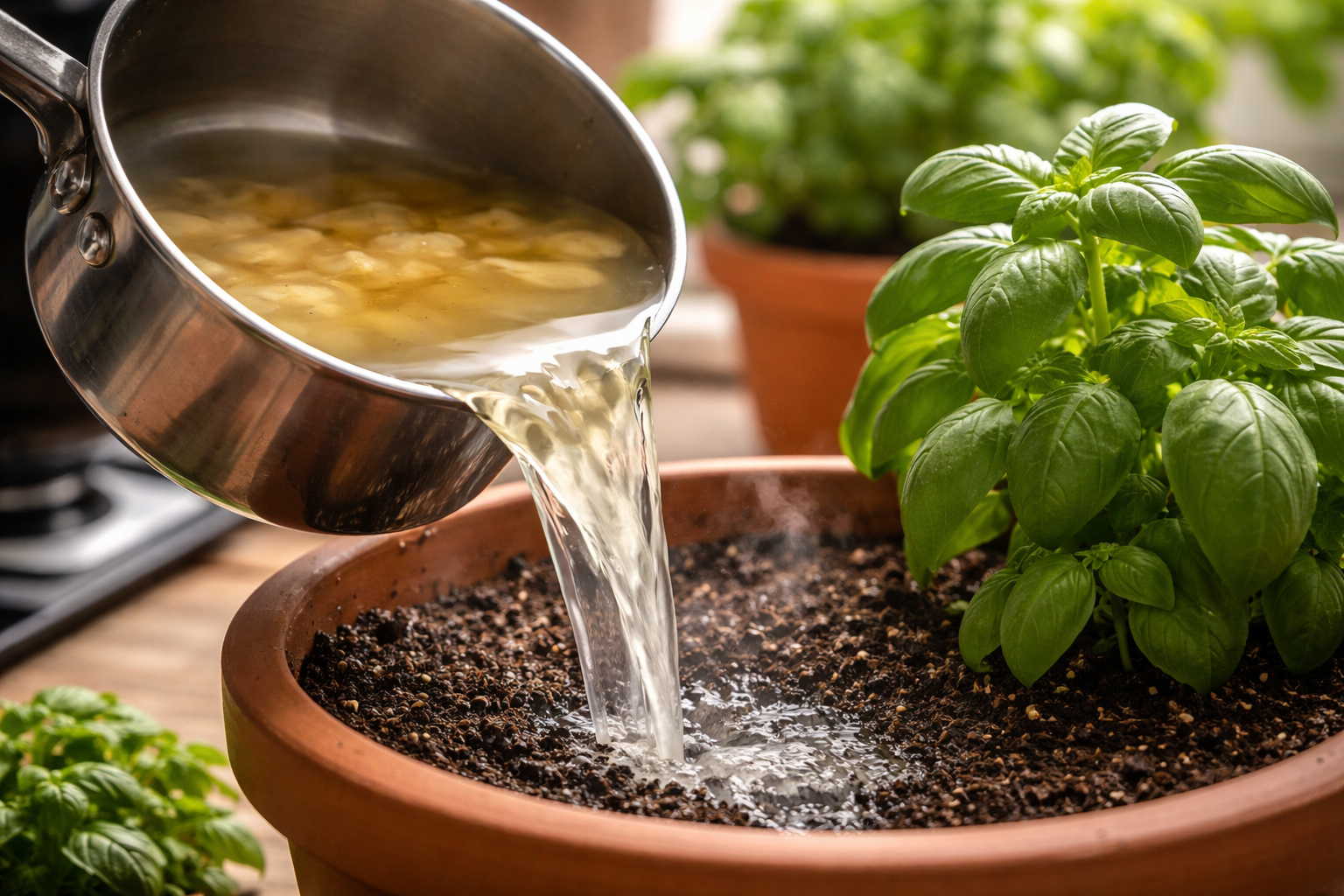
The water that almost everyone throws away after cooking potatoes carries nutrients released during the preparation and can be reused to help in the development of plants when used correctly at the base of gardens and pots, at no additional cost and without changing the routine.


The establishment of Wageningen University & Research as a scientific hub was decisive. The institution became one of the leading global centers for agricultural research, developing advanced greenhouse techniques, genetic improvement, biological pest control, and rational use of inputs.
The goal was simple, yet ambitious: to double production using half the resources.
How a Small Country Produces More Than Many Giants
The secret of the Dutch model lies in productivity per square meter. A large part of the production occurs inside highly technological greenhouses, where temperature, humidity, light, and nutrients are controlled with precision.
In the Westland region, for example, one of the largest greenhouse complexes in the world is concentrated. Tomatoes, peppers, and cucumbers are cultivated in closed environments with drip irrigation, water reuse, and constant digital monitoring.
Production per hectare in greenhouses can be several times higher than conventional agriculture in open fields. In some crops, the yield can be up to ten times greater than global averages.
Moreover, the Netherlands exports not only fresh products but also flowers, seeds, dairy, processed meats, and agricultural technology.
Precision Technology and Agricultural Engineering
The Dutch agricultural system operates like a precision industry. Sensors monitor plant growth in real time. Automated systems control ventilation and heating. Algorithms adjust artificial lighting to optimize photosynthesis during the European winter.
Irrigation is highly efficient. Water recirculation is common, reducing waste and environmental contamination. The use of pesticides has been drastically reduced over the past decades thanks to integrated biological control.
An animal production also follows strict technological standards. Automated systems monitor feeding, health, and productivity of the dairy herd, a sector in which the Netherlands also stands out globally.
Economic Scale and Global Impact
Surpassing € 120 billion annually in exports places the Netherlands above many countries in agricultural value added. It is important to differentiate between physical production and export value. The figure refers to the total value of agri-food exports, not just the physical volume harvested.
A large part of this value results from a high technological level, processing, and value aggregation. The Netherlands acts as a European logistics hub, benefiting from the Port of Rotterdam, one of the largest in the world, facilitating distribution throughout Europe.
Despite its small territory, the country has established itself as a global reference in high-efficiency agriculture, even exporting technology and know-how to other nations.
Challenges and Limits of the Model
Success also faces pressures. Intensive agriculture generates environmental debates, especially related to nitrogen emissions, impact on biodiversity, and long-term sustainability.
In recent years, stricter environmental policies have created tension between the government and producers, requiring emission reductions and restructuring of production systems. Nonetheless, the Dutch model remains a global reference in efficiency, technology, and productivity.

Producing over € 120 billion in agricultural exports per year in a territory of less than 42 thousand km² is not just a statistical feat. It is the result of decades of strategic planning, investment in science, and transformation of agriculture into precision engineering.
The Netherlands demonstrates that, in modern agriculture, territory is not necessarily the decisive factor. Knowledge, technology, and logistical integration can transform a small country into a global food power.
While many associate agriculture with vast expanses of land, the Dutch case reveals a different reality: producing more does not only depend on space, but on efficiency and intelligence applied to the field.









Não é só a. Holanda, a Coréia do Sul desde a década de 1950 após o fim da guerra em que dividiu as duas Coréias,
Hoje vejam a potência que é a Coréia do Sul.
E pais gigantes como o Brasil fica patinando e não avança, quando pode ter uma Patente Mundial, o governo não paga o tem que pagar e perde essa oportunidade.
Esse é o País do Futuro. !!!
Governado por Oportunistas !!!
Brasil não presta. Tudo dá errado. O pior país do mundo. Culpa dos políticos.