





 Portuguese
  English
  Spanish
  4 min of reading
  0 comments


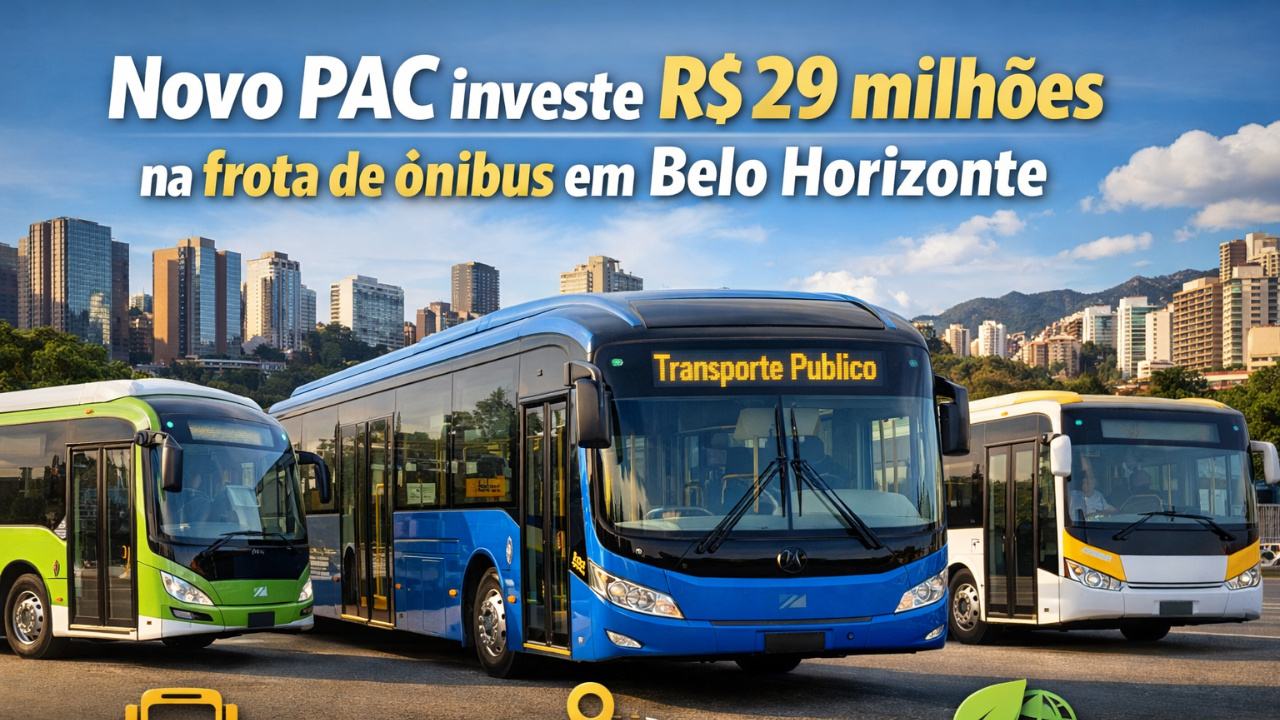
New PAC Releases R$ 29 Million to Renew BH’s Bus Fleet and Improve Urban Mobility and Public Transport.
Belo Horizonte was awarded resources from the New PAC to modernize its bus fleet and enhance the public transport of the Minas Gerais capital.
The announcement was made by the Ministry of Cities, which confirmed the release of approximately R$ 29.4 million for the acquisition of new urban buses, focusing on urban mobility, reducing emissions, and increasing operational efficiency.
The funds will be disbursed in two installments and are part of a national package aimed at renewing vehicles in public transportation.
-
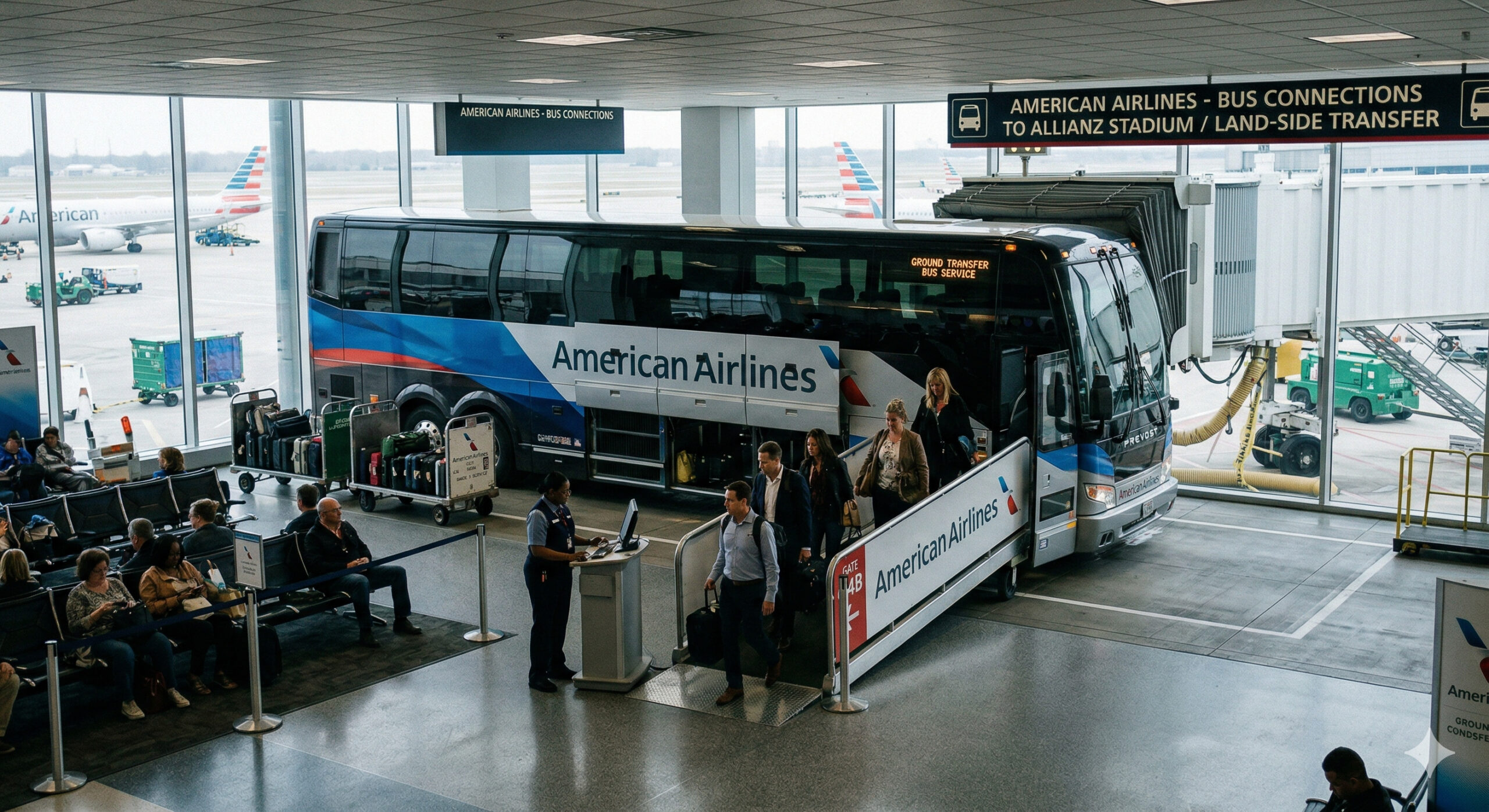
American Airlines starts selling trips as if they were flights, with check-in and baggage check at the airport, but on short routes, passengers board luxury buses connecting cities to major hubs in the U.S.
-
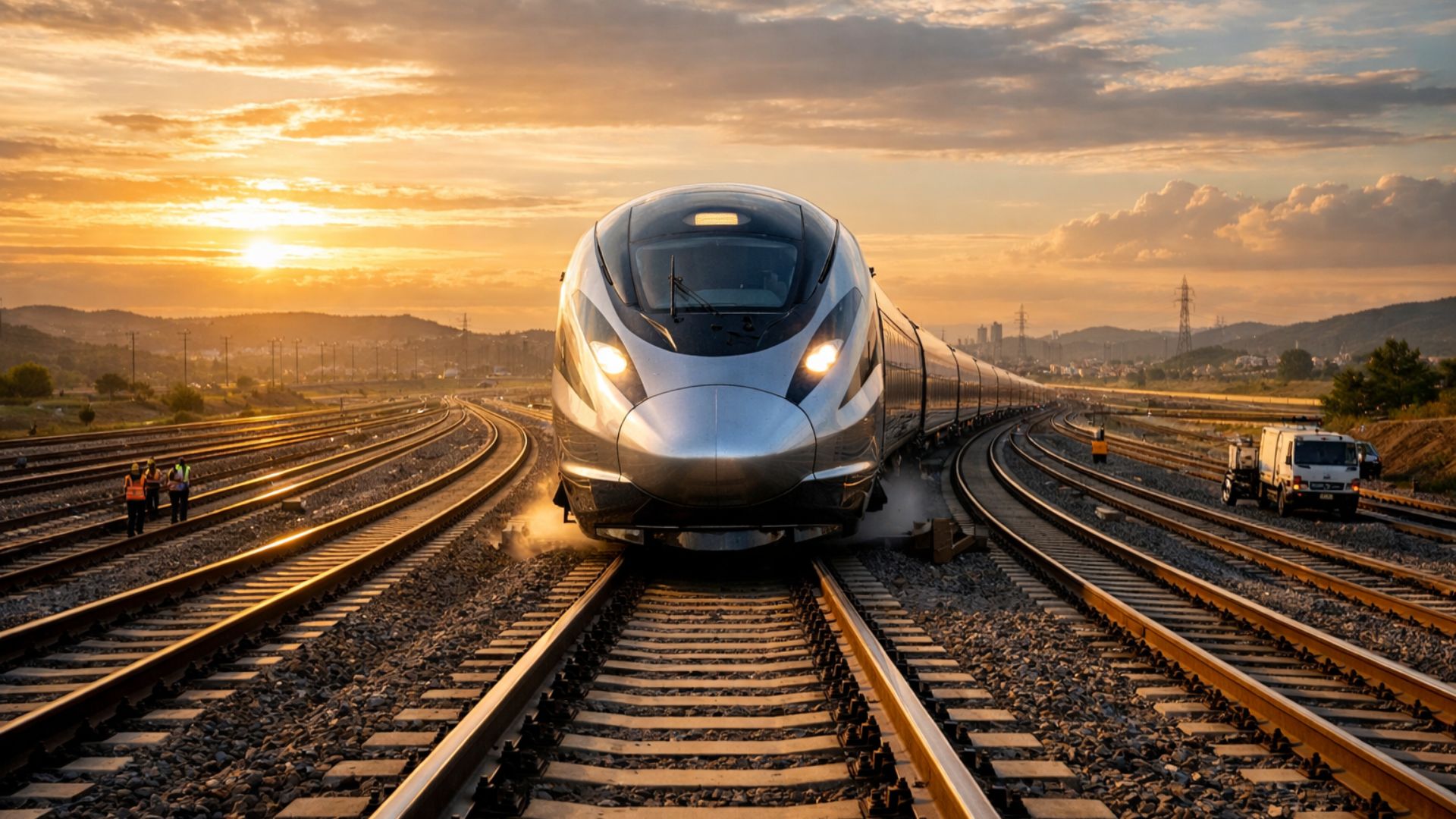
São Paulo surprises the world with a colossal railway network project that promises over 1,000 km of tracks, R$ 194 billion in investments, and 40 projects connecting the capital to the interior with fast and sustainable trains.
-
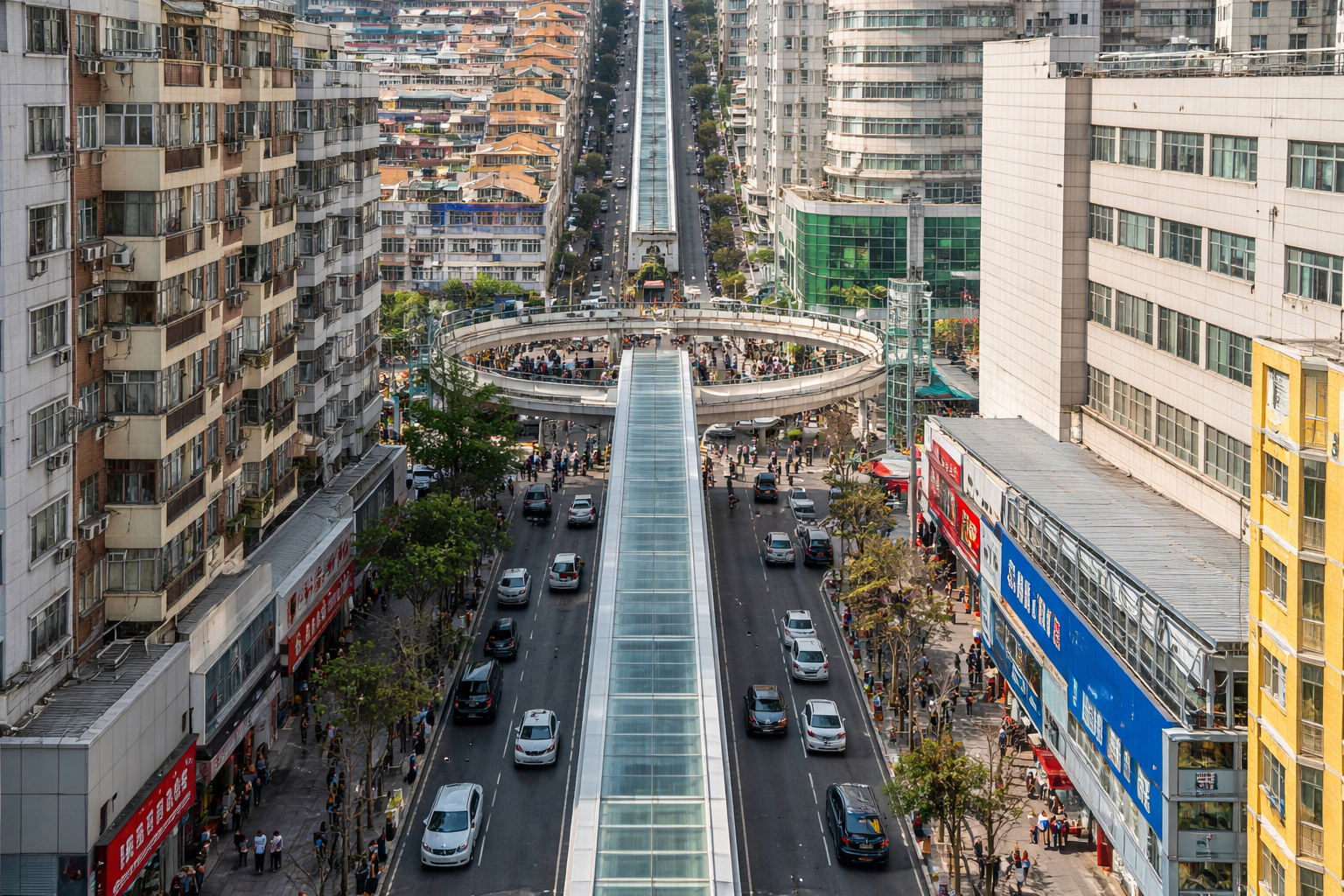
The world’s largest escalator, measuring 905 meters in China, reduces urban travel time from 1 hour to about 20 minutes and transforms mobility in mountainous regions with an engineering solution adapted to the terrain.
-
A R$ 300 million logistics giant is taking shape in Serra with over 100,000 m² and raises a question: how can this transform e-commerce and distribution in the state?

In total, 16 cities had proposals approved within the mobility axis of the federal program.
Thus, in addition to Belo Horizonte, municipalities in São Paulo, Paraná, and Pernambuco were also selected, which broadens the impact of the initiative on the Brazilian public transport system.
New PAC Strengthens the Bus Fleet in Belo Horizonte
The Minas Gerais capital will receive two transfers: one of R$ 16.4 million and another of R$ 12.9 million.
This brings the total investment for the city to R$ 29.4 million, dedicated exclusively to renewing the bus fleet.
The measure aims to replace old vehicles with newer and more efficient models.
The expectation is to reduce operational costs, improve passenger comfort, and decrease pollutant emissions, points considered strategic for urban mobility.
Furthermore, the modernization of urban buses should contribute to the regularity of trips and improve the experience of system users.
FGTS Resources Will Finance New Urban Buses
The investments will be made possible through the Guarantee Fund for Length of Service (FGTS).
In practice, this means that funds will be applied to the purchase of new vehicles for urban public collective transport.
The central objective of the New PAC is to modernize municipal fleets and raise the quality standard of the service provided to the population.
In this way, the program also encourages the adoption of cleaner and more economical technologies.
Newer vehicles tend to consume less fuel and emit fewer pollutants.
Therefore, the renewal of the bus fleet also meets environmental and sustainability goals.
National Investment Totals R$ 176.9 Million
The package announced by the Ministry of Cities totals around R$ 176.9 million.
The funds will be distributed among private operators operating in municipalities in the states of São Paulo, Minas Gerais, Pernambuco, and Paraná.
Among the highlights are:
Caieiras (SP): R$ 26.79 million;
São José do Rio Preto (SP): R$ 22.8 million;
Itapecerica da Serra and São Paulo (SP): R$ 44.68 million;
Belo Horizonte (MG): R$ 29.4 million;
Pernambuco Cities: R$ 9.12 million;
Curitiba, Colombo, and Bocaiuva do Sul (PR): R$ 44.1 million.
With this, the New PAC expands the reach of investments in urban mobility and strengthens the public transport system in different regions of the country.
Expected Impacts on the Urban Mobility of the Capital
Thus, the arrival of new urban buses should bring operational gains for Belo Horizonte. Among the main expected benefits are:
Reduction in travel time;
Greater reliability in schedules;
Lower emissions of pollutants;
More comfort for passengers.
Meanwhile, the renewal of the bus fleet may also help reduce maintenance costs and increase vehicle availability on the lines.
This set of improvements is essential to make public transport more attractive, which can reduce the dependence on private vehicles and improve the traffic flow of the city.
Environmental Agenda Gains Strength with New Urban Buses
Another relevant point of the investment is the advancement in the environmental agenda. The New PAC prioritizes more efficient vehicles with lower fuel consumption.
In practice, this means less pollution and better air quality in urban areas.
Therefore, the modernization of the bus fleet is also connected to sustainability and climate change mitigation policies.
Additionally, cleaner urban mobility systems help promote healthier cities with a better quality of life.
New PAC and the Future of Public Transport
With the contribution of R$ 29.4 million, Belo Horizonte takes an important step to modernize its public transport system.
Thus, the renewal of urban buses should directly impact the daily lives of passengers, in addition to strengthening the urban mobility of the capital.
The investment is part of a broader national strategy.
Thus, the New PAC is consolidating itself as one of the main financing instruments for the modernization of the bus fleet in Brazil.
In the coming months, the expectation is that the new vehicles will start to be incorporated into the system, bringing noticeable improvements for those who rely on collective transport daily.
See more at: New PAC Will Release R$ 29 Million to Renew BH’s Buses










Seja o primeiro a reagir!