





 Portuguese
  English
  Spanish
  5 min of reading
  0 comments


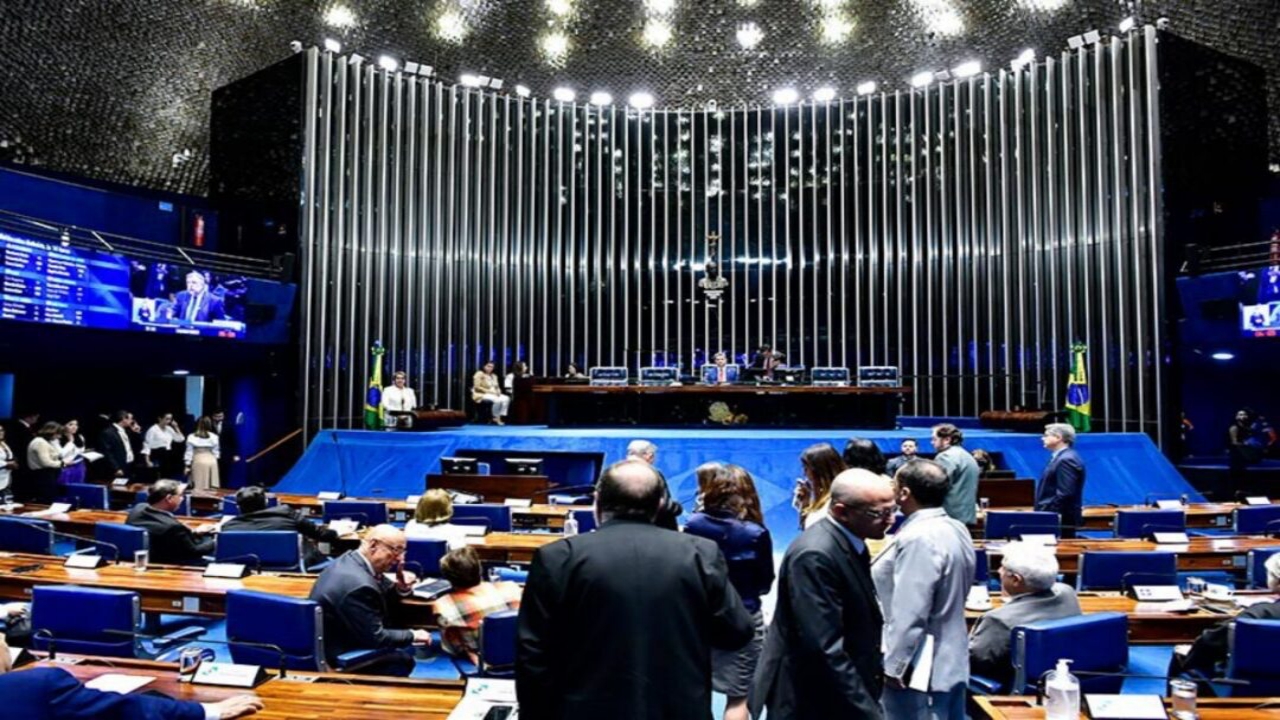
New Government Law Is About to Impact the Career of Millions of Brazilians Who Are Public Servants: Future of PEC 32 Promises to Replace Old Decree and Promote Historic Administrative Reform
It is impossible to ignore the climate of expectation that has taken over the civil service. While many people are still trying to understand what the new law announced by the government may change in the life of every public servant, experts are already treating the moment as the biggest administrative rearrangement since the 1960s.
The reform not only intends to bury decrees created almost six decades ago but also to redesign the role of those who work within the State. And believe me, this goes far beyond the old discussion about the PEC 32.
A Historic Turning Point for Public Service
The federal administration is shaping a text that should finally replace the Decree-Law No. 200, created in 1967 and still in force. At that time, Brazil had a different size, a different public machine, and a different management model. Today, according to the Ministry of Management and Innovation itself, this decree no longer aligns with reality or with the constitutional framework established after 1988.
-
End of the 1-hour lunch break in the CLT? Current labor law maintains the break, allows for negotiated reductions, and defines rules for working hours and home office in Brazil.

-
Employee Fired After Accumulating 114 Days of Medical Leave in One Year, Labor Court Upholds Company’s Decision

-
Employee Fired While Treating Depression Wins in Court and Vale Is Required to Rehire Him Following Decision Based on the CLT and INSS Benefits

-
Workers Should Be Aware! March 6 Will Be The Fifth Business Day Of March And The Final Deadline For Companies To Pay Salaries According To The CLT


Minister Esther Dweck has publicly stated that “Brazil cannot continue managing the State based on a decree almost 60 years old,” emphasizing that modernization is urgent. This statement was reported in an interview with Portal G1, which closely follows the progress of the reform.
To build the new text, the government assembled a robust commission with jurists, public policy analysts, researchers, and experienced civil servants. The group is working alongside the AGU, with a deadline until April 2025 to deliver the final proposal that should give rise to the new law.
Recent Portarias Show That the New Law Is Already in Motion
Although the political debate focuses on the discussion about the PEC 32, which still looms over Congress, the truth is that the administrative reform has already been implemented gradually.
The Portaria No. 5.127/2023, created by the MGI, defined clear rules to guide the restructuring of careers within the federal public service.
José Celso Cardoso Jr., Secretary of Personnel Management, even stated in an interview with the newspaper O Globo that the portaria is “the greatest normative milestone since the Statute of the Server.” He argues that modernization needs to follow a continuous logic, without abrupt ruptures, but also without paralyzing the country with outdated administrative models.
Among the actions already underway are infra-constitutional measures that completely escape the ideological dispute surrounding the PEC.
An example is the Unified National Public Contest, considered by the MGI itself as a historic step towards democratizing access to public service.
Another advancement is the sizing of the workforce, which attempts to adjust civil servants to the real demands of the ministries.
The PEC 32 Still Haunts the Debate, but Has Lost Spotlight
Created in 2020, the well-known PEC 32 was born with the promise of cutting costs and making the State lighter. However, its criticisms were so strong that the proposal ended up being shelved without even reaching the Plenary.
Researchers pointed out structural flaws in the text, especially due to the excessive focus on cost reduction.
Political scientist Michelle Fernandez (UnB) reminds in an interview with BBC Brasil that “the PEC 32 started from a fiscal perspective, not from a project of modernization of the State.” For her, the discussion about efficiency should go beyond the idea that cutting civil servants solves all problems.
Meanwhile, researcher Sheila Tolentino (Ipea) emphasizes that the debate should not be about reducing personnel but about improving the delivery of the State to the citizen. “The quality of the service is at the center of the current reform,” she stated in research published on the Ipea website.
And What About Spending on Civil Servants? Numbers Show Another Reality
In recent years, entities like the CNC have argued that structural reforms could help alleviate the burden of the public machine. Indeed, Brazil’s debt is a real problem, but experts contest the idea that the civil servant is the villain.
Sociologist Félix Garcia Lopes Jr., also from Ipea, explains that “Brazil does not spend too much on personnel; it spends poorly on planning.” Data from the Atlas of the Brazilian State, available on the Ipea portal, confirms that less than 13% of the country’s workforce is in the public service. In OECD countries, this rate exceeds 20%.
Moreover, over 60% of civil servants are in municipalities, working right at the point of service delivery to the citizen. Health, education, and security are the areas that concentrate the most professionals.
In the federal government, the number of civil servants is smaller: about 1.2 million, with just over half active, with a large portion concentrated in the educational sector, particularly universities. Additionally, the highest salaries are not in the Executive, but in the Judiciary and the Legislative.
These data dismantle the narrative that simply cutting personnel would resolve the fiscal issue.
Where Is the New Law Headed?
With pressures, criticisms, and expectations from all sides, the government continues to work on the new legal framework. The idea is clear: to create modern legislation that combines administrative efficiency, appreciation of the public servant, and alignment with constitutional principles.
The first measures already show a more technical and less ideological path. The expectation is that the new law will establish clearer rules for progression, reorganize careers, and clarify the responsibilities of each administrative sphere.
For many experts, this could be the start of a new phase in Brazilian public service, capable of balancing efficiency, stability, and social commitment.
Now, it remains to follow the next chapters. The future of public administration will not be decided by a single decree or an isolated PEC. It will be the result of joint construction between government, society, and those inside the public machine every day.
If you are a public servant or closely follow the topic, it’s worth paying attention: profound changes are on the horizon.
Did you like the content? Then leave a comment with your opinion or share this publication to help more people understand the impact of this new law on Brazilian public service.










-

Uma pessoa reagiu a isso.