





 Portuguese
  English
  Spanish
  3 min of reading
  0 comments


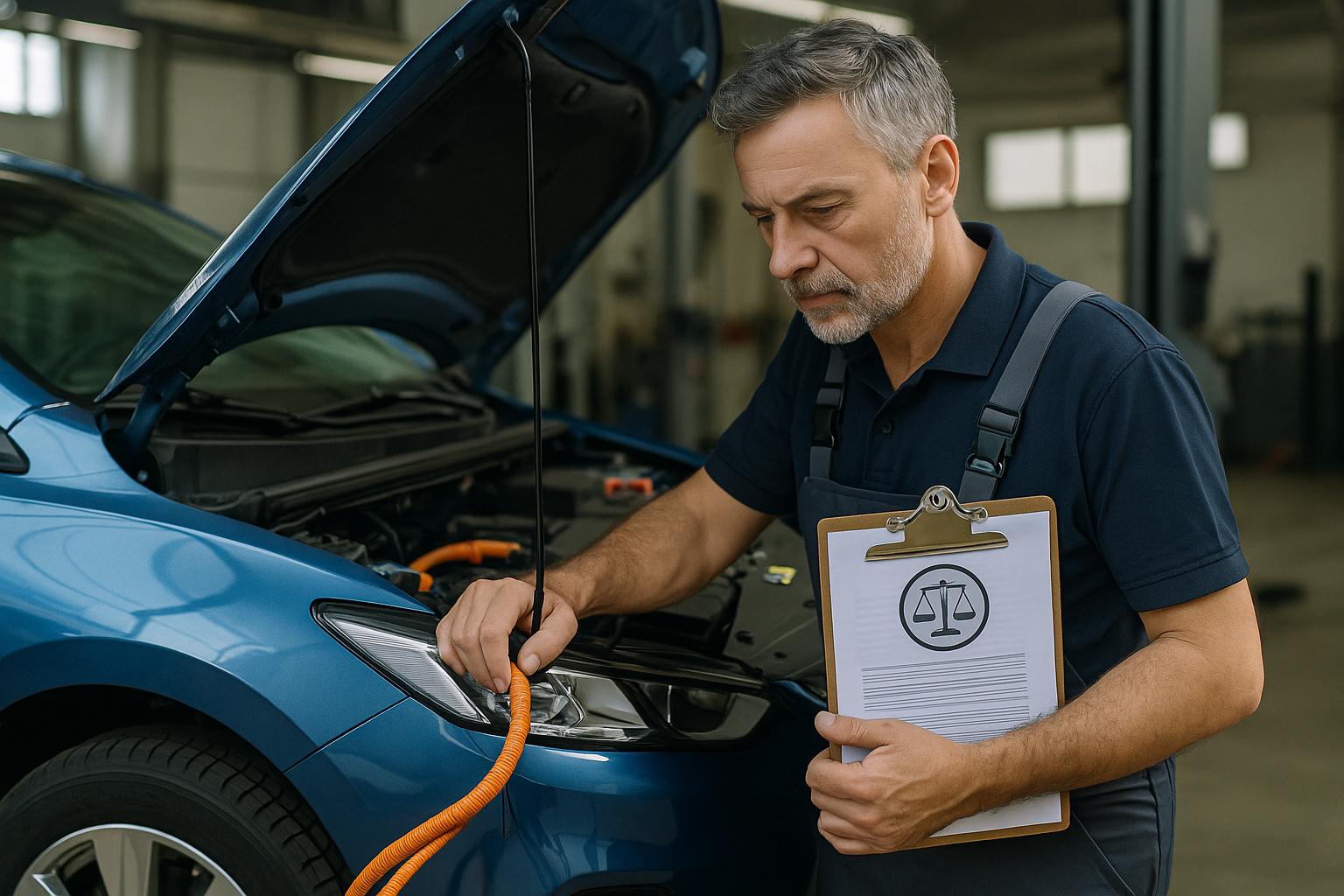
National Standard Details Professional Levels, Standardizes Training, and Organizes the Electric Transition in the Automotive Sector
Beginning in November 2025, Brazil will adopt the ABNT PR 1025, the first technical guideline created by the Brazilian Association of Technical Norms (ABNT) to systematically organize the maintenance, inspection, and repair of electric and hybrid vehicles. This document was developed over nine meetings between 2023 and 2025, according to official records released by the entity.
This standard arises in a time of accelerated growth of the electrified fleet, as stated by Mário William Esper, president of ABNT. Thus, it establishes unprecedented processes for safety and training, structuring professional activity in specialized workshops.
Technical Investigation Defines Professional Levels and Acting Criteria
The guideline presents three levels of professionals. Furthermore, it organizes each category by education, experience, and degree of intervention permitted on vehicles.
-
Goodbye expensive popular car: electric vehicle for less than R$ 70,000 starts being sold in Brazil with a range of 200 km and targets those looking to escape gasoline.
-
China Surprises Automotive Industry With Battery That Promises Electric Car Able to Run Up to 1,000 km Without Recharge
-
Why BYD Grew So Fast in Brazil and How Blade Batteries, Electric Cars, and Industrial Incentives Shaped This Expansion in the National Automotive Sector
-
Electric Cars Make Progress in Brazil in 2026 and Promise to Reduce Drivers’ Costs with Cheaper Energy, While Infrastructure Grows Slowly Across the Country

The Level 1 requires 5th year of elementary school, minimum experience, and limited activity to the mechanical part and interior of vehicles. This level was created because electrical systems pose risks that require specific training.
The Level 2 requires high school with a technical course in electrical or automotive electronics. It allows for mechanical repairs, handling of 12 V systems, and support to the Level 3 professional, as basic electrical components require intermediate training.
The Level 3 demands technical or higher education in automotive electric traction and proven experience. This professional performs complete services on high voltage, replaces electric motors, and manages operations in the workshop, as specified in the official ABNT text.
Additional Requirements Reinforce Safety in Workshops
The regulation imposes additional requirements for operation in the sector. Thus, it determines:
- Minimum course of 160 hours according to the contents of the standard itself or two years of proven practice.
- Supplementary training of 40 hours, with certification regulated by current legislation.
- Formal qualification to operate specific tools and safety equipment.
ABNT explains that the mechanic needs to be trained on the exact model of the vehicle they will repair, as electric vehicles present significant technical differences between manufacturers.
Impacts on the Automotive Sector and the Electric Transition
The document focuses on clear criteria for use of measuring instruments, handling of high voltage, minimum training, and alignment with international safety standards. These elements, according to Esper, make the guideline essential for the qualification of the sector.
The PR 1025 will guide programs for professional training, certifications, technical courses, and public policies aimed at adapting the Brazilian market for electrification.
Tensions and Challenges in Implementing the New Guideline
Despite the importance of the document, its implementation requires technical reorganization in workshops and educational institutions. Therefore, schools, automakers, and companies will need to adjust curricula, training, and infrastructure.
This process occurs because electrification has advanced rapidly since 2023, requiring standardization to avoid risks and ensure safety for consumers and professionals involved.
International Context Reinforces the Importance of the Standard
The adoption of technical guidelines for electric vehicles follows a global trend observed in various countries that seek to standardize procedures to reduce accidents and qualify the workforce. Therefore, the PR 1025 positions Brazil among the nations that structure the electric transition with a focus on technical safety.
What Does the Future Hold for the Brazilian Automotive Sector?
Experts say that the implementation of the standard could redefine workshops and technical courses. Thus, the country will rely on continuous training, alignment between training entities, and rigorous oversight.
Meanwhile, the advancement of electrification requires workshops to adapt processes to ensure safety in all maintenance procedures.
Do you believe that the adoption of this standard will accelerate the qualification of the Brazilian automotive sector or will it require a slower and more careful transition?








Seja o primeiro a reagir!