





 Portuguese
  English
  Spanish
  4 min of reading
  0 comments


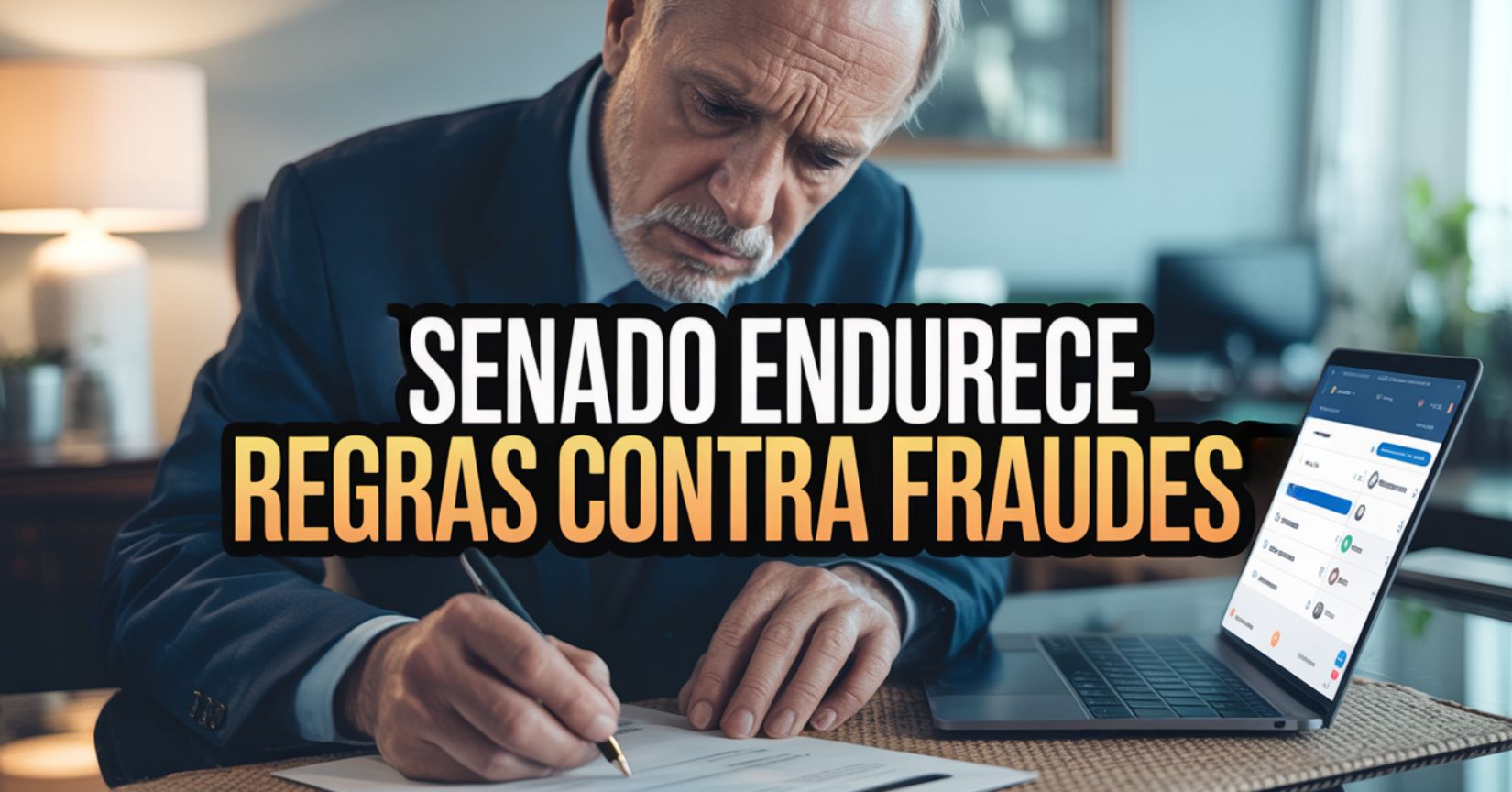
Senate Approves Bill That Requires Physical Signature from Seniors Even in Digital Banks. The New Rule Aims to Curb Fraud and Loans Made Without Consent, Punishing Institutions That Violate the Law.
On June 11, 2025, the Federal Senate approved a bill that promises to tighten the rules for the hiring of loans and financing by elderly individuals. Bill 74/2023, authored by Senator Chico Rodrigues (PSB-RR), stipulates that banks and finance companies — including digital ones — can only release credit to seniors with a physical and in-person signature. The measure aims to curb the rise of fraud and banking scams, which have become one of the most common financial crimes against people over 60 years old.
What Changes with the New Rule That Requires Physical Signature from Seniors Even in Digital Banks?
According to the text approved by the Audit and Control Commission (CTFC), no credit contract made by seniors may be completed only digitally.
Even if the bank operates exclusively through an app, it will be mandatory for the client to physically sign the document, in their own handwriting, proving that they understood the loan conditions.
-
The noise law will no longer be in effect at 10 PM starting in June with a new rule valid during the 2026 World Cup.

-
The Chamber opens a debate on driver’s licenses at 16 years old as part of a reform that includes around 270 proposals to change the Brazilian Traffic Code and may redesign rules for licensing, enforcement, and circulation in the country.

-
The new Civil Code could revolutionize marriages in Brazil with “express divorce” and changes that could exclude spouses from inheritance.
-
Banco do Brasil sues famous influencer for million-dollar debt and intensifies debate on delinquency, risks of seizure, and direct impact on Gkay’s credibility.


“The goal is to curb a flood of fraud and scams, especially in payroll loans, where seniors have loans taken out without knowing. The physical signature brings security and transparency to the process,” explained Senator Chico Rodrigues during the vote.
The bill also stipulates that the financial institution must record the delivery of the contract or obtain notarization, as a means of proving the client’s consent.
Digital Scams Against Seniors Have Multiplied
According to data from the Central Bank and the Brazilian Federation of Banks (Febraban), fraud against seniors in financial transactions rose 60% between 2022 and 2024. A large part of these occurs in payroll loans made remotely, without in-person confirmation.
The Consumer Defense Institute (Idec) points out that thousands of retirees discover active loans without ever having signed anything. In many cases, the hiring is done using misuse of personal data, document forgery, and tampered phone recordings.
“Digital banks brought convenience, but they also created fertile ground for scams. Seniors often don’t even know they’ve taken out a loan until they see the deduction on their benefits,” said public defender Márcia Lins, a specialist in consumer law.
Responsibility of Financial Institutions Regarding Loans Made Without Consent
With the approval of the bill, institutions become directly responsible for ensuring that the contract is signed physically and securely. If they fail to comply with the rule, they may be fined and required to fully refund any improperly deducted amounts, as well as be liable for moral and material damages.
The text also reinforces the role of the National Agency for Consumer Protection and Defense (Senacon) and the Central Bank in monitoring contracts, requiring that each credit operation to seniors be documented and auditable.
Debate in the Senate and Next Steps
The bill received unanimous support in the CTFC and now proceeds to analysis by the Economic Affairs Committee (CAE) before being voted in plenary. If approved by the Senate and the Chamber of Deputies, the text will move on for presidential sanction.
During the vote, Senator Eduardo Girão (Novo-CE) stated that the measure is essential to combat “the black credit market” aimed at retirees:
“Many seniors sign without understanding or don’t even sign. It is the State’s duty to ensure that hiring is done with full awareness, not with a click on a cellphone that the senior themselves may not even know how to use.”
Social Impact of the Measure
Experts point out that the proposal should drastically reduce scams related to payroll loans and increase trust in financial institutions.
According to estimates from Febraban, almost 70% of fraud against seniors involves loans made remotely, without physical signatures or appropriate authentication.
With the requirement for in-person presence, each contract will now necessitate a physical validation step, which should make fraud more difficult and protect retirees and INSS pensioners.
Furthermore, the bill could pave the way for new complementary regulations, such as creating biometric security registries and electronic notarization, strengthening the fight against financial crime.
A New Chapter in the Protection of Seniors
The proposal emerges at a time of strong expansion of digital banks and increasing vulnerability of the elderly population. For the rapporteur of the bill, Senator Chico Rodrigues, the text represents “a civilizational landmark in the financial system”:
“It is essential to understand that seniors are the main target of scammers. This project is not against technology; it is in favor of security and respect for elderly individuals.”
With approval, Brazil gets closer to countries like Portugal and Canada, which already require physical or enhanced biometric signatures for credit operations with seniors.










-

-

-

-

-

-

53 pessoas reagiram a isso.