





 Portuguese
  English
  Spanish
  4 min of reading
  4 comments


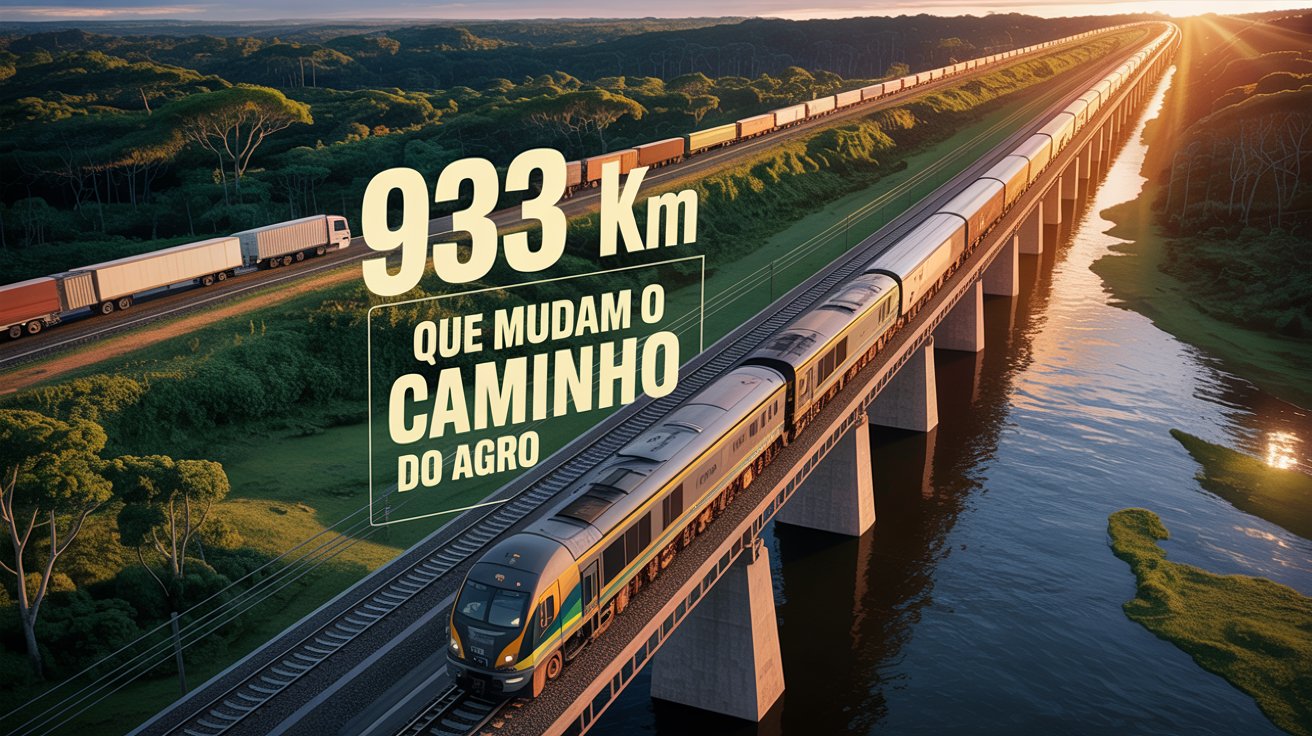


The 933 Km Railroad Promises Logistical And Environmental Changes In The Axis Between Sinop And Miritituba, With Work Expected To Advance After A New Stage Of Environmental Licensing.
The New Railroad Will Remove More Than 400 Trucks From BR: Learn About The 933 Km Project, 65 Bridges, And Zero Impact On Indigenous Areas That Promises To Save R$ 8 Billion Annually
The railroad designed to connect Sinop (MT) to Miritituba (PA), known as Ferrogrão, has gained a new route of 933 kilometers and has returned to the center of logistical debate in the country.
The current proposal aims to remove over 400 trucks per day from BR-163. The project indicates a reduction of up to 20% in agricultural freight costs.
-
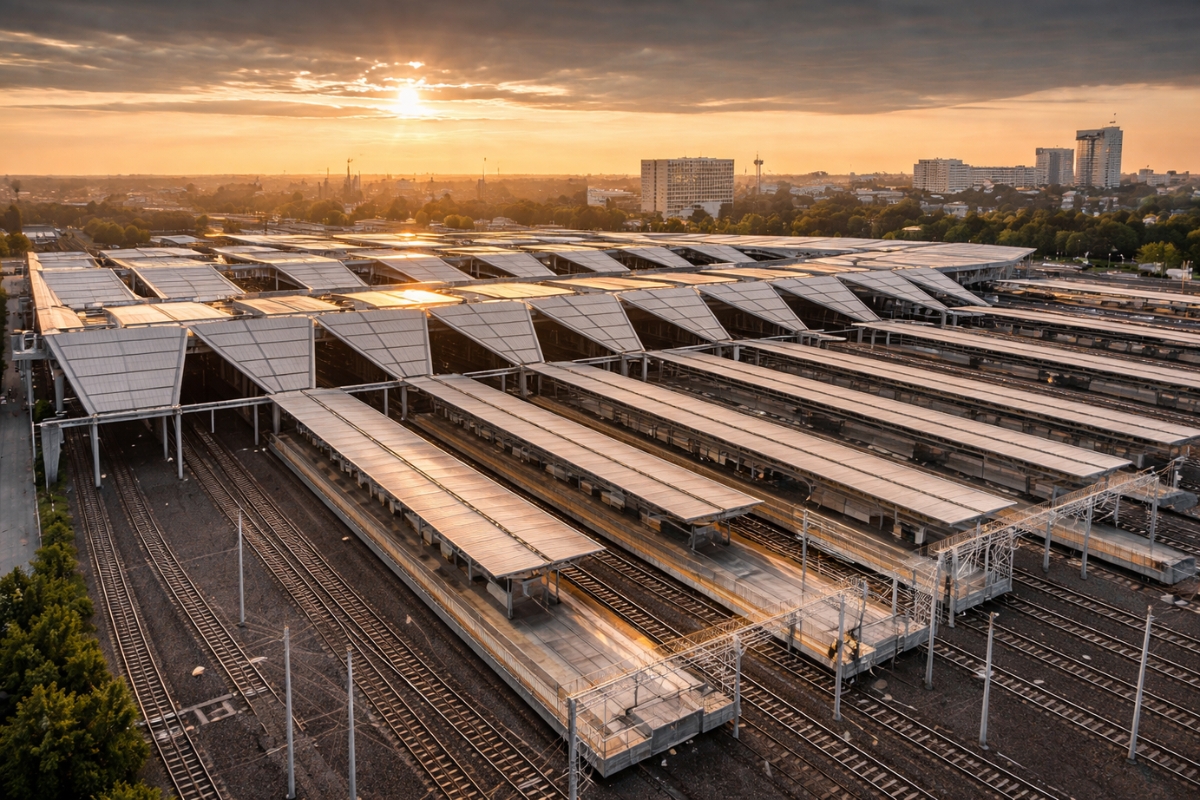
In A European City, The Country’s Largest Railway Junction Was Modernized Without Closing Its Doors, Kept Trains Running During Years Of Construction, Now Serves Up To 60,000 Passengers Per Day, And Installed Solar Panels That Generate About 30% Of Its Energy
-
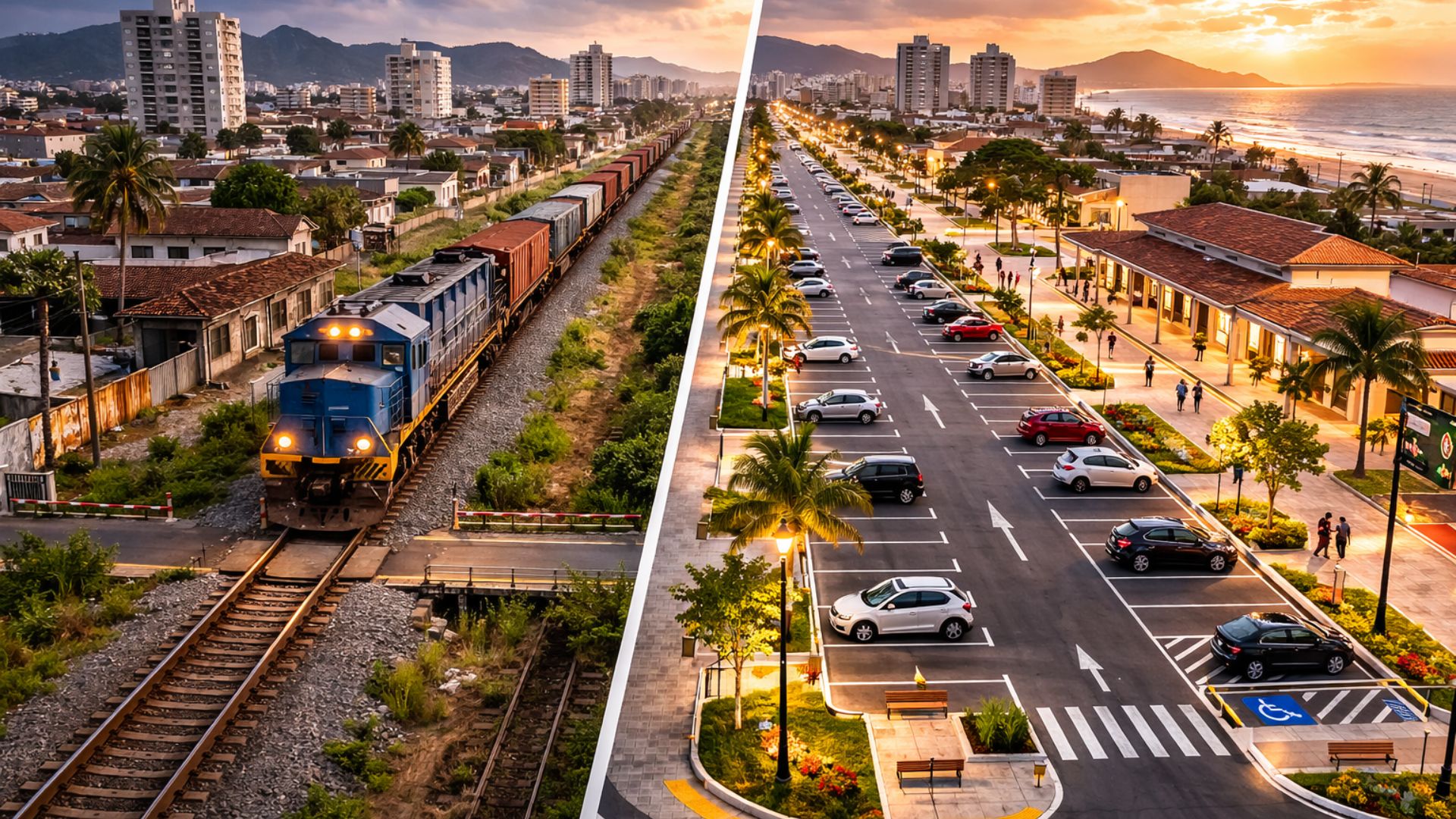
Famous Brazilian Railway May Become a Parking Lot
-
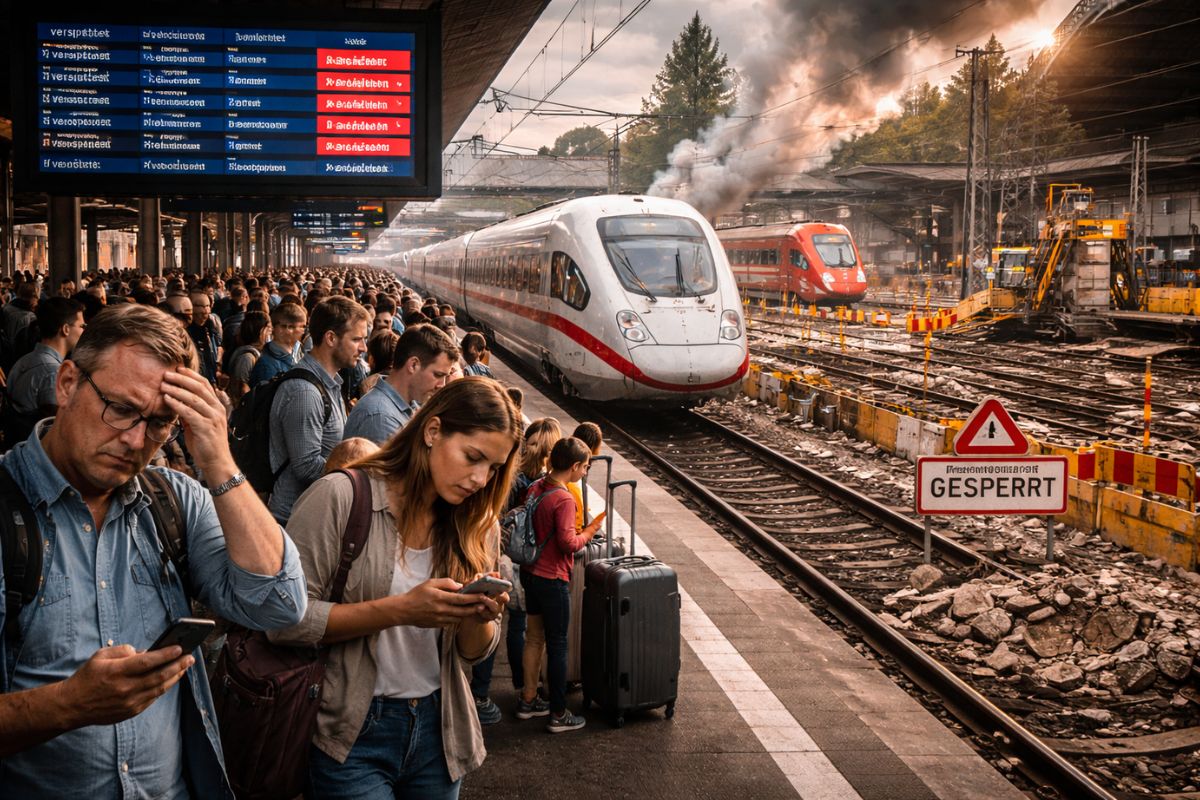
The Country of “Punctual As a Train” Admits It Has Lost Control: High-Speed Trains Delay, Stop, Disappear from the Map and Turn 6-Hour Trips into 10, While Deutsche Bahn Promises Restructuring in 2026 But Faces 19th Century Infrastructure, Staff Shortages and Sections Closed for Months
-
With an Investment of R$ 700 Million in One of the Country’s Main Rail Networks, VLI Reinforces Infrastructure, Receives 8 New Locomotives, and Expands the Corridor Connecting 7 States, Boosting Jobs and the Transportation of Grains, Ore, and Oil Products to the Port of Santos
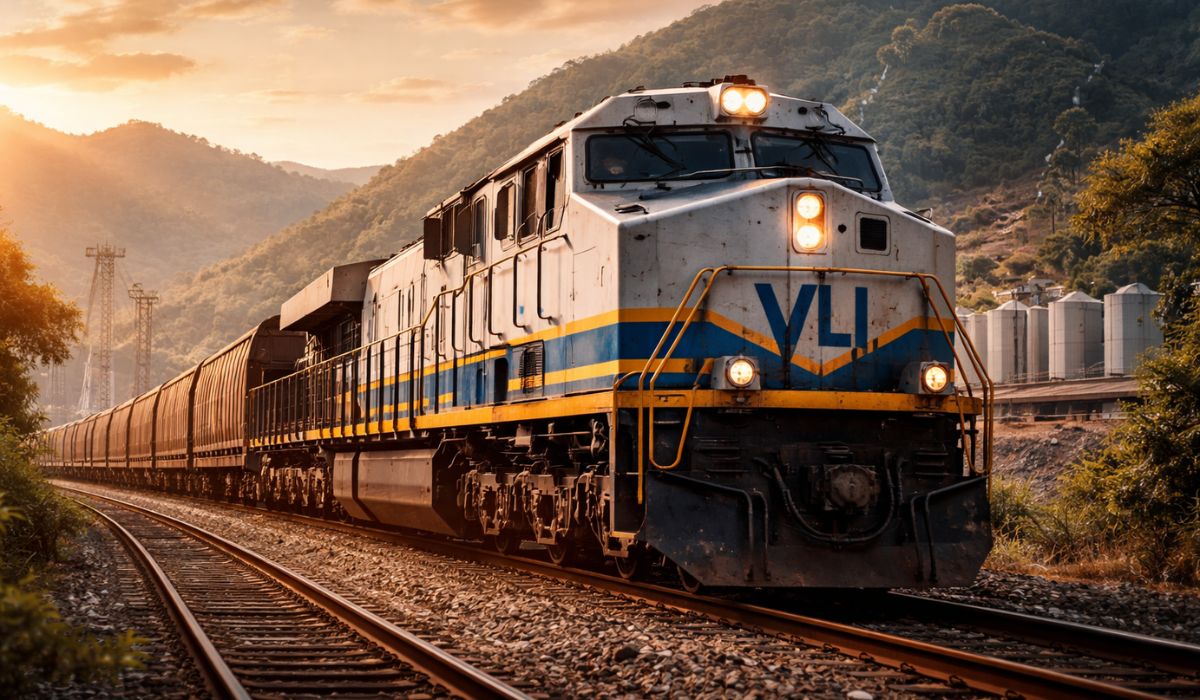

The estimate is an annual saving of R$ 8 billion for agribusiness. The updated route claims not to cross indigenous lands and aims to minimize impacts in sensitive areas.
Ferrogrão Route And Current Phase Of The Project
The updated project was presented in Sinop by businessman Guilherme Quintella, president of Estação da Luz Participações (EDLP).

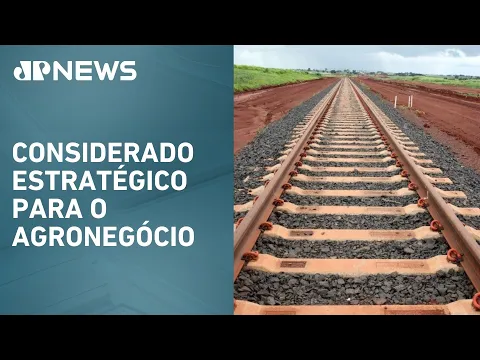
The railroad will follow parallel to BR-163, a corridor that connects the Midwest to the Northern ports. The new route was designed to bypass indigenous lands and the Jamanxim National Park.
The proposal states that there will be no direct impact on indigenous territories, and the project mentions that about 60% of the domain area is already deforested.
The study anticipates occupancy equivalent to 0.1% of the original area of the Jamanxim National Park.
Compensation is planned with the planting of 2 thousand hectares of native vegetation, and according to the information, environmental licensing is identified as a decisive step before the concession notice.
The expectation presented is for an auction in 2026. The estimated completion date for the works is 2035, if the schedule is maintained.
Legal Actions And Socio-Environmental Debates
The Ferrogrão is currently under analysis in the Supreme Federal Court (STF).
The action was proposed by PSOL and questions changes made in 2016 to the boundaries of the Jamanxim National Park. The injunction from 2021 suspended the advancement of the project.
The federal government presented opinions defending that the route should be implemented within the domain area of BR-163.
Indigenous and environmental organizations assert that the route may cross sensitive areas.
These groups cite the risk of indirect deforestation, agricultural expansion, and land conflicts.
Independent studies question the relationship between logistical gains and environmental impacts.
Engineering Structure And Planned Works
The project foresees 65 railway bridges, totaling 81 kilometers in length. There are also plans for 4 railway viaducts, totaling about 500 meters.
The plan includes 10 road viaducts. There are 48 crossing yards planned along the railroad.
The largest bridge will be built over the Peixoto River, measuring approximately 250 meters. The project indicates that there will be no need for tunnels.
The proposal indicates that it will not be necessary to resettle communities.
Reduction Of Logistical Costs And Impact On Transportation

Studies indicate a reduction of up to 20% in agricultural freight costs. The estimated annual savings is R$ 8 billion.
The anticipated capacity is up to 69 million tons per year. Each composition could transport about 16,9 thousand tons.
This capacity could replace approximately 422 trucks per trip. The projection indicates a daily removal of more than 400 trucks from BR-163.
The lower flow of heavy vehicles is expected to reduce wear on the highway. Experts mention a possible decrease in the risk of accidents.
CO₂ Emissions And Environmental Compensations
Project studies estimate a 40% reduction in CO₂ emissions in the logistics corridor.
The decline could represent around 3.4 million tons of carbon dioxide per year.
The plan includes the planting of 2 thousand hectares of native vegetation as compensation.
Independent researchers assert that benefits could be reduced due to indirect deforestation.
This point remains a source of divergence between the government, the productive sector, and environmental entities.

Logistical Integration In The Northern Arc
The project includes railway terminals in Sinop and Miritituba. The plan foresees four new river ports in Santarém, Barcarena, Itacoatiara, and Santana (AP).
The expectation is to enhance the integration between railroads and river navigation. The Northern Arc is regarded as an alternative route to the ports of the South and Southeast.
The configuration reduces the distance for exports from the Midwest. This route is expected to favor shipments headed to Europe and Asia.
Truck Drivers And Multimodal Integration
The project does not eliminate the participation of truck drivers. The technical team states that the truck will remain essential to transport goods to the railway terminals.
The anticipated change is the reduction of long trips to the ports. Experts say that the model can ease freight demand spikes.
The productive sector assesses that multimodal integration brings greater predictability to the flow of goods.
Do You Believe That Ferrogrão Will Be Able To Advance After The Licensing And Judicial Analysis Stages?








PARA VARIAR. IBAMA, MP, PARTIDOS DA EXTREMA ESQUERDA COMUNISTA E JUDICIÁRIO ATRAPALHANDO O BRASIL COMO SEMPRE.
E como encherão o lago gatun no Panamá sem o qual tal ferrovia caríssima não existe?
E como farao para levar agua para o lago gatun NO PANAMÁ – cada dia mais raso pelas mudanças climaticas – e sem o qual TAL FERROVIA NÃO EXISTE?