





 Portuguese
  English
  Spanish
  4 min of reading
  0 comments


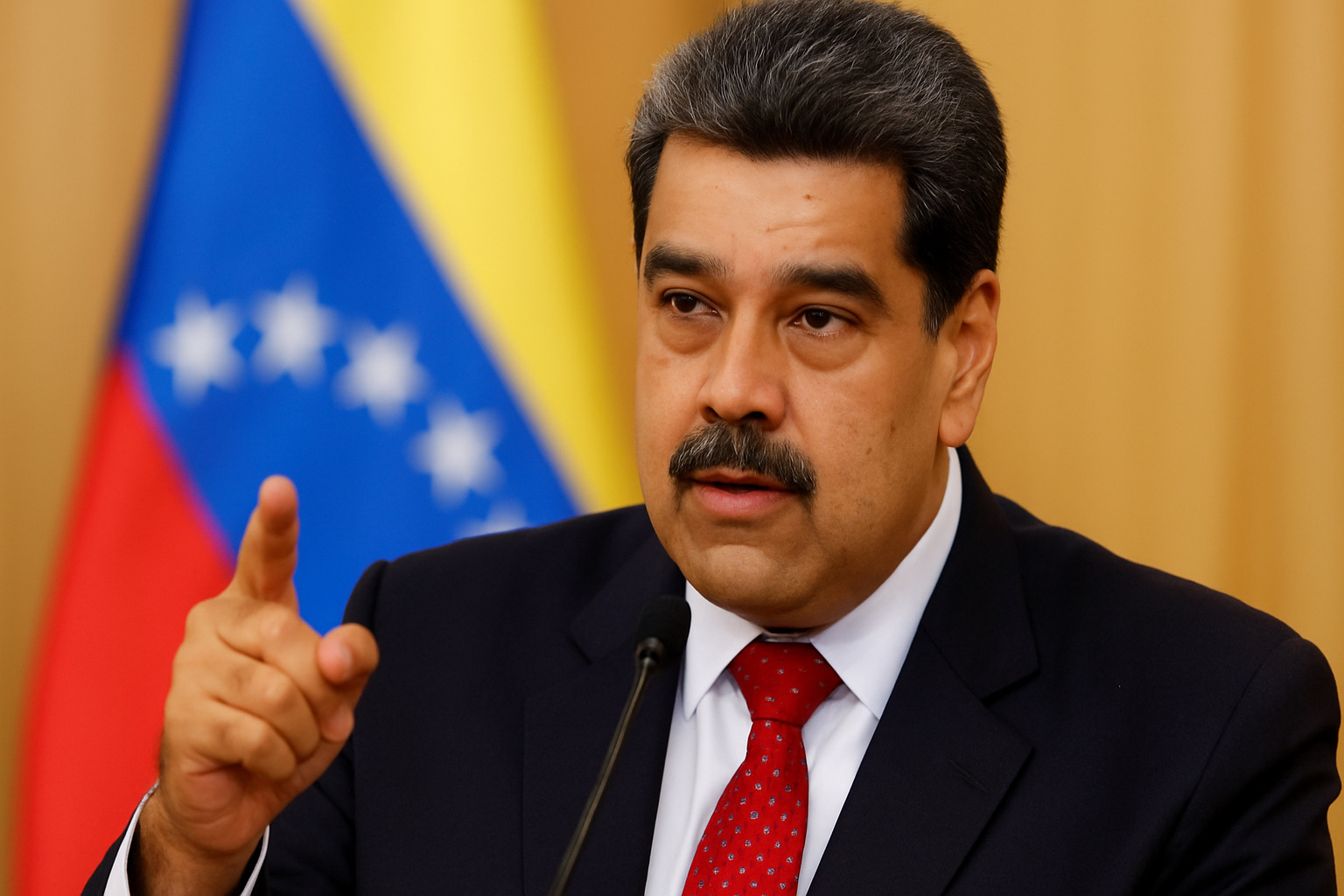
The Formal Request for Help Made by Nicolás Maduro to the OPEC Reignites an Old Dilemma: How to Reconcile the Oil Production of the Largest Reserve in the World with the Imperatives of Sustainability.
Maduro sent a letter to the leadership of the OPEC on November 30, 2025, accusing the United States of seeking to control Venezuelan reserves through military force. The correspondence was read by Venezuelan Vice President Delcy Rodríguez during a virtual meeting of the bloc.
In the letter, Venezuela calls for international solidarity to “contain American aggression” and to defend what it considers the energy heritage of its population and the stability of the global oil market.
Geopolitical History and the Importance of Venezuela for Global Oil
Venezuela possesses some of the largest oil reserves in the world, which has historically given the country a strategic position in the global market.
-
The rise in oil prices could ensure an extra revenue of R$ 100 billion for the Federal Government, indicates a recent economic study.

-
Naturgy begins an investment of R$ 1.6 million to expand the gas network in Niterói and benefit thousands of new residences and businesses.
-
A major turn in the Justice system suspends tax increases and directly impacts oil and gas companies in Brazil by affecting costs, contracts, and financial planning, leaving uncertain what could happen to the sector if these costs had increased.

-
Brava Energia begins drilling in Papa-Terra and Atlanta and could change the game by reducing costs in oil while increasing production and strengthening competitiveness in the offshore market.

However, since the 2010s, international sanctions, internal management challenges, and economic crises have drastically reduced the production and export capacity. Still, the country remains relevant — and sensitive — in the face of global energy conflicts.
Now, with the military escalation in the Caribbean waters — which includes warships, aircraft carriers, and fighters — according to the Venezuelan government, the threat exceeds internal risks. Venezuela claims that such mobilization aims to oust its government and take control of its reserves.
Sustainability At Risk: Oil, Peace, and Global Balance
When one country accuses another of trying to “steal” its energy reserves, the discussion transcends diplomatic rhetoric. It directly touches on Global Sustainability.
For starters, instability in a country with vast reserves can affect global supply. This alone poses risks to energy chains in various countries. Therefore, Maduro’s letter to the OPEC does not only request political support — it warns of the international impact of a potential military escalation.
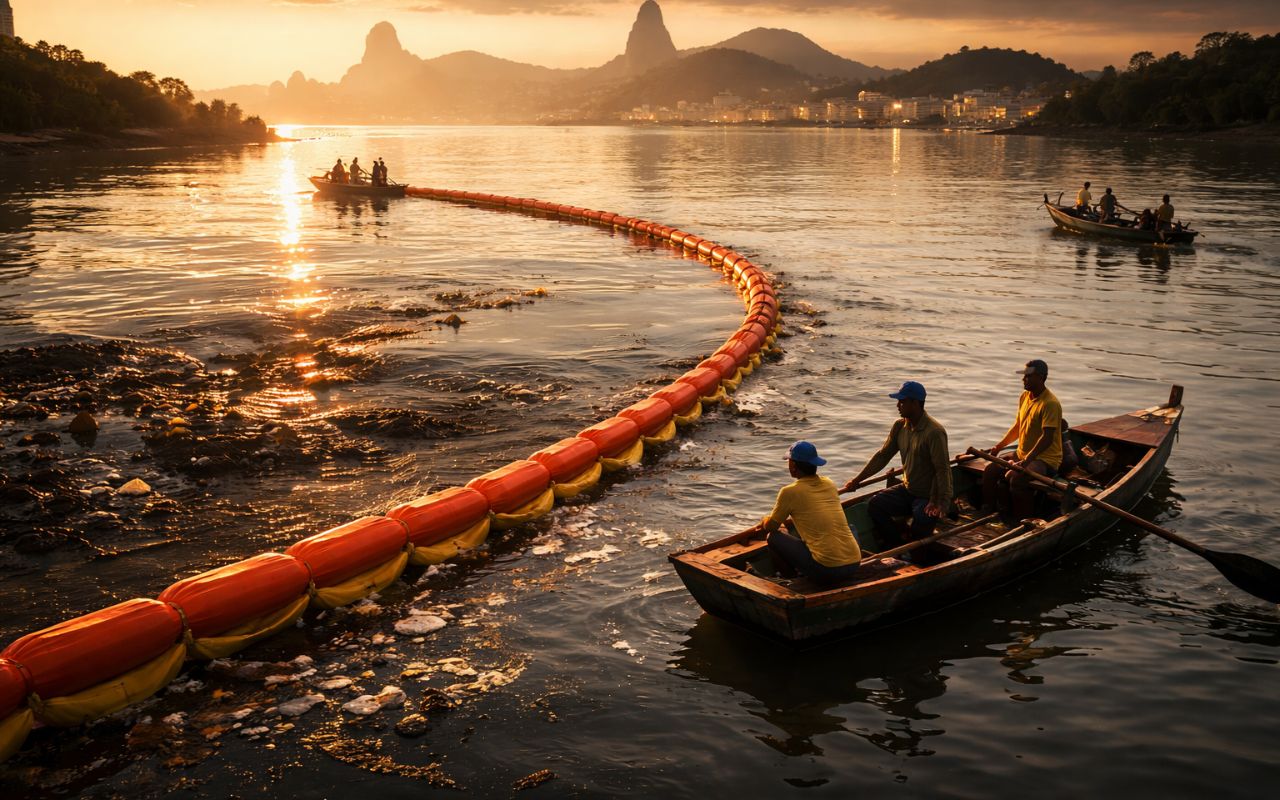
Moreover, the extraction of these resources has always implied a high environmental cost. Venezuela coexists with fragile ecosystems, vulnerable coastal areas, and traditional communities. In a context of military tension, this cost increases — environmental disregard, risk of spills, and threat to biodiversity.
Thus, Maduro’s denunciation suggests that international pressure on natural resources may stem from geopolitical strategies — and not just from price disputes. In this way, the debate on sustainability needs to incorporate challenges of security, international justice, and environmental protection.
The Position of the OPEC and the Dilemmas for Producing Countries
The OPEC, founded in 1960 with Venezuela among the founding countries, has historically sought to manage global oil supply and demand.
Now, in light of Maduro’s accusations, the bloc faces a dilemma: support Venezuela politically and risk international retaliation — or prioritize global market stability.
Smaller producer countries dependent on the global energy market may face consequences if the crisis escalates. Distrust grows, investors leave, and abrupt fluctuations in oil prices can jeopardize local economies.
At the same time, there is a risk that conflict rhetoric could lead to hasty exploratory decisions, without environmental criteria, merely to secure control of resources. This complicates the real possibility of energy transition and harmony with sustainable production standards.
Energy Sustainability and the Urgency of Diversification
This episode confirms that, even in an energy-driven world, exclusive reliance on fossil fuels makes societies vulnerable.
For sustainability to prevail, producing countries — including Venezuela — would need to diversify their energy matrix. This would involve investment in renewable energy, gradual transition, and a commitment to environmental and social goals.
Furthermore, the governance of resources must be transparent. The oil industry requires strict regulation, independent oversight, environmental clauses, and respect for local communities.
Only then can extraction coexist with conservation — although many contest whether this balance remains possible when there is geopolitical dispute and risk of conflict.
Possible Scenarios and Long-Term Impacts
If the OPEC mobilizes in favor of Venezuela, the global market may receive a signal against external intervention — and strengthen the energy sovereignty of producing countries. This could influence political and economic decisions on a global scale.
On the other hand, if the crisis worsens and generates real instability, there may be price increases, supply shortages, and pressure for alternative energy sources. This scenario would accelerate the transition to renewables — but at the cost of conflict and insecurity.
Ultimately, the resumption of Venezuelan production will depend on overcoming sanctions, rebuilding infrastructure, and committing to social and environmental standards. This requires time, resources, and clear governance.
Reflection on the Challenges of Sustainability in the 21st Century
Maduro’s petition to the OPEC shows that oil remains a strategic asset — and a source of risk, not only economic but also political and environmental.
At this moment, sustainability does not mean just clean energy or emission reduction. It also means stability, international justice, protection of natural reserves, and respect for the sovereignty of countries.
Therefore, the Venezuelan case reinforces that the global energy transition needs to be accompanied by structural solutions: diversification, transparent governance, climate commitment, and international cooperation.
Because, after all, the sustainability of a country depends on the sustainability of the planet — and on how we choose to manage our natural resources.





Seja o primeiro a reagir!