





 Portuguese
  English
  Spanish
  5 min of reading
  0 comments


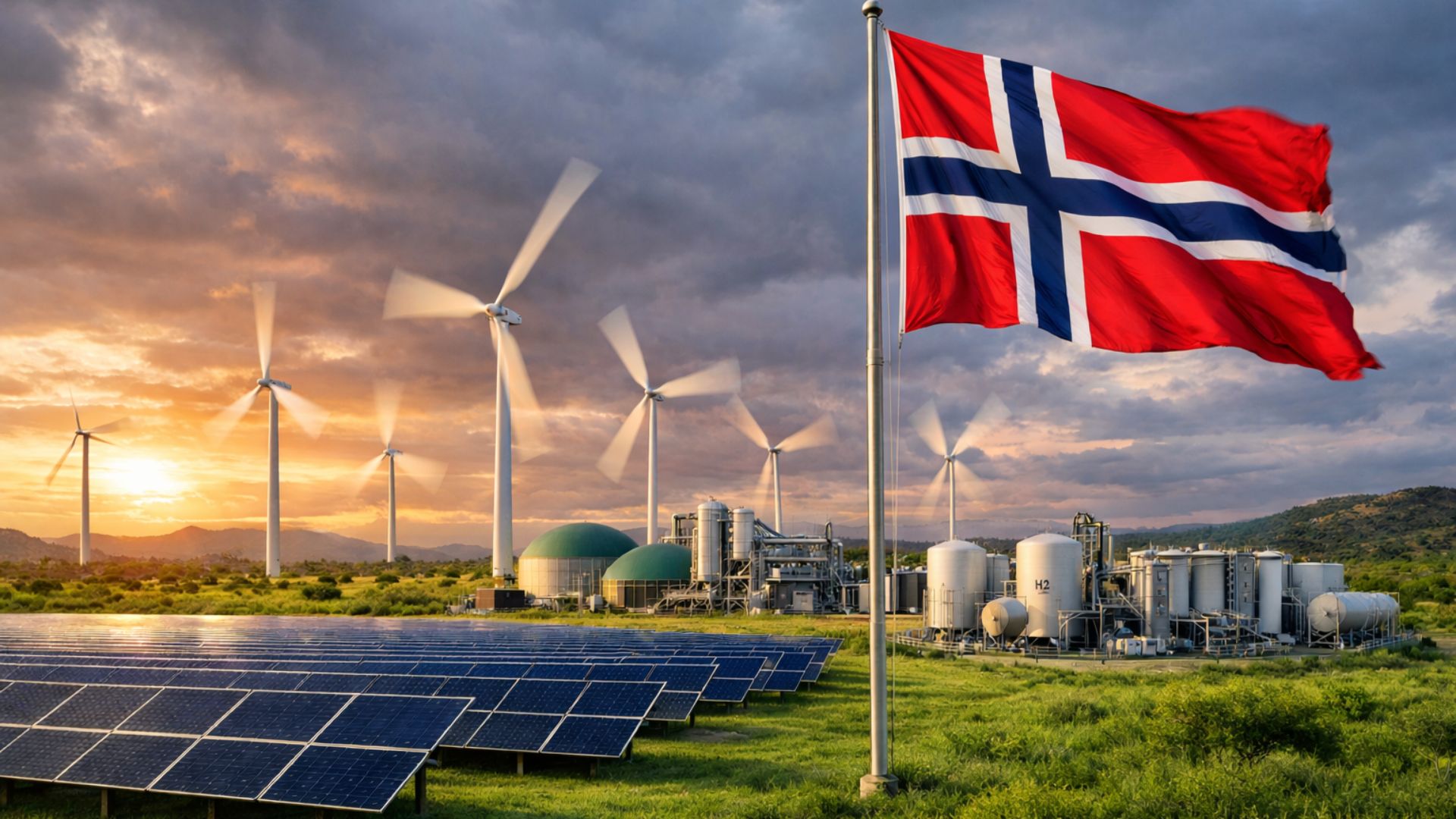
Norwegian Investments in Brazil Total US$ 14 Billion, Highlighting Renewable Energies, Green Technology, and Job Creation. Understand the Impacts on Energy Transition and Global Competitiveness.
The presence of Norway in Brazil reached a new strategic level in 2024. According to the report “Norway in Brazil: Investments and Trade 2025”, prepared by Menon Economics at the request of the Consulate General of Norway in Rio de Janeiro, Norwegian investments in the country totaled US$ 14 billion between 2015 and 2024 — the highest volume in the historical series that began in 2015.
According to a publication by the website Além da Energia, from Engie, on February 23, of this total, about US$ 1.8 billion was allocated, since 2023, to projects related to energy transition, focusing on solar, wind, bioenergy, hydrogen, and low-carbon industrial solutions. This movement consolidates Brazil as one of the main global destinations for Norway’s capital, only behind Europe and the United States.
In addition to the financial impact, the presence of approximately 300 Norwegian companies in Brazil already accounts for around 120 thousand jobs and an estimated contribution of US$ 5.1 billion to the Gross Domestic Product (GDP). The advancement reinforces the role of renewable energies, green technology, and international cooperation as vectors of competitiveness.
-
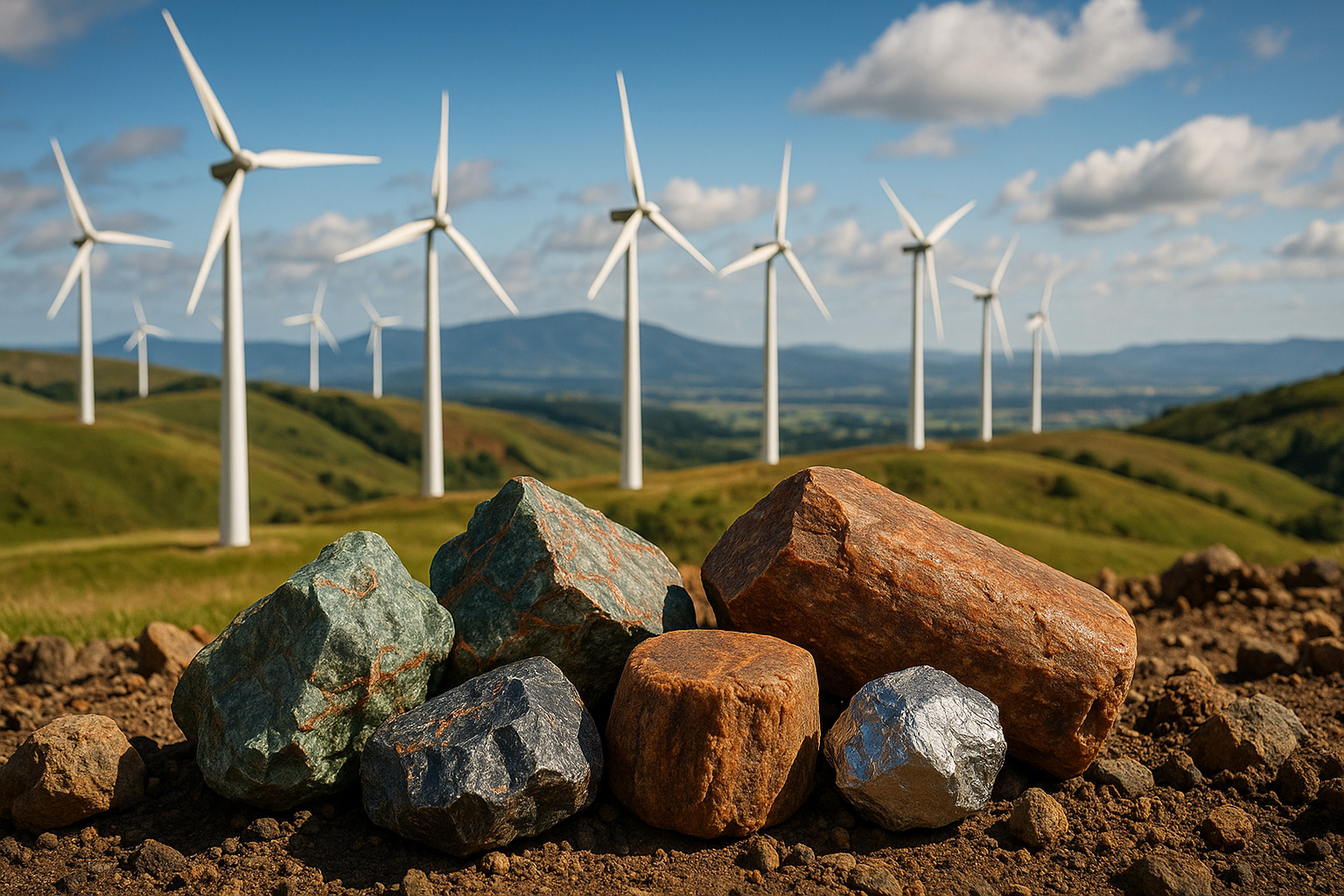
The Brazilian state accelerates industrial competitiveness with a focus on the extraction of strategic minerals to boost the energy transition in Goiás.
-
A Canadian retiree creates a hydroelectric system on a real river, generating energy continuously throughout the day and demonstrating how the power of water can supply a house with stability even in a simple structure.

-
Petrobras reaffirms its commitment to the market and ensures that it will carry out the energy transition safely to maintain national sovereignty.

-
Researchers discover a possible hydrogen deposit of up to 46 million tons beneath an ancient coal basin, and the volume could exceed half of the entire global production.


Norway and Renewable Energies Consolidate Historic Cycle of US$ 14 Billion in Investments
The volume of US$ 14 billion invested by Norway between 2015 and 2024 highlights the consolidation of a long-term economic relationship. Brazil currently ranks 12th among the main destinations for Norwegian foreign investment, recording a 200% increase in capital flow over the last decade.
The energy transition has gained recent prominence. Since 2023, approximately US$ 1.8 billion has been directed to projects related to renewable energies. The focus includes solar and wind generation, bioenergy production, hydrogen, and the development of industrial solutions with lower carbon intensity.
Among the emblematic projects is the wind complex Ventos de Santa Eugênia, developed by Statkraft and inaugurated in 2024 in Bahia. It is the largest project of the company outside of Europe, consolidating Brazil as a priority market for the company’s international expansion.
Another highlight is the work of Hydro Rein, which operates solar and wind power plants connected to the National Interconnected System (SIN). Yara, in Cubatão (SP), has begun production of renewable ammonia with a reduction of up to 75% in emissions per ton, using biomethane as an energy input. These investments demonstrate how renewable energies have become a structural axis of bilateral cooperation between Brazil and Norway.
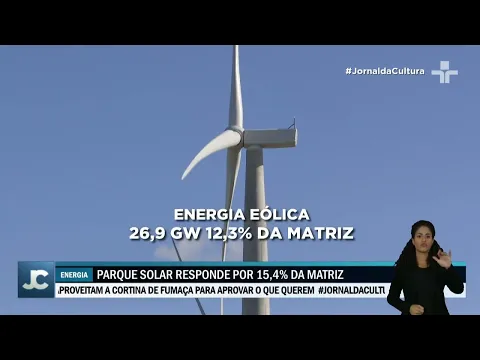

Green Technology Strengthens Productive Chains and Increases International Competitiveness
The transfer of green technology is one of the most relevant aspects of this partnership. Norway has a tradition of innovation applied to sustainability, especially in clean energy, industrial efficiency, and low-carbon maritime solutions.
In Brazil, this knowledge helps modernize energy and industrial infrastructure. Projects focused on renewable energies incorporate more efficient systems, process digitization, and environmental standards aligned with the requirements of international markets.
The adoption of green technology enhances the competitiveness of companies established in the country. Products and services with a lower carbon footprint find greater acceptance in economies that adopt strict decarbonization policies, especially in Europe.
Moreover, the integration of sustainable solutions strengthens local productive chains. Brazilian suppliers begin to operate with higher technical standards, increasing their insertion in global markets and raising the added value of national production.
Job Creation Driven by Renewable Energies and the Offshore Sector
The presence of around 300 Norwegian companies in Brazil, operating through subsidiaries, commercial offices, or local representatives, sustains approximately 120 thousand direct jobs. These positions cover sectors such as energy, industry, maritime transport, logistics, and offshore activities.
In the maritime and offshore supply sector, the numbers are also significant. In 2024, investments reached US$ 642 million in the maritime segment and US$ 287 million in the offshore supply area. At least 80 Norwegian companies linked to the offshore sector and around 60 maritime companies currently operate in the country.
The expansion of renewable energies is likely to further enhance the creation of qualified jobs. Solar, wind, and low-carbon industrial projects require specialized professionals in engineering, system operation, maintenance, and technological innovation.
This scenario creates opportunities for Brazilian workers and strengthens the formation of technical personnel. The connection between green technology and job creation solidifies a model of economic growth with lower environmental impact.
Bilateral Trade and Strategic Expansion of Norway in the Brazilian Market
Trade between Brazil and Norway also recorded significant results. In 2024, Norwegian exports to Brazil totaled US$ 2.1 billion. Among the main products are industrial equipment, maritime solutions, and fishery products.
The fishery sector, led by cod, generated US$ 102 million during the period. These numbers reflect the diversification of the commercial relationship, which goes beyond energy and includes industrial and food segments.
The expansion of investment in renewable energies contributes to strengthening this exchange. Companies operating in Brazil with green technology and sustainable solutions broaden the possibilities for commercial integration with demanding markets.
The estimated contribution of US$ 5.1 billion to Brazil’s GDP reinforces the structural impact of the Norwegian presence. The flow of foreign capital not only stimulates strategic sectors but also generates multiplier effects in the local economy.
Energy Transition as the Central Axis of Brazil–Norway Cooperation
Since 2023, the energy transition has established itself as one of the fundamental pillars of cooperation between Brazil and Norway. Economic diplomacy reinforces that Brazil has become a strategic destination for Norwegian companies, only behind Europe and the United States.
The Brazilian potential in renewable energies is one of the determining factors for this choice. The country has a predominantly renewable electricity matrix and ample availability of natural resources for solar and wind expansion.
The combination of foreign capital, green technology, and natural resources creates a favorable environment for sustainable innovation. Projects aimed at low-carbon hydrogen and industrial decarbonization point to new frontiers for growth. This movement positions Brazil as a protagonist in the global energy transition, while simultaneously strengthening Norway’s international strategy.

Perspectives for the Future of the Partnership in Renewable Energies and Green Technology
The advancement of Norwegian investments indicates that cooperation is expected to deepen in the coming years. The historical growth of 200% in the invested volume over the last decade demonstrates a consistent trend of expansion.
With US$ 14 billion invested between 2015 and 2024 and US$ 1.8 billion recently directed towards energy transition, Norway consolidates its role in renewable energies in Brazil. The creation of 120 thousand jobs and the contribution of US$ 5.1 billion to GDP highlight concrete economic impacts.
The integration of the offshore sector, maritime industry, and green technology creates new opportunities for sustainable innovation. The expectation is that low-carbon projects will continue to attract investments, strengthening Brazilian competitiveness in the international scenario.
For companies and professionals, the outlook is promising. The expansion of renewable energies, the increasing demand for green technology, and the generation of qualified jobs indicate that the partnership between Brazil and Norway will remain a benchmark in sustainable and strategic economic cooperation.








Seja o primeiro a reagir!