





 Portuguese
  English
  Spanish
  4 min of reading
  0 comments


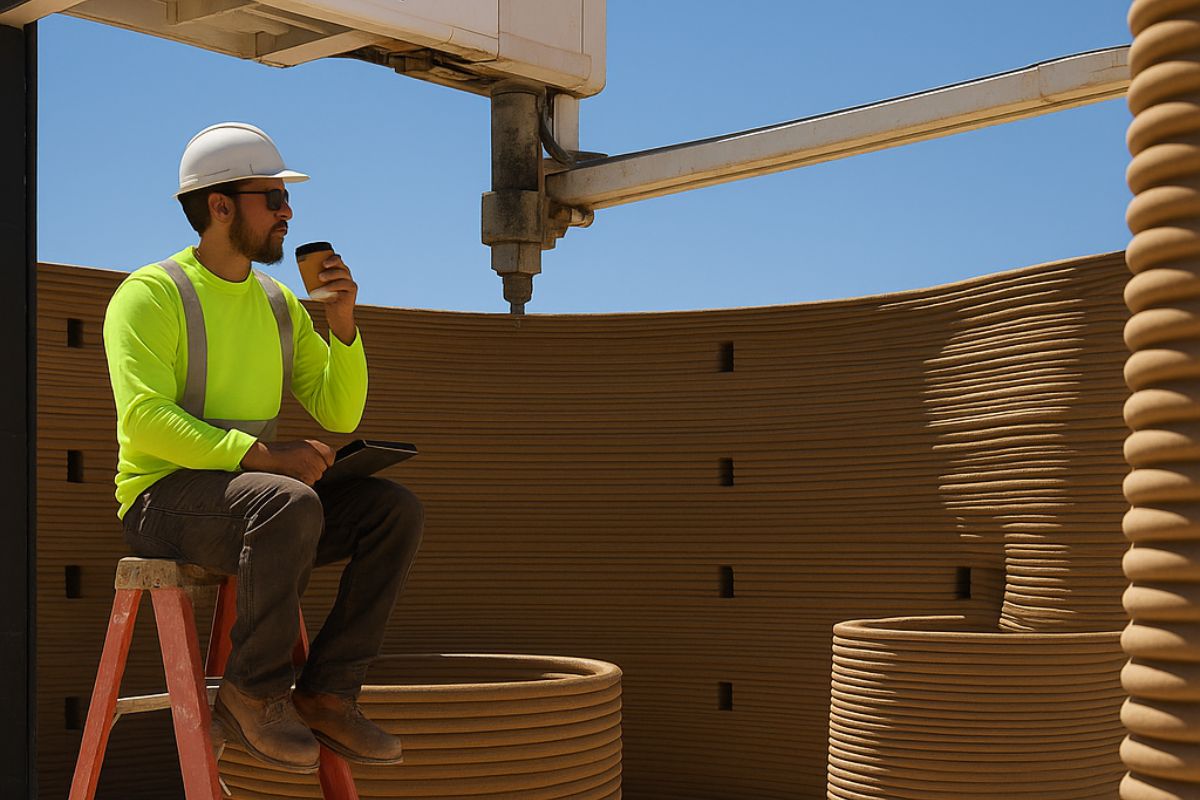
Revolution in Construction: Marfa, Texas, Begins Construction of the World’s First Hotel Made with Large-Scale 3D Printing; ICON Technology Creates 43 Suites, 18 Residences, and Luxury Homes with Curved Shapes and Impossible Domes in Traditional Construction, All Without Bricklayers or Conventional Bricks
The Future of Construction Has Already Begun, and It Does Not Include Concrete Mixers, Bricks, or Bricklayers with Trowels in Hand. In the desert of Marfa, Texas, the construction of the world’s first entirely 3D-printed hotel has begun, an initiative that promises to redefine the boundaries of architecture and traditional labor. There will be 43 lodging units and 18 residences built by construction robots, with an expected delivery date of 2026.

Named El Cosmico, the project is a partnership between visionary hotelier Liz Lambert, the 3D printing company ICON, and the renowned architects of BIG – Bjarke Ingels Group. According to reports from Reuters, Dallas News, and statements from ICON, the process is already underway and is expected to make Marfa a global symbol of printed architecture.
ARTICLE CONTINUES BELOWSee also
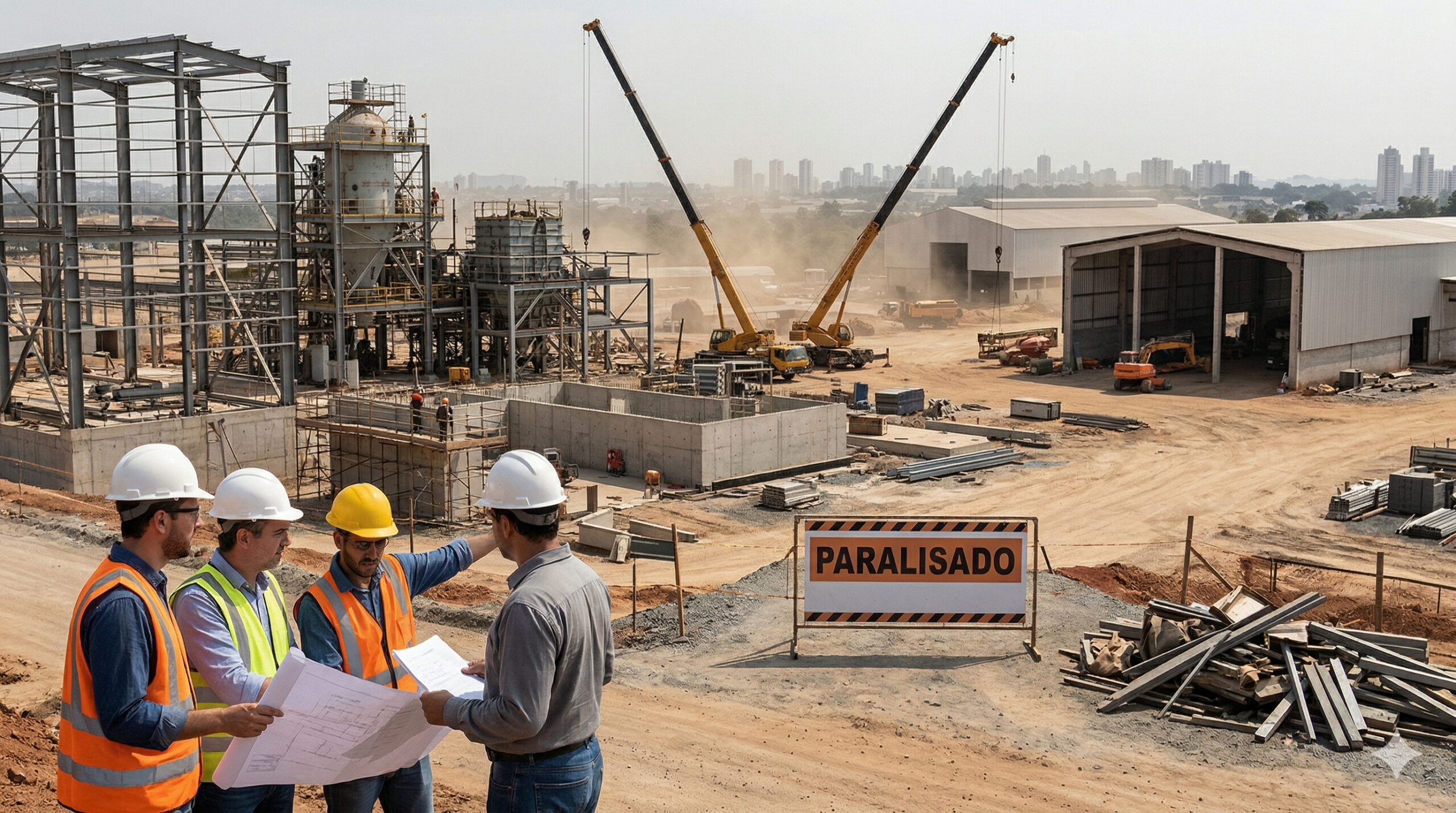
The lack of welders, electricians, and operators becomes a structural threat in 2025, with the construction industry and manufacturing already suffering from delays, cost pressures, and labor shortages in Brazil.
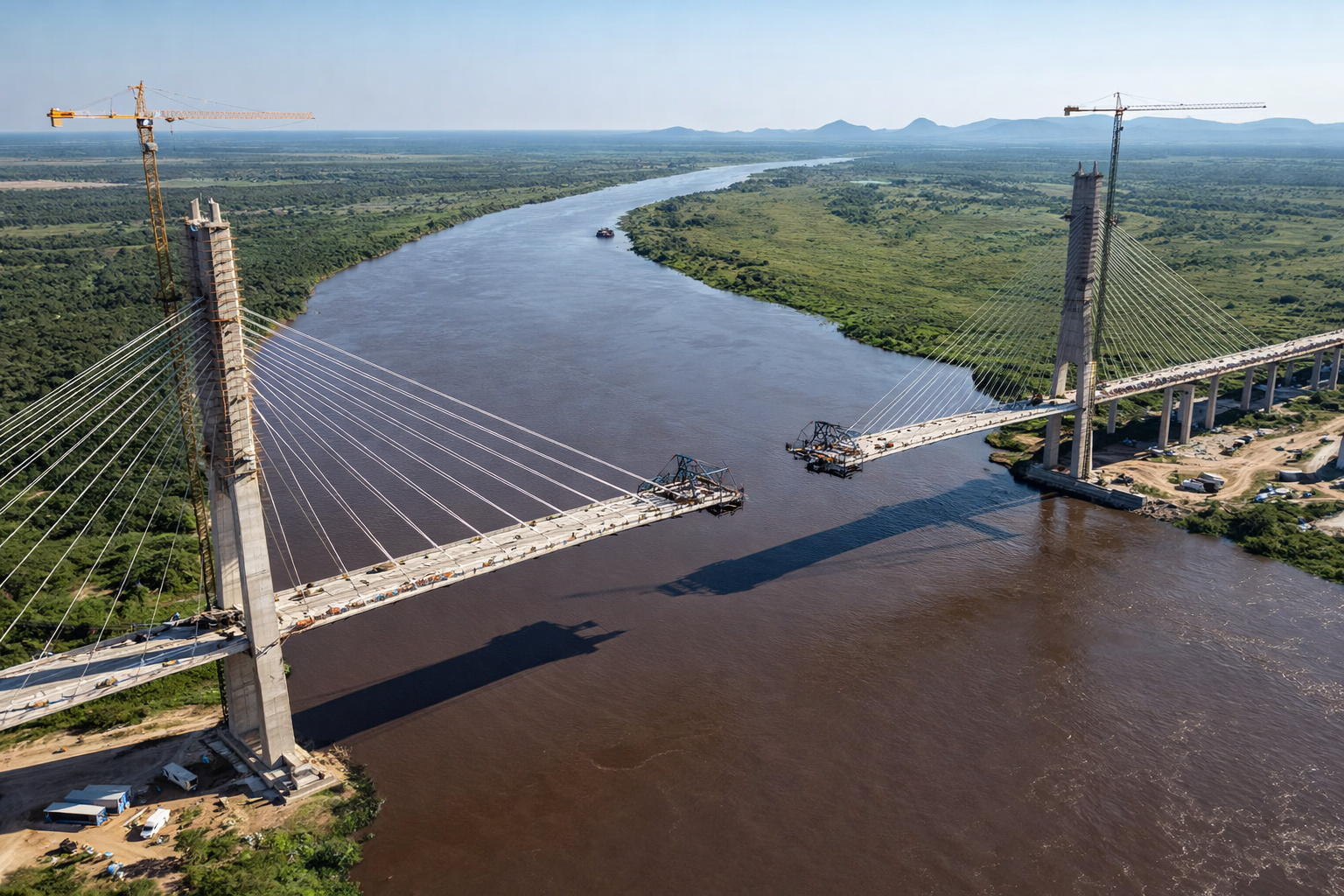
Brazil and Paraguay are just 46 meters away from a historic union on the bioceanic bridge that promises to revolutionize trade between the Atlantic and the Pacific.
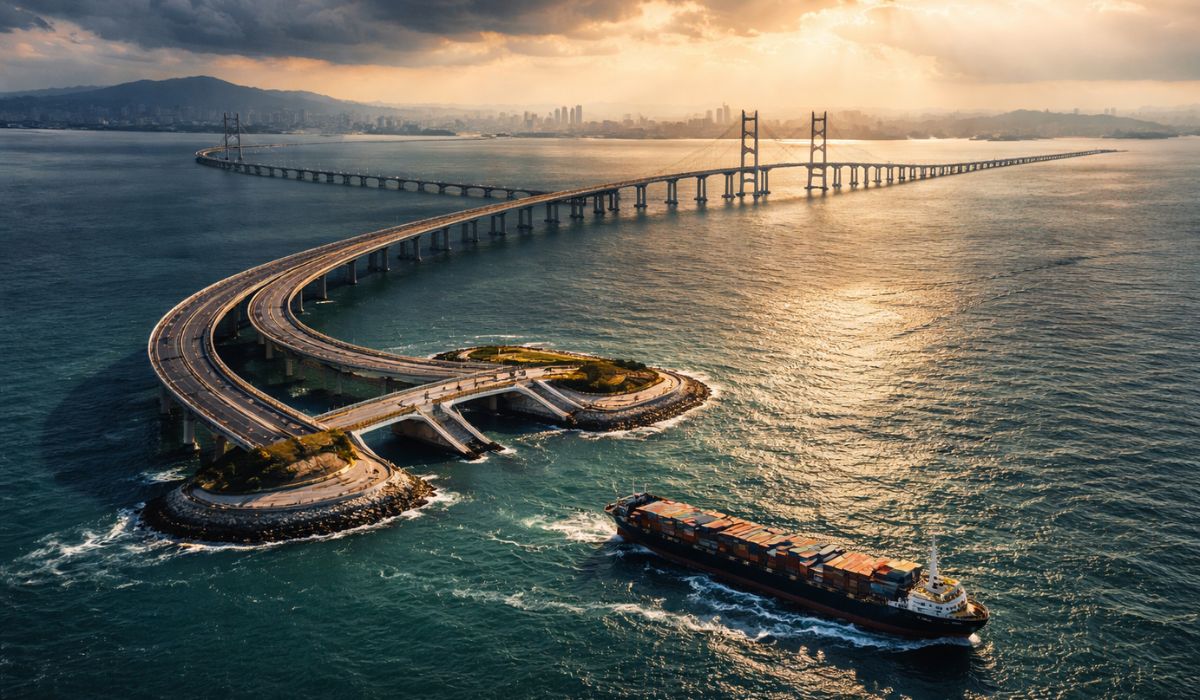
With 55 km over the sea, a cost of US$ 20 billion, and enough steel to build 60 Eiffel Towers, China’s largest project has connected Hong Kong, Zhuhai, and Macau in a colossal bridge that defies the logic of engineering.
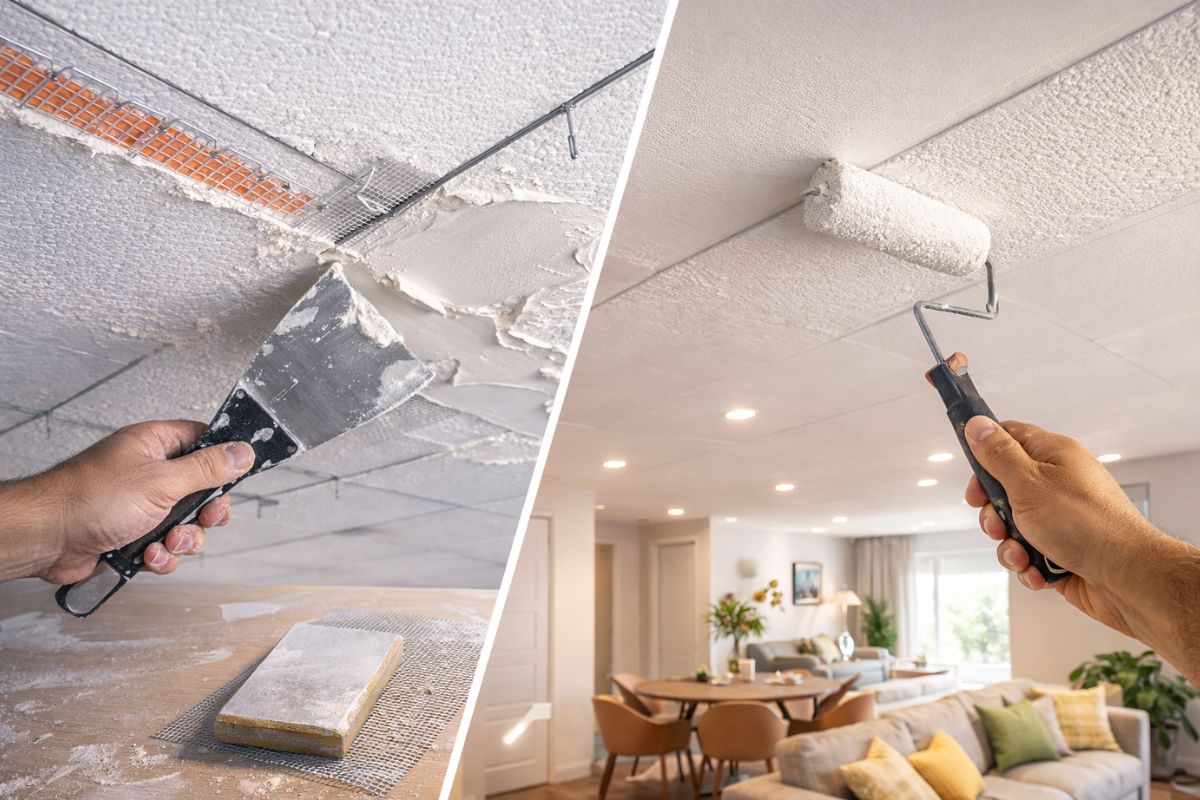
A trick with joint compound transforms a Styrofoam ceiling into a plaster-like ceiling: leveled panels, wires and mesh at the joints, sand, paint, and change the environment while spending little today.
Giant 14-Meter Printer and Special Concrete: How the 3D Hotel Construction Works in Marfa
At the construction site of the new El Cosmico, it’s not an engineer in a hard hat with a clipboard who is in charge, but the Vulcan, a 14-meter wide and 4.7-meter tall 3D printer capable of extruding a special concrete called Lavacrete. The machine is creating, layer by layer, curved and organic structures that would be nearly impossible with traditional methods.

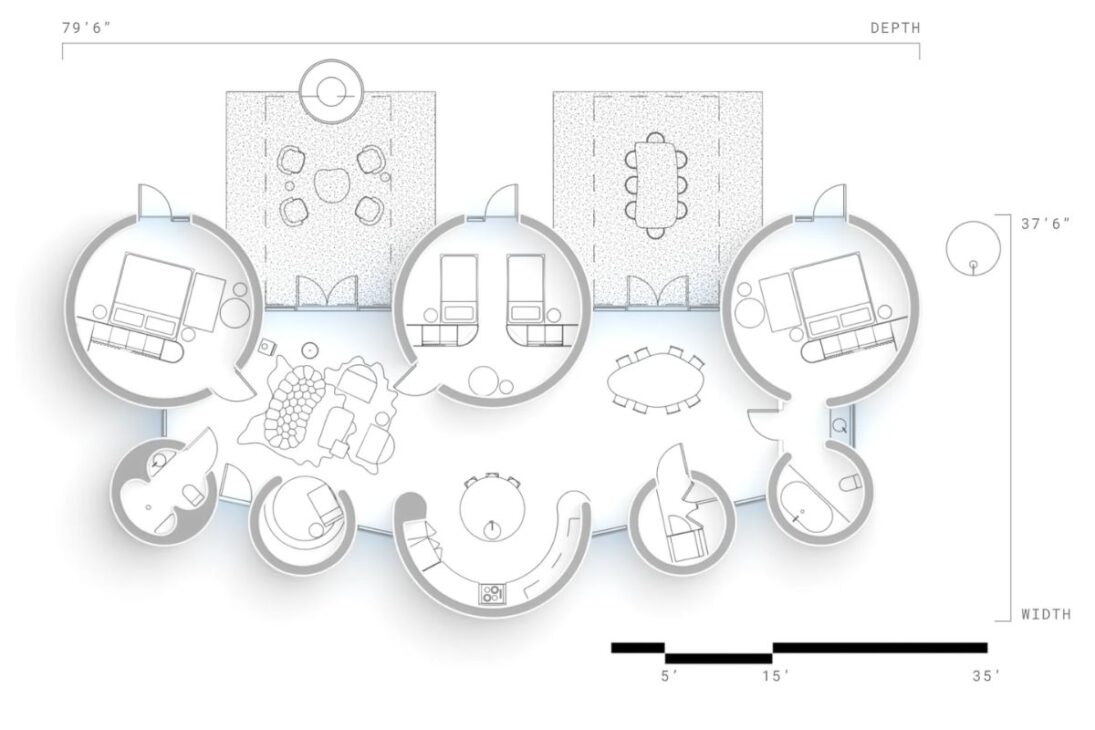
The first units being built are a hotel room and a three-bedroom home, both with 3.7-meter high curved walls. The Lavacrete, besides being durable, is adapted in real-time by technicians according to weather conditions to ensure fluidity and durability in printing.
With a futuristic design and cosmic inspiration, the hotel aims to combine art, nature, and technology. According to the creators, 3D printing allows for total freedom of form, with domes, parabolas, and geometries that appear to have sprouted from the very sand of the desert.
Automated Construction Raises Concerns: Construction Jobs at Risk
Despite the impressive advancement, construction using 3D printing raises social concerns. Milad Bazli, a professor at Charles Darwin University, warns that this technology may eliminate jobs in remote areas, where the construction industry still employs a significant portion of the local population.

The replacement of workers with robots, such as the Vulcan, is already sparking debates among unions and universities. After all, if a printer can build 60 acres of hotel and residences, what will happen to the workers?
Liz Lambert, however, argues that the project still creates opportunities and stimulates the economy of Marfa. She claims that the construction will help keep the cultural connection of the city alive, which already houses the old El Cosmico, an alternative hotel-camping in operation since 2013.
Houses Worth R$ 12 Million and Cosmic Experiences: Organic Luxury Made by AI and 3D Printed Concrete
Besides the printed hotel, the project foresees the construction of the so-called Sunday Homes, residences ranging from 2,000 to 2,500 square feet (approximately 185 to 230 m²), with views of the Davis Mountains. Prices start at US$ 2.29 million (approximately R$ 12 million).
These houses, also 3D printed, will feature circular shapes, domes, arches, and sinuous walls—all made by robots. Architect Bjarke Ingels stressed that the idea is to harmonize the project with the desert environment, using organic shapes and natural colors drawn from the Texas soil itself.
The proposal combines cutting-edge design with ecological awareness and local identity. The result will be a true cosmic printed retreat, which promises to redefine the concept of boutique accommodation in the USA.
ICON Aims to Take 3D Printing to Mars, Starting Right Here in Texas
ICON is not just revolutionizing hospitality. The company is globally leading the movement of 3D printing in construction, with projects for entire neighborhoods and affordable housing, such as the Initiative 99, an international competition that seeks to create inexpensive housing solutions with 3D printing.
The company is also aiming higher: to build housing off Earth. With robots, AI, and low-carbon materials, ICON wants to be the company that will print the first homes… on Mars.
According to CEO Jason Ballard, the El Cosmico project is “the boldest architecture we have ever undertaken”—and serves as a laboratory for technologies that, soon, could be used anywhere on the planet (or beyond it).
Would You Stay in a Hotel Made by Robots? Comment and Share!
Do you think artificial intelligence will really retire bricklayers?
Leave your opinion in the comments and share this article with someone who likes technology, architecture, or innovation!









Seja o primeiro a reagir!