





 Portuguese
  English
  Spanish
 3 min of reading
  17 comments


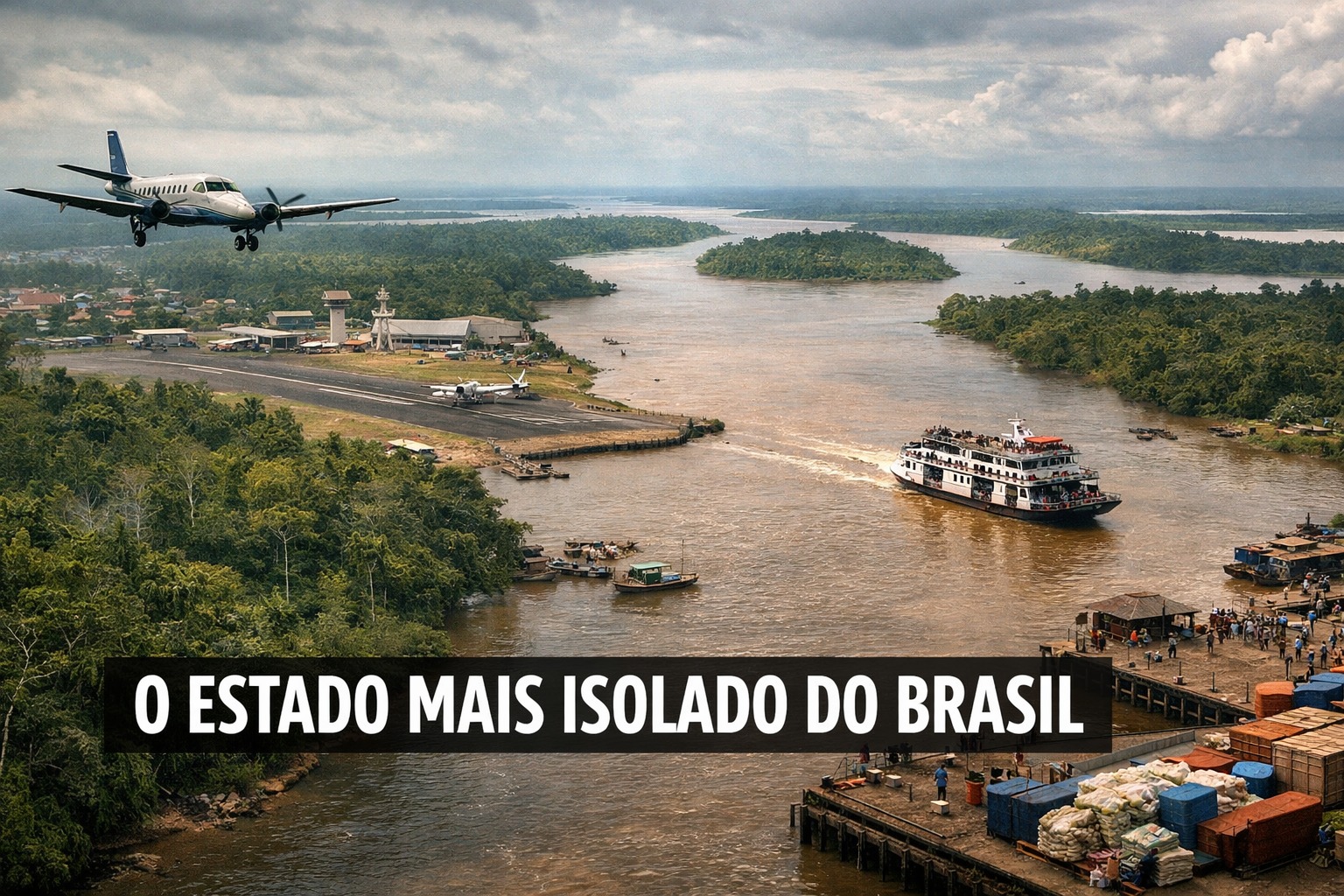


Amapá Concentrates Total Logistics Isolation in Brazil, With No External Highways, Access Only by Air and River, BR-156 Restricted to the Territory, 880 Thousand Inhabitants, Borders With French Guiana, Pará and the Atlantic Ocean
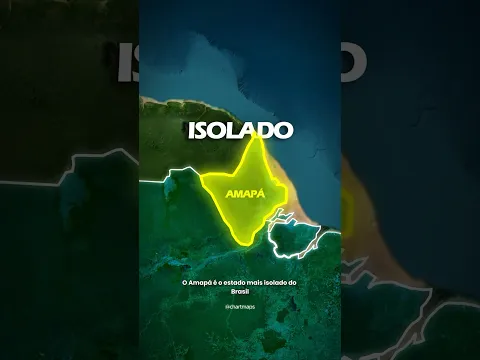
Amapá is the most isolated state in Brazil as it is the only one without direct land connection to other federative units, depending exclusively on planes and boats for access, a condition that impacts logistics, economy, and cost of living.
Absolute Land Isolation Within National Territory
Unlike Acre, frequently cited as the most isolated state, Amapá has no road connecting its territory to other Brazilian states, remaining completely disconnected from the national road network.
This isolation makes all movement of people and goods occur only by air or river, with no land alternatives available at any point along the state border.
-
The Argentine government celebrates the lowest poverty rate in 7 years, but experts warn that the methodology has changed, real wages have fallen, unemployment has risen, and the number of people on the streets of Buenos Aires has increased by 57% since Milei took office.

-
7.8 magnitude earthquake in Indonesia frightens the population, triggers tsunami alert, and hits an island with over 200,000 inhabitants this Thursday.
-
Google will finally let you change that embarrassing Gmail address you created in your teenage years without losing any accounts, logins, or old emails: the feature is already available in the United States.

-
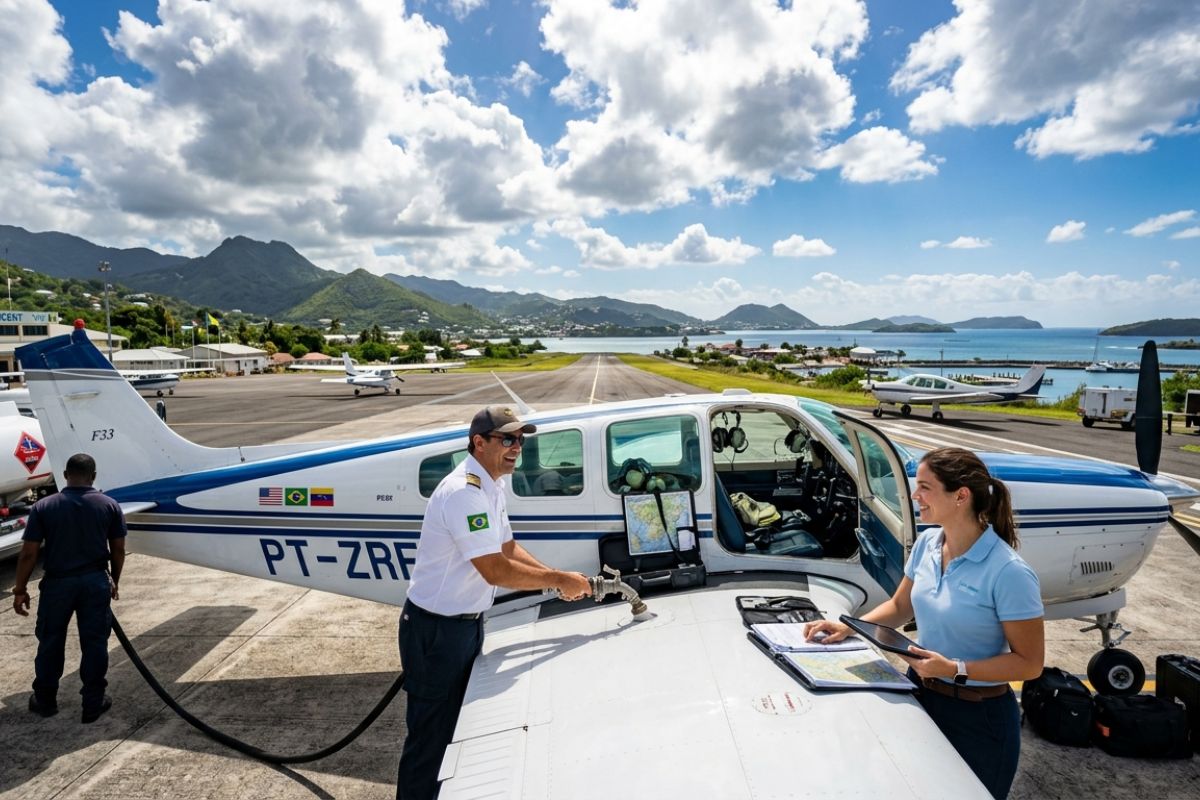
Heading to Brazil in a Bonanza F33 single-engine aircraft: a couple departs from Florida on a visual flight, makes technical stops in the Caribbean to refuel and organize paperwork, and begins the staged crossing until they reach the country.


Geographical and Environmental Conditions
The explanation for the absence of highways lies in the local geography, marked by wide rivers, flood areas, and extensive preserved forests at the mouth of the Amazon River.
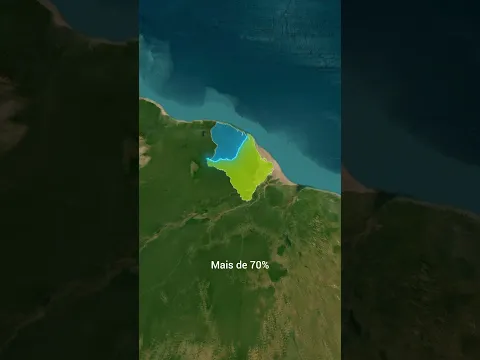
The state borders French Guiana to the north, the Atlantic Ocean to the east, and Pará to the south and west.
Between Amapá and the rest of the country lies one of the most complex hydrographic regions on the planet, a factor that has hindered, to this day, road integration works.
Road Network Restricted to the Territory of Amapá
Internally, Amapá has roads such as BR-156, which goes through the state from south to north, connecting Macapá to the municipality of Oiapoque.
Despite its length, BR-156 ends within the state territory, with no physical continuity to other federative units.
This limitation reinforces the isolated nature of the road infrastructure, even with internal connections partially functioning throughout the state.
Direct Logistics and Economic Impacts
The exclusive dependence on planes and boats directly influences supply, raising costs and conditioning the pace of local economic activities.
Residents and visitors face greater complexity in transporting goods, fuel, and food, a direct reflection of the absence of national road integration.
Population, Capital, and Unique Characteristics of the Most Isolated State
With about 880 thousand inhabitants, Amapá has particularities such as Macapá, the capital crossed by the Equator Line and a geographical symbol of the state.
The territory also stands out for concentrating one of the largest proportions of protected areas in Brazil, an indirect result of historical isolation.
Environmental Preservation as a Side Effect
Paradoxically, the lack of external roads has contributed to the preservation of vast areas of forest and biodiversity, keeping large stretches practically intact.
Thus, Amapá consolidates itself as a state fully integrated institutionally into the country but physically separated by giant rivers, dense forest, and a complete absence of land links.
With information from Portal 6.









O Estado já teve por suas legislatura um Extensão presidente da República como Senador, José Sarney, o atual presidente do senado, e senador pelo Amapá, pergunta o que eles fizeram para mudar a realidade do Estado, qual o grande projeto de Sarney para o Amapá, qual o legado que ele deixou, o atual presidente do senado, o que tem feito pra mudar o quadro do Estado. Nada, somente tentar aprovar PL inconstitucional e emendas secretas, mais nada.
Um estado cuja população é menor que a da zona leste de Manaus, que era uma região de segurança nacional até 1988, sem indústria, sem agro, mais que tem uma população maior que RR.
Quando migrou de território federal para estado em 1988, todos sabiam das limitações: geográfica, logística, comunicativa, produtiva e mesmo assim, para atender a família Sarney, transformaram o biongo em Estado membro.
Amapá é um refúgio de políticos ****, poucos, muito poucos são os que se salvam.
Sou paraense, vizinho dos amapaenses, conheço bem a realidade amapaense e amazonida. Tenho acompanhado algumas publicações da imprensa alegando o isolamento do Amapá por estrada ser a grande dificuldade de acesso para este estado, quando, na verdade, para boa parte dos paraenses e amapaenses, a modalidade de transporte fluvial está integrada na dinâmica da região, fazendo seus deslocamentos por barcos, lanchas, balsas, ferry boat, navios, etc. De qualquer modo, esta é uma realidade difícil de mudar para uma integração terrestre com o restante do Brasil. Os preços altos de certas mercadorias faz parte da dinâmica produtiva e de mercado: frutas da zona de clima temperado são muito caros, produtos industrializados… Já os produtos locais como peixes, açaí, etc. tem preço mais acessível. Por outro lado, o norte do Brasil se recente muito de políticas locais de abastecimento e segurança alimentar.
Olhas as joias que tem feito do amapa um refúgio político, um curral eleitoral. Só escapar o Rodolfe.
1991-1999: Gilvam Borges (PMDB) e Sebastião Rocha (PDT).
1999-2007: Gilvam Borges (reeleito), Sebastião Rocha (reeleito) e José Sarney (PMDB/PSDB).
2007-2015: José Sarney (reeleito), João Capiberibe (PSB) e Randolfe Rodrigues (PSOL/REDE).
2015-2023: Davi Alcolumbre (DEM/União Brasil), João Capiberibe (reeleito) e Randolfe Rodrigues (reeleito).
2023-2031 (atual): Davi Alcolumbre (reeleito), Randolfe Rodrigues (reeleito, agora pelo PT) e Lucas Barreto (PSD).
É por isso que não há interesse em progresso estado….coronéis sempre