





 Portuguese
  English
  Spanish
 5 min of reading
  0 comments


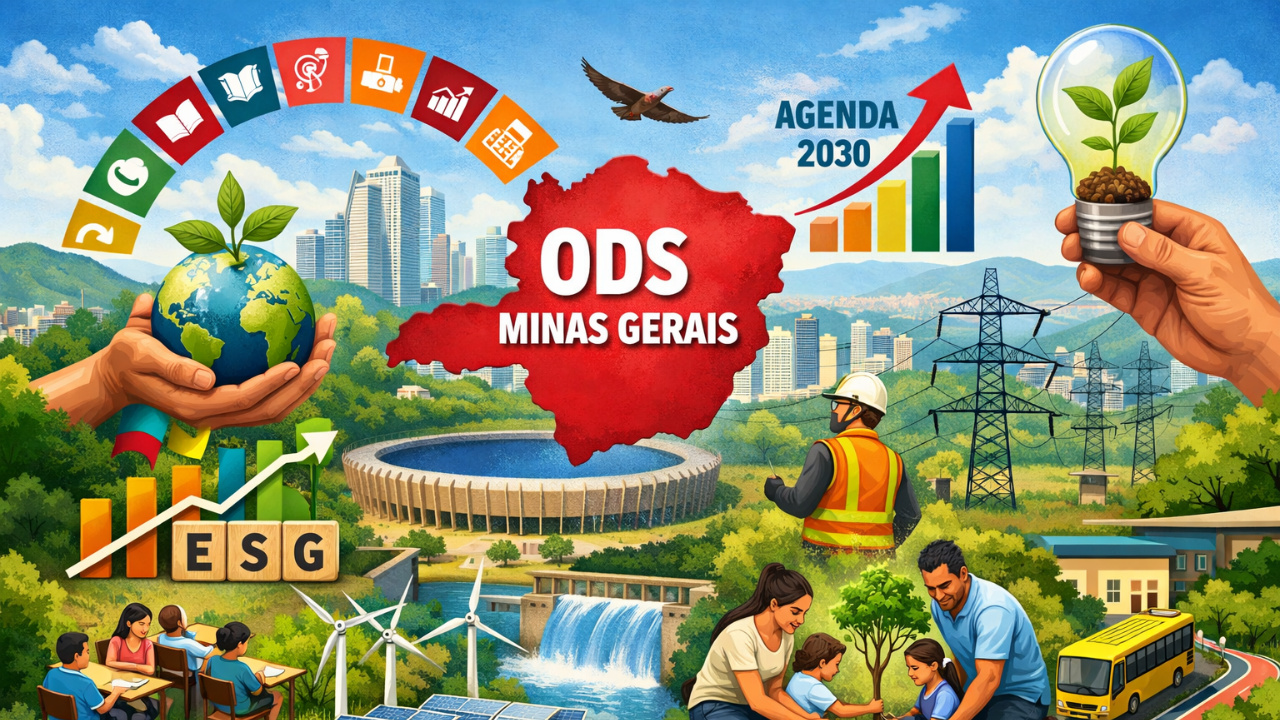
Partnership Between Government, Companies, and Society Strengthens the SDGs in Minas Gerais, Integrating Corporate ESG and Sustainable City Goals.
Minas Gerais has intensified mobilization among government, companies, and civil society to accelerate the achievement of the UN’s 2030 Agenda goals.
The movement involves public policies, corporate ESG practices, and goals aimed at sustainable development, with a special focus on education, economic growth, and sustainable cities.
The coordination occurs throughout the state, with updates to strategic guidelines until 2030.
-
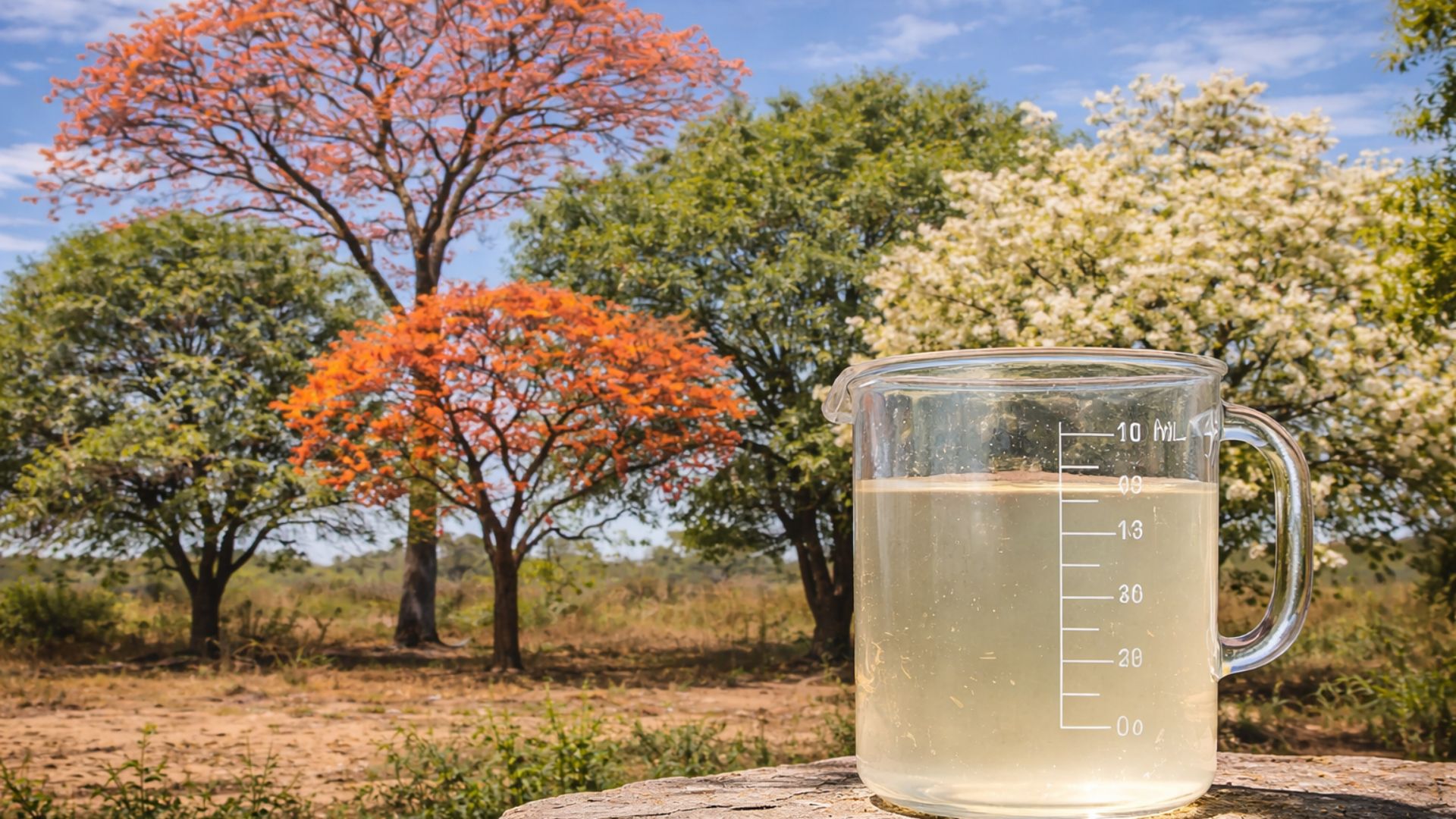
Embrapa’s discovery reveals an unexpected advancement by allowing the production of seedlings from the caatinga using brackish water, opening a new frontier for farmers to face drought more efficiently.
-
6 sources of free fertilizer that you are throwing away every day and can transform your garden without spending anything.

-
With a water crisis on the radar, Sabesp invests in reclaimed water for data centers and transforms sewage treatment into a solution that saves millions of liters and protects public supply.

-
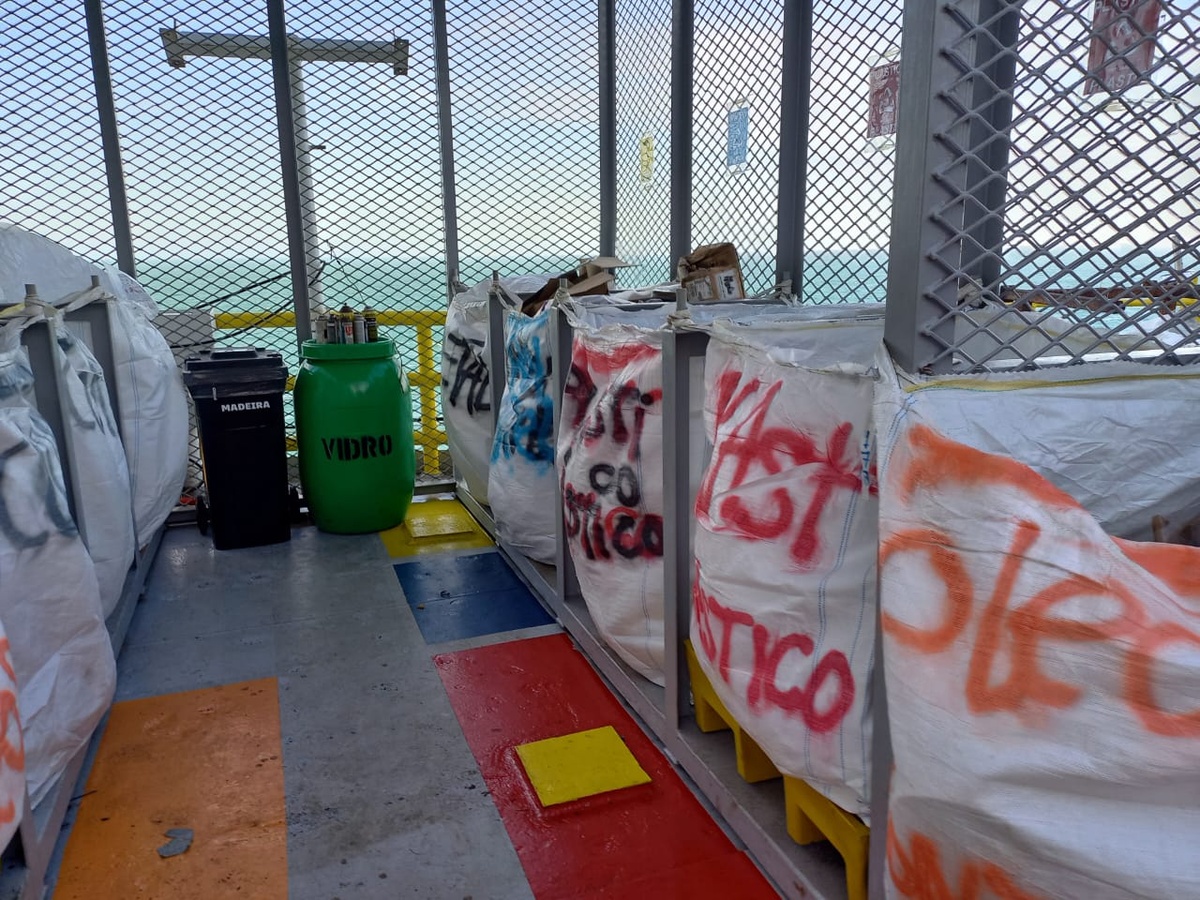
Foresea achieves 100% offshore waste reuse in 2025, eliminates landfill disposal, and consolidates sustainable strategy with 1,500 tons recycled.
The goal is to transform formal commitments into concrete results, reducing inequalities and strengthening the economy responsibly.
The so-called Sustainable Development Goals (SDGs), created by the United Nations in 2015, comprise 17 global goals. In Minas, three of them have been prioritized: SDG 4 (Quality Education), SDG 8 (Decent Work and Economic Growth), and SDG 11 (Sustainable Cities).
Although the state shows progress, experts warn that there are still structural challenges to face.
SDGs in Minas Gerais and the 2030 Agenda: Strategic Priorities of the State
Within the 2030 Agenda, Minas has structured its actions based on the Integrated Development Plan of Minas Gerais (PMDI).
The document guides long-term goals and strategies, serving as a reference for the Government Action Multi-Year Plan and for the Annual Budget Law.
The most recent version of the PMDI, valid until 2030, reinforces the need for integration between public authorities and the private sector.
Thus, the alignment between public policies and sustainable development has become a central axis of state management.
In economic terms, Minas ranks as the third richest state in the country, according to CNI 2025 data.
This strengthens SDG 8, although the challenge of decent work still requires continuous attention.
In SDG 11, cities like Uberlândia and Belo Horizonte are considered national references in urban sustainability indicators.
However, progress depends on permanent policies and active participation from the population.
Corporate ESG Strengthens the SDGs in Minas Gerais
According to experts, the success of the SDGs in Minas Gerais is directly linked to the commitment of the productive sector.
The UN public policy specialist, Luciana Maselli, emphasizes this shared responsibility:
“We need to start discussing that the effectiveness of the 2030 Agenda does not depend only on declaratory commitments but on the institutional and participatory density of society.
The stronger the ecosystem of shared responsibility – with government, companies, and citizens guided by data, transparency, and appropriate incentives – the greater the likelihood that the goals will stop being formal intentions and turn into concrete results.”
In this context, corporate ESG — standing for Environmental, Social, and Governance — ceases to be a trend and becomes a strategy.
Companies that incorporate good practices reduce risks, increase competitiveness, and contribute to sustainable development.
Cemig and the Direct Impact on Sustainable Development
The Energy Company of Minas Gerais (Cemig) is an example of how large organizations can drive the SDGs in Minas Gerais.
The superintendent of strategy and sustainability, Adieliton Galvão Freitas, details the scope of the actions:
“A company like Cemig has a direct and indirect impact on the lives of many people. The UN SDGs are nearly all part of our daily lives.
There are more than 500,000 kilometers of connections, so we seek to reduce environmental impacts and regularize illegal connections.
More than 240,000 families benefit from reliable, low-cost, and safe energy.”
Additionally, the company has set goals until 2029:
“We want to bring our projects (aimed at the elderly, youth, education, and culture) to 60,000 people by 2029.
Besides the SDGs with economic and social bias, there are projects related to business, specifically SDG 7, to generate more clean and accessible energy.”
The company also requires suppliers to align with governance, ethics, and human rights practices. According to Freitas:
“This relates to the governance aspect. The issue of ethics and compliance is fundamental. (…) We have over 30,000 people working on our behalf, and supporting this governance practice, health, environmental issues, and ethics (…) are some examples of public commitments and SDG goals we have.”
Business Partnerships Strengthen the SDGs in Minas Gerais and Sustainable Cities
The alignment among companies has also strengthened the achievement of the 2030 Agenda. SAE Towers, a manufacturer of energy transmission towers, adopts strict corporate ESG criteria when selecting partners, such as Rouxinol Fretamento.
The HR manager at SAE, Daniela Chaves Correa, highlights:
“We understand that the values we cherish must also be shared by those who provide us services (…) Only then can we build a balanced society, with economic benefits without harming people and the environment.”
Rouxinol’s CEO, Júlio Cezar Diniz, adds:
“We have made it our goal to adhere to all good practices in all activities of our business. (…) Work cannot be a factor of weariness.
Instead, it must be a source of income without losing focus on taking good care of the planet that embraces us.”
Some of the practices adopted include proper waste management, use of biodiesel, water reuse, and ongoing safety and training programs.
Education is a Central Challenge for the SDGs in Minas Gerais
SDG 4 is considered strategic for sustainable development in the state.
However, recent indicators show a decline in educational performance.
Thus, specialist Isadora Camargos assesses:
“In 2009, Minas led the IDEB (…). In 2023, the most recent evaluation year, Minas ranked seventh. (…) there has been a setback.
But achieving prominence is a comparative goal with other states and not an inward-looking perspective, which is the most important.”
She also highlights the importance of combating school dropout, especially in high school, with integrated policies among education, health, and social assistance.
Luciana Maselli warns of the need to expand sustainable literacy:
“Literacy about sustainability and impact is a critical factor. (…) Where there is organized and informed mobilization, goals tend to advance; where participation is episodic or merely procedural, implementation tends to be slow.”
SDGs in Minas Gerais Demand a Collective Pact
Despite the progress, experts agree that the SDGs in Minas Gerais will only be fully achieved with shared responsibility among the State, companies, and citizens.
Thus, change requires cultural transformation, the adoption of permanent practices, and a continuous commitment to sustainable cities and inclusive growth.
As Isadora Camargo summarizes:
“It doesn’t matter who caused the problem, but what each person can do to help face it.”
Thus, Minas Gerais is moving towards consolidating the 2030 Agenda as a State policy — and not just as an international goal — reinforcing that sustainable development depends on concrete action, dialogue, and unity.
See more at: Minas Gerais Needs Unity for the UN SDG Goals









Seja o primeiro a reagir!