





 Portuguese
  English
  Spanish
  3 min of reading
  0 comments


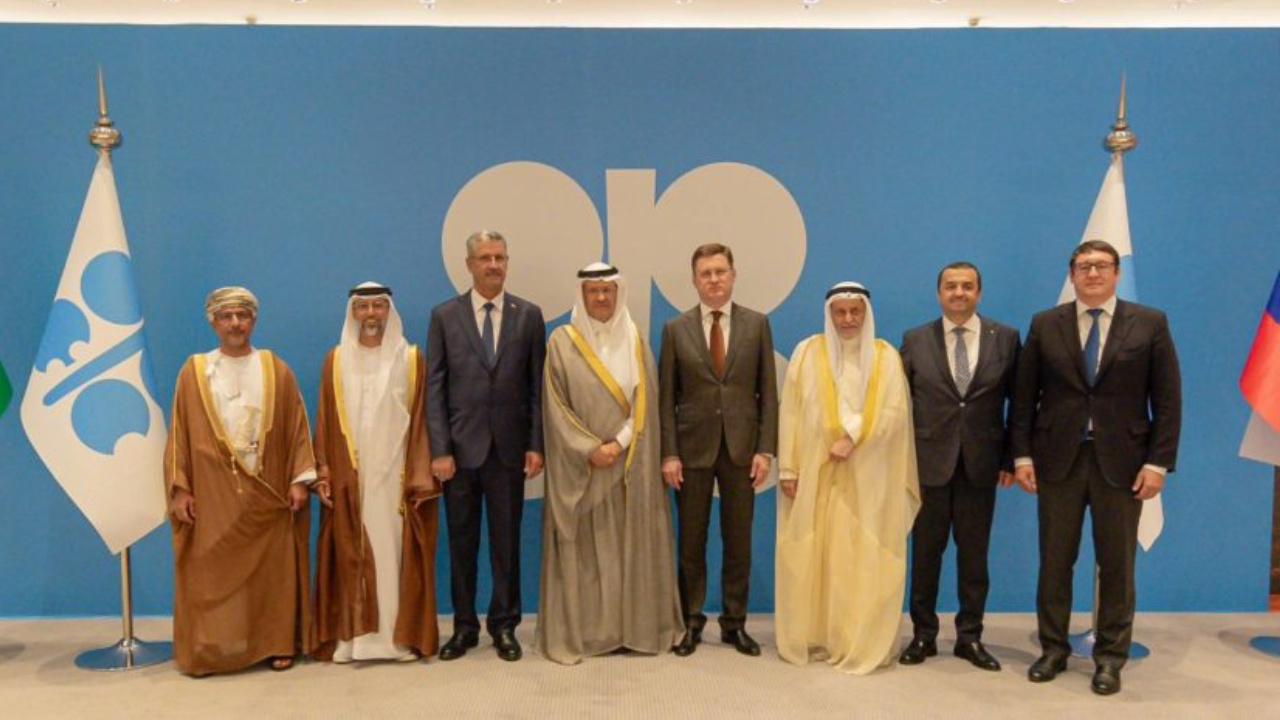
OPEC+ Confirms It Will Maintain Current Oil Production Levels in First Quarter of 2026, Citing Economic Stability, Low Stocks, and Strong Market Fundamentals.
The Organization of the Petroleum Exporting Countries and allies, known as OPEC+, confirmed it will continue the current oil production levels in the first three months of 2026.
The decision was announced in an official statement after the group’s meeting and involves the eight countries leading the voluntary cuts in global supply.
According to the entity, a specific mechanism was also agreed upon to assess each member country’s maximum oil production capacity.
-
The rise in oil prices could ensure an extra revenue of R$ 100 billion for the Federal Government, indicates a recent economic study.

-
Naturgy begins an investment of R$ 1.6 million to expand the gas network in Niterói and benefit thousands of new residences and businesses.

-
A major turn in the Justice system suspends tax increases and directly impacts oil and gas companies in Brazil by affecting costs, contracts, and financial planning, leaving uncertain what could happen to the sector if these costs had increased.

-
Brava Energia begins drilling in Papa-Terra and Atlanta and could change the game by reducing costs in oil while increasing production and strengthening competitiveness in the offshore market.
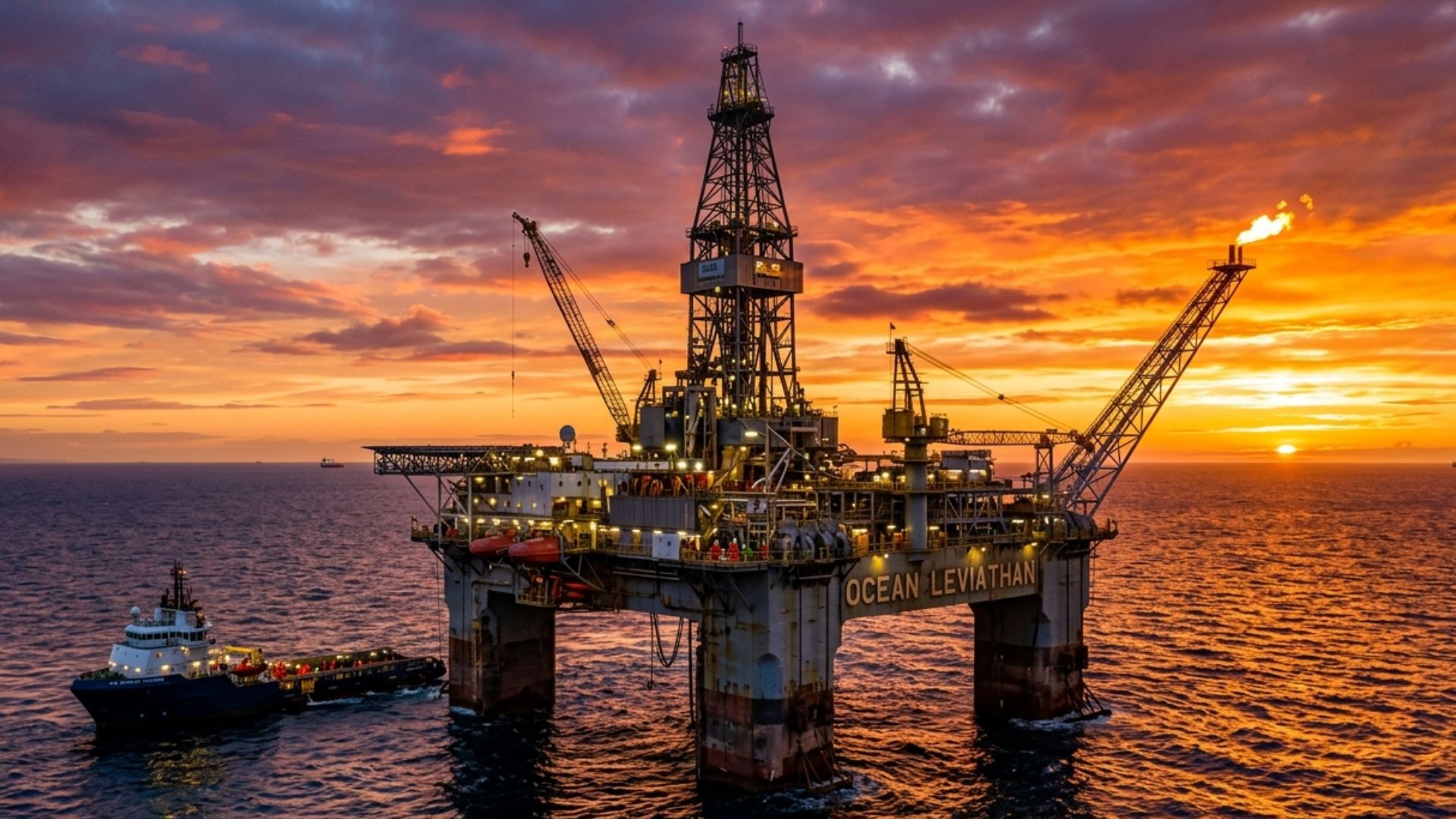

The measure aims to increase the predictability of future decisions and improve monitoring of the balance between supply and demand in the international market.
Countries Account for Half of Global Oil Supply
The group responsible for the decision consists of Saudi Arabia, Russia, Iraq, United Arab Emirates, Kuwait, Kazakhstan, Algeria, and Oman.
Together, these countries account for about half of all oil supplied in the world, which amplifies the impact of OPEC+’s decisions on global prices and stocks.
Even before the official announcement, two cartel delegates and a source close to the discussions had already informed the media that the trend was to maintain the current policy.
Thus, the meeting confirmed expectations already signaled to the market in the previous days.
Pause in Increases Was Defined Back in 2025
The decision now reinforced was initially made at the end of 2025. In the document released after the meeting, OPEC+ stated: “The eight participating countries reaffirmed their decision from November 2, 2025, to pause production increases in January, February, and March 2026 due to seasonality.”
This point reinforces that seasonal factors continue to weigh on the group’s strategies. Historically, the beginning of the year presents lower oil consumption in some regions, which directly influences decisions on produced volumes.
According to OPEC+, the global economic scenario contributed to the decision. The statement asserts that “The eight member countries reaffirm their commitment to market stability in light of a stable global economic outlook and the healthy fundamentals of the oil market, reflected in low stocks.”
Currently, more than 3 million barrels per day in production cuts remain in effect. These adjustments have been used as a tool to prevent excess supply and reduce sharp fluctuations in oil prices.
Meeting Takes Place Amid Sensitive Geopolitical Scenario
The cartel’s meeting took place at a delicate moment from a geopolitical standpoint. OPEC+ countries gathered while the United States is orchestrating a new diplomatic initiative involving Russia and Ukraine.
An eventual ceasefire agreement between the two countries could open the door for increased Russian oil supply to the international market. If sanctions against Moscow are softened, global supply could rise, altering the current balance closely monitored by the group.
Constant Monitoring of the Oil Market
OPEC+ holds monthly meetings to reevaluate market fundamentals and adjust its production policy whenever necessary. The adopted model allows for quick responses to changes in the global economy, energy consumption, and political factors affecting the sector.
The cartel’s next formal decision is already scheduled. The group will meet again on January 4, 2026, when it may reassess the scenario and decide whether to maintain, adjust, or end the current oil production policy, depending on market conditions at that time.








-

-

2 pessoas reagiram a isso.