





 Portuguese
  English
  Spanish
  5 min of reading


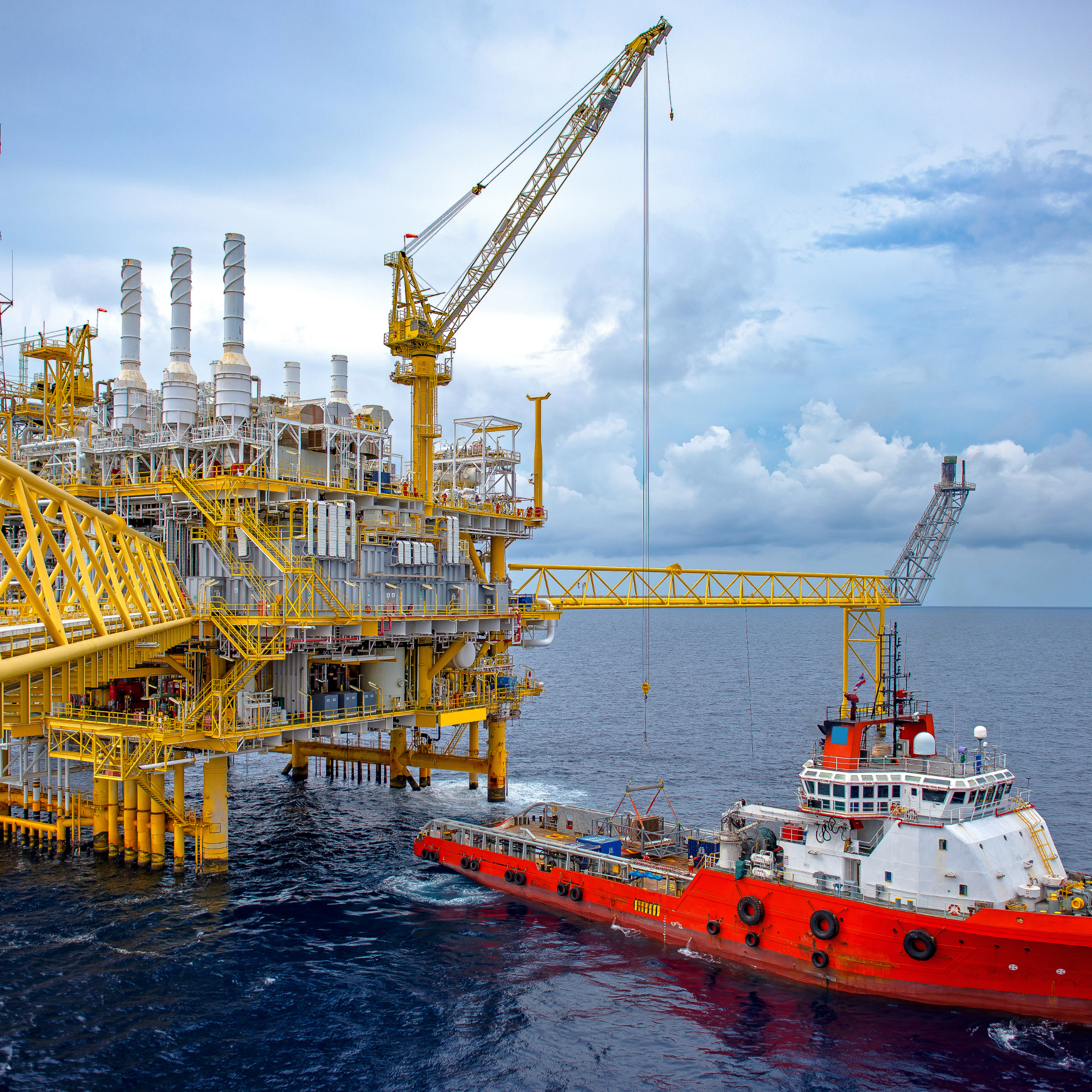
The discussion about oil returns to the center of the international agenda whenever political tensions escalate. Therefore, the new sanctions package announced by the United States against Venezuela reignites a debate that spans decades. Thus, the relationship between energy, power, and diplomacy takes on new contours, especially when economic measures are associated with territorial disputes, institutional arm wrestling, and reorganizations in the global fossil fuel market.
Furthermore, the episode occurs at a time when several countries are seeking to redesign their energy matrices but still rely heavily on oil to keep their economies running. Thus, each move involving major producers like Venezuela creates waves that reverberate in financial markets, logistical chains, and government decisions. To understand this scenario, it is essential to revisit historical elements, as well as observe the information provided by official sources.
The Historical Context of Sanctions and Venezuela’s Role in the Oil Market
Venezuela has historically occupied a central position in the global oil market. According to OPEC, the country has one of the largest reserves of heavy oil on the planet. However, since the 2000s, political and economic instability has drastically reduced national production capacity. Thus, clashes between Washington and Caracas have become frequent, especially after 2017, when new rounds of sanctions directly impacted the state-owned PDVSA.
-
The rise in oil prices could ensure an extra revenue of R$ 100 billion for the Federal Government, indicates a recent economic study.

-
Naturgy begins an investment of R$ 1.6 million to expand the gas network in Niterói and benefit thousands of new residences and businesses.
-
A major turn in the Justice system suspends tax increases and directly impacts oil and gas companies in Brazil by affecting costs, contracts, and financial planning, leaving uncertain what could happen to the sector if these costs had increased.

-
Brava Energia begins drilling in Papa-Terra and Atlanta and could change the game by reducing costs in oil while increasing production and strengthening competitiveness in the offshore market.
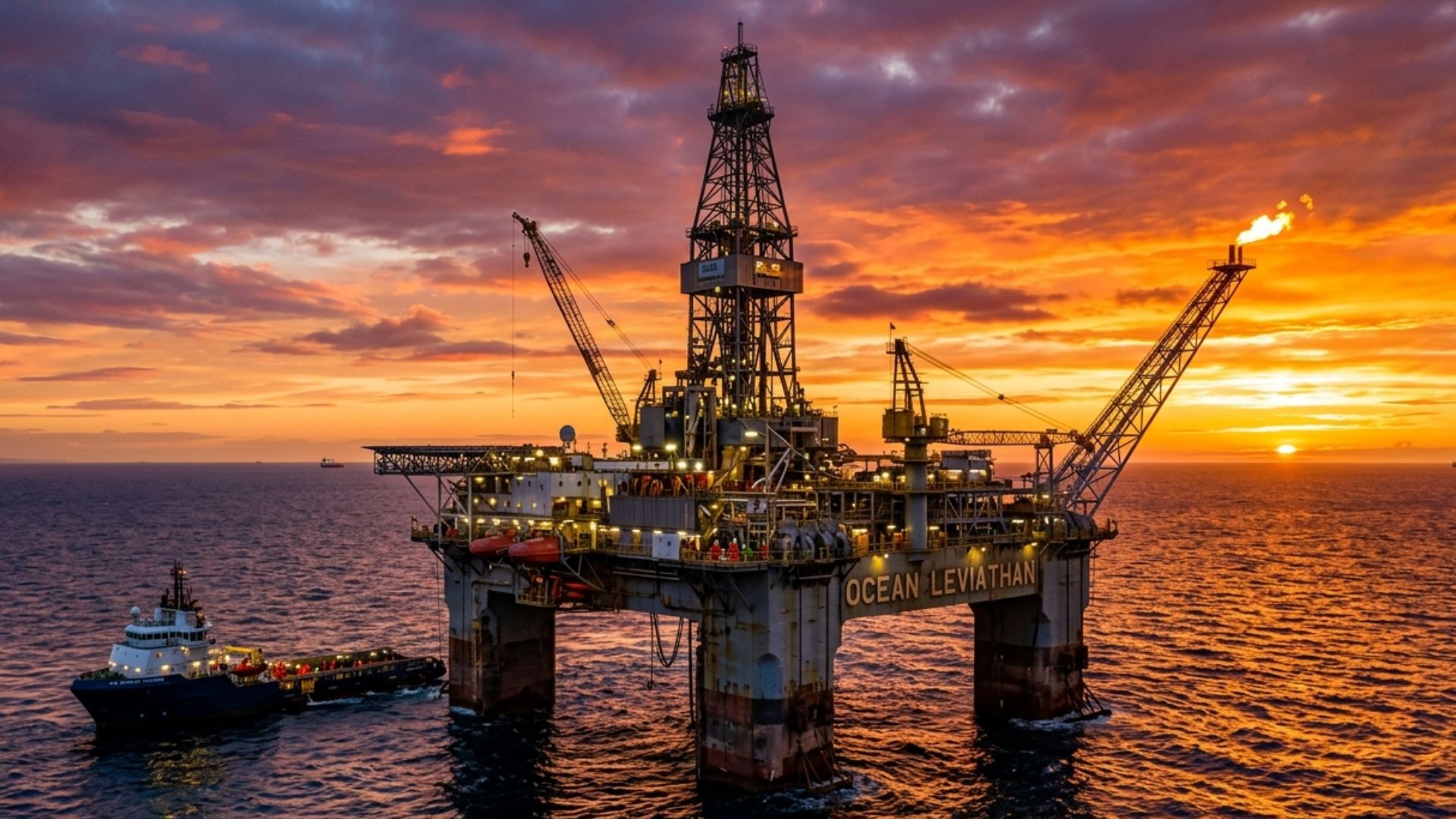

However, even with severe restrictions, Venezuela has maintained alternative export routes. As reported by the U.S. Department of State, these operations have prompted more aggressive efforts to contain flows considered irregular or violative of international laws. Thus, interception actions, logistical audits, and financial punishments have intensified each year.
On January 11, 2026, the United States announced yet another sanctions package. According to the official website of the U.S. government, the measures include penalties against shipping companies, additional restrictions on oil trade, and personal sanctions targeting family members of Venezuela’s First Lady. Moreover, the U.S. government is trying to gain legal backing to seize a cargo valued at US$ 78 million, transported by a tanker intercepted in international waters.
How Oil Returned to the Center of Diplomatic Tensions
The new round of restrictions once again elevated the importance of oil in the relationship between the two countries. This is because, although the Venezuelan economy heavily depends on the export of the resource, the global market still feels the impacts whenever a disruption occurs in the supply chain. Furthermore, oil is often used as a political instrument, creating disputes that transcend the energy sphere.
Thus, by publicly announcing the seizure of cargos and the financial blocking of companies linked to PDVSA, the U.S. government reinforces a stance of strategic containment. At the same time, governments in the region closely observe the developments, as any movement in international supply can influence prices, contracts, and stability among trading partners.
According to Euronews, some of these tensions connect to the scenario of prolonged warfare in Eastern Europe, where sanctions on Russian energy are also redefining international flows. Thus, more and more countries are facing the need to rebalance priorities, assessing dependencies, import routes, and alternatives for energy diversification.
The Impact of Sanctions on Venezuela and Maduro’s Response
The Venezuelan reaction followed the diplomatic pattern of recent years. According to the Venezuelan government, the U.S. measures represent violations of national sovereignty and direct attacks on the country’s economic stability. Additionally, Caracas reinforces that it will continue to try to expand its oil production to ensure revenues that sustain its economy.
However, despite the official rhetoric, international analysts observe that the sanctions hinder investments, restrict exports, and reduce the country’s access to important financial markets. Thus, Venezuela faces barriers ranging from infrastructure maintenance to renegotiation of contracts with strategic partners like China and Iran.
At the same time, Nicolás Maduro’s government attempts to turn adverse situations into political resistance narratives. In statements released by state media, Venezuelan authorities classify the measures as attempts at destabilization. This narrative, used for years, reinforces the confrontational tone between the two governments.
The Role of Oil in the Current Geopolitical Landscape
Beyond Venezuelan borders, the issue gains relevance because it occurs at a time when different countries are trying to respond to global transformations in energy consumption. Even with the advancement of renewable energies, oil remains a central element for transportation, heavy industry, and chemical production. Thus, it comprises a competitive landscape where every action resonates significantly.
Therefore, when the United States announces new sanctions, investors react immediately. This is because oil is highly sensitive to geopolitical risks. Consequently, prices tend to fluctuate rapidly whenever signs of instability in global supply emerge. Moreover, diplomatic conflicts involving producer countries often generate uncertainties regarding stocks, shipping routes, and trade agreements.
As reported by the International Energy Agency (IEA) in its newsletters, the global market is undergoing structural changes but still significantly depends on oil. Therefore, scenarios like this not only influence daily values but also shape long-term decisions.
Why Sanctions Have Become a Symbol of Global Disputes
Economic sanctions are pressure tools used by major powers for many decades. However, in the oil sector, they acquire even more complex dimensions. This is because the resource is directly associated with:
- energy autonomy,
- strategic capability,
- foreign policy,
- and global economic power.
Thus, whenever a sanction falls on oil exports, effects spread rapidly across different regions of the world. Additionally, the perception that oil can be used both to pressure and to negotiate creates a continuous dynamic of tension. Therefore, when analyzing the scenario between Venezuela and the U.S., we realize that the issue is not limited to bilateral relations. It affects the entire energy ecosystem.
By observing recent movements, it becomes evident that oil remains one of the most influential elements in international relations. The sanctions announced by the U.S. show that, even in a world moving toward renewable energies, the geopolitical weight of oil remains decisive.
Moreover, as countries seek more sustainable alternatives, crises involving oil demonstrate how the energy transition still requires time, investment, and diplomacy. Thus, episodes like the seizure of tankers and new punishments against the Venezuelan sector reinforce that the path to global balance remains fraught with uncertainties and strategic decisions.








Seja o primeiro a reagir!