





 Portuguese
  English
  Spanish
  3 min of reading
  0 comments


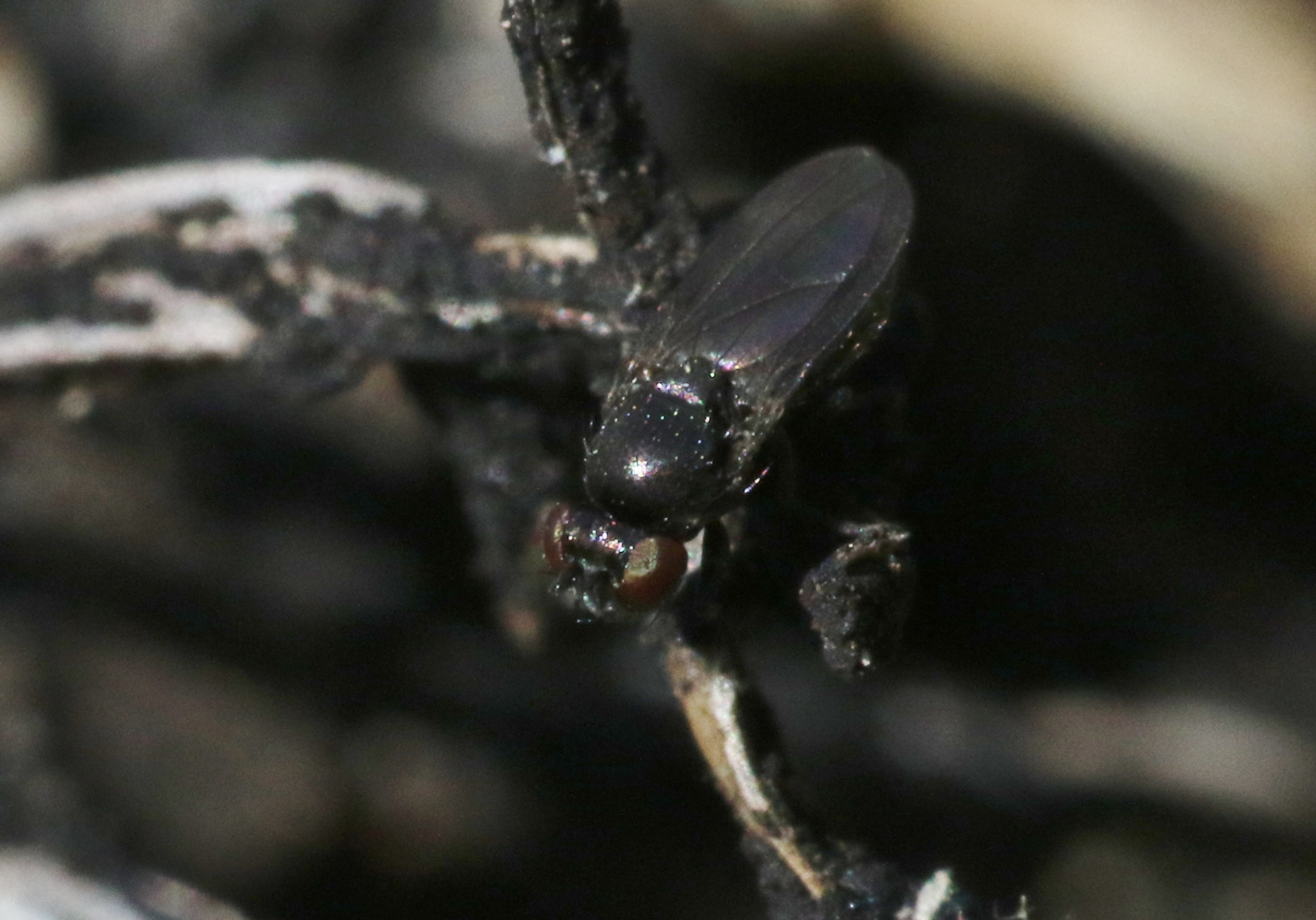
Petroleum Fly, Unique Insect Known to Survive in Crude Oil, Revealing Insights About Adaptation and Resilience in Hostile Environments.
The Diasemocera petrolei, known as the petroleum fly, is the only insect in the world capable of not only surviving but thriving in pure oil. This tiny insect, the size of a fruit fly, lives in the La Brea Tar Pits in California, a deadly trap for millions of creatures for tens of thousands of years.
Surviving the Impossible
The petroleum fly’s ability to live in such a toxic environment has intrigued scientists for over a century. Since its discovery in 1899, no one has been able to fully explain how these larvae can consume oil without any negative effects.
The larvae of Diasemocera petrolei spend nearly their entire lives crawling through the viscous oil. To survive, they feed on dead insects and arthropods trapped in the tar.
-
Motorola launched the Signature with a gold seal from DxOMark, tying with the iPhone 17 Pro in camera performance, Snapdragon 8 Gen 5 that surpassed 3 million in benchmarks, and a zoom that impresses even at night.

-
Satellites reveal beneath the Sahara a giant river buried for thousands of kilometers: study shows that the largest hot desert on the planet was once traversed by a river system comparable to the largest on Earth.

-
Scientists have captured something never seen in space: newly born stars are creating gigantic rings of light a thousand times larger than the distance between the Earth and the Sun, and this changes everything we knew about stellar birth.

-
Geologists find traces of a continent that disappeared 155 million years ago after separating from Australia and reveal that it did not sink, but broke into fragments scattered across Southeast Asia.

What’s curious is that while foraging for food, they also ingest large amounts of oil. The substance passes through their translucent bodies without causing harm.
According to experiments conducted, the larvae can survive even when exposed to extremely toxic substances, such as turpentine and xylene, and can withstand temperatures of up to 38 degrees Celsius without showing signs of discomfort.
Unique and Impressive Adaptations
One of the most interesting features of the petroleum fly is its ability to breathe while submerged in oil.
Small air tubes at the rear of the larvae allow breathing even beneath the viscous layer. Tests have shown that they can remain submerged for long periods without any adverse effects.
Another surprising factor is that the toxic asphalt, instead of being harmful, protects the larvae. The oil acts as a natural moisturizer for their delicate bodies, preventing them from drying out under the scorching California sun.
When they are ready to pupate, the larvae leave the tar and climb on grass stalks at the edges of the pits.
After this stage, the mature flies gain wings, but curiously, they almost never use them to fly. They prefer to walk slowly across the sticky surface in search of food.
Scientific Mystery Continues
British zoologist William Homan Thorpe classified Diasemocera petrolei as “one of the world’s major biological curiosities.” Even today, scientists do not fully understand how exactly the species manages to resist the toxic effects of oil.
A cruel irony is that, although adapted, mature flies are not entirely immune. If their wings or bodies directly touch the viscous tar, they can become trapped like any other insect. At that moment, they end up serving as food for their own larvae.
The mystery surrounding the immunity of this species continues to intrigue scientists. Research is ongoing to try to unravel exactly what mechanism protects the petroleum fly from the toxic environment in which it has lived for thousands of years.
To this day, the larvae of the petroleum fly remain one of the greatest scientific curiosities, with unique adaptations that challenge human understanding of the limits of animal survival.
With information from odditycentral.








-

-

3 pessoas reagiram a isso.