





 Portuguese
  English
  Spanish
  3 min of reading
  90 comments


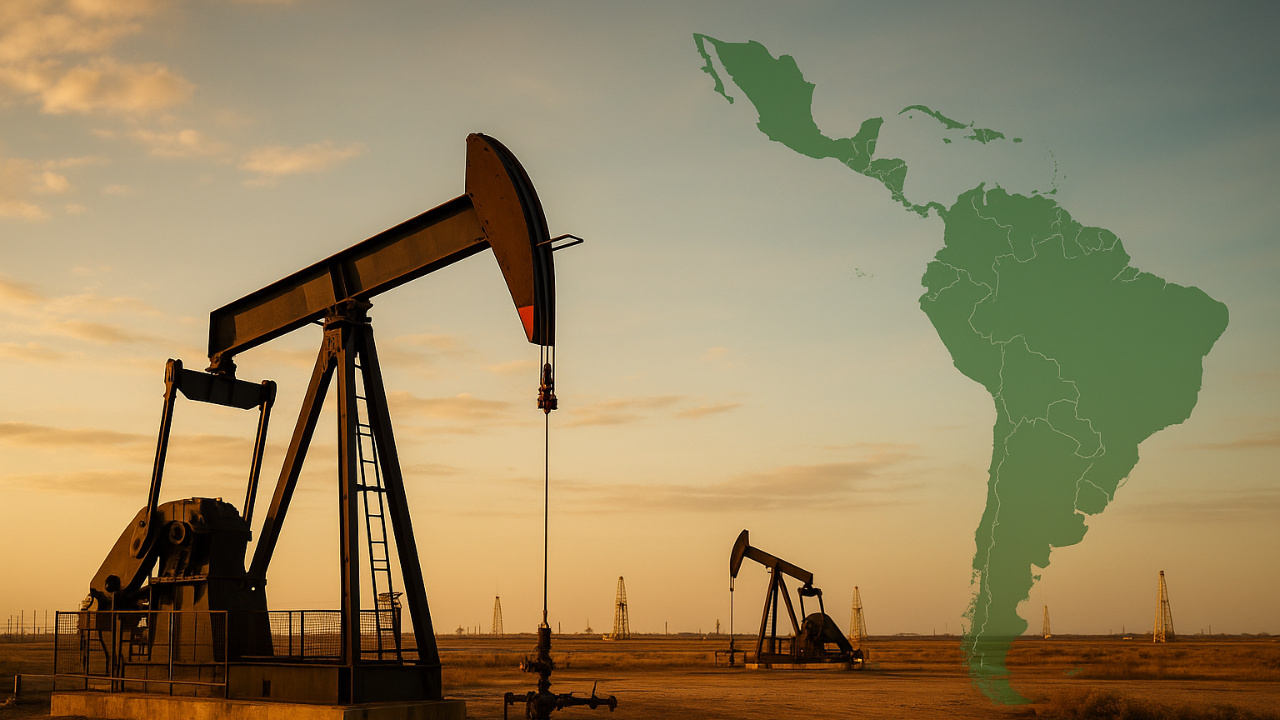


Global Data Update Shows Latin America Holds the Largest Oil Reserves in the World, Highlighting Venezuela, Guyana, and Geopolitical Disputes in the Essequibo Region.
Oil remains one of the pillars of the global economy. Even amidst the rise of renewable energy, the resource continues to be essential for transportation, industry, and international geopolitics.
In this context, Latin America has taken on an unprecedented position on the energy map. Recent data indicates that the region currently holds some of the largest oil reserves on the planet, altering the traditional logic dominated by the Middle East.
Furthermore, the update of reserve lists has reignited territorial disputes, international interests, and new diplomatic challenges. The Latin American advance occurs in parallel to the increase in offshore exploration and the growing presence of multinational companies.
-
The rise in oil prices could ensure an extra revenue of R$ 100 billion for the Federal Government, indicates a recent economic study.

-
Naturgy begins an investment of R$ 1.6 million to expand the gas network in Niterói and benefit thousands of new residences and businesses.
-
A major turn in the Justice system suspends tax increases and directly impacts oil and gas companies in Brazil by affecting costs, contracts, and financial planning, leaving uncertain what could happen to the sector if these costs had increased.

-
Brava Energia begins drilling in Papa-Terra and Atlanta and could change the game by reducing costs in oil while increasing production and strengthening competitiveness in the offshore market.
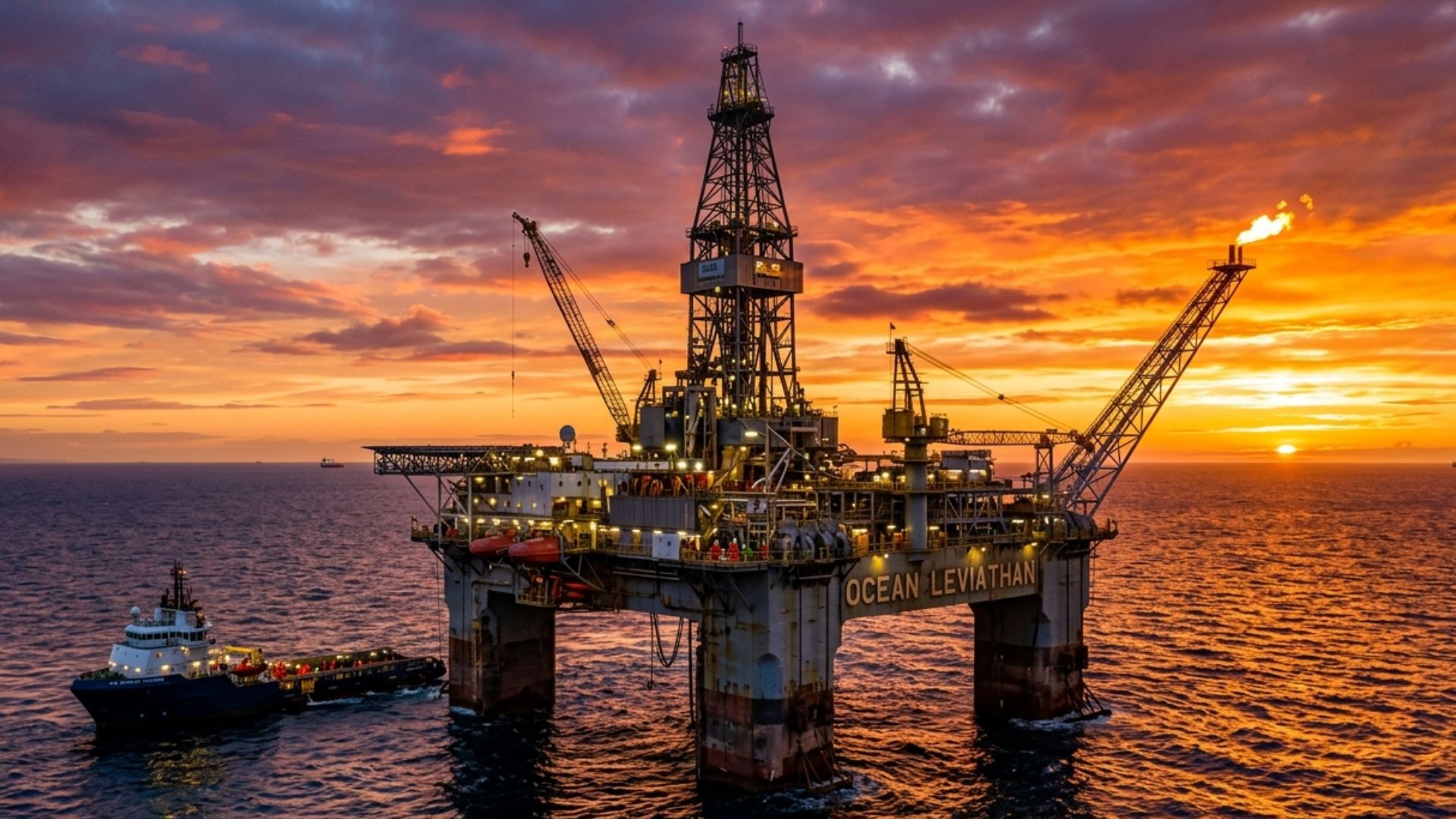

Essequibo Emerges as New Epicenter of Oil in the Region
The most symbolic turning point involves the Essequibo region, territory internationally recognized as belonging to Guyana, but historically claimed by Venezuela. According to experts, the area holds about 11 billion barrels of oil, most of which is located offshore, increasing its strategic value.
In light of this wealth, Venezuelan President Nicolás Maduro enacted a law creating a new province of Venezuela in the region. The decision heightened diplomatic tensions. Guianese authorities reacted immediately, stating that they will not tolerate “the annexation, seizure, or occupation of any part” of their sovereign territory.
In addition to oil, Essequibo also houses other valuable minerals, further reinforcing its economic importance and attracting the interest of major powers.
International Interests Accelerate Disputes Over Oil
Despite its energy potential, Guyana’s rise as an oil power faces political and institutional obstacles. In recent years, the government has authorized exploration in the region by foreign companies, particularly the American ExxonMobil. Currently, over a thousand exploration fields are under review, involving different companies in the sector.
These authorizations have enhanced Guyana’s international prominence but have also intensified external pressures and regional disputes. Oil, once again, emerges as a central element of instability and negotiation among states.
Venezuela Leads Global Oil Reserves Ranking
Although facing a deep socioeconomic crisis, Venezuela remains at the top of the global oil ranking. According to current estimates, the country has about 300.9 billion barrels, surpassing traditional giants in the energy sector.
A report from Global Energy Monitor indicates that between 2022 and 2023, Latin America accounted for the largest percentage of new oil discoveries in the world. This data reinforces the continent’s strategic importance in the global arena.
During this period, approximately 37.3% of the newly identified reserves are located in countries such as Guyana, Colombia, Cuba, and Suriname, consolidating the region as a new oil frontier.
Global Ranking Exposes Latin American Strength in Oil
The reorganization of global reserves highlights Latin America’s growing weight. Check out the countries with the largest estimated oil volumes:
- Venezuela – 300.9 billion barrels;
- Saudi Arabia – 266.5 billion barrels;
- Canada – 169.7 billion barrels;
- Iran – 157.8 billion barrels;
- Iraq – 150 billion barrels;
- Russia – 103.2 billion barrels;
- Kuwait – 101.5 billion barrels;
- United Arab Emirates – 97.8 billion barrels;
- United States – 48.5 billion barrels;
- Libya – 48.4 billion barrels.
The Venezuelan presence at the top and the advancement of South American countries signal a structural shift in the balance of world oil, with direct impacts on investments, diplomacy, and global energy strategies.






… [Trackback]
[…] Find More on that Topic: en.en.clickpetroleoegas.com.br/Oil-is-reshaping-the-global-energy-map-and-placing-Latin-America-at-the-center-of-the-planet’s-largest-reserves./ […]
… [Trackback]
[…] Read More here on that Topic: en.en.clickpetroleoegas.com.br/Oil-is-reshaping-the-global-energy-map-and-placing-Latin-America-at-the-center-of-the-planet’s-largest-reserves./ […]
… [Trackback]
[…] There you will find 2019 more Information on that Topic: en.en.clickpetroleoegas.com.br/Oil-is-reshaping-the-global-energy-map-and-placing-Latin-America-at-the-center-of-the-planet’s-largest-reserves./ […]