





 Portuguese
  English
  Spanish
  4 min of reading


The New Pressures Shaping Oil Prices
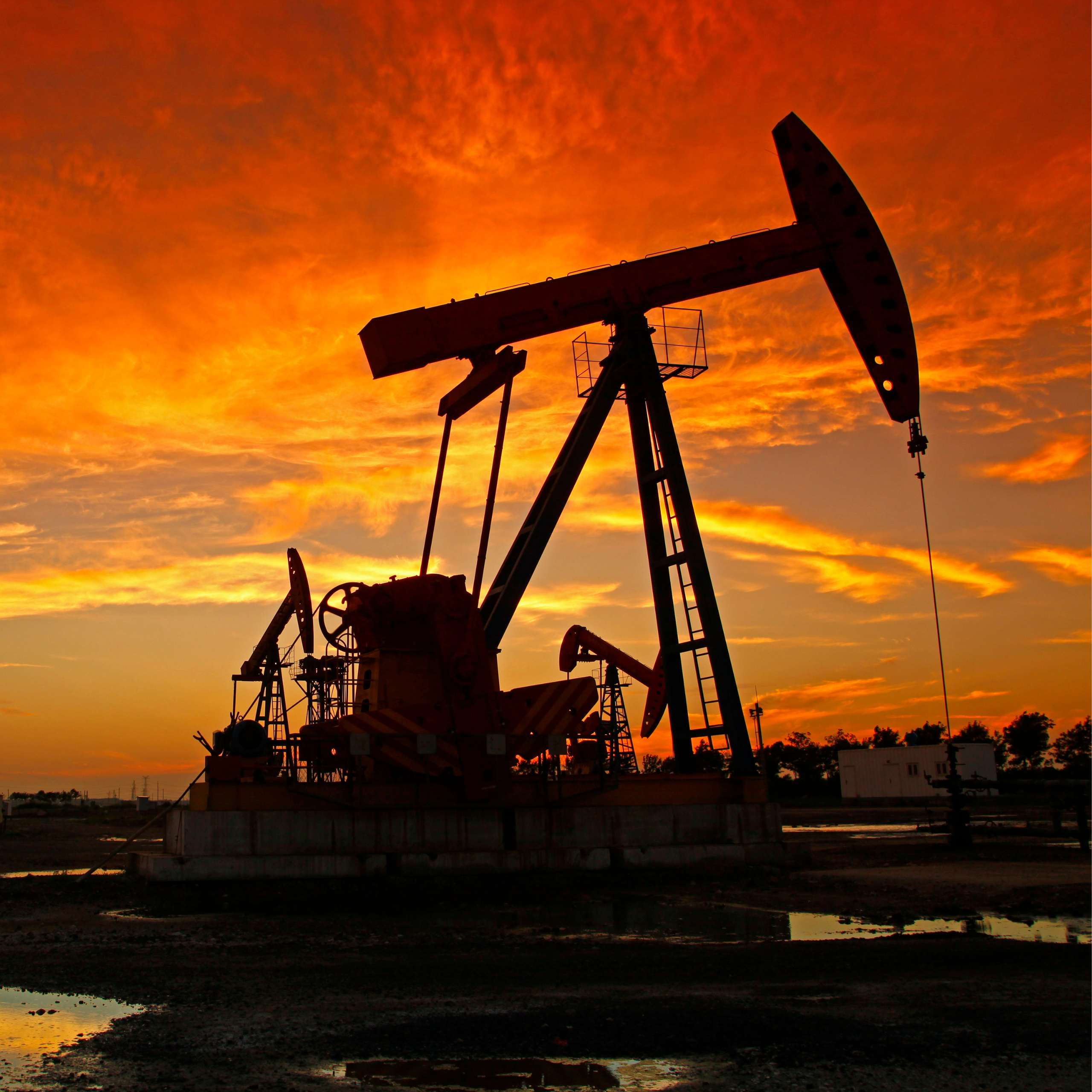
The global oil market has begun to react intensively in recent hours. Although the commodity typically fluctuates due to economic cycles, the recent movement gained momentum as various geopolitical tensions intersect. Thus, the price dropped nearly 2% after the United States seized an oil tanker linked to Venezuela, while Russia and Ukraine discuss the possibility of a peace agreement.
According to the OPEC, in a report released on Thursday, the 11th, the situation is expected to remain unstable. Prices are falling as investors assess risks, demonstrating how international politics and energy remain deeply connected.
Furthermore, as data from the Intercontinental Exchange (ICE) shows, episodes involving supply constraints, ship seizures, and ceasefire expectations usually provoke rapid reactions in the sector.
-
The rise in oil prices could ensure an extra revenue of R$ 100 billion for the Federal Government, indicates a recent economic study.

-
Naturgy begins an investment of R$ 1.6 million to expand the gas network in Niterói and benefit thousands of new residences and businesses.

-
A major turn in the Justice system suspends tax increases and directly impacts oil and gas companies in Brazil by affecting costs, contracts, and financial planning, leaving uncertain what could happen to the sector if these costs had increased.

-
Brava Energia begins drilling in Papa-Terra and Atlanta and could change the game by reducing costs in oil while increasing production and strengthening competitiveness in the offshore market.

The Direct Impact of the Seizure of the Venezuelan Oil Tanker
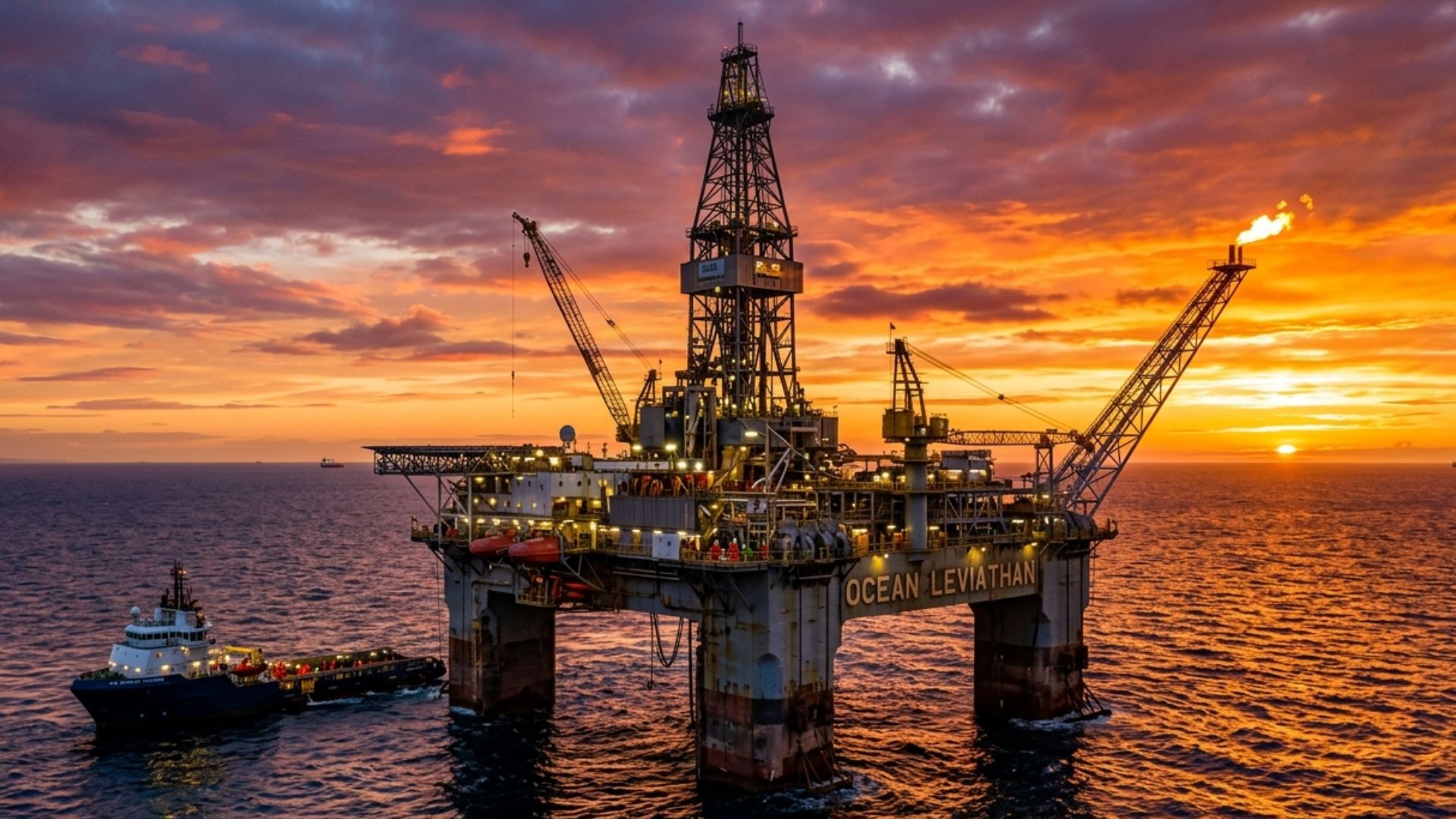
The episode involving the tanker sailing near the coast of Venezuela increased pressure on the market. The United States justified the action based on still-active sanctions against the country. However, the move also heightened the risk of regional retaliations.
As a consequence, investors began to revise their positions. This happened because, historically, conflicts involving oil shipping routes directly influence global flows. The crisis in the Strait of Hormuz in 2019 demonstrates the strength of such events, as according to the US Energy Information Administration (EIA), any threat to ships immediately alters price formation.
In addition, producing countries are watching the situation closely, as sharp changes in supply and demand balance can impact strategic decisions.
The Possible Truce Between Russia and Ukraine and Its Effects on Oil
Meanwhile, negotiations between Russia and Ukraine rekindle expectations of stability. Although no agreement is guaranteed, any advancement reduces some of the uncertainty pressuring the market. This occurs because:
- Russia remains one of the largest oil exporters in the world.
- Sanctions and logistical interruptions have reduced the volume available in the global market since 2022.
- A truce would reduce risks in strategic areas for energy transportation.
According to the Ukrainian government, recent talks indicate diplomatic openness. Although details have not been disclosed, the mere existence of dialogue already produces an immediate effect on supply expectations.
Additionally, European countries are monitoring the situation attentively. This occurs because the region is still adapting to the energy disruption caused by the historical reliance on Russian oil and gas, according to data from the International Energy Agency (IEA).
The Role of OPEC in Global Balance
As geopolitical tensions escalate, the Organization of the Petroleum Exporting Countries reinforces its regulatory role in the market. The report released on December 11 analyzes demand and supply trends, indicating that prices remain sensitive to the group’s decisions.
As OPEC has significant influence over global production, its statements shape expectations. The entity reminded that the market is subject to “heightened volatility.” Thus, any sign of adjustment in production gains prominence among investors.
According to OPEC, global economic growth is still recovering, but fluctuates, making pricing even more challenging. Moreover, exporting countries need to balance revenue, political stability, and competition with independent producers.
Historical Context and the Weight of Geopolitics on Oil
Although the recent episode seems isolated, the relationship between oil and geopolitics is longstanding. Since the early 20th century, conflicts involving energy shape international decisions. Examples include:
- The 1973 Oil Crisis, when the Arab embargo caused a major economic impact.
- The Gulf War in 1991, which repositioned the Middle East at the center of global discussions.
- The sanctions on Iran, which permanently altered export flows.
Thus, the recent drop of nearly 2% does not merely represent a momentary fluctuation. It reveals how oil remains sensitive to struggles for power, security, and territory, a theme present in various historical reports by the IMF, IEA, and EIA.
The Outlook for the Coming Months
Although some investors expect a recovery in prices, the future scenario depends on various factors. Among them:
- The outcome of negotiations between Russia and Ukraine.
- New actions by the United States regarding Venezuela.
- Future reports from OPEC and global economic indicators.
- Possible changes in consumption, especially in Asia.
Thus, experts assert that volatility is likely to remain high. The market will probably respond immediately to any news involving diplomacy, sanctions, or oil transportation.
Moreover, the growing discussion about energy transition does not eliminate the current relevance of the commodity. On the contrary, it creates new challenges, as countries need to balance sustainability, energy security, and economic competitiveness.
The Importance of Understanding Moments Like This
Therefore, episodes like the seizure of the oil tanker and peace negotiations highlight the fragility of the global energy system. They show that the oil market depends not only on supply and demand but also on political decisions that can change business strategies, investments, and public policies.
Thus, understanding these movements helps interpret the future of energy and its impacts on the daily lives of consuming and producing countries.
Finally, the recent drop underscores the need to follow official sources — such as OPEC, IEA, EIA, national governments, and financial institutions — as they provide data that guide decisions and reduce uncertainties.








Seja o primeiro a reagir!