





 Portuguese
  English
  Spanish
  3 min of reading
  0 comments


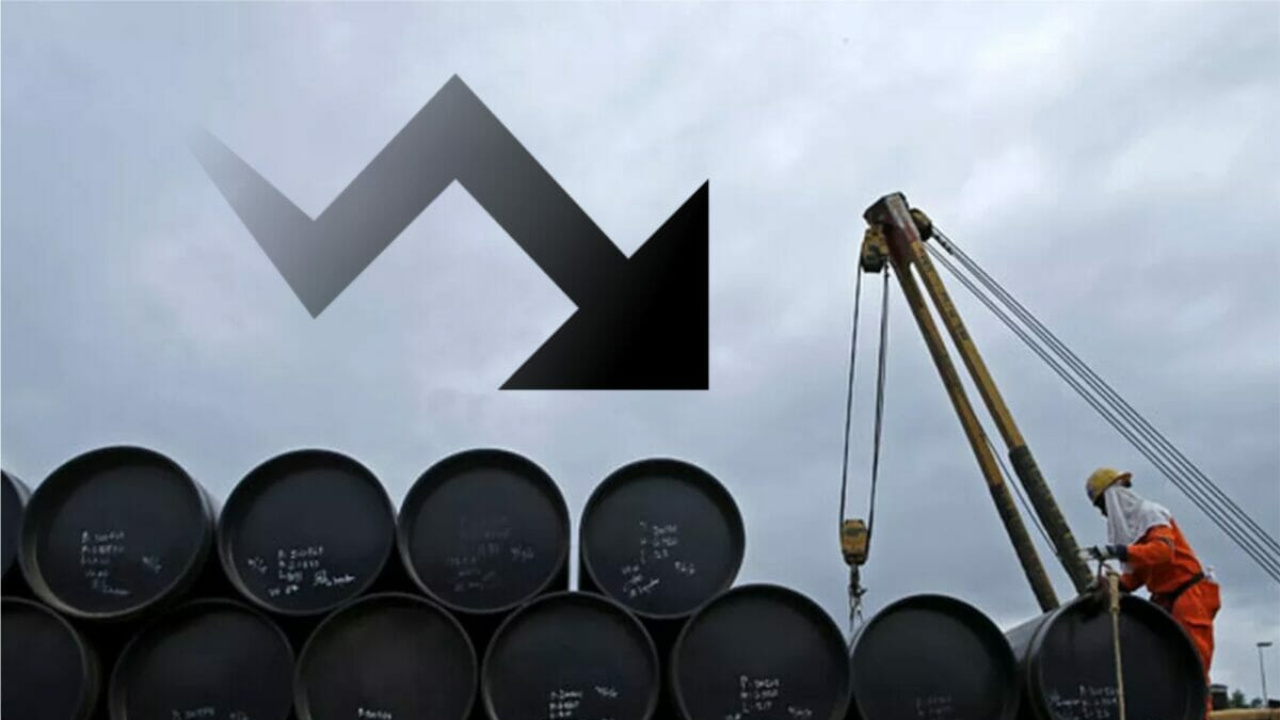
Oil Closes Sharply Lower in International Market, Pressured by Peace Negotiations Between Russia and Ukraine and Expectations Surrounding the Federal Reserve’s Interest Rate Decision.
Oil ended Monday’s session (8) sharply lower in the international market. The commodity’s futures contracts fell about 2%, reflecting an uncertain environment linked to geopolitical and economic factors.
Investors are closely monitoring the developments of the war between Russia and Ukraine, as well as the expectation for the Federal Reserve’s next monetary policy decision, scheduled for Wednesday (10).
From the early hours of trading, the mood was cautious. Despite indications of possible peace negotiations in Eastern Europe, the weekend was marked by new attacks between Russians and Ukrainians, keeping the market on alert.
-
The rise in oil prices could ensure an extra revenue of R$ 100 billion for the Federal Government, indicates a recent economic study.

-
Naturgy begins an investment of R$ 1.6 million to expand the gas network in Niterói and benefit thousands of new residences and businesses.

-
A major turn in the Justice system suspends tax increases and directly impacts oil and gas companies in Brazil by affecting costs, contracts, and financial planning, leaving uncertain what could happen to the sector if these costs had increased.

-
Brava Energia begins drilling in Papa-Terra and Atlanta and could change the game by reducing costs in oil while increasing production and strengthening competitiveness in the offshore market.


WTI and Brent Register Significant Losses at Close
In the U.S. market, January WTI oil, traded on the New York Mercantile Exchange (Nymex), ended the day down 2%, equivalent to US$ 2.80, settling at US$ 58.88 per barrel.
In converted values, the loss amounted to about R$ 14.92, while the final price reached approximately R$ 313.79.
Meanwhile, February Brent oil, traded on the Intercontinental Exchange (ICE) in London, also experienced a significant decline.
The price fell 1.98%, or US$ 1.26, closing the session at US$ 62.49 per barrel, around R$ 332.95. Thus, both benchmarks reinforced the risk aversion trend in global markets.
Tensions Between Russia and Ukraine Increase Oil Volatility
In the political landscape, statements made on Sunday evening heightened instability. U.S. President Donald Trump stated that the Ukrainian president is still unwilling to accept a peace proposal. According to him, “he is not ready.” Trump added, “I believe Russia is on board, but I’m not sure about Zelenski. His people loved it, but he’s not ready.”
Meanwhile, Volodymyr Zelensky has scheduled meetings with Keir Starmer, Friedrich Merz, and Emmanuel Macron. The aim is to update European leaders on the progress of negotiations. Despite the diplomatic meetings, new attacks reported over the weekend left injuries and reinforced the perception of risk in the oil market.
Expectations for the Fed Also Influence Oil Prices
In addition to the geopolitical scenario, the oil market is closely monitoring the Federal Reserve’s decision. The determination on U.S. interest rates can directly affect the demand for fuels and derivatives. Analysts highlight that lower rates tend to stimulate economic activity, while a monetary tightening can reduce consumption.
For Ritterbusch, oil behavior this week will be influenced not only by tensions involving Ukraine, Russia, and Venezuela, but also by the Fed’s positioning.
White House Advocates for Monetary Easing in the U.S.
In an interview on Monday, White House Economic Advisor Kevin Hassett advocated for the continuation of monetary easing.
According to him, it is essential to assess economic data to determine how many rate cuts would be necessary to reach a level considered “ideal.”
Hassett is viewed as one of the leading candidates to replace Jerome Powell as chair of the Federal Reserve, which adds further market attention to his statements and their indirect impacts on oil.









-

Uma pessoa reagiu a isso.