





 Portuguese
  English
  Spanish
  3 min of reading
  0 comments


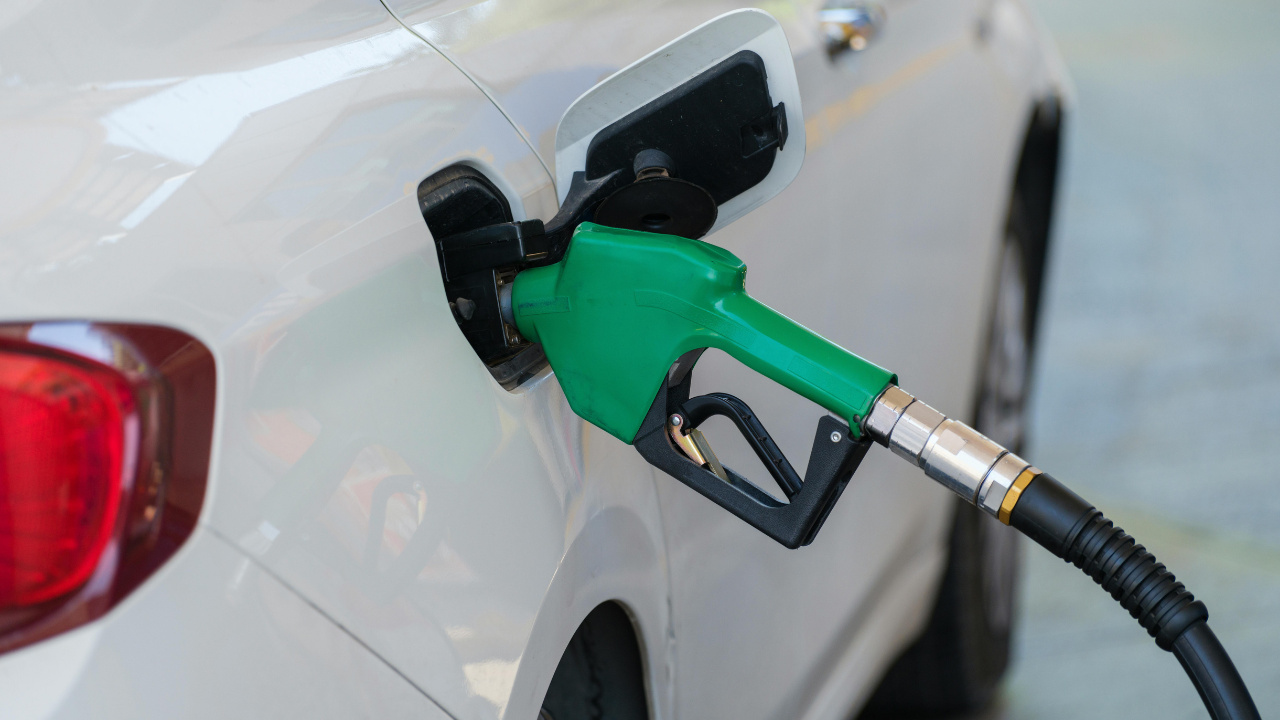
Rising Oil Prices Due to Sanctions by the U.S. on Russia Worries the Market and Raises Questions About New Gasoline Adjustments in Brazil.
Futures contracts for oil started Thursday (23) with strong gains, fueling discussions in the energy and financial sectors. At 10 AM (Brasília time), the WTI barrel for December was up 5.93%, while Brent increased by 5.53%. The jump in prices reflects the tension among investors following new U.S. sanctions against major Russian oil companies, Rosneft and Lukoil.
The measure, according to the U.S. government, aims to punish Russia for its “lack of serious commitment to a peace process” to end the war in Ukraine. However, the decision has echoed globally, raising concerns about potential supply constraints of the commodity and its effects on gasoline costs.
Market Reacts to Sanctions and Fears Global Supply Reduction
Experts point out that the sanctions may reduce the availability of Russian oil in the international market, putting upward pressure on prices in the short term.
-
Petrobras evaluates suspension of sales to distributors and considers canceling the cooking gas auction following guidelines from the Federal Government.
-
Lula reveals a masterstroke by Petrobras to undo a deal made by Bolsonaro, which involves the return of an important refinery that currently produces less than half of what was expected and makes Brazil dependent on international diesel.
-
A study confirms that the natural gas sector will reduce greenhouse gas emissions in Brazil by 0.5% and accelerate the energy transition by 2026.

-
Petrobras implements a severe adjustment and confirms a 55% increase in the price of aviation kerosene with a proposal for installment payments for the companies.


“The market reacts because there is concern about a possible restriction in the supply of Russian oil or an increase in that restriction, which could elevate commodity prices in the short term. Despite this, we see a continuation of a relatively weak environment for the industry as a whole,” explains Ricardo França, an analyst at Ágora Investimentos.
With the movement, the price of the barrel remained above US$ 60, a range considered critical for determining adjustments in the fuel sector. Additionally, the appreciation also impacted the shares of oil companies, such as Petrobras (PETR3; PETR4), which followed the upward trend during trading.
Effects on Consumers Are Still Uncertain, but the Alert Is On
Despite the strong reaction in the international market, experts assert that the impact at gas stations is not immediate. This is because Petrobras adopts a pricing policy that considers not only the barrel price but also the dollar exchange rate and import parity.
According to João Abdouni, an analyst at Levante Inside Corp, the state-owned company currently sells gasoline to distributors about 8% above international parity, indicating a safety margin.
“Usually, the company does not make sudden adjustments unless oil undergoes a significant variation. This is not the current case because the commodity is still within the US$ 60 range,” he stated.
Therefore, while the rise in oil prices worries investors and governments, there are no immediate expectations of gasoline price increases in Brazil — unless the appreciation remains consistent for a longer period.
Petrobras Reduced Gasoline Prices Before Oil Prices Surge
It is worth noting that on Tuesday (21), Petrobras reduced gasoline prices by 4.9% for distributors. The average price fell from R$ 2.85 to R$ 2.71 per liter, reflecting the trend of market stability before the sanctions.
This recent reduction helps balance the impact of the international rise, at least in the short term. According to analysts, even with the new uncertainty scenario, the gap between domestic and external prices still allows for some flexibility in the state company’s pricing policy.
The episode rekindles the debate over the world’s reliance on oil and the vulnerability of markets to geopolitical tensions. Each new sanction or conflict affecting major producers can trigger waves of volatility in commodity prices, directly impacting inflation, logistical costs, and consumers’ wallets.
As the war in Ukraine continues without a prospect for resolution and the U.S. intensifies its pressure on Moscow, the global market adjusts to a scenario of prolonged uncertainties. The rise in oil prices is a clear reminder of how international politics and energy are intrinsically linked, requiring heightened attention from governments and investors.







Seja o primeiro a reagir!