





 Portuguese
  English
  Spanish
  4 min of reading


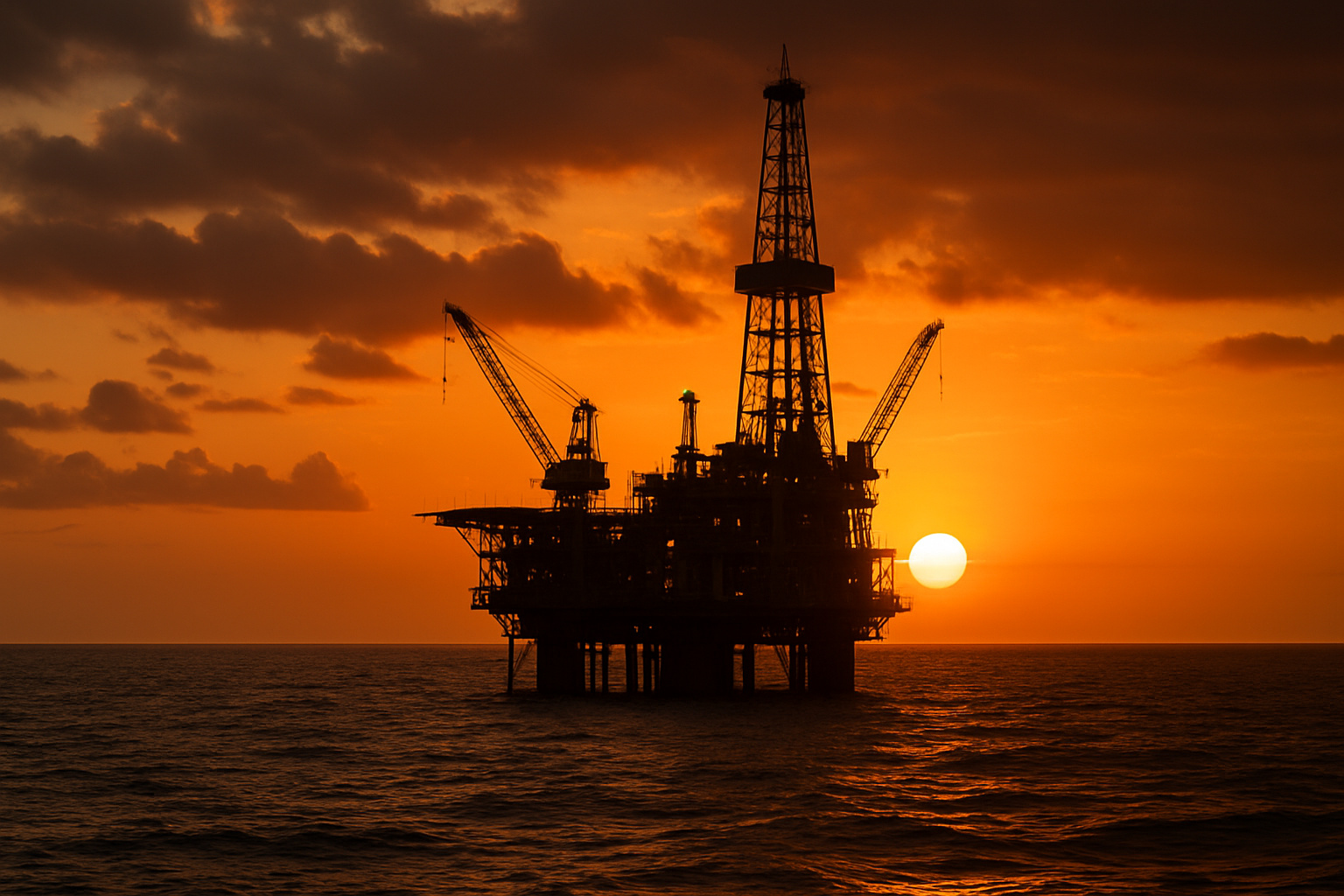
Global Oil Market Adjusts Amid Geopolitical Tensions, Sustainability, and Expectations About Future Supply
The oil price rose again in the early morning hours, reinforcing a debate that always resurfaces during moments of market instability. According to the Intercontinental Exchange (ICE), the Brent for February increased by 0.53% at 9:10 AM, reaching US$ 62.27. And this fluctuation, although it may seem small, reveals deep trends linked to geopolitics, global supply, and the ongoing pursuit of sustainability in the energy sector.
Since the early 21st century, oil prices have fluctuated due to external shocks. Wars, financial crises, and climate changes have always shaped the price curve. Now, however, a new combination emerges: constant military tensions and energy transition policies competing for space with a planet still reliant on oil.
The Recovery of Prices and the Weight of Ongoing Conflicts
According to the website Investing, the recent recovery came after days of losses reflecting doubts about global demand. At the same time, concerns around Russian supply have increased. Moscow faces both external and internal pressures, which could reduce production at any moment. And, as always, the market reacts immediately when this risk appears.
-
The rise in oil prices could ensure an extra revenue of R$ 100 billion for the Federal Government, indicates a recent economic study.

-
Naturgy begins an investment of R$ 1.6 million to expand the gas network in Niterói and benefit thousands of new residences and businesses.
-
A major turn in the Justice system suspends tax increases and directly impacts oil and gas companies in Brazil by affecting costs, contracts, and financial planning, leaving uncertain what could happen to the sector if these costs had increased.

-
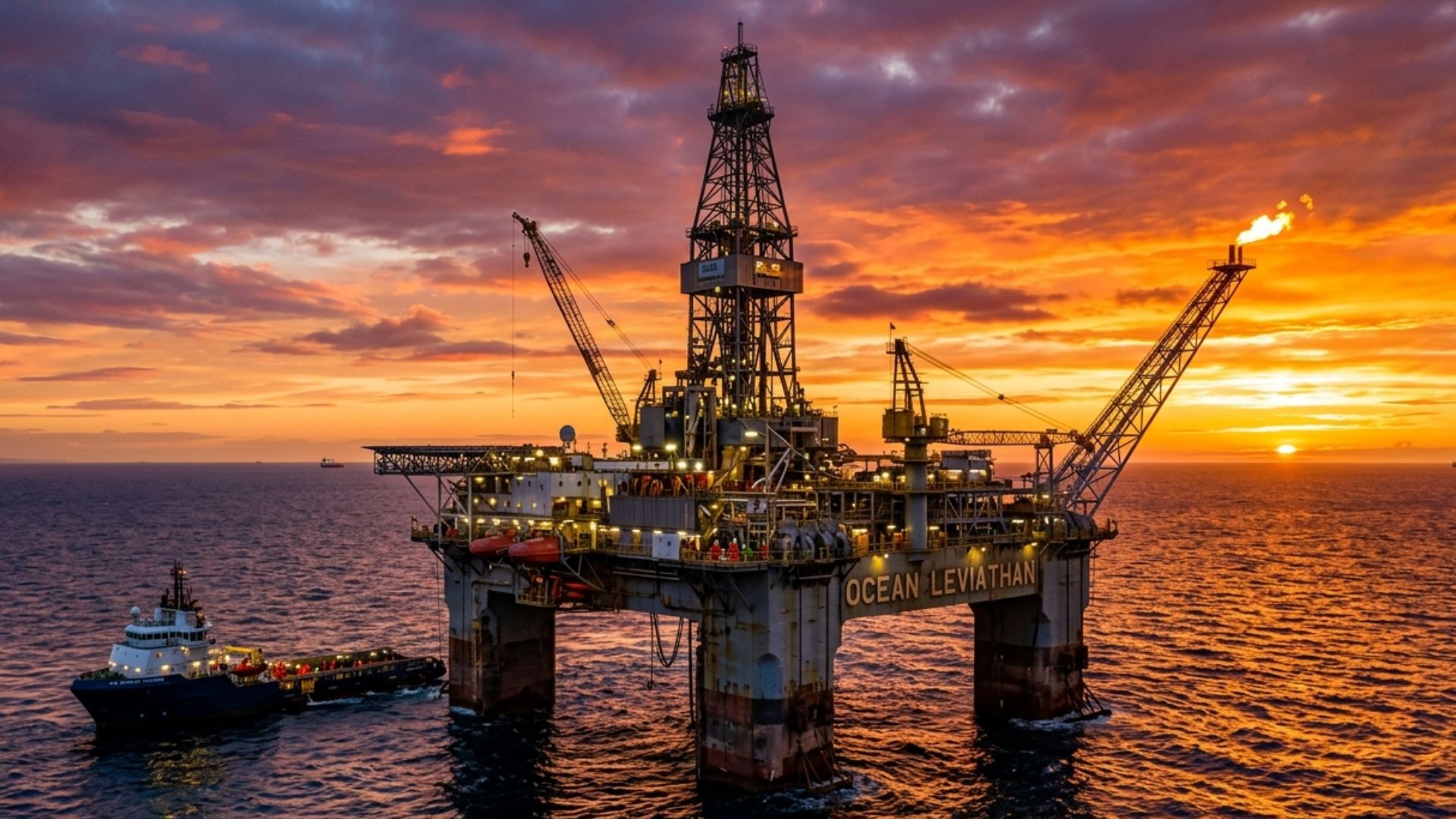
Brava Energia begins drilling in Papa-Terra and Atlanta and could change the game by reducing costs in oil while increasing production and strengthening competitiveness in the offshore market.

Moreover, the war between Russia and Ukraine continues with no prospect of resolution. The conflict remains influential in distribution logistics and price equilibrium. Since 2022, ports, railways, and pipelines have become vulnerable targets. Thus, any military advancement alters the flow of global oil.
At the same time, new conflicts in the Middle East rekindle old concerns. According to the U.S. government, indirect attacks on maritime transport have increased disruption risks. Therefore, the combination of uncertainties creates a scenario in which oil always reacts before the rest of the economy.
The Historical Role of Russia and the New Cycle of Pressure on Supply
Russia remains one of the largest global exporters. And this matters. Since the Cold War, Moscow has used its energy capacity as a political tool. According to the International Energy Agency (IEA), Russia provides a crucial part of the oil that reaches Asia and maintains relevant routes to Europe, even after recent sanctions.
Therefore, any sign of a production squeeze reverberates immediately. The world has experienced similar moments before. In the early 2000s, for example, instability in Iraq quickly reduced global supply. History repeats itself because the global energy matrix remains dependent on fossil sources, even with significant advances in renewables.
Today, the discussion has gained more layers. The market is trying to figure out how to build stability in a transition period to cleaner energies without compromising the planet’s energy security. And thus, oil remains at the center of the equation.
Sustainability as a Balancing Point in This Debate
Although oil remains essential, the movement to balance production and environmental responsibility is growing. COP30 reinforced this by discussing planetary limits related to emissions. According to the United Nations Environment Programme (UNEP), oil still represents a significant part of global pollution, but regulatory advances could reduce this impact.
Thus, every new market variation rekindles the need to find a path that unites economic development and climate protection. Sustainability is no longer ancillary. It structurally accompanies the energy debate.
The Search for Stability and the Behavior of Investors
Historically, investors analyze oil as a global thermometer. When there is political uncertainty, the price rises. When supply seems guaranteed, the value falls. The current movement confirms this pattern.
According to analysts connected to ICE, the expectation is that oil will continue to react to every signal from the market. In this scenario, investors are closely observing three main factors. The first is the performance of major economies, which still face growth challenges. The second involves OPEC’s policies, which aim to balance supply and demand amid internal disputes. The third concerns military tensions, which remain the most immediate impactful element.
This combination forms a dynamic mosaic. Thus, every variation in the indices suggests a new chapter in the story of oil.
The Relevance of Oil in Brazil and the Impact on the Internal Market
Brazil is closely following this movement. The country is now among the largest global producers thanks to the pre-salt. According to the ANP, Brazil surpassed 4 million barrels per day in 2024, consolidating a strategic position. Therefore, any international fluctuation resonates internally.
When prices rise, government revenues increase, and exports strengthen. On the other hand, domestic pressure for fuel reduction grows, rekindling debates about pricing policy. Oil has always been linked to the mood of the national economy, and that remains.
The Search for New Paths and the Coexistence of Past and Future
The global economy is trying to navigate in two directions. On one hand, it needs to ensure immediate energy supply. On the other, it must accelerate the transition to sustainable sources. This duality creates an ongoing debate.
Historically, oil has built economies, fueled wars, and driven social transformations. Now, however, it shares space with renewable energies that are advancing steadily. According to the International Renewable Energy Agency (IRENA), clean sources are growing faster than any other energy technology since 2015.
Even so, the world still depends on oil for transportation, industry, and infrastructure. Therefore, market movements will continue to influence political, economic, and environmental decisions.
Essential Highlights Along the Way
Throughout this analysis, several points gain strength. Among them is the perception that oil remains a global benchmark, even in a world trying to accelerate its transition. Furthermore, it becomes clear that geopolitical risk and Russian supply will continue to shape prices in the coming months. Finally, the debate on sustainability continues to serve as a balancing element for future decisions.








Seja o primeiro a reagir!