





 Portuguese
  English
  Spanish
 3 min of reading
  0 comments


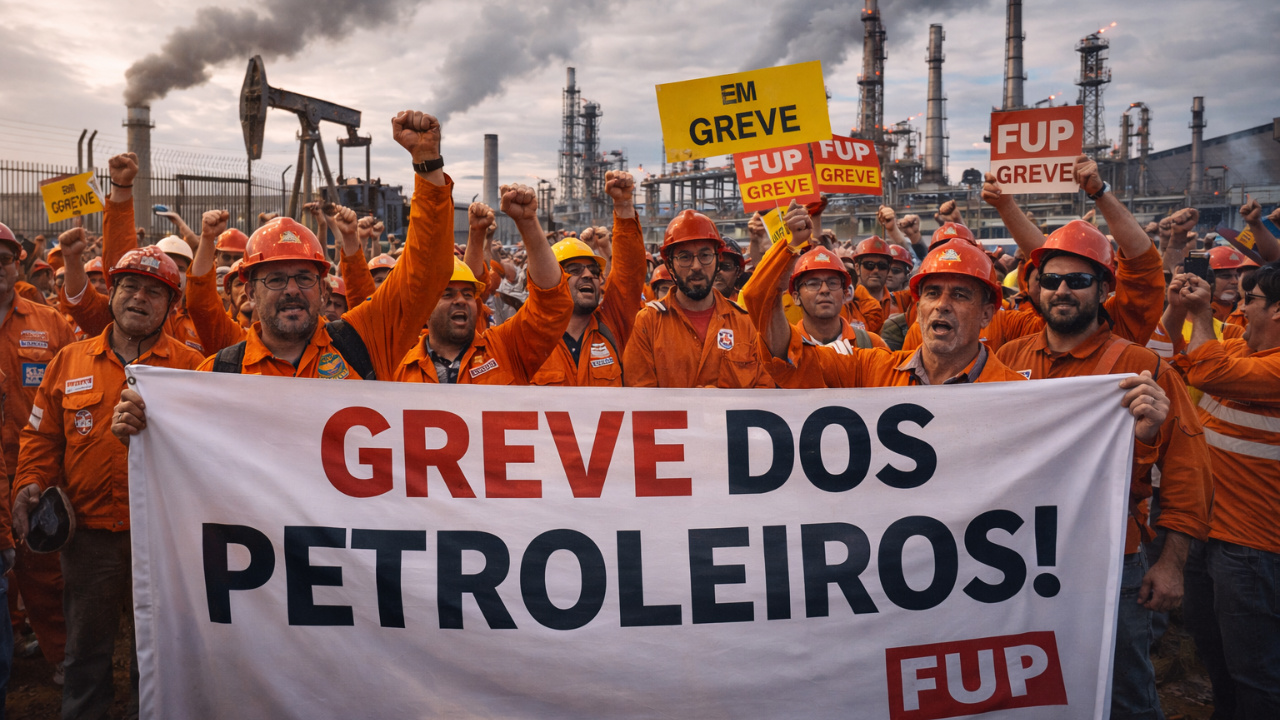
National Strike in the Petrobras System Reaches the Third Day, Maintains Paralysis of Oil Fields in Bahia and Expands Adherence in Refineries, Platforms, and Operational Units in Other States.
The national strike of workers from the Petrobras System has reached its third day with ongoing disruptions in areas deemed strategic for oil production. In Bahia, the movement remained active this Wednesday (17), with interruptions of activities in several land production fields and in a biodiesel plant.
According to information from the labor unions, the mobilization remains linked to the demand for a Collective Labor Agreement (ACT) considered fairer, in addition to criticism of the practices adopted by the company in its relationship with workers.
Still in the state, the category maintained the paralysis of the oil fields of Taquipe, located in São Sebastião do Passé, Bálsamo, in the municipality of Esplanada, Santiago, in Catu, Buracica, in Alagoinhas, and Araçás. Furthermore, the Biodiesel Plant in Candeias, operated by PBio, continues with full adherence from Petrobras workers.
-
A study confirms that the natural gas sector will reduce greenhouse gas emissions in Brazil by 0.5% and accelerate the energy transition by 2026.

-
Petrobras implements a severe adjustment and confirms a 55% increase in the price of aviation kerosene with a proposal for installment payments for the companies.

-
The rise in oil prices could ensure an extra revenue of R$ 100 billion for the Federal Government, indicates a recent economic study.

-
Naturgy begins an investment of R$ 1.6 million to expand the gas network in Niterói and benefit thousands of new residences and businesses.

Mobilization Includes Demonstrations and Pickets at Administrative Buildings
In addition to the interruption of operational activities, oil workers also carried out mobilization actions at administrative buildings. In Bahia, there were pickets and awareness work for male and female workers at Torre Pituba, Petrobras’s headquarters in the state.
These actions, according to the organizers of the movement, aim to enhance dialogue with the category and reinforce the unity of workers in the face of the negotiation scenario with the company.
Meanwhile, the strike continues to be described as a national movement, with progressive adherence in other regions of the country.
Other Refineries and Oil Platforms Join the Movement
In parallel to the situation in Bahia, new units have joined the strike in other states. In Pernambuco, workers from the Abreu e Lima Refinery and the Suape Terminal joined the movement after the cut of the morning shift’s productivity.
With this adherence, all nine Petrobras refineries located in the bases of the Single Federation of Oil Workers (FUP) have officially joined the paralysis. The movement has also advanced onto oil platforms in the Campos Basin, in Rio de Janeiro.
Currently, according to data released by labor unions, 28 oil platforms are on strike at the bases linked to the FUP, expanding the impact of the mobilization in the offshore sector.
National Reach of the Strike in the Petrobras System
The strike movement reaches a significant number of operational and administrative units. In total, at the FUP bases, the paralysis involves nine refineries, 28 oil platforms, 13 Transpetro units, four thermoelectric plants, and two biodiesel plants.
In addition, the land oil fields in Bahia, the Cabiúnas Gas Treatment Unit (UTGCAB), the Paulínia Compression Station, operated by TBG, and Petrobras’s headquarters in Natal, known as EDIRN, remain paralyzed.
This scenario reinforces the national character of the strike and expands the debate on the impacts of the paralysis in the oil sector, especially at a time of discussions regarding production policies, investments, and labor relations within the state-owned company.






Seja o primeiro a reagir!