





 Portuguese
  English
  Spanish
  4 min of reading
  0 comments


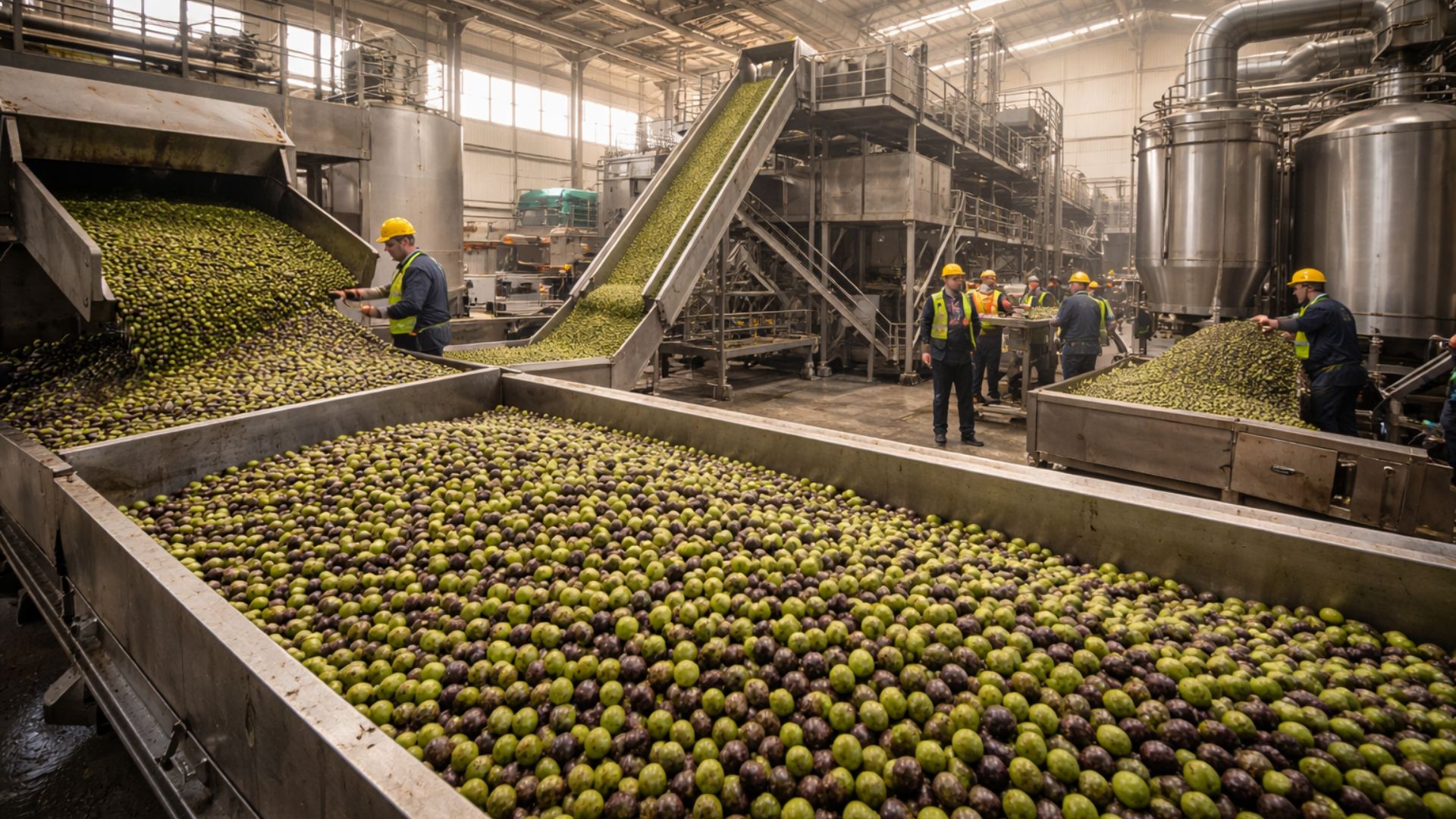
Olive Oil Production Waste Gains Energy Value in Spain, Where Olive Pits Fuel Residential Heating and Industrial Boilers. Agricultural Byproduct with High Calorific Power Generates Revenue, Reduces Waste, and Integrates Biomass Strategies in a Global Chain That Moves Millions of Tons of Olive Oil.
The olive pit has stopped playing a marginal role in the olive oil chain and started to gain value as fuel in producing regions of Spain, where it supplies residential heating systems, small businesses, mills, and industrial boilers.
In an energy-cost-pressured market, olive waste is now treated less as operational surplus and more as biomass with commercial destination, quality standards, and its own demand.
This shift is not only explained by the size of Spanish production but also by the properties of the material.
-
The government will charge up to R$ 650 from pet owners in 2026, and tourists traveling with their dogs will have to pay a daily fee; the measure surprised thousands of pet ‘parents’ in Italy.
-
Man swaps his cellphone and modern life for a shelter in a tree to test the limits of mental sanity and physical preparedness.
-
In the USA, a city is considered the World Capital of the Horse due to having over 1,200 farms and around 75,000 horses. Understand how the soil of Ocala transforms horses into champions and generates over $190 million a year.

-
The United Kingdom is throwing six-ton concrete blocks to the bottom of the North Sea, and the reason is the opposite of what you might think, as each block carries 4,000 oysters capable of filtering millions of liters of water per day.


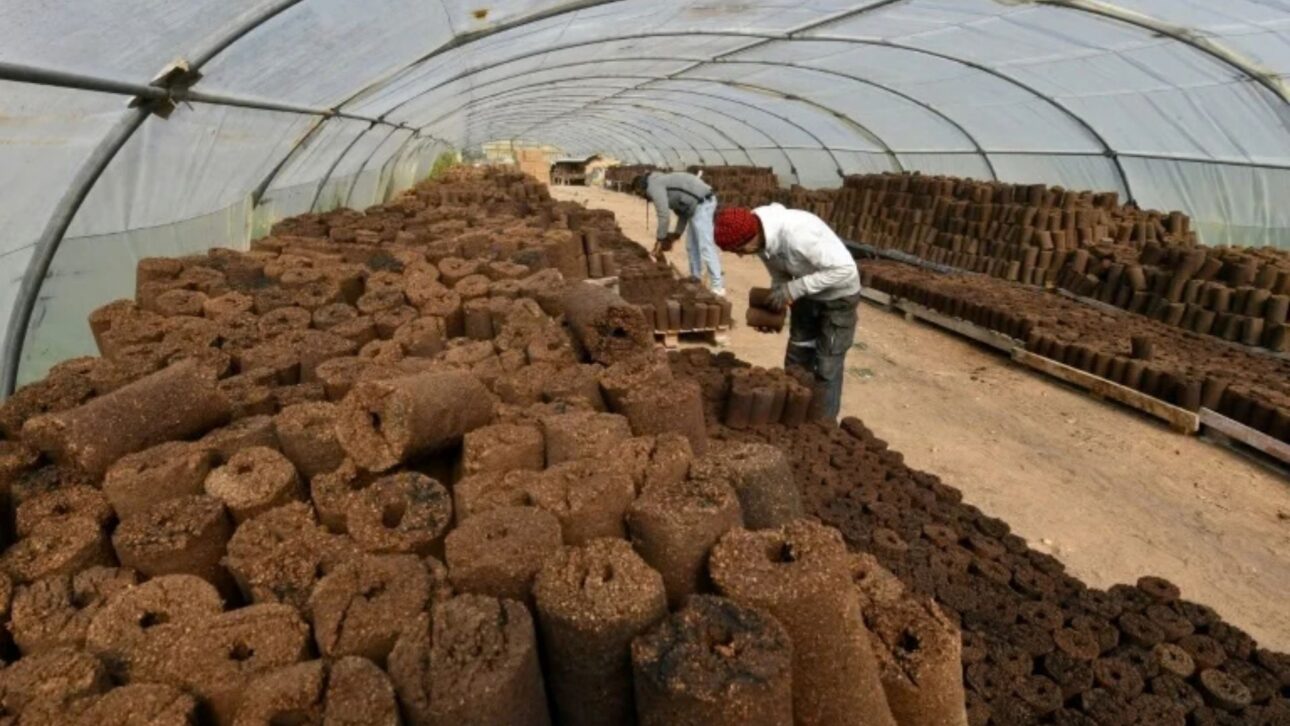
Bioenergy Europe describes the olive pit as a byproduct of high calorific power and low ash content, a combination that broadens its application even in smaller biomass heating systems.
The entity also records additional industrial uses, such as activated carbon production and its employment as a raw material in specific processes, raising its value beyond mere heat generation.
In practice, the scale of olive cultivation helps explain why this waste has become contested.
Provisional data from the International Olive Council indicates that global olive oil production in the 2024/25 cycle is estimated at 3.572 million tons, with Spain accounting for 1.419 million tons.
In such a large sector, any usable fraction of the olive tends to gain economic weight, especially when it can be converted into energy or an industrial input with regular market demand.
Olive Pit Biomass Gains Energy Market
According to a Reuters investigation, pits represent between 8% and 10% of each ton of processed olives, a proportion that creates a continuous flow of raw material in milling centers.
In Spain, annual production is around 400,000 tons, and about one-third of this volume is refined for domestic use, while the remainder goes to thermal applications in the industry and the mills themselves.
This refining is not an irrelevant technical detail, as it changes the standard of the product and, thus, its price.
By reducing moisture and delivering a more stable fuel, processing improves performance in boilers and increases acceptance in systems that require more uniform combustion.
According to Reuters, refined pit can be worth up to twice that of raw material, precisely because it more efficiently meets residential and industrial demand.
The growth of this niche is already evident in the industry’s structure.
By the end of 2023, Spain had 31 companies focused on refining and producing olive pits as biomass, up from 25 registered in 2020.
Among them is Peláez Renovables, in Andalusia, which refines up to 25,000 tons per year and estimates adding between 60 and 80 euros per ton to the processed product.
The valorization of the waste has also changed the economic logic of cooperatives and mills.
What was previously treated as agricultural passive or local-use fuel has now started to contribute to the revenue of a chain that grapples with fluctuations in harvests, energy costs, and pressure for efficiency.
Reuters reports that, for part of the sector, biomass from olives is already a growing source of income and helps reduce waste in an industry historically accustomed to reusing every stage of the fruit.
Difference Between Olive Pit and Other Olive Residues
However, not all olive waste behaves the same way as separated and refined pits.
Bioenergy Europe differentiates this material from the so-called olive cake, which can comprise pulp, skin, pits, and residual oil fraction.
While the pit stands out for its lower ash content and adaptation to smaller systems, the cake usually appears in larger facilities aimed at producing heat and energy on a larger scale.
Agricultural Residues Enter Industrial Energy Strategy
The interest in second-generation organic waste is also evident in broader industrial projects.
Moeve, the name adopted by the former Cepsa, and Bio-Oils announced in Huelva the construction of a plant with flexible capacity of 500,000 tons per year of sustainable aviation fuel and renewable diesel, with operation set to begin in 2026.
The company states that the unit integrates a strategy based on residues and second-generation raw materials, aimed at harder-to-electrify sectors.
This does not mean that the market operates without risks or challenges.
Reuters noted that crop failures caused by extreme heat reduced the availability of pits during certain periods, pressured prices, and contributed to a 40% drop in demand, although the product remained competitive compared to diesel and the regulated gas tariff during part of the period.
At the same time, the report itself records criticism from environmentalists about the indiscriminate advancement of biomass, which reinforces that the strategic value of the pit depends both on agricultural supply and sustainability rules along with the cost of competing energy.



Seja o primeiro a reagir!