





 Portuguese
  English
  Spanish
  5 min of reading
  3 comments


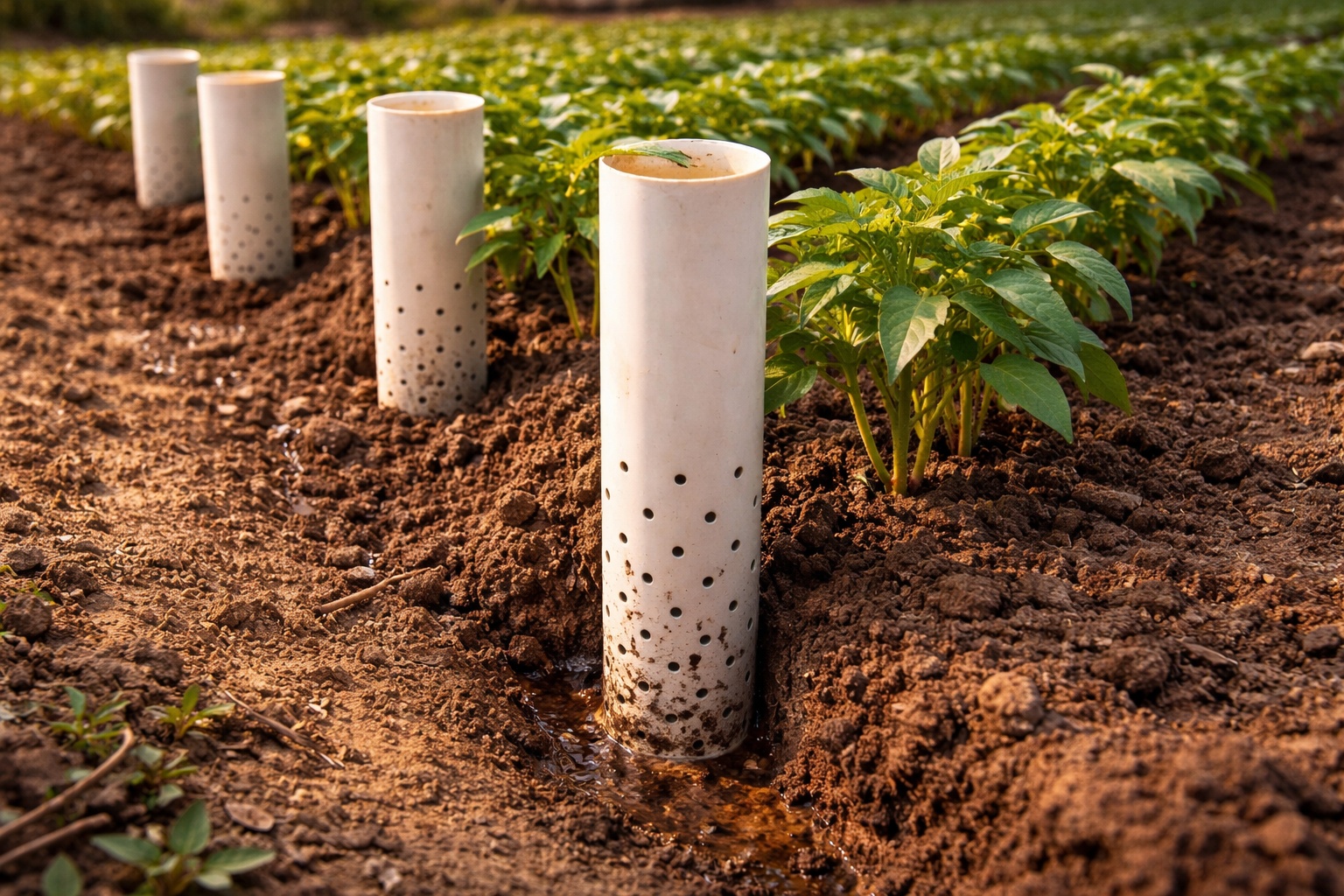


Rural Producers Implement Underground Irrigation System with Perforated PVC Pipes That Delivers Water Directly to the Root Zone, Saves Water Resources and Reduces Waste
A simple and low-cost method has been attracting the attention of family farmers and small producers: the use of perforated PVC pipes buried near plants for underground irrigation, delivering water directly to the root zone and drastically reducing water waste compared to traditional irrigation techniques. Underground irrigation through perforated pipes is a form of localized irrigation system where the pipes, often made of PVC, are buried below the soil surface and release water directly where plants need it most: near the roots.
This method is based on the principle of applying water to the soil below the surface, minimizing:
- evaporation,
- surface runoff,
- water loss due to wind or heat,
- and also keeps moisture more stabilized around the root.

By delivering water directly to the root profile, the method is similar to subterranean drip irrigation, which is recognized for offering high efficiency in water use and superior agronomic results compared to traditional irrigation techniques.
-
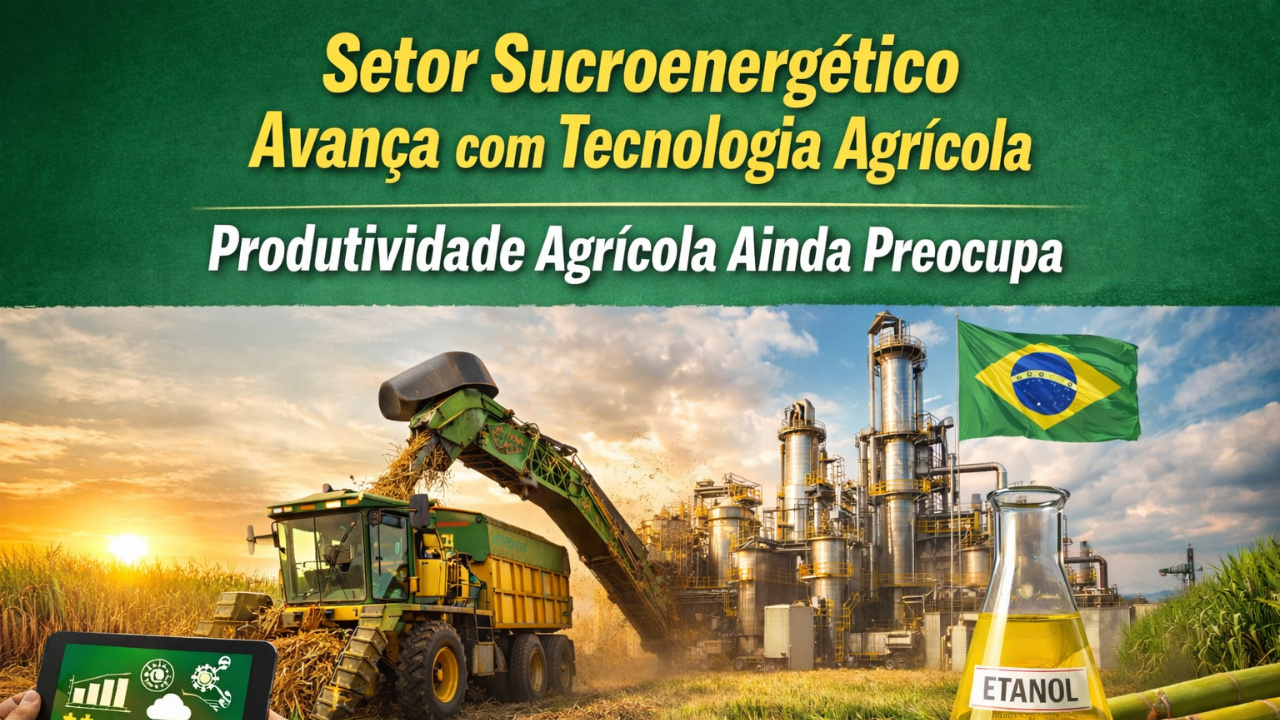
The sugar-energy sector advances with agricultural technology, but agricultural productivity still raises concerns.
-
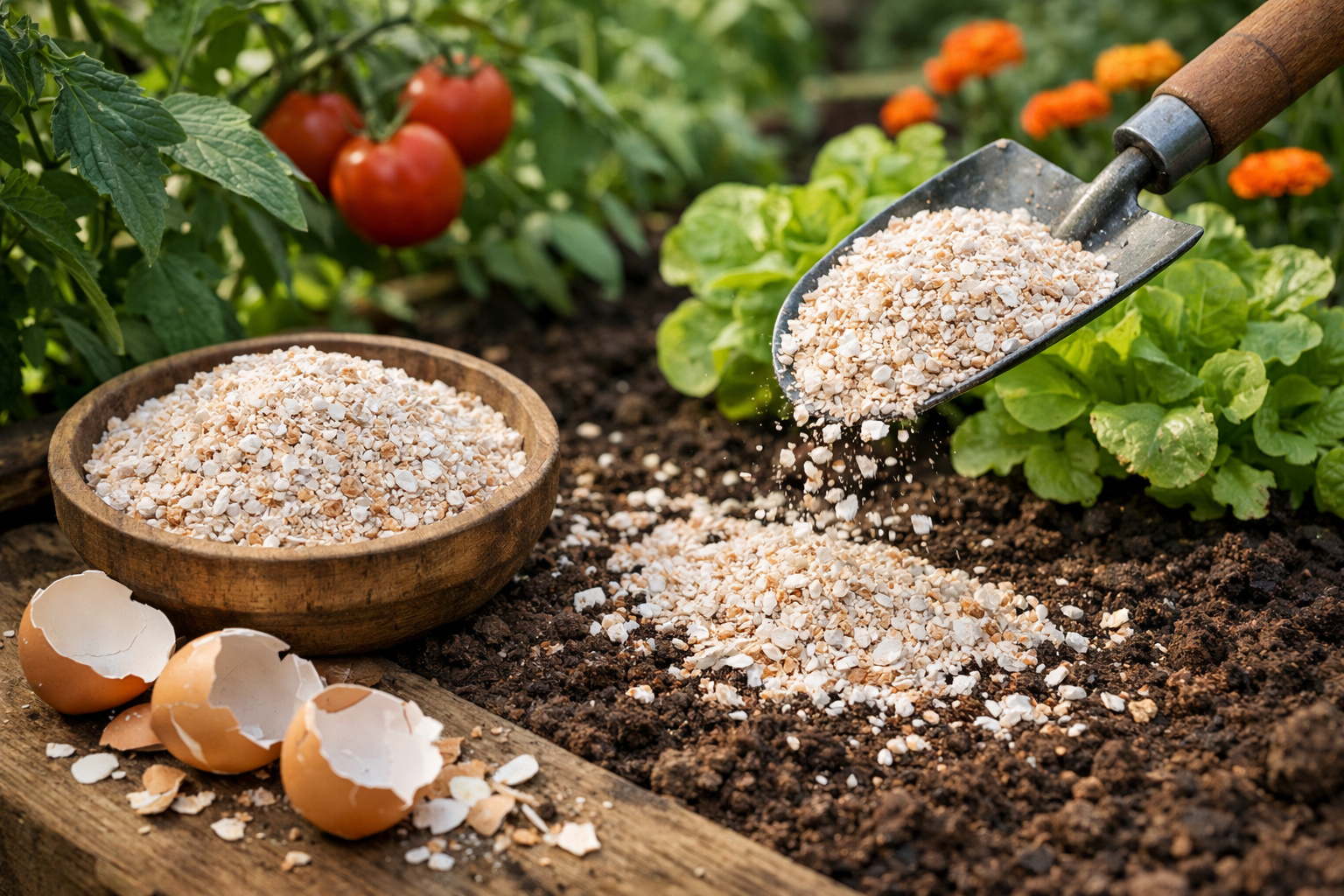
The eggshell that almost everyone throws away is made up of about 95% calcium carbonate and can help enrich the soil when crushed, slowly releasing nutrients and being reused in home gardens and vegetable patches.
-
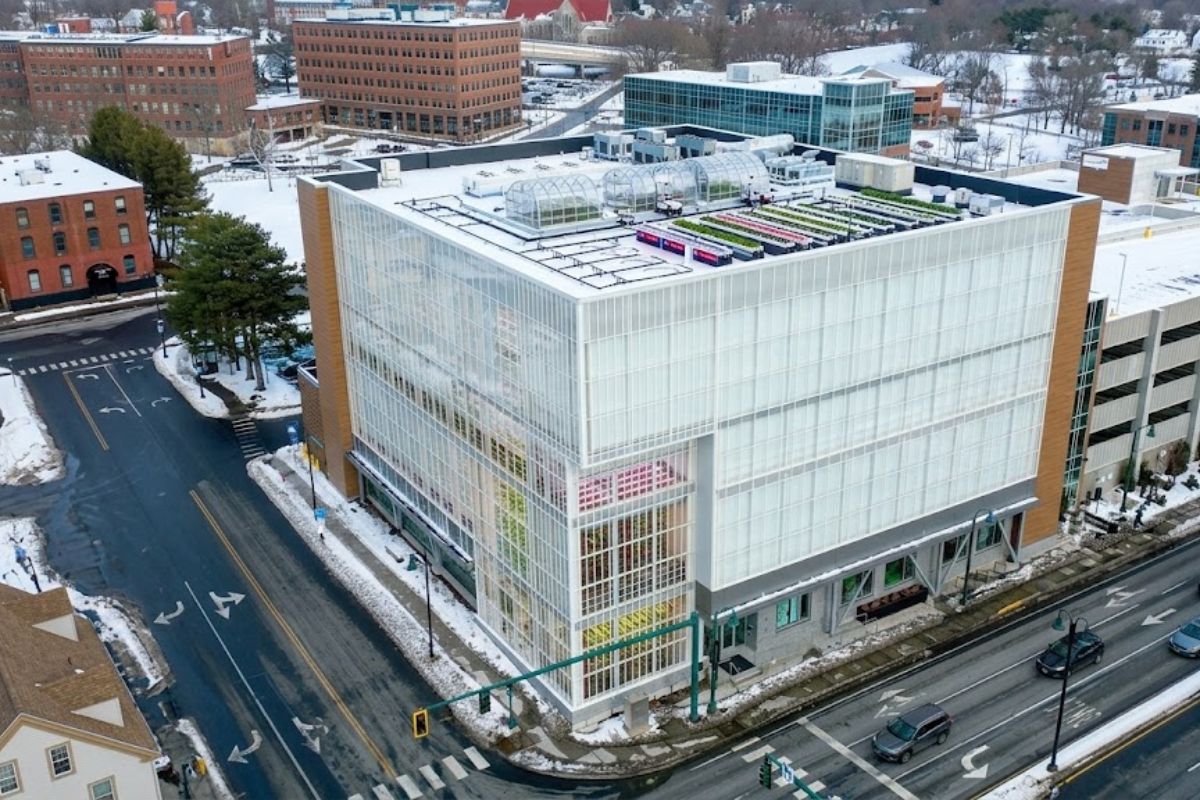
This farm in the United States does not use sunlight, does not use soil, and produces 500 times more food per square meter than traditional agriculture: the secret lies in 42,000 LEDs, hydroponics, and a system that recycles even the heat from the lamps.
-
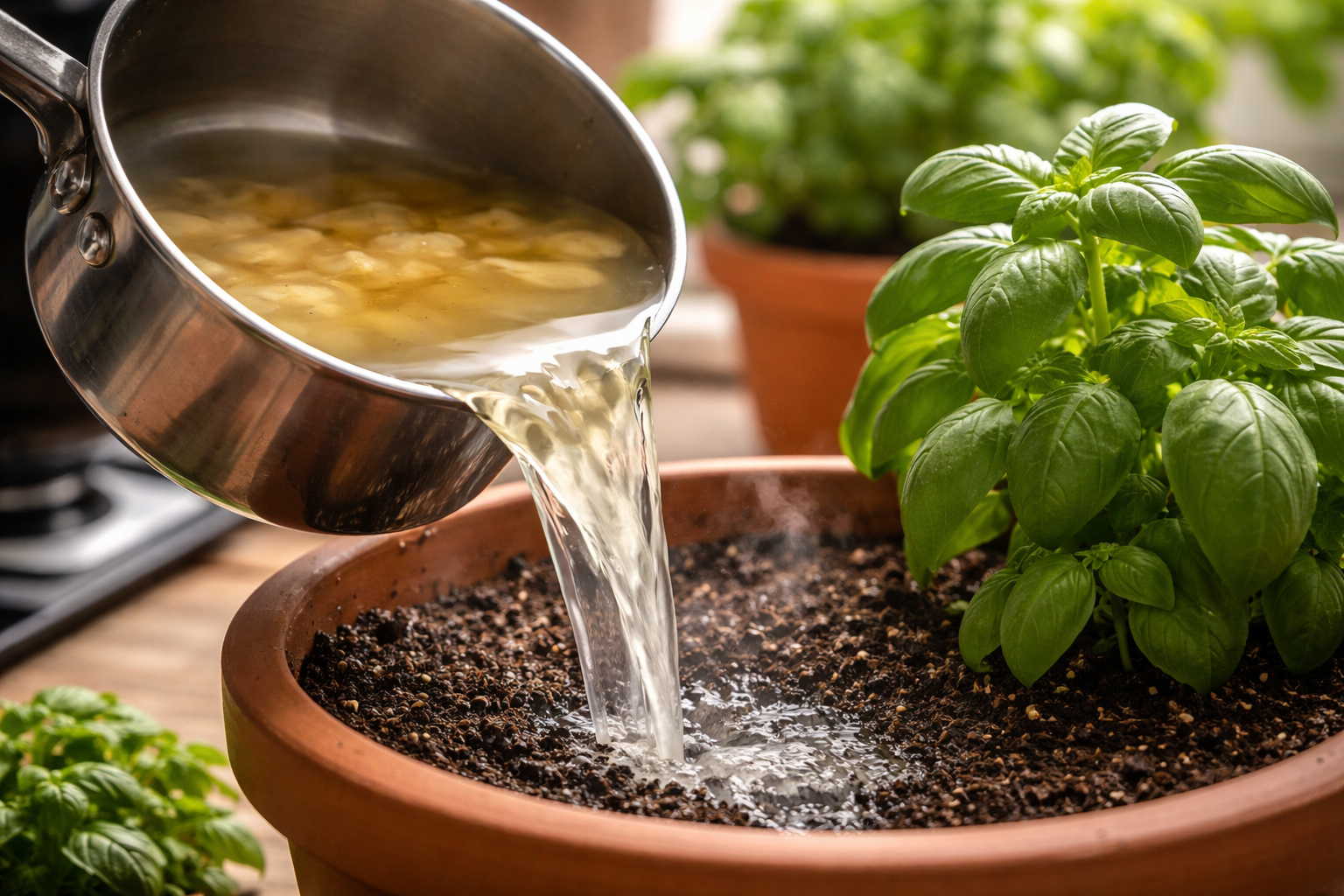
The water that almost everyone throws away after cooking potatoes carries nutrients released during the preparation and can be reused to help in the development of plants when used correctly at the base of gardens and pots, at no additional cost and without changing the routine.

Why This Technique Is Growing Among Producers
The use of perforated PVC pipes for underground irrigation is gaining popularity because it combines some highly valued benefits for smaller properties:
Low Implementation Cost
PVC pipe is a common, cheap material and easy to find in agricultural or construction stores, making the system accessible to family producers and small farmers.
Ease of Installation
The system can be implemented with basic excavation tools, without the need for heavy machinery or specialized labor.
The perforated pipes are installed at a depth that matches the root zone of the crops, which varies according to the planted species and soil type.
Better Use of Water
By releasing water below the surface, the system prevents the water from being exposed to the air, reducing evaporation loss — one of the biggest problems with surface irrigation. In the conventional method, a considerable portion of the applied water does not reach the roots before evaporating or running off to other areas.
Reduction of Weeds
Since the surface soil remains relatively dry, the germination of weed seeds is reduced. This minimizes the need for manual weeding or the use of herbicides.
Comparison with Other Irrigation Techniques
Traditional Surface Irrigation
Methods such as flooding or furrows apply water over the soil, covering large areas, which can result in losses due to evaporation and runoff.
Sprinkler Irrigation
Sprinklers distribute water through the air, being efficient in some situations, but still subject to losses due to wind and evaporation, especially in hot climates.
Subterranean Drip Irrigation
This is a more developed technique used in high-value commercial crops and requires specialized components (such as emitters and filters) and regular maintenance.
The system with perforated PVC pipes is a simplified concept of this localized irrigation: less sophisticated but effective in many growing conditions, especially for gardens, smaller orchards, or fragmented areas.
Agronomic Benefits Observed by Producers
Producers who have adopted the technique report benefits such as:
- Significant Water Savings — localized application reduces the total volume needed compared to surface irrigation.
- Improved Root Development — water applied below the surface encourages roots to remain long and strong, helping the plant to better explore the soil.
- Lower Need for Weeding — dry soil on the surface means less germination of weeds.
- More Uniform Plant Growth, since water is delivered consistently and directly to the absorption zone.
Where This Technique Is Particularly Useful
This method is especially advantageous in:
- Semi-arid regions, where water resources are scarce.
- Home or community gardens.
- Small production areas where modern drip irrigation systems are expensive.
- Production of root crops or vegetables consumed fresh.
How the System Works in Practice
- Selection of Pipe Locations: can be placed parallel to plant rows or around beds.
- Drilling Tubes: PVC pipes are drilled along their length to allow gradual water release into the soil.
- Installation Depth: buried at a depth that corresponds to the desired root zone (typically between 15–30 cm, depending on the crop).
- Connection to Water Source: can be a tank, water box, or pump that lightly pressurizes the pipes.
- Continuous or Intermittent Operation: can be adjusted according to soil condition, climate, and crop needs.

This simple scheme for underground irrigation with gravity or low-pressure perforations mimics the operation of more sophisticated systems, but at a lower cost and with greater autonomy for the producer.
Water Use Efficiency
Underground irrigation systems based on direct delivery to the soil generally exhibit significantly higher efficiency levels than surface techniques. In many cases, such methods reduce losses due to evaporation and runoff, increasing the availability of useful water for the plant.
Possible Limitations and Precautions
- Clogging of Pipe Holes: soil particles or material can eventually block perforations, requiring periodic cleaning.
- System Design: the spacing between perforations and depth must consider soil type and crop to ensure uniform irrigation.
- Water Source: an efficient system still depends on a reliable supply source (cistern, pump, reservoir).
Underground irrigation with perforated PVC pipes represents a low-cost and high-efficiency solution, especially relevant in dry periods or where saving water is crucial for garden or crop productivity.
By combining simple materials with agronomic principles of localized irrigation, this technique has been adopted by farmers as a sustainable alternative that improves plant health, reduces waste, and optimizes water resource use.









O tubo é enchido com brita, argila, terra…etc, ou simplesmente enche-o de água conforme a necessidade?
Bom dia.nocaso do pé de café.o que vai dentro PVC.smente eu ****.e preciso vedar o fundo do tubo de PVC
Muito top
Se eles implementarem a argila nesse processo fica ainda melhor