





 Portuguese
  English
  Spanish
  4 min of reading
  0 comments


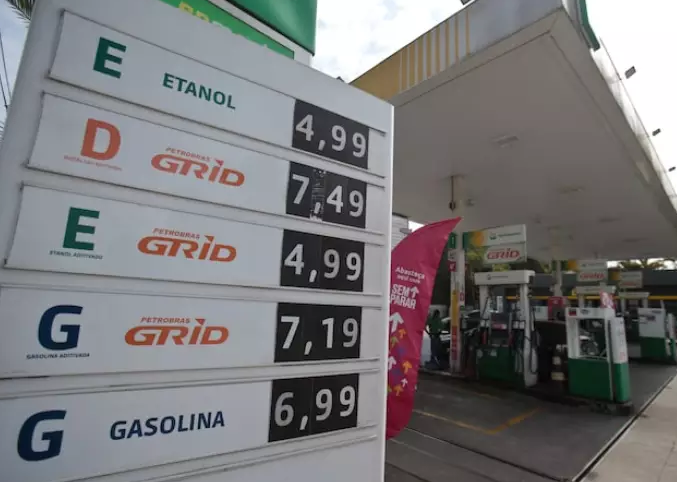
Fuel Price Reductions Don’t Reach The Final Consumer, While The Government Intensifies Actions To Unmask Fraud And Illegal Practices Involving Fuel Stations, Distributors And The Cooking Gas Market In Brazil In 2025.
Petrobras announced a reduction in diesel and gasoline prices, but this decline has not yet fully reflected in the final price paid by consumers at the pumps, according to technical analyses conducted by the federal government in 2025.
According to experts, there are strong indications of fraud and irregularities in the distribution and resale links of fuels, which prevent the population from fully enjoying the benefits of the price drops implemented by the state-owned company.
To combat these illegalities, the Ministry of Mines and Energy (MME) is mobilizing a series of coordinated actions that involve rigorous market monitoring.
-
A new law being voted on in Brazil proposes a minimum fare of R$ 10 per trip and R$ 2.50 per kilometer for Uber and 99 drivers, and promises to ensure they earn as well as taxi drivers did during the golden age of taxis in the country.

-
At 93 years old, Mr. Francisco completes a 5 km run, is cheered as he crosses the finish line, moves the city, and gives an emotional lesson in strength, discipline, and the will to live.

-
With 96 rooms, 37 bathrooms, and five kitchens, the mansion of the heir to Pernambucanas is worth R$ 50 million, featuring a pool and two terraces.
-
An old error in the property registry may force a resident to demolish the kitchen and bathroom and also incur expenses to rebuild everything.


Among the measures adopted is the sharing of electronic invoices to facilitate the tracking of sales and the identification of possible cartels and collusions among resellers, as investigated by Estadão/Broadcast.
Stricter Control Of Fuel Sales
Since the beginning of 2025, 16 finance secretariats from states and municipalities have signed agreements with the National Agency of Oil, Natural Gas and Biofuels (ANP).
This agreement allows for the interchange of electronic fiscal information, which enables the cross-checking of data on fuel sales.
The goal is to increase control over the movement of products such as gasoline, diesel, and liquefied petroleum gas (LPG), commonly known as cooking gas.
As reported by involved technicians, this strategy has the potential to curb illegal practices, such as cartel formation among reselling stations and distributors.
Suspicions In The North Region And Expansion Of Investigations
The analyses indicate that the problem is concentrated especially in the North Region of Brazil, where there are suspicions of cartelization at fuel stations, with prices remaining high even after the reductions announced by Petrobras.
Additionally, the cooking gas market is also under scrutiny, as there are indications of similar irregularities that hinder the drop in the final price for consumers.
This situation concerns authorities and consumers alike, especially because LPG is essential for millions of Brazilian families.
Impacts For The Consumer And The Market
The scenario of prices that do not drop at the pumps despite Petrobras’s reduction directly affects the citizen’s pocket.
The abusive increase or maintenance of values above expectations harms family budgets and can affect inflation, given the importance of fuels to the economy.
Economic experts warn that the existence of cartels and fraud distorts competition, reducing the expected benefits from the state-owned company’s pricing policy.
Current Measures For Greater Transparency
In addition to monitoring via electronic invoices, the government plans to expand enforcement actions and implement tracking technologies to ensure that the discounts offered by Petrobras are properly passed on to the final consumer.
Partnerships with consumer protection agencies and the Public Ministry are also being evaluated to strengthen enforcement against illegal practices.
This joint effort aims to restore confidence in the fuel market and ensure fair prices.

Current Context Of The Fuel Market In Brazil
In 2025, fuel prices have been a sensitive topic, with a direct impact on the economy and the lives of Brazilians.
Petrobras, the main national supplier, revises its prices according to fluctuations in the international market and internal strategies, such as the recently announced price reduction program.
However, the complexity of the distribution chain and the actions of intermediaries make the process less transparent, opening gaps for illegal practices.
The Role Of Public Policies And The Consumer
For the benefits of public price reduction policies to reach the citizen, it is essential to have an efficient system of oversight and transparency.
Consumers can help by reporting abusive prices and irregularities at fuel stations, aiding in the identification of illegal practices.
Furthermore, digital initiatives and price monitoring apps have become important allies in combating fraud.
Prospects For The Near Future
The Brazilian government shows commitment to improving regulation and oversight of the fuel sector, but the challenge is great given the vastness of the national territory and the various forms that fraud can take.
Experts point out that intensifying the use of technology and strengthening partnerships among public agencies are essential paths to ensure that consumers feel the impacts of the announced price changes.
With Petrobras’s new policy and ongoing control actions, there is an expectation that the scenario will start to change in the coming months, benefiting mainly the most vulnerable classes, who are the most affected by rising fuel prices.
And you, have you noticed any difference in fuel prices in your city? Do you believe the government’s measures will be sufficient to combat fraud? Leave your opinion!





Seja o primeiro a reagir!