






 Portuguese
  Spanish


Study reveals that the smallest raptor in the world is at risk of extinction in the United Kingdom and points to the next years as decisive.
Extinction risk threatens the smallest raptor in the world and other species
About 200 species are under threat in the United Kingdom, including the smallest raptor in the world, the merlin, according to a study published in the journal Nature Communications. The research indicates that the risk of extinction may intensify in the coming decades due to climate change and unsustainable land use.
If no action is taken, experts warn of a possible ecological “tipping point.”
The aim of the study is to highlight the urgency of more effective environmental decisions.
-
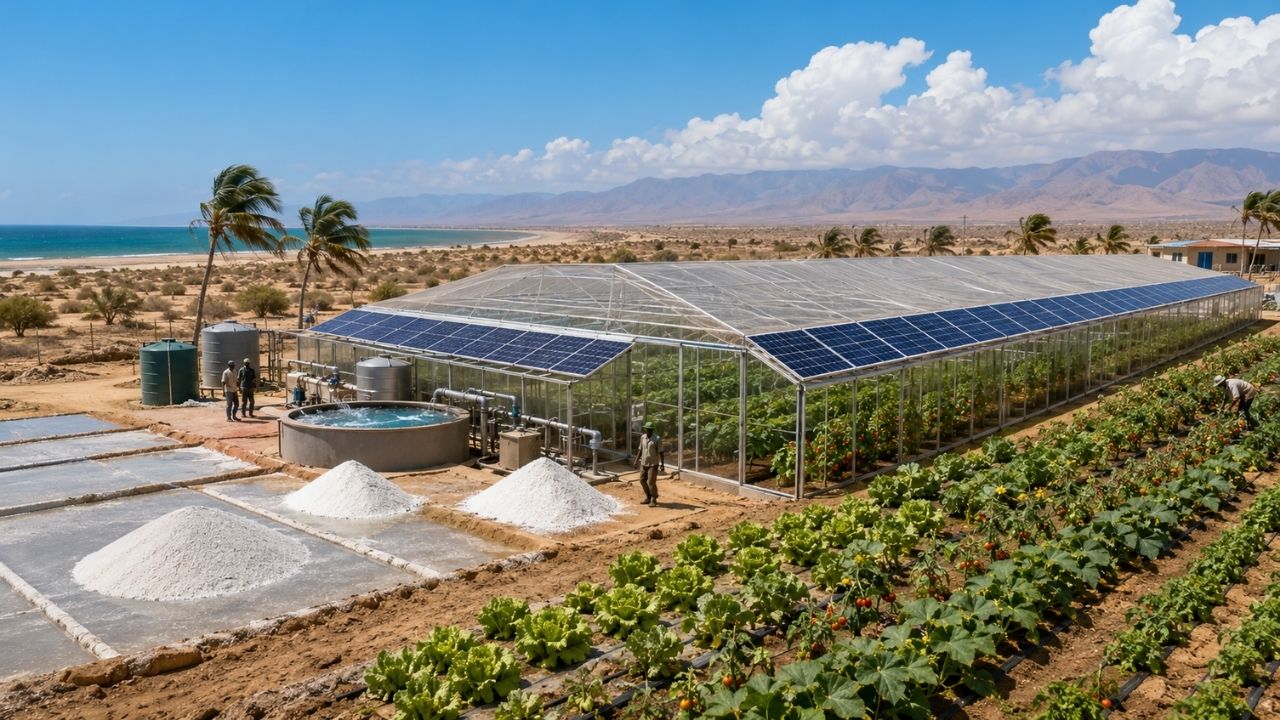
In Somaliland’s Desert, Greenhouse Uses Sun and Seawater to Grow Lettuce, Cucumbers, and Tomatoes Without Rain: 1-Hectare Project Cools Crops, Desalinates Water, and Converts Brine into Commercial Salt

-
Trump Unveils $400 Million Boeing 747 Donated by Qatar as Temporary Air Force One Amid Boeing Delays, Sparking Debate on National Security, Costs, and Foreign Influence
-
Chinese Company Unveils Robotic Toilet That Comes to You, Featuring Lidar Sensors, Voice Command, Bidet, Hot Air Drying, UV Light, and Self-Cleaning Waste Disposal
-
Rotterdam Develops Floodable Square to Absorb Nearly 2 Million Liters of Rainwater, Doubling as Sports, Theater, and Leisure Space When Dry to Combat Urban Flooding



Moreover, the warning is not limited to a single species but to the entire balance of British biodiversity.
Worst-case scenario could accelerate risk of mass extinction
Among the scenarios analyzed by researchers, the most critical points to a significant increase in greenhouse gas emissions.
In this case, the planet could reach up to 4°C above pre-industrial levels.
This scenario would put hundreds of species at risk, drastically increasing the risk of extinction.
The estimate includes the disappearance of 196 plant species, 31 bird species, and seven butterfly species.
Additionally, the loss rate would be three times greater than historically recorded. In some regions, up to 20% of local species could disappear.
The survey was conducted by scientists from the UK Centre for Ecology and Hydrology (UKCEH) and projects concerning scenarios up to 2050.
Smallest raptor in the world symbolizes impact on biodiversity
Among the threatened species, the merlin stands out as the smallest raptor in the world. Despite its size, its presence is crucial for ecological balance.
The potential extinction of the species represents a clear signal of the advance of environmental degradation. Furthermore, it highlights how even adapted animals can be affected.
Other species also face the same scenario, such as butterflies and traditional plants of the British landscape.
Impacts of extinction risk affect ecosystems and society
The loss of biodiversity goes far beyond the disappearance of species. It compromises essential functions of ecosystems.
According to ecologist Dr. Rob Cooke:
“This will negatively affect local habitats and a range of ecological functions, from soil health and nutrient cycling to pollination and food production, with consequences for wildlife and people.”
Thus, the advance of the risk of extinction can directly impact food production and environmental quality.
Next years will be decisive to contain the risk of extinction
Experts emphasize that the next 20 years will be decisive. This period will be crucial in defining the future of biodiversity in the United Kingdom.
According to Dr. Rob Cooke:
“The choices we make now will put Britain on a path that leads to either the acceleration of biodiversity loss or the recovery of nature.”
Thus, decisions related to climate and land use will play a fundamental role in preserving the smallest raptor in the world.
More positive scenarios can reduce risk of extinction
Despite the concerning projections, the study also presents more optimistic alternatives. Among them are the reduction of carbon emissions and the adoption of sustainable practices.
Changes in consumption, such as reducing meat consumption, also appear as solutions. These actions can significantly reduce the risk of extinction.
According to the researchers, up to 69 species could be preserved compared to the worst-case scenario.
Smallest raptor in the world depends on immediate actions
The situation of the smallest raptor in the world reinforces the urgency of environmental measures. The species has become a symbol of the crisis faced by biodiversity.
Meanwhile, experts warn that the time to act is limited. The absence of actions may lead to irreversible losses.
Therefore, containing the advance of the risk of extinction depends on quick and coordinated decisions among governments, society, and the productive sector.
Future of biodiversity can still be reversed
Despite the challenges, researchers believe there is still room for change. The adoption of effective policies can alter the current scenario.
Moreover, global awareness has been growing, which can drive new solutions. However, the timeframe is short.
Thus, protecting the smallest raptor in the world and other threatened species is essential to ensure environmental balance in the coming generations.





Be the first to react!