





 Portuguese
  English
  Spanish
  5 min of reading
  1 comment




Billion-Dollar Deal Involves Petrobras, Mubadala, and Four Strategic Terminals in Bahia, Rekindling Debate About Reprivatization and Impact on Fuel Prices.
Petrobras has resumed negotiations with the Mubadala fund to repurchase the Mataripe Refinery in São Francisco do Conde, in the Metropolitan Region of Salvador, and aims to include four strategic logistics terminals in Bahia in the package.
The transaction, which is still undergoing technical and political analysis, is treated within the government as part of a movement to reprivatize assets sold during the state company’s divestment cycle, with expectations of forwarding before the next election period, although the formal proposal is projected only for 2026.
Refinery Repurchase Process and Negotiations with Mubadala
The current talks involve Petrobras, the Mubadala Investment Company, a sovereign fund from Abu Dhabi that controls Acelen, the refinery operator, and authorities from the Brazilian and United Arab Emirates governments.
-
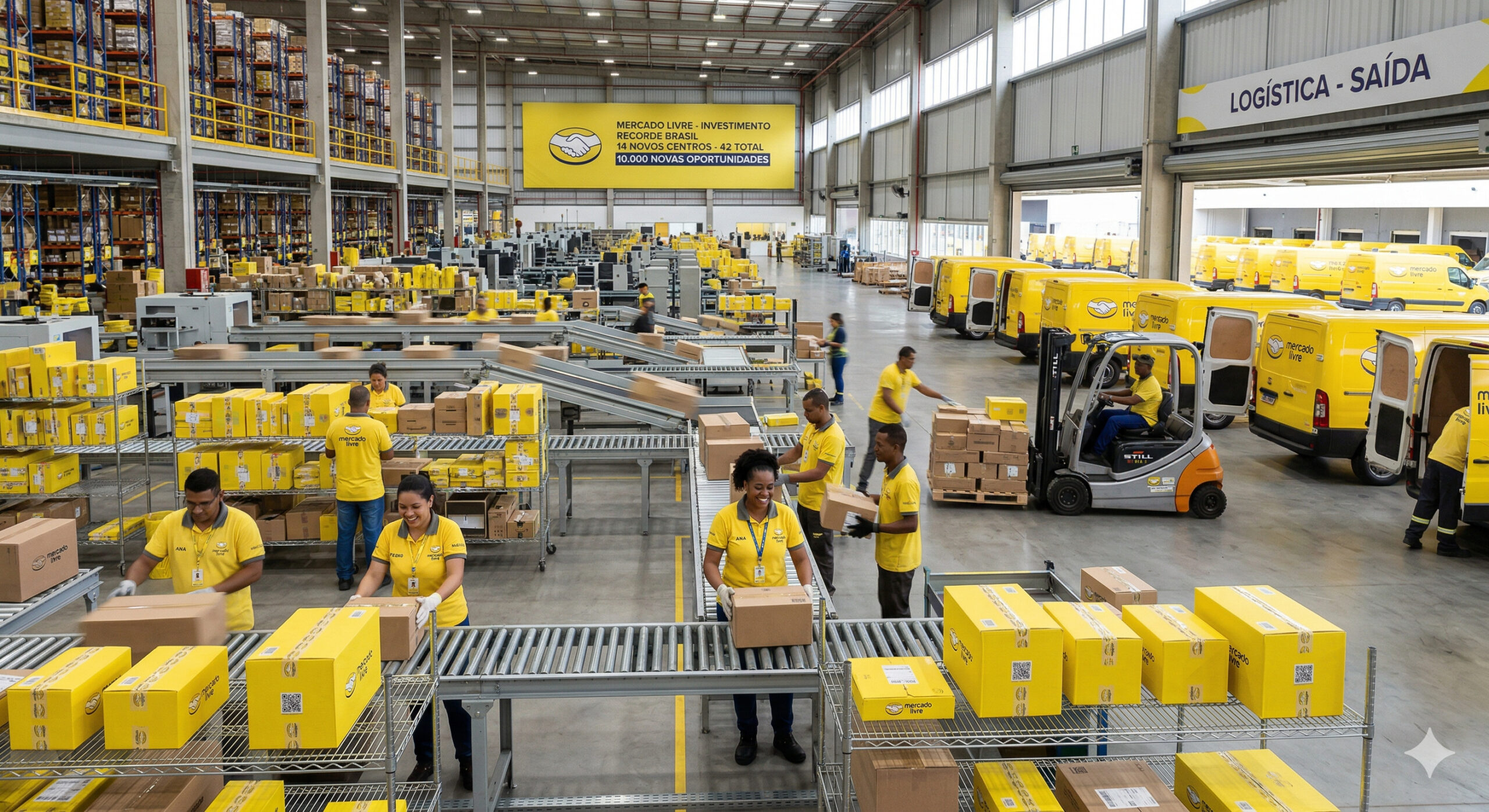
Mercado Livre “opens the vault” and announces a record investment of R$ 57 billion in Brazil in 2026, a value 50% higher than the previous year, with an expansion plan that includes 14 new logistics centers, totaling 42 units in the country and hiring an additional 10,000 employees.
-
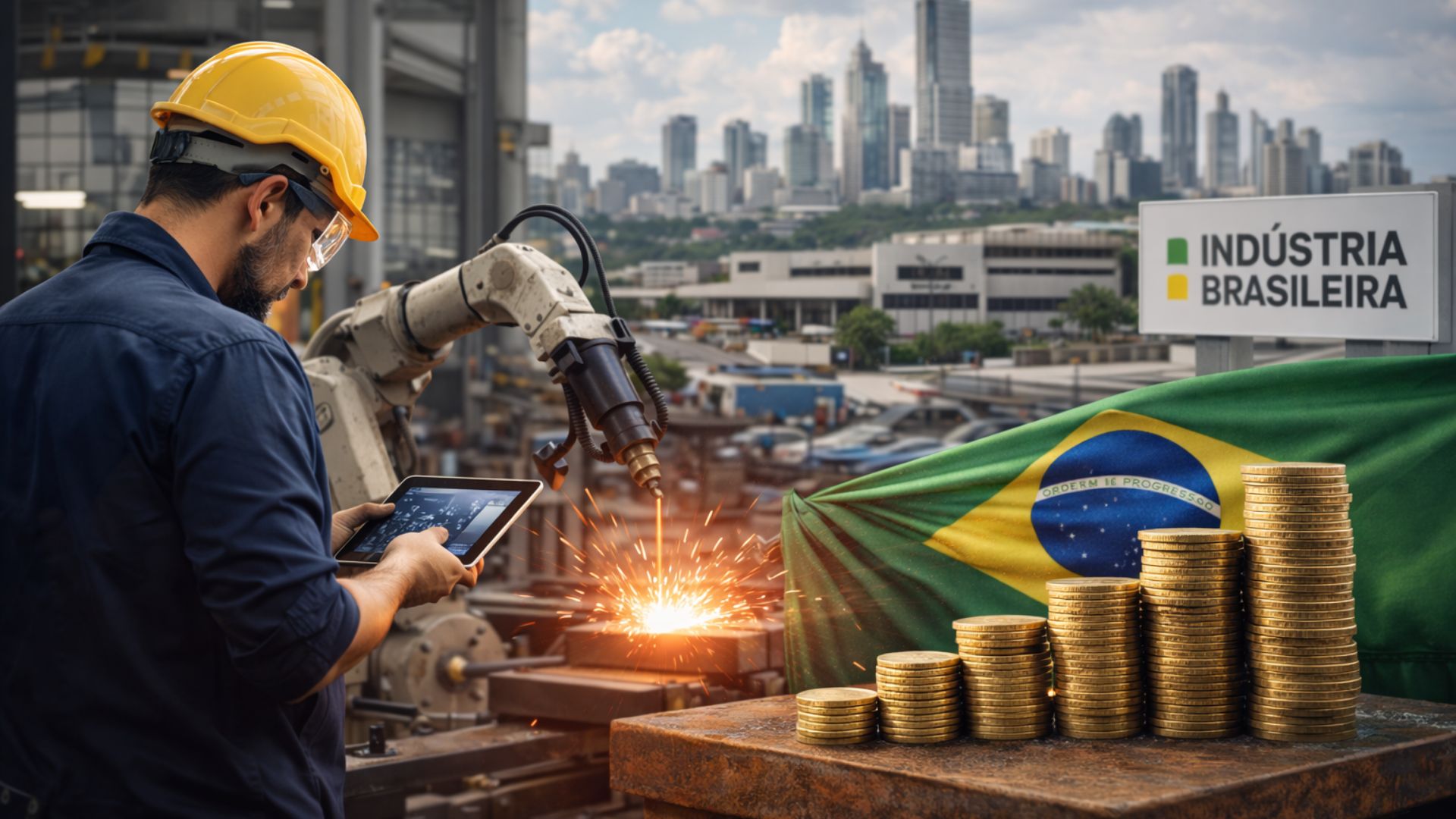
How investment in technology can revolutionize the national economy and enhance industrial gains, according to a study that highlights the direct impact on productivity, innovation, and wealth retention within Brazil.
-
The largest food company on the planet, JBS, has just opened a 4,000 square meter laboratory in Florianópolis to develop customized proteins that modulate muscle mass gain, immune response, and metabolic performance.

-
After nearly 30 bids and competition among industry giants, a Spanish company purchases one of the largest airports in Brazil for almost R$ 3 billion and takes over the management of Galeão in a concession that will last until 2039.


An initial outline of the operation design has already been evaluated by these two governments, indicating progress compared to previous discussions, which have stalled at different times since 2023.
The guideline under discussion is that Petrobras will regain control of the refining unit, while the Arab fund would focus its activities on renewable energy projects through Acelen Renováveis.
This division does not yet have a finalized format.
Alternatives are still being studied, ranging from a complete separation of operations to the possibility of minority participation or partnership in new ventures in the state.
Even with this scenario being shaped, industry interlocutors report that the political goal is to finalize the agreement before the official start of the presidential campaign, although the final signing and implementation of the repurchase may occur later.
Market reports mention the intention to finalize binding terms within a timeline consistent with this calendar.
Strategic Terminals Added to the Negotiation Package
The agreement under discussion is not limited to the refinery.

The operation should also cover four logistics terminals currently linked to the complex: Jequié, Candeias, Itabuna, and Madre de Deus.
These assets are considered strategic for fuel supply in the Northeast and, along with a pipeline network of about 669 kilometers, comprise the infrastructure that connects Mataripe to various consumer markets.
The analysis of the value to be offered by Petrobras to Mubadala is the responsibility of Banco Santander, hired to conduct the economic-financial evaluation of the transaction.
This study considers the recent performance of the refinery and terminals, the investments made by Acelen since its purchase, the international oil price scenario, and the regulatory and competitive risks in the refining sector.
In 2021, the former Landulpho Alves Refinery, later renamed Mataripe Refinery, was sold by Petrobras to Mubadala for US$ 1.65 billion.
The unit accounts for about 14% to 15% of the national refining capacity, processing around 320,000 barrels per day.
Union Pressure for Reprivatization Gains Momentum in Bahia
As discussions progress behind the scenes, the topic has taken on political and union dispute characteristics.
The Single Federation of Oil Workers and the Sindipetro-BA have led a campaign since the privatization for the repurchase of the refinery and for the reinstatement of the refining park under state control.
For these entities, the sale was a strategic mistake that weakened energy sovereignty and compromised the local economy.
The organizations assert that the municipality of São Francisco do Conde felt the effects of the operation strongly.
The refinery represents a significant portion of the state’s ICMS revenue and used to account for about 80% of local tax revenue, in addition to sustaining thousands of direct and indirect jobs.
With the change of control, unions report layoffs, internal restructuring, and a reduction in opportunities in the service chain linked to the industrial complex.
Representatives of the entities also link the privatization to a higher price environment for fuels in the region, although the price behavior is influenced by international factors and Acelen’s commercial policy.
In statements and public communications, the entities claim that the practice of pricing aligned with the external market, combined with the volatility of oil and exchange rates, has increased the cost of gasoline, diesel, and cooking gas for Bahia consumers.
Debate on Fuel Prices and Private Operation Model
Since it took over operations, Acelen has adopted a pricing policy that, according to the company, reflects the international value of oil, logistical costs, and the investments needed to maintain and expand the refinery’s capacity.

The company argues that it needs to ensure a return compatible with the amount invested in the assets since 2021, including modernization projects and low-carbon fuels.
On the other hand, union leaders and local authorities claim that, in practice, Bahia consumers have been experiencing more frequent price increases, sometimes exceeding the average observed in areas served by refineries that remained under Petrobras’ control.
These criticisms add to concerns about market concentration in the hands of a single private operator in a significant part of the Northeast.
In addition to the economic dimension, oil workers insist that the repurchase would be a symbolic step in revising the energy sector’s privatization agenda.
For them, the reprivatization of Mataripe could pave the way for the reversal of other divestments and reinforce Petrobras’ role as a driver of regional development.
Signs from Petrobras and Uncertainties About the Final Design
The current management of Petrobras, led by Magda Chambriard, has reiterated that expanding refining capacity is a priority, in line with the strategy of ensuring fuel supply to the domestic market.
In public events, the executive avoids preempting decisions about Mataripe, but acknowledges that the asset remains on the company’s radar.
In a recent agenda in Bahia, during a meeting with workers in the naval sector in Maragogipe, Chambriard was asked about the possibility of the state company reacquiring the former RLAM.
In response to the inquiries, she stated: “Let’s see what the future holds for us”, without confirming or dismissing the repurchase.
Even with the progress of the discussions, there is no official announcement regarding values, format of participation, or timeline for the conclusion of the operation.
Petrobras states that any decision will depend on demonstrating adequate returns to shareholders and meeting regulatory requirements.
Mubadala maintains the practice of not commenting on ongoing negotiations. Acelen emphasizes that it continues to operate the refinery normally and invest in energy transition projects in Bahia, leaving open what its role will be if reprivatization advances.
With the combination of political interests, union pressures, and direct impact on consumers’ pockets and revenues of Bahian cities, the possible repurchase of Mataripe has the potential to become one of the main themes of public debate regarding the future of the fuel market in Brazil in the coming months.








Infelizmente a Petrobras a vendeu por força politica, a qual só levou ao aumento de preços para populaçaõ