





 Portuguese
  English
  Spanish
 3 min of reading
  0 comments


International Seal Consolidates Country’s Leadership in Aviation Sector’s Energy Transition
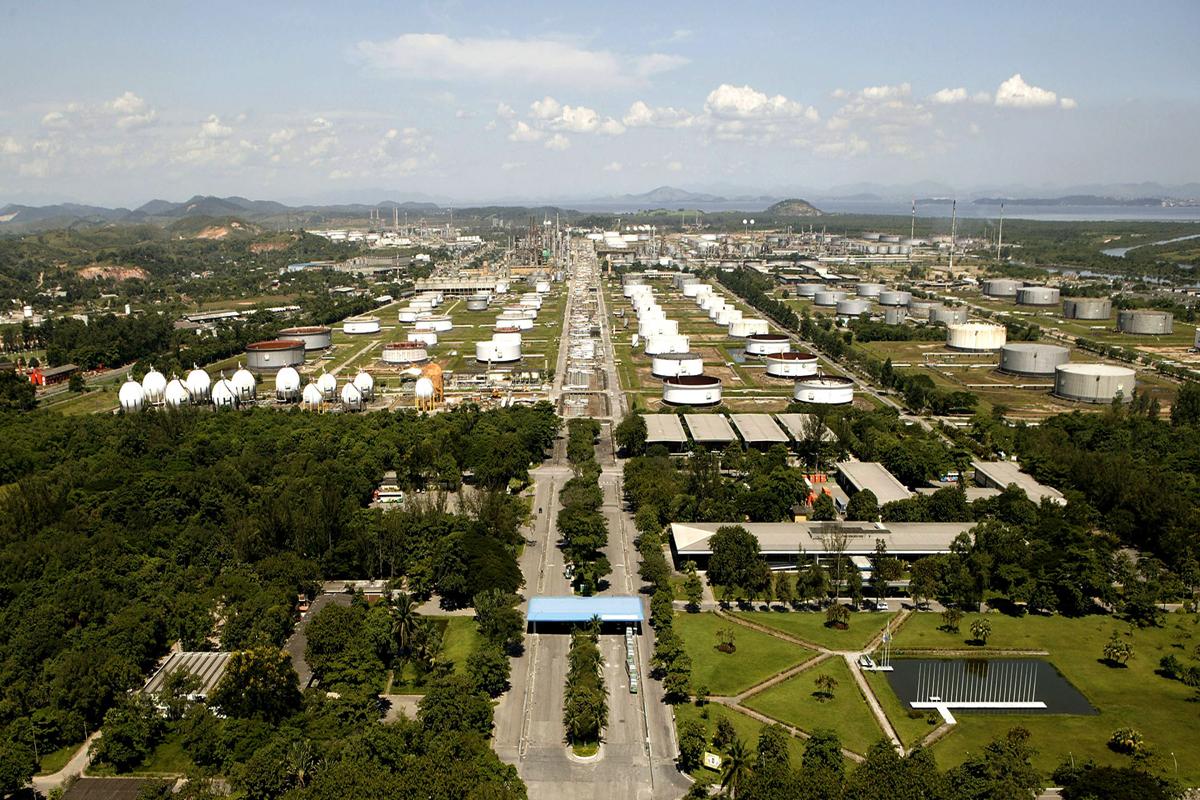
The Duque de Caxias Refinery (Reduc), from Petrobras, achieved a historic milestone in October 2025. It became the first refinery in Brazil certified to produce and sell sustainable aviation fuel (SAF) via the HEFA (Hydroprocessed Esters and Fatty Acids) route. This information was officially announced by Petrobras, reinforcing the country’s leadership in the global energy transition.
Furthermore, the international recognition was only possible thanks to the ISCC CORSIA (International Sustainability and Carbon Certification – Carbon Offsetting and Reduction Scheme for International Aviation) certification. This seal was granted after the authorization of the National Agency for Petroleum, Natural Gas and Biofuels (ANP), issued in May 2025. Thus, Reduc established itself as the national pioneer in the route for aerial decarbonization, elevating Brazil to a new level of innovation and sustainability.
Petrobras Makes Its Mark in the Global Energy Transition
With the ISCC CORSIA certification, Reduc has proven that its process adheres to strict standards of sustainability and traceability. The refinery is now authorized to produce SAF with up to 1.2% renewable feedstock. Additionally, it will be able to sell up to 50,000 cubic meters per month, equivalent to 10,000 barrels daily.
This advancement aligns with the Future Fuel Program from the Ministry of Mines and Energy (MME), which aims to reduce aviation emissions by 1% by 2027, in accordance with CORSIA from ICAO. According to Director William França, this achievement reinforces Petrobras’ commitment to a just and sustainable energy transition. He emphasized that the advancement demonstrates the essential role of innovation and modernization in Brazilian refining, ensuring efficiency and environmental competitiveness.
ARTICLE CONTINUES BELOWSee also
A Canadian retiree creates a hydroelectric system on a real river, generating energy continuously throughout the day and demonstrating how the power of water can supply a house with stability even in a simple structure.

Petrobras reaffirms its commitment to the market and ensures that it will carry out the energy transition safely to maintain national sovereignty.

Researchers discover a possible hydrogen deposit of up to 46 million tons beneath an ancient coal basin, and the volume could exceed half of the entire global production.

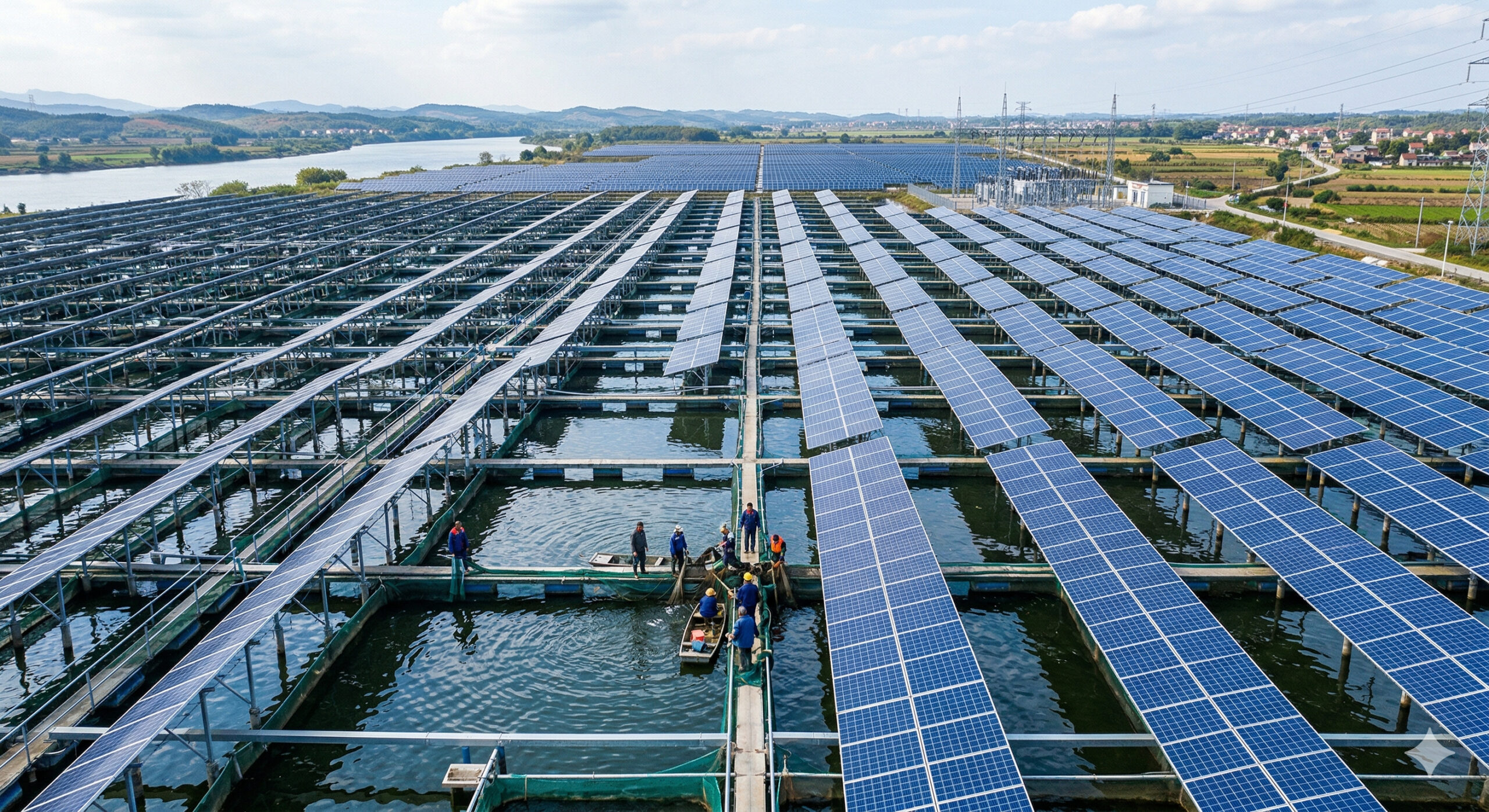
China bets on the Fishery-PV model and transforms fish farms into giant solar plants, covering ponds with panels that generate energy while utilizing the same space for large-scale aquaculture production.
Brazil Anticipates Requirements and Leads in Green Aviation
Although the mandatory use of SAF in international flights begins only in 2027, Petrobras has anticipated and positioned Brazil at the forefront of sustainable fuels. This strategy demonstrates leadership, planning, and environmental commitment.
Director Claudio Schlosser stated that the coprocessing at Reduc is an efficient and sustainable solution, strengthening the just energy transition. He pointed out that the approach shows how the national industry can anticipate global demands, ensuring a cleaner and more competitive aviation.
The Henrique Lage Refinery (Revap), in São José dos Campos (SP), has also tested coprocessing of vegetable oil, increasing SAF production and consolidating Petrobras as a global reference in the sector.

Certification Reinforces Commitment to Sustainability
The ISCC (International Sustainability and Carbon Certification) ensures sustainability and traceability in production chains of biomass and biofuels. This seal proves that Reduc meets global environmental standards and directly contributes to reducing the carbon footprint.
In turn, CORSIA, created by ICAO, aims to reduce emissions from international aviation and encourage the use of certified sustainable fuels, such as SAF. Thus, the program strengthens the climate commitments of the Paris Agreement and promotes cleaner and more innovative industrial practices.
With these advancements, Petrobras reaffirms its technological and environmental leadership, consolidating Brazil as a global reference in energy sustainability.
In summary, the certification of Reduc represents a historic leap for Brazil. It confirms the country among the leaders of the global energy transition. By uniting innovation, sustainability, and a forward-looking vision, Petrobras demonstrates that Brazilian refining is ready to lead the global aviation sector’s decarbonization. And you, do you believe Brazil will continue at this leadership pace in the coming years?









Seja o primeiro a reagir!