





 Portuguese
  English
  Spanish
  5 min of reading
  0 comments


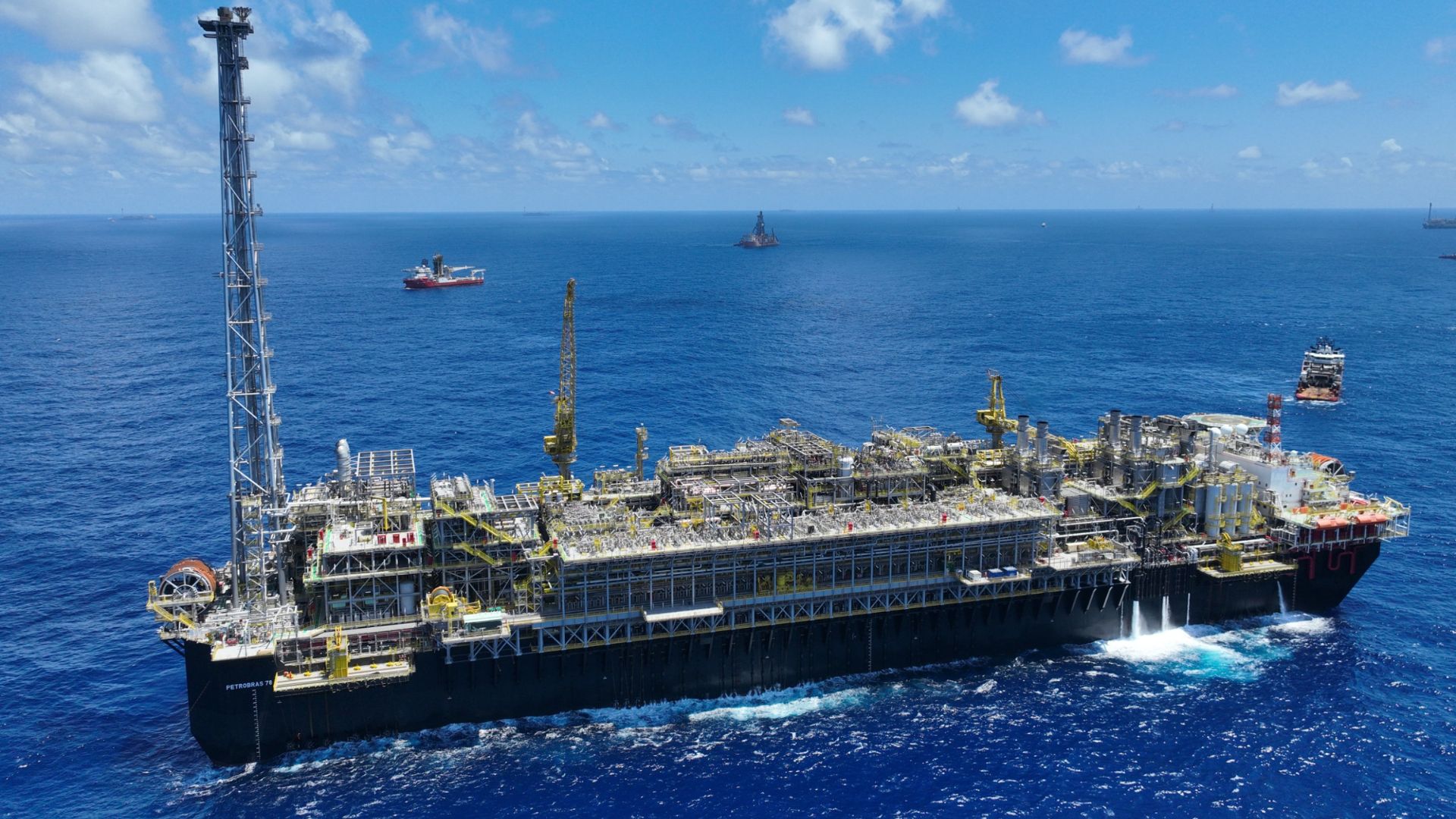
Petrobras Expands Energy Performance in Brazil with Significant Advances in Oil and Gas Production, Strengthened Reserves, and Historic Results That Drive the Market in 2025.
On February 10, 2026, Petrobras officially announced its operational results for 2025 and confirmed a significant advance in its productive indicators. The total oil and natural gas production increased by 11%, reaching 2.99 million barrels of oil equivalent per day, a figure that surpassed the upper limit of the internal target set by the company. The result represents a historic operational record, reinforcing the strategic relevance of the company in the national and international energy landscape.
Petrobras Expands Oil and Gas Production and Initiates a New Cycle of Energy Records
Right at the beginning of the report, the data reveals a scenario of consistent expansion. It’s not just about increased volume extracted, but a combination of operational efficiency, sustainable growth of reserves, and strengthening of presence in both domestic and external markets. The performance places Petrobras at a new level of competitiveness, highlighting management focused on solid results and long-term planning.
The growth in oil and gas production in 2025 was the result of a series of technical and strategic factors. Petrobras exceeded the upper limit of its annual target by 2.8 percentage points, demonstrating precision in planning and execution capacity. This advance did not occur in isolation, but was driven by continuous operational improvements, investments in infrastructure, and integration of new offshore production units.
-
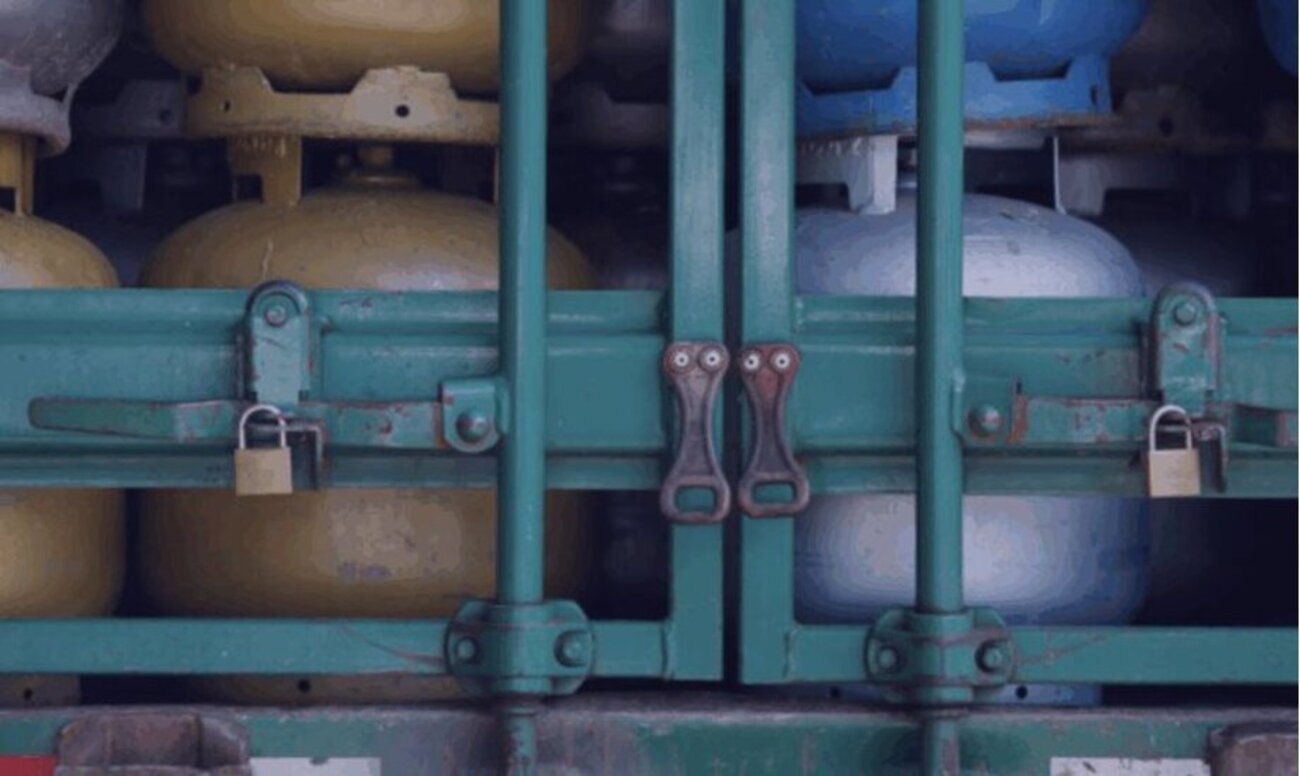
Petrobras evaluates suspension of sales to distributors and considers canceling the cooking gas auction following guidelines from the Federal Government.
-
Lula reveals a masterstroke by Petrobras to undo a deal made by Bolsonaro, which involves the return of an important refinery that currently produces less than half of what was expected and makes Brazil dependent on international diesel.
-
A study confirms that the natural gas sector will reduce greenhouse gas emissions in Brazil by 0.5% and accelerate the energy transition by 2026.

-
Petrobras implements a severe adjustment and confirms a 55% increase in the price of aviation kerosene with a proposal for installment payments for the companies.


The commercial production of oil and natural gas reached 2.62 million barrels of oil equivalent per day, reinforcing the consistency of the results. The operational stability of the platforms was one of the key pillars of this growth, reducing losses and enhancing the utilization of existing assets. Additionally, the arrival of new wells and technological improvements in extraction systems directly contributed to the increase in daily volume.
This performance shows that Petrobras not only expanded its production capacity but also improved the quality and predictability of its operations. In a sector marked by volatility and logistical challenges, maintaining growth with efficiency becomes a significant competitive advantage.

Petrobras’ Oil and Gas Reserves Grow and Ensure Sustainability
Another highly relevant indicator was the significant increase in proven reserves. In 2025, Petrobras added 1.7 billion barrels of oil equivalent to its portfolio. This volume raised the Reserve Replacement Ratio to 175%, a number considered highly positive within the oil and gas industry. This means that the company replaced much more than it produced, ensuring productive security for the coming years.
The relationship between proven reserves and production reached 12.5 years, demonstrating operational continuity capacity even in the face of a significant annual record. This is a clear sign of strategic sustainability, something essential in a global market that demands long-term planning and responsibility in managing natural assets.
In addition to the technical impact, the expansion of reserves strengthens investor and commercial partner confidence. The predictability of future production reduces financial risks and enhances the international bargaining power of Petrobras.
Operational Efficiency Boosts Oil and Gas Production
Operational efficiency was one of the central elements for the observed growth. The average performance of production units was 3.6% higher than the result recorded in 2024, evidencing advances in maintenance processes, logistics, and loss control. The performance improvement in the Santos Basin platforms played a determining role, as did the reduction in technical stoppages in the Campos Basin.
Among the factors that contributed to productive advancement are the increase in the capacity of floating oil and gas units, as well as the ramp-up of new platforms that came online throughout the year. There were 44 new offshore wells put into operation, divided among the country’s main producing basins.
Another significant milestone was the interconnection of 77 offshore wells, between producers and injectors. The optimization of existing assets proved to be as relevant as opening new productive fronts, reducing costs and increasing the operational return of Petrobras.
Pre-salt Drives Petrobras’ Production in 2025
The pre-salt continued to be the major driver of productive expansion. The fields located in this region showed significant results both in production itself and operated. Petrobras recorded a record in multiple fronts of oil and gas, consolidating a historic year.
The platforms at the Búzios field surpassed the symbolic mark of 1 million barrels daily, reinforcing the strategic relevance of the area. The Tupi and Iracema fields replicated the historic level previously achieved in January 2026. These milestones demonstrate operational maturity and a high technological level, factors that place Petrobras among the largest global references in offshore exploration.
The Associated Gas Utilization Rate reached 97.7%, the highest ever recorded by the company. The efficient utilization of gas reinforces the added value of production and reduces waste, enhancing competitiveness and environmental responsibility.

Domestic Market Strengthens Petrobras’ Oil and Gas Production
In the domestic market, performance was also positive. In 2025, 1.747 million barrels per day of derivatives were sold, a growth of 1.6% compared to the previous year. Diesel, gasoline, and aviation kerosene accounted for the majority of sales, reflecting economic recovery and increased air and ground mobility. The advancement of aviation kerosene, with an increase of 6%, indicated a consistent recovery in the aviation sector, bringing consumption closer to pre-pandemic levels.
This movement demonstrates that the growth in oil and gas production was not limited to exports but also strengthened domestic supply. The greater the predictability of supply, the lower the market vulnerability, a factor that directly contributes to economic stability.
Exports, Refining, and Logistics Expand Production Record
The refining, transportation, and marketing segment showed equally relevant advances. Exports of oil and gas reached an annual average of 765,000 barrels per day, with a quarterly peak of 999,000 barrels in the last quarter of the year. Logistics for offloading was decisive in sustaining the record, with hundreds of transfer operations between ships carried out throughout the period.
The refining park maintained a utilization rate of 91%, a high level within industrial standards. The share of pre-salt oil in the processed load remained at 70%, evidencing integration between extraction and refining. Petrobras also made its first deliveries of sustainable aviation fuel produced entirely in Brazil, becoming a reference in energy innovation.
Record Repositions Petrobras in Brazil’s Energy Future
The disclosed data reveals that 2025 marked a structural turning point for Petrobras. The 11% growth in oil and gas production, coupled with the increase in reserves and multiple operational records, demonstrates solidity and strategic planning. It’s not just about quantitative expansion but about efficiency, sustainability, and technological innovation integrated into a long-term vision.
The strengthening of the pre-salt, performance in refining, and the expansion of exports show that the company managed to balance domestic and external markets without compromising stability. The combination of robust reserves and operational efficiency indicates continued growth, reducing risks and expanding investment opportunities. For Brazil, the impact goes beyond the energy sector, reflecting in job creation, revenue generation, and economic security. In summary, the results consolidate a scenario in which production, oil and gas, and records cease to be mere indicators and become a national strategic protagonism.









Seja o primeiro a reagir!