





 Portuguese
  English
  Spanish
  3 min of reading
  0 comments


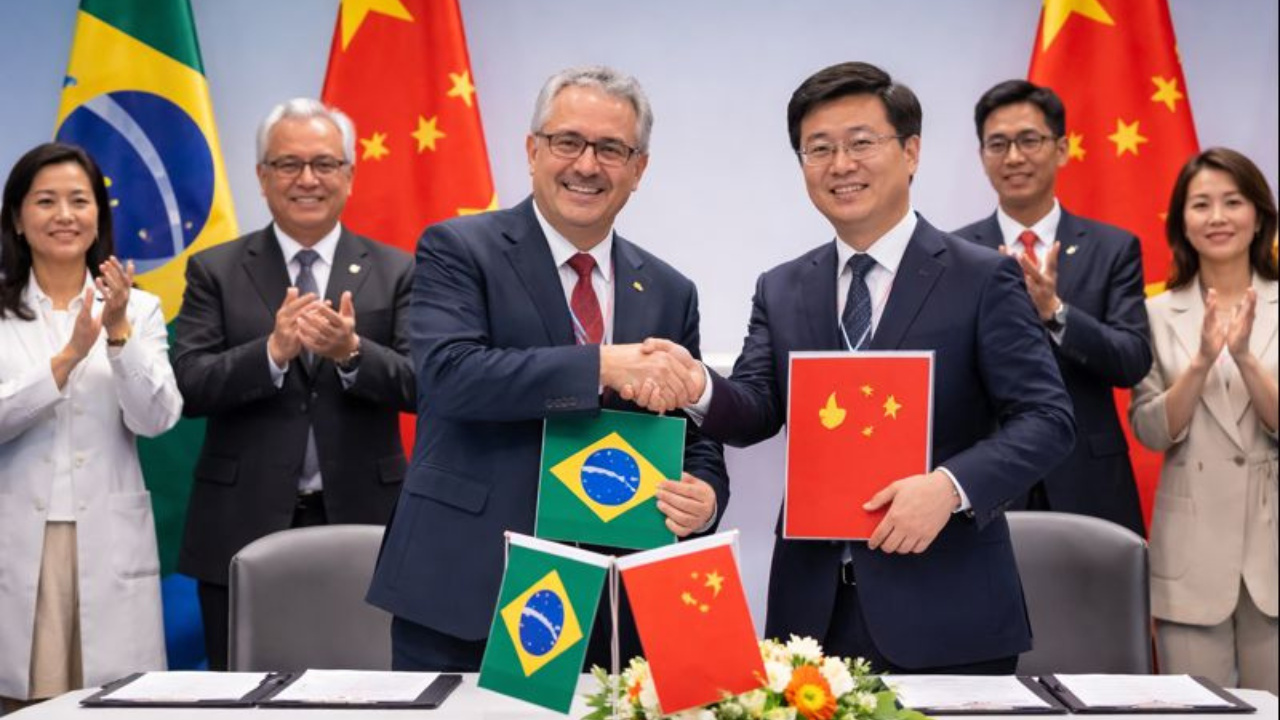
Agreement Brazil China in Health Strengthens National Pharmaceutical Industry, Expands Drug Production in Brazil and Reduces SUS Costs.
The Brazil China health agreement, signed in October, marks a strategic advance for the country by establishing drug production in Brazil, focusing on high-impact treatments and expanding access for the population to essential therapies through the Unified Health System (SUS).
The initiative involves international cooperation, pharmaceutical technology transfer, and strengthening the national pharmaceutical industry, with a focus on the manufacture of glargine insulin SUS, used in the treatment of type 1 and type 2 diabetes.
The understanding was signed on October 14, during an official Brazilian mission to China led by then Minister of Health, Alexandre Padilha. The agreement brings together the Chinese biopharmaceutical company Gan & Lee Pharmaceuticals, the Oswaldo Cruz Foundation (Fiocruz), and the Brazilian company Biomm.
-
Historic bankruptcy of Centauro shocks the market, and the century-old company puts more than 500,000 products, machines, and complete infrastructure up for online auction.

-
New shoe factory in Ceará is expected to create 400 jobs and strengthen the local economy.
-
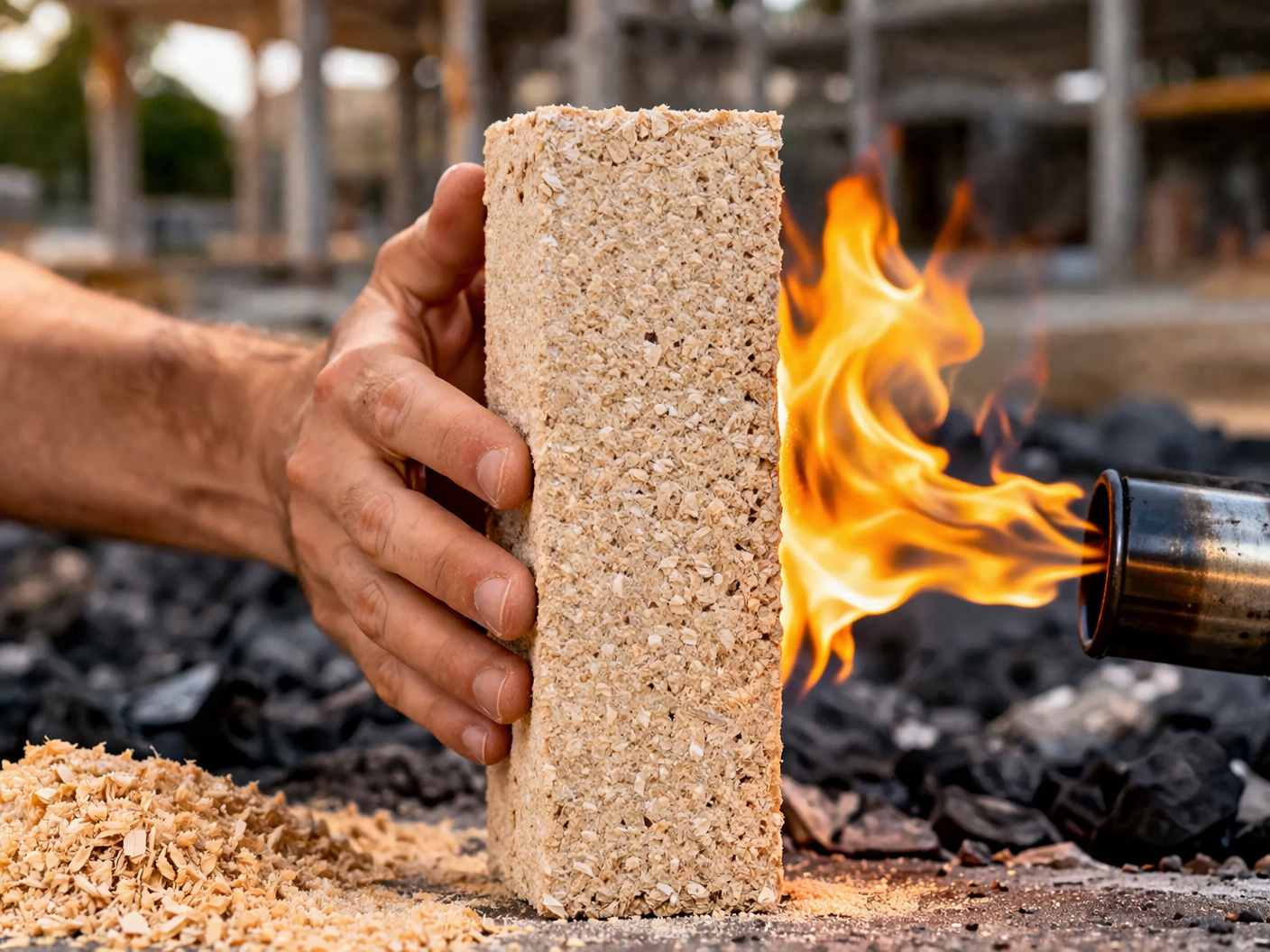
No one imagined it, but a mixture of sawdust with a mineral that fights fires surprises scientists with a result that changes the course of fire-resistant construction.
-
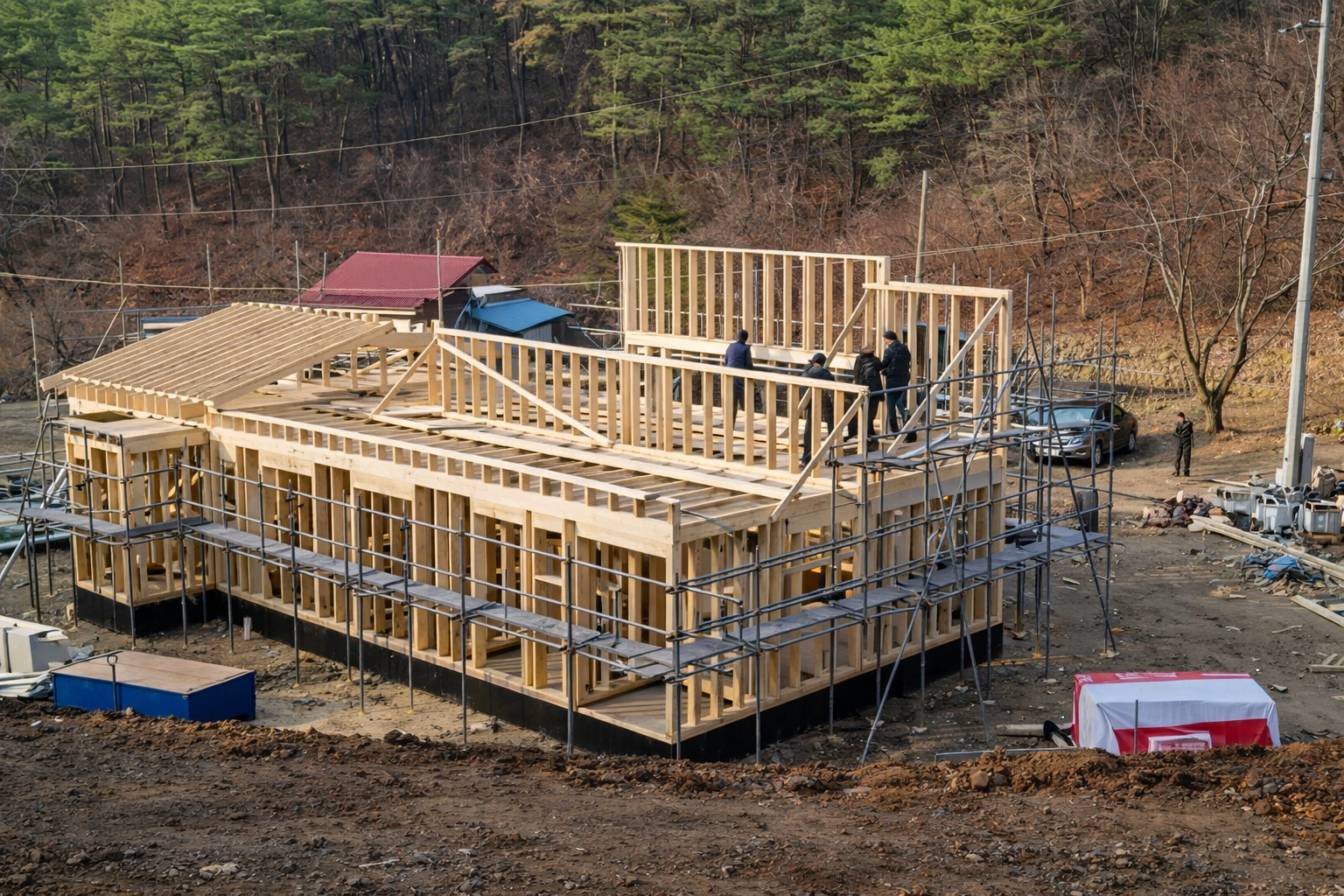
From empty land to a high-end house, wooden construction uses a lightweight system, metal structure for the foundation, ventilated ceramic cladding, and special windows to create an efficient and comfortable living space throughout the year.

The central objective is to reduce Brazil’s external dependence, increase national production capacity, and ensure greater security in the supply of strategic drugs.
Drug Production in Brazil as a Strategic Priority
Drug production in Brazil is at the heart of the agreement signed between the two countries.
The partnership provides for the joint manufacture of drugs intended for the treatment of diseases such as cancer, diabetes, obesity, and autoimmune diseases, considered high-impact for the public health system.
Among the main announced results is the national production of glargine insulin SUS, a long-acting medication essential for millions of Brazilians.
The initial target presented by the federal government foresees the manufacture of 20 million vials, intended exclusively for the public network.
Glargine Insulin SUS and Stages of National Production
In the initial phase of the project, the plan established that the filling and labeling of glargine insulin SUS would be carried out in Brazilian territory, while the active pharmaceutical ingredient would be imported from China.
This intermediate stage would allow for faster initiation of local production, ensuring agility in meeting SUS demand.
In a second phase, considered strategic, the proposal provides for the complete nationalization of production.
Pharmaceutical Technology Transfer and Productive Autonomy
The pharmaceutical technology transfer is one of the central pillars of the Brazil China health agreement.
The memorandum of understanding signed between Fiocruz and Gan & Lee establishes scientific and technological cooperation, allowing Brazil to master critical stages of the production process.
Moreover, this transfer is considered strategic by the Ministry of Health, especially to reduce Brazil’s dependence on imported insulins and strengthen the national production chain of strategic inputs.
At the time, the Vice President of Production and Innovation at Fiocruz, Priscila Ferraz, highlighted the relevance of the initiative for the Economic-Industrial Complex of Health (Ceis).
Thus, by internalizing technology and knowledge, the country advances towards health sovereignty and expands its capacity to respond to global supply crises.
National Pharmaceutical Industry Takes the Spotlight
The agreement also represents a direct boost to the national pharmaceutical industry by integrating Brazilian companies into an international innovation ecosystem.
The partnership encourages investments in biotechnology, chemical production, specialized logistics, and professional training.
Additionally, the government’s expectation is that the initiative will generate significant savings for SUS by reducing import costs and strengthening local suppliers.
Thus, the country advances in building a more robust industrial base that is less vulnerable to external fluctuations.
Expanded Cooperation and International Impact
During the official mission, the Brazilian delegation held meetings with Chinese government bodies, technology institutes, universities, and hospitals, including specialized units in traditional Chinese medicine and smart hospitals.
The discussions also addressed topics such as technological innovation, health regulation, expanding access to cutting-edge inputs, and the role of BRICS, G20, and the World Health Organization (WHO) in global health governance.
Moreover, the Brazil China health agreement positions Brazil as a potential Latin American reference in the production of biomedicines, reinforcing its strategic role on the international stage.
Structural Advance for the Public Health System
By combining drug production in Brazil, pharmaceutical technology transfer, expanding access to glargine insulin SUS, and strengthening the national pharmaceutical industry.









-

Uma pessoa reagiu a isso.