





 Portuguese
  English
  Spanish
  3 min of reading
  0 comments


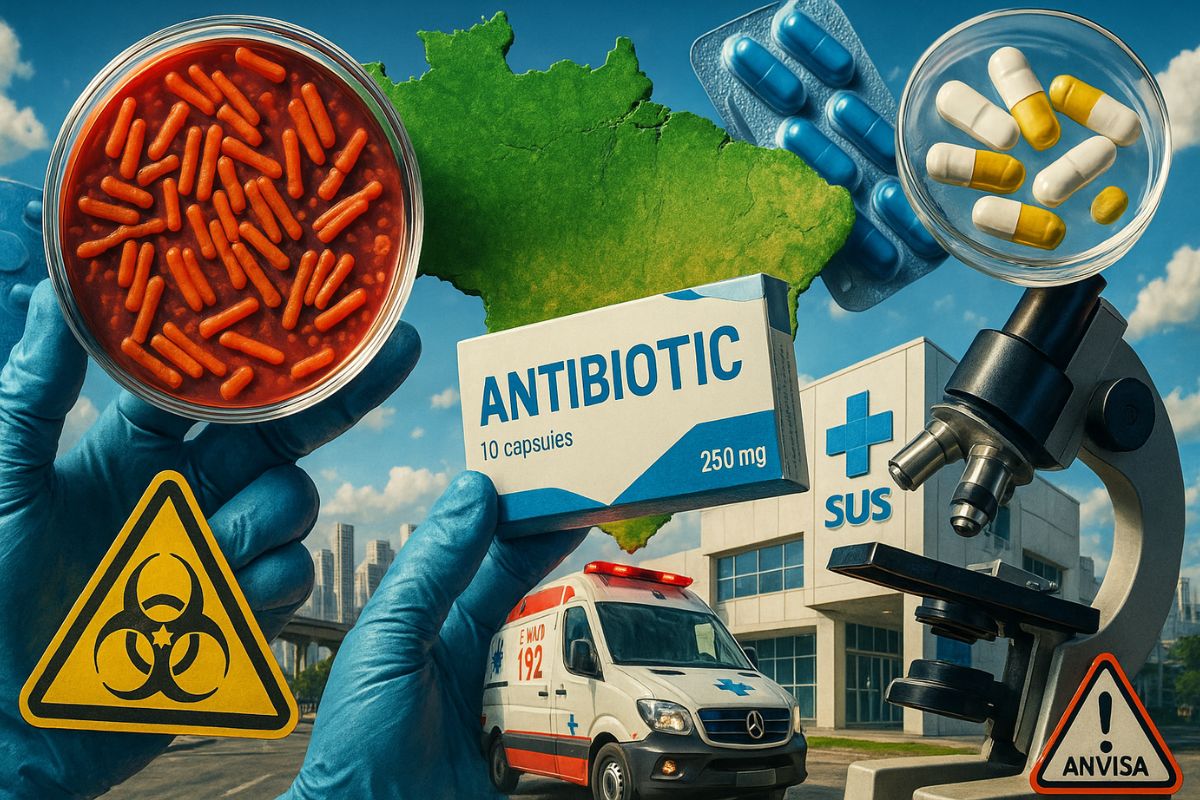
Superbugs On Global Alert As Antibiotics Fail, Resistance Rises In Hospitals, And Infections Challenge Protocols
Superbugs are no longer a distant hypothesis and are testing response limits in hospitals and healthcare services. When antibiotics lose effectiveness, resistance consolidates and common infections cease to be routine, becoming complex clinical management issues, with increased hospitalization time and therapeutic costs. The problem mainly arises from the inappropriate use of antibiotics and premature discontinuation of treatments.
According to a report from Fantástico, in addition to the hospital environment, superbugs circulate in the community, in food preparation and through daily contact, increasing exposure to resistant infections. Meanwhile, the pipeline for antibiotics is progressing slowly, reinforcing the need for coordinated actions to curb resistance. Without behavior change, hospitals and teams are likely to face more frequent and harder-to-contain outbreaks.
How Superbugs Arise And Spread
The cycle begins with the inappropriate use of antibiotics, whether through self-medication, incorrect dosage, or abandonment of treatment. This selects microorganisms with resistance, which then begin to multiply.
-
How the terraforming of Mars can transform the planet: artificial aerosols can increase the temperature by up to 35°C in 15 years, creating conditions for liquid water.

-
Scientists drilled nearly 8,000 meters into the ocean floor above the fault that caused the 2011 tsunami in Japan and discovered that a layer of clay 130 million years old was responsible for making the wave much worse than any model had predicted.

-
Thousands of years after causing the largest eruption of the Holocene, one of the world’s largest supervolcanoes is rebuilding itself beneath the sea south of Japan, receiving new magma and alarming scientists with its transformation.

-
China has activated a magnet 700,000 times more powerful than the Earth’s magnetic field that operates for over 200 consecutive hours while consuming little energy, and now the world wants to know what Beijing plans to do with this technology in 2026.


In hospitals, selective pressure is more intense, and infections by multidrug-resistant strains find entry points in wounds, catheters, and invasive procedures.
Antimicrobial control and strict hygiene reduce the circulation of superbugs, but require continuous discipline.
What Changes In Clinical Practice
When resistance increases, the team resorts to older or more toxic antibiotic regimens, with close monitoring for adverse effects.
Hospitals need to strengthen protocols for rapid diagnosis, isolation, and contact tracing to break the chains of infections.
The approach involves clinical pharmacy, microbiology, and infectious disease specialists working together.
Without integration, superbugs reemerge, fueling prolonged hospitalizations and reinfections.
Superbugs do not respect borders.
Improper food handling, poor hand hygiene, and incorrect disposal of antibiotics increase resistance outside of hospitals.
Sustained educational campaigns and access to professional guidance are key measures to reduce recurrent infections and prevent unnecessary prescriptions from accelerating the problem.
What Everyone Can Do Now
Complete the prescribed course of antibiotics correctly and do not use leftover treatments.
Wash your hands frequently, especially after being in hospitals or places with high traffic.
Seek medical attention in the presence of rapidly evolving skin infections or persistent fevers.
Request assessment before starting antibiotics, reducing the chance of contributing to resistance and the circulation of superbugs.
Antibiotic stewardship committees to guide prescribing practices and therapy duration
Active microbiological surveillance in hospitals to identify patterns of resistance
Ongoing training to reduce infections associated with care and reinforce barrier measures
In your routine, which measure do you consider the most difficult to maintain against superbugs: correctly completing antibiotics, reinforcing hand hygiene outside of hospitals, or seeking medical assessment before treating infections?










-

Uma pessoa reagiu a isso.