





 Portuguese
  English
  Spanish
  3 min of reading
  0 comments


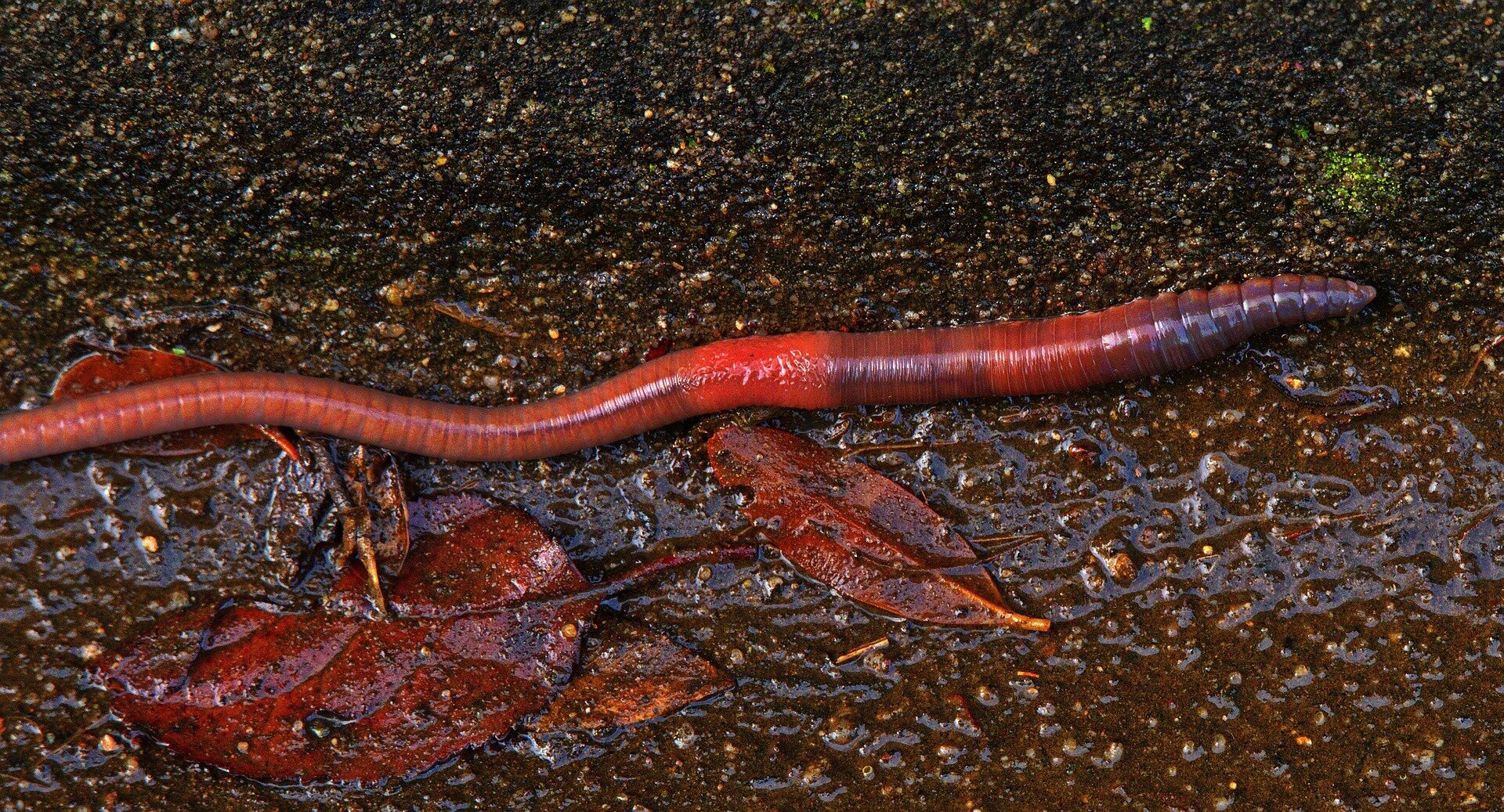
Research Led by the University of Strathclyde, in Partnership with Specialized Companies, Demonstrates That Phytoremediation Plants and Earthworms Can Remove Contaminants Accumulated Over Time in SuDS, Reducing Maintenance Costs, Carbon Emissions and Strengthening the Resilience of Cities in the Face of More Intense Rain
A team led by the University of Strathclyde has demonstrated that biological systems can enhance sustainable urban drainage systems by removing contaminants from polluted soils and extending their lifespan, with potential to reduce costs, carbon emissions, and strengthen climate resilience in cities.
Sustainable Urban Drainage Systems and Contaminated Soil Management
The project was conducted by the University of Strathclyde in partnership with Phyona Ltd and Pictish Worms. The initiative uses plants and earthworms to regenerate contaminated soils integrated into sustainable urban drainage systems.
The research focuses on Sustainable Urban Drainage Systems, known as SuDS. These systems are designed to mimic natural water flows, reduce pressure on sewers during heavy rain, and remove contaminants such as metals and organic pollutants from stormwater.
-
Motorola launched the Signature with a gold seal from DxOMark, tying with the iPhone 17 Pro in camera performance, Snapdragon 8 Gen 5 that surpassed 3 million in benchmarks, and a zoom that impresses even at night.

-
Satellites reveal beneath the Sahara a giant river buried for thousands of kilometers: study shows that the largest hot desert on the planet was once traversed by a river system comparable to the largest on Earth.

-
Scientists have captured something never seen in space: newly born stars are creating gigantic rings of light a thousand times larger than the distance between the Earth and the Sun, and this changes everything we knew about stellar birth.

-
Geologists find traces of a continent that disappeared 155 million years ago after separating from Australia and reveal that it did not sink, but broke into fragments scattered across Southeast Asia.

Over time, pollutants can accumulate in the soils of SuDS. This accumulation makes cleaning or replacing the systems an expensive and highly carbon-intensive process.
Biological Approach Combined with Phytoremediation Plants and Earthworms
The team tested a strategy that combines phytoremediation plants, capable of extracting metals from contaminated soils, with earthworms that assist in decomposing organic pollutants and restoring soil structure.
This approach aims to support decontamination and enable the recovery of metals, while contributing to keeping sustainable urban drainage systems functional for longer periods.
The project’s objective emerged after a joint meeting on Circular Economy held in October 2024. The central proposal is to keep the soils of Sustainable Urban Drainage Systems healthy and operational over time.
Results Indicate Removal of Contaminants and Improvement of Soil Health
The researchers reported that contaminants were successfully removed and that soil health showed improvement. The results indicate potential to transform conventional drainage infrastructure into a self-regenerative system.
According to the team, the low-impact and low-cost biological approach could avoid the excavation and disposal of Sustainable Urban Drainage Systems at the end of their lifespan. This traditional process is described as costly and with high carbon emissions.
Professor Vernon Phoenix, lead researcher at the University of Strathclyde, stated that as more sustainable urban drainage systems are installed, it is necessary to ensure they remain healthy and functional for as long as possible.
He remarked that the work demonstrates the potential to reduce carbon emissions, cut costs, and create a natural infrastructure that remains strong and healthy over time.
Role of SuDS in Climate Resilience and Next Steps
The team also highlighted the role of Sustainable Urban Drainage Systems in climate resilience. With the increasing intensity of rainfall, these systems are expected to become increasingly important in protecting cities against flooding.
Infrastructure that can regenerate, rather than degrade, can provide a more robust response to the pressures associated with climate change. This potential was pointed out as relevant in the current urban context.
Dr. Liz Fletcher, Deputy Executive Director of IBioIC, stated that the next step is to work with industry and local authorities to conduct further testing. The goal is to deepen the research and expand the impact of the work being developed.








-

Uma pessoa reagiu a isso.