





 Portuguese
  English
  Spanish
  5 min of reading
  0 comments


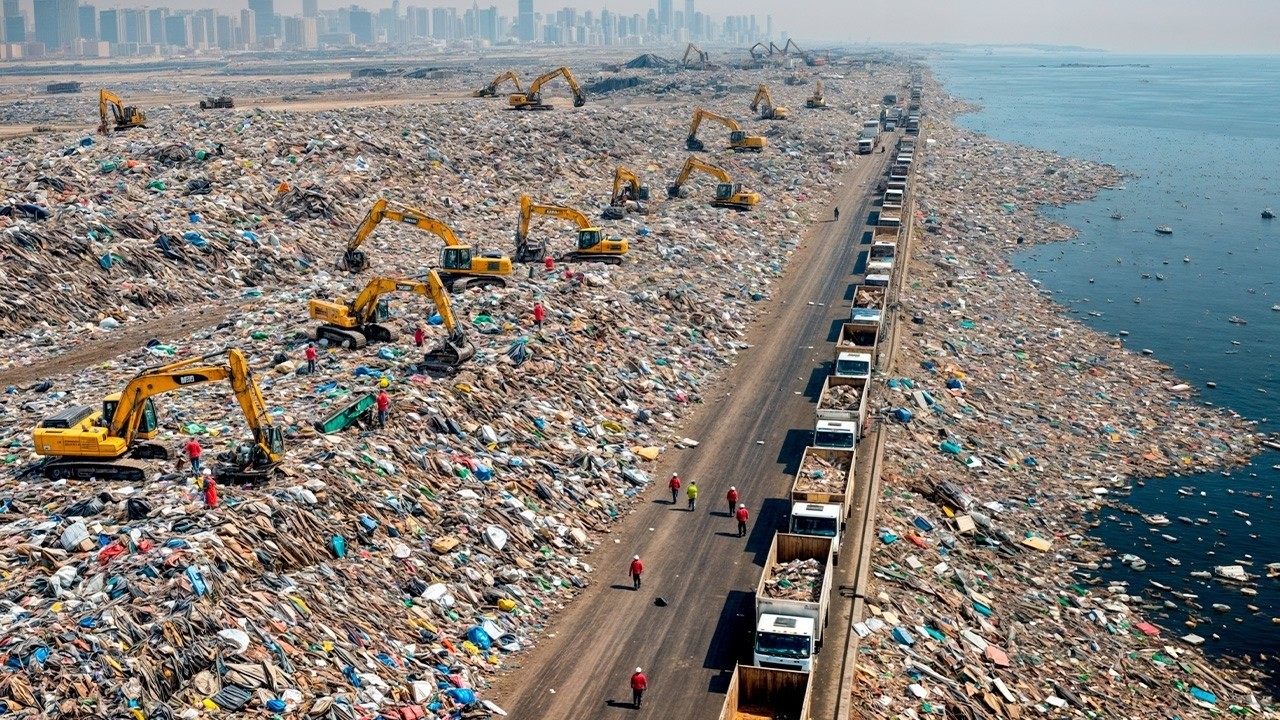
Discarded PET Bottles Went from Urban Waste to Textile Fibers Used Worldwide, Generating Jobs, Reducing Pollution, and Creating a Billion-Dollar Industrial Chain in Poor Countries.
In Dhaka, the capital of Bangladesh, in 2016, recycling cooperatives began receiving direct support from major brands in the textile sector to structure the collection and sorting of post-consumer PET bottles. The movement did not arise by chance. According to data from the United Nations Environment Programme (UNEP), over 400 million tons of plastic are produced annually worldwide, and less than 10% was effectively recycled until the middle of the last decade. Low- and middle-income countries, especially in Asia and Africa, were among the most affected by plastic pollution, but they also began to see waste as a concrete economic opportunity.
This process marks the beginning of a silent transformation: waste that previously accumulated water, spread diseases, and clogged urban systems began to feed a textile industrial chain based on recycled polyester fibers (rPET), now present in sportswear, school uniforms, backpacks, carpets, and even automotive fabrics.
What is Recycled PET Textile Fiber and How Is It Produced

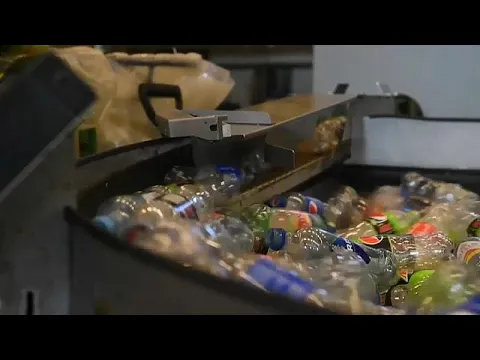
PET (polyethylene terephthalate) is a widely used thermoplastic polymer in beverage bottles. When properly separated and cleaned, it can be mechanically reprocessed and transformed into flakes, which undergo extrusion and spinning to become textile filaments.
-
Historic bankruptcy of Centauro shocks the market, and the century-old company puts more than 500,000 products, machines, and complete infrastructure up for online auction.

-
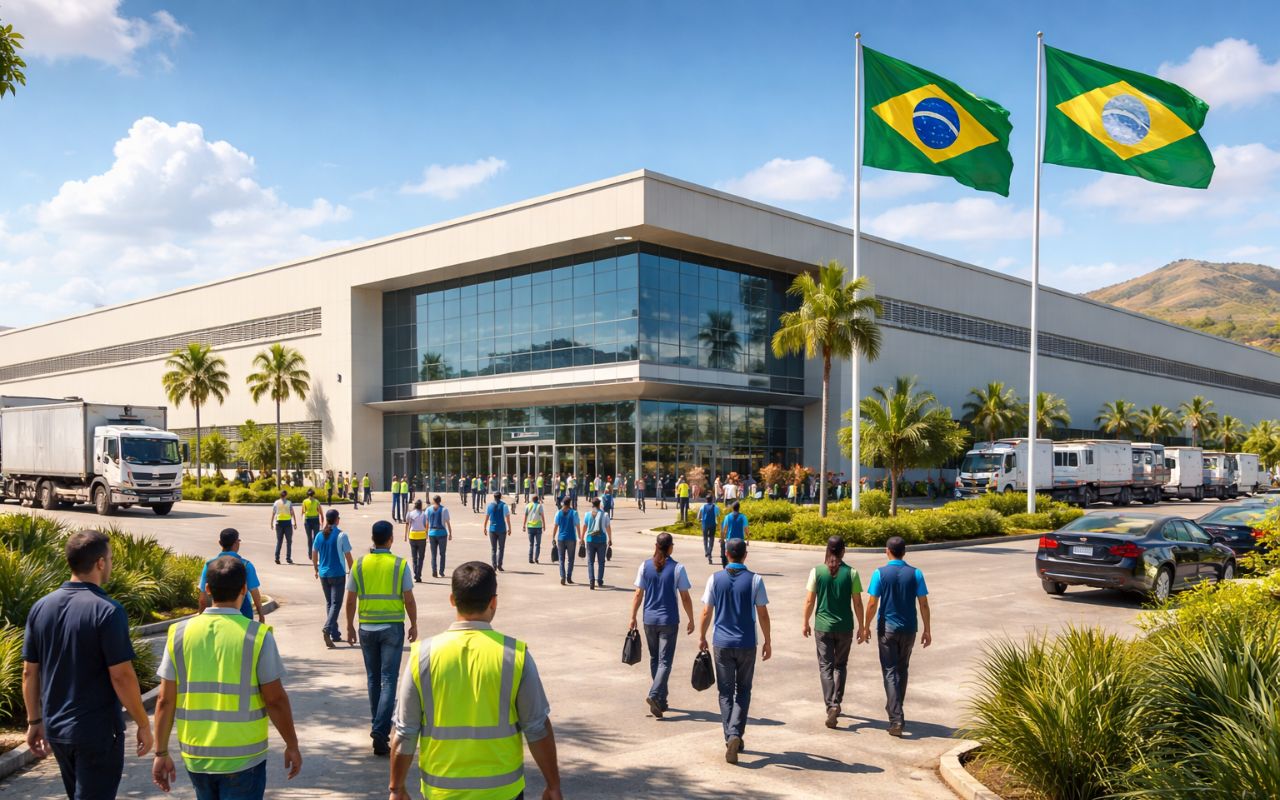
New shoe factory in Ceará is expected to create 400 jobs and strengthen the local economy.
-
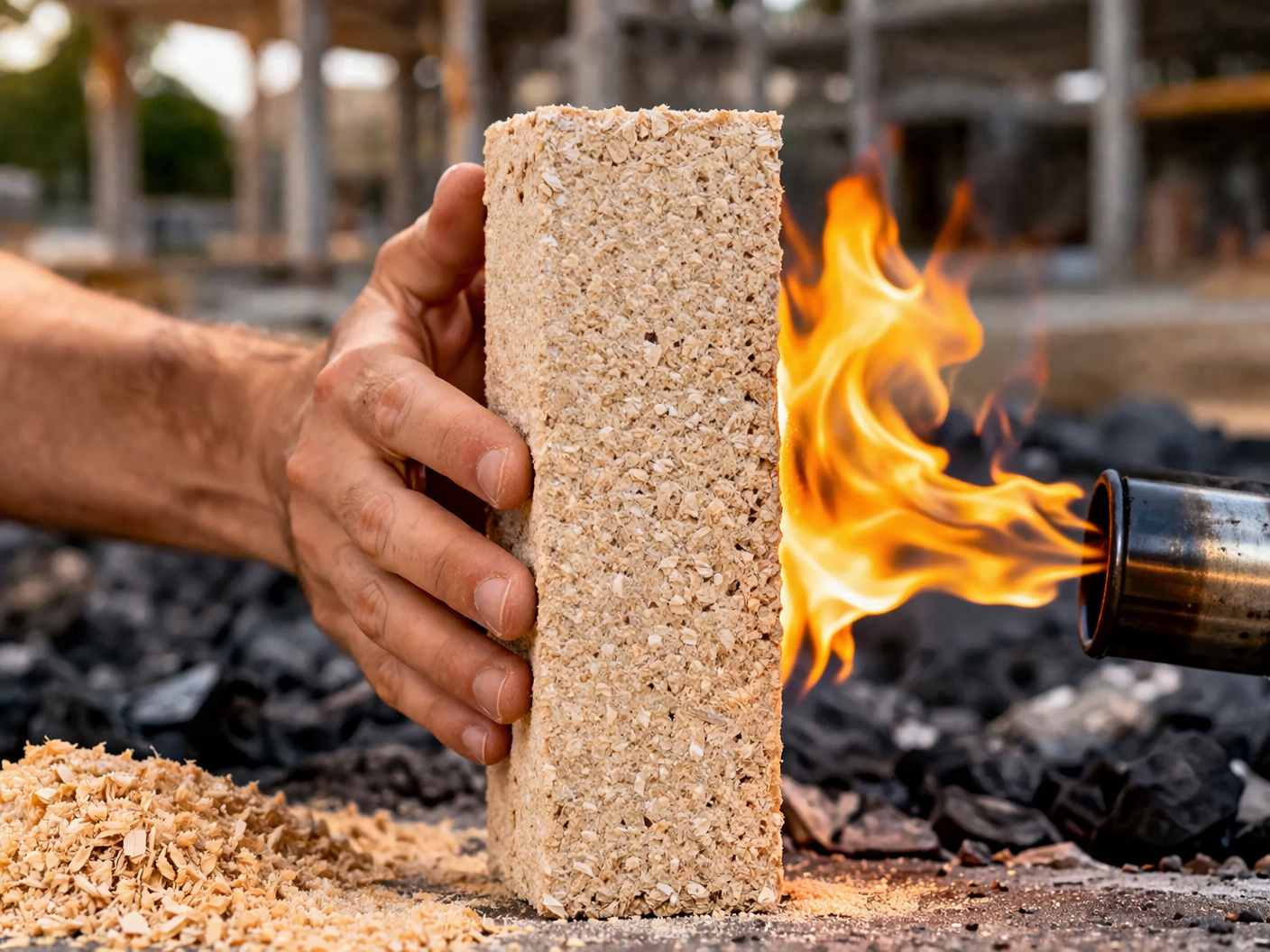
No one imagined it, but a mixture of sawdust with a mineral that fights fires surprises scientists with a result that changes the course of fire-resistant construction.
-
From empty land to a high-end house, wooden construction uses a lightweight system, metal structure for the foundation, ventilated ceramic cladding, and special windows to create an efficient and comfortable living space throughout the year.


The industrial process follows well-defined stages: collection → manual or automated sorting → washing → grinding → extrusion → spinning → weaving.
According to technical studies from the Massachusetts Institute of Technology (MIT) and PlasticsEurope, each ton of recycled PET prevents the emission of approximately 2.5 tons of CO₂ equivalent compared to the production of virgin petroleum-derived polyester.
Bangladesh, India, and Vietnam: The Heart of This Industrial Transformation
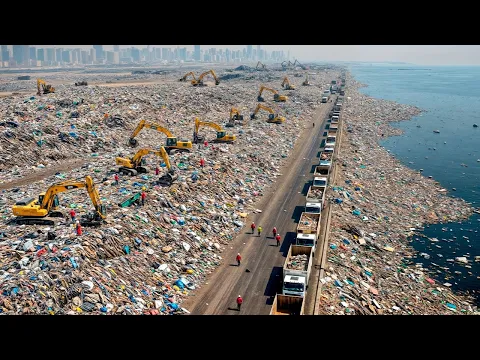
In Bangladesh, a country with more than 170 million inhabitants, the recycling of PET gained scale starting in 2015, when the government began to formally recognize informal cooperatives of collectors.
Data from the Bangladesh Garment Manufacturers and Exporters Association (BGMEA) indicates that the country now recycles more than 1.2 billion PET bottles annually, with a large portion converted into yarns used by the local garment industry, one of the largest in the world.
InIndia, the leap occurred between 2017 and 2020, when companies like Reliance Industries and Indorama Ventures invested billions of dollars in chemical and mechanical recycling plants. According to the Ministry of Environment, Forest and Climate Change, India already reuses about 60% of discarded PET bottles, a percentage higher than that of many developed countries.
TheVietnam, in turn, concentrated industrial hubs near Ho Chi Minh City starting in 2018, integrating recycling, spinning, and manufacturing within the same territory. Reports from the World Bank Group indicate that the Vietnamese textile sector based on rPET directly employs over 150,000 people.
From Informality to Stable Industrial Employment
One of the most relevant aspects of this chain is the social impact. Before formalization, collectors worked without fixed income, protection, or legal recognition.
In Nairobi, Kenya, programs supported by UN-Habitat since 2019 transformed informal associations into microenterprises capable of supplying raw materials to synthetic yarn factories.
The result was measurable: the average monthly income of cooperative members doubled in less than three years, according to data from the Kenya National Bureau of Statistics, and thousands of tons of plastic stopped flowing into rivers like the Nairobi River and subsequently into the Indian Ocean.
A Billion-Dollar Supply Chain Driven by Global Brands

The growth of recycled PET fiber does not rely solely on public policies. It has been accelerated by the demand from major global brands. Companies like Adidas, Nike, H&M, and Decathlon have made public commitments between 2018 and 2025 to replace a significant portion of virgin polyester with rPET.
Adidas, for example, stated in its official report from 2021 that it used more than 20 billion recycled PET bottles in its products since the start of the Parley for the Oceans program. Meanwhile, the H&M Group reported that 65% of the synthetic fibers used in its global collections in 2023 came from recycled sources.
According to consulting firm McKinsey & Company, the global market for recycled textile fibers surpassed US$ 15 billion in 2024, with annual growth projected to be over 8% through the end of the decade.
Measurable Environmental Benefits
Besides the direct reduction of waste, the use of rPET drastically decreases dependence on oil. Studies from the Lawrence Berkeley National Laboratory show that the production of recycled polyester consumes up to 45% less energy than conventional polyester.
Another relevant effect occurs in public health. In regions where tires and bottles accumulated stagnant water, the reduction of these waste materials contributed to the decline of mosquito-borne diseases, such as dengue and malaria.
Data from the World Health Organization (WHO) indicate a direct correlation between selective collection programs and the reduction of urban hotspots for these diseases in East African cities between 2019 and 2022.
Limits, Criticisms, and Technical Challenges
Despite the advances, the model is not free of criticism. The mechanical recycling of PET has a limit on cycles, as the polymer loses properties over reprocessing. Therefore, countries like Germany and Japan invest in chemical recycling, capable of breaking plastic down to its original monomers.
Another challenge is the risk of “greenwashing.” Organizations like Greenpeace warn that the use of rPET does not eliminate the problem of excessive plastic consumption, it merely reduces its impacts.
Still, in poor countries, the transformation of waste into industrial products represents areal structural change, not just symbolic.
When Waste Becomes Economic Infrastructure
The case of PET bottles shows how urban waste can transform into astrategic asset. Instead of relying solely on the export of agricultural raw materials or cheap labor, countries in the Global South have begun to integrate a sophisticated industrial chain, with technology, certification, and access to international markets.
What once clogged drains, spread diseases, and degraded rivers nowclothes millions of people, generates formal jobs, and moves billions of dollars annually.
This is not just about recycling, but about areal economic reconfiguration based on materials engineering, logistics, and industrial policy.









Seja o primeiro a reagir!