





 Portuguese
  English
  Spanish
 3 min of reading
  0 comments



Investigation Conducted by IFCE Analyzes Liquid Found in Well in the Interior of Ceará and Clarifies Legal Rules on Oil Exploration in Brazil
Initially, a possible occurrence of oil in Tabuleiro do Norte, in the interior of Ceará, began to be investigated by researchers from the Federal Institute of Ceará (IFCE) in February 2026, mobilizing academic and regional attention. The material was found by Sidrônio Moreira, a resident of Sítio Santo Estevão, while he was drilling a well in search of water for family consumption, altering the original objective of the excavation.
However, instead of water, a viscous, dark liquid with a smell resembling automotive oil emerged, a fact that immediately drew interest from the local community. Due to the unexpected discovery, since there was no success in extracting water, the drilled wells were preventively isolated until technical analyses could be carried out.
Laboratory Analyses Identify Hydrocarbons
Subsequently, months after the initial drilling, the resident’s son decided to send a sample to the IFCE campus in Tabuleiro do Norte, seeking technical clarification about the substance found. As soon as the material arrived at the laboratory, the researchers began preliminary chemical tests, applying procedures compatible with the identification of petroleum-derived compounds.
-
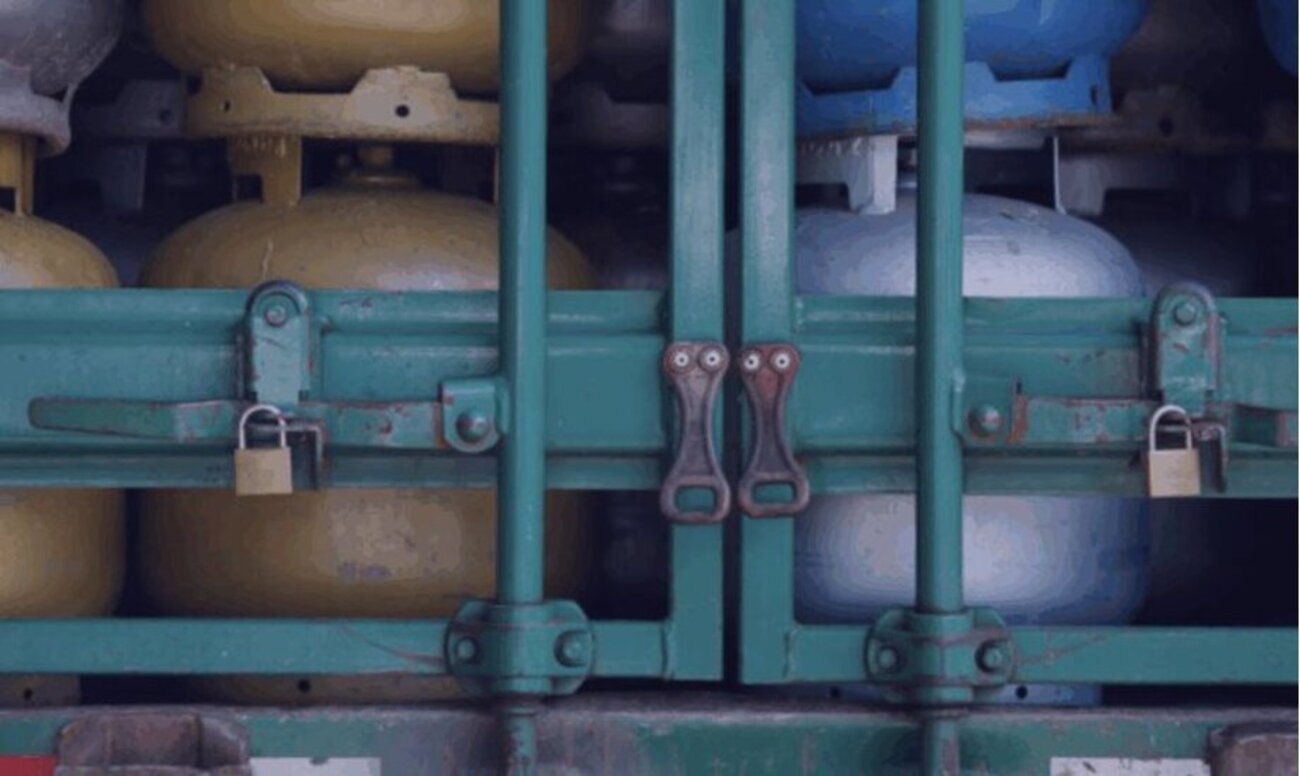
Petrobras evaluates suspension of sales to distributors and considers canceling the cooking gas auction following guidelines from the Federal Government.
-
Lula reveals a masterstroke by Petrobras to undo a deal made by Bolsonaro, which involves the return of an important refinery that currently produces less than half of what was expected and makes Brazil dependent on international diesel.

-
A study confirms that the natural gas sector will reduce greenhouse gas emissions in Brazil by 0.5% and accelerate the energy transition by 2026.

-
Petrobras implements a severe adjustment and confirms a 55% increase in the price of aviation kerosene with a proposal for installment payments for the companies.


According to chemical engineer Adriano Lima, the evaluations indicated a mixture of hydrocarbons with characteristics similar to onshore oil from the Potiguar Basin, although the depth of the well was considered shallow, about 30 meters. According to the researcher, the results showed properties very similar to those observed in producing land areas.
Preliminary Results and Next Steps
Although the studies are in the initial stage and depend on further validations, the laboratory data indicate technical compatibility with typical hydrocarbons from onshore areas. Based on these preliminary findings, the responsible authorities will need to be contacted to define the next procedures.
Thus, any eventual confirmation will require additional investigation steps, carried out within the scientific and regulatory parameters in force in Brazil. Therefore, the case now depends on official evaluations to advance.
What the Constitution Says About Oil
Alongside the technical investigation, experts clarify the legal rules applicable to the case, considering that oil belongs to the Union, as determined by Article 20, Section IX, of the Federal Constitution. According to lawyer Julia Mota, a specialist in Oil and Gas at the firm Murayama Affonso Ferreira e Mota Advogados, even if the resource is found on private land, it does not become the property of the landowner.
Moreover, exploration can only occur by a company that has a contract with the Union, obtained through a bidding process conducted by the National Agency of Petroleum, Natural Gas and Biofuels (ANP), under a concession or sharing regime. Therefore, the activity depends on formal authorization and a specific regulatory process.
Rights of the Landowner
Consequently, the property owner cannot directly explore the oil potentially identified on their land, although they have rights provided for in Brazilian legislation. If the area needs to be used for drilling and production activities, the landowner is entitled to compensation, typically negotiated with the company contracted by the ANP.
If there is no agreement between the parties, the company may resort to the judiciary to obtain authorization for land use. Finally, the only way for the owner to participate directly in the exploration would be by opening a company in the sector and regularly participating in bidding conducted by the ANP.










-

-

2 pessoas reagiram a isso.