





 Portuguese
  English
  Spanish
 3 min of reading
  4 comments


Producers of Jacinto Machado Discard About 5,5 Thousand Kilos After Record Harvest of 9 Thousand Kilos of Pitaya and Low Demand Impedes Distribution by the Cooperative
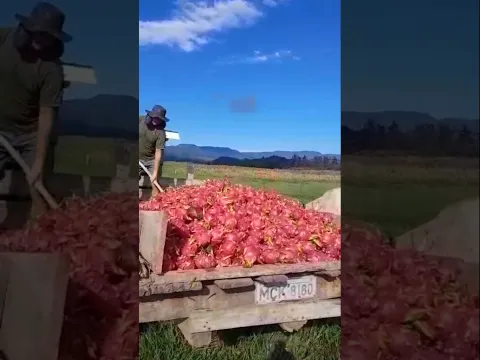
Rural producers in Jacinto Machado, in the Extreme South of Santa Catarina, are facing losses after a record harvest of pitaya reached around 9 thousand kilos, but only ⅓ was sold. The low demand for pitaya led to disposal, donation, and use as animal feed.
Record Harvest of Pitaya Exceeds Demand and Generates Disposal
Anoir Tomazi, who has been investing in pitaya cultivation for over 10 years, reported that production was boosted by the third flowering, considered abnormal. He estimated a harvest of approximately 9 thousand kilos.
Of the total produced, he managed to sell about 3.5 thousand kilos. The rest was donated, discarded, or destined for cattle feed. According to the producer, this year’s pitaya production was a record.
-
The sugar-energy sector advances with agricultural technology, but agricultural productivity still raises concerns.

-
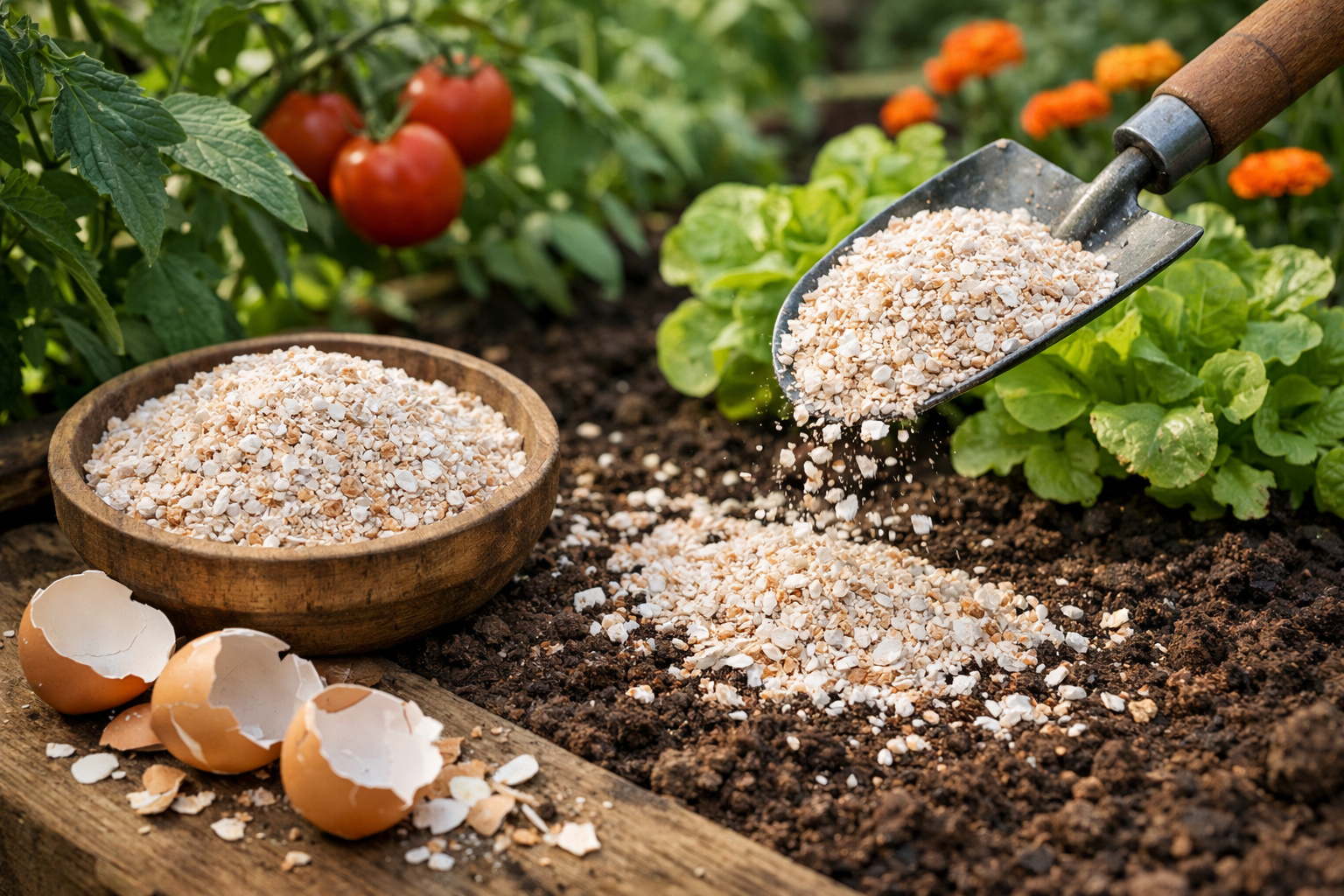
The eggshell that almost everyone throws away is made up of about 95% calcium carbonate and can help enrich the soil when crushed, slowly releasing nutrients and being reused in home gardens and vegetable patches.
-
This farm in the United States does not use sunlight, does not use soil, and produces 500 times more food per square meter than traditional agriculture: the secret lies in 42,000 LEDs, hydroponics, and a system that recycles even the heat from the lamps.

-
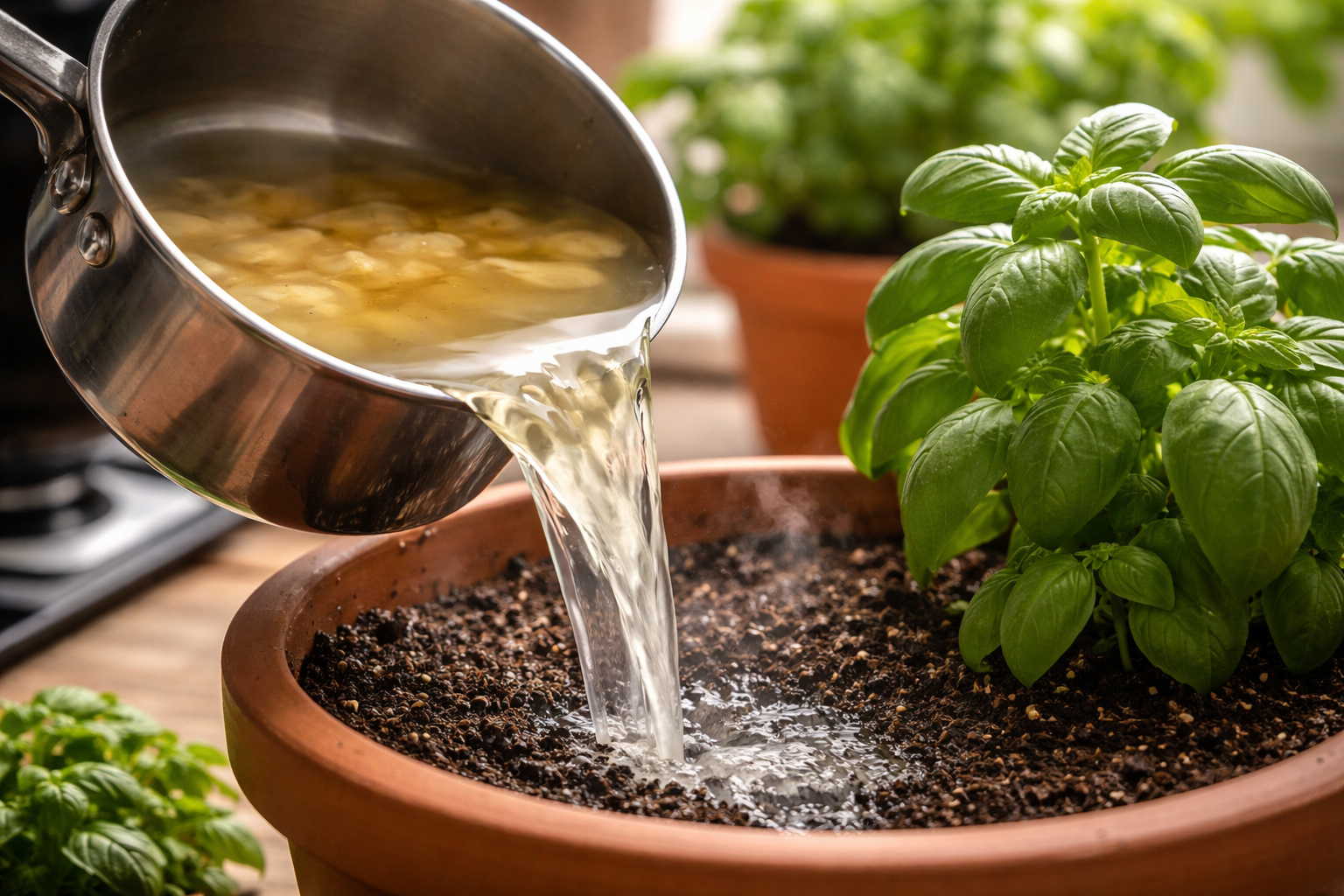
The water that almost everyone throws away after cooking potatoes carries nutrients released during the preparation and can be reused to help in the development of plants when used correctly at the base of gardens and pots, at no additional cost and without changing the routine.

“Our pitaya production was a record this time. It’s unfortunate what happened, but this third flowering yielded an abnormal amount of fruit. I was going to harvest about 9 thousand kilos, managed to sell around 3.5 thousand and the rest was lost,” he stated.

Pitaya Lost Still on the Plant and Limits of the Cold Storage
With the plants loaded with pitaya, some of the fruit was never harvested. The lack of immediate buyers prevented distribution, leading to loss still in the field.
Anoir reported that he stored what he could in a cold storage, which remained on. However, the fruit began to spoil after a certain period.
“The most I could leave in the cold storage was two weeks,” he said. After that period, disposal or feeding to cattle became unavoidable.
He stated that he tried to avoid throwing away the pitaya in every way possible, personally delivering to those who requested, in addition to donating to institutions, daycares, and nearby people. Still, it was not enough to absorb the volume.
Cooperative Did Not Manage to Distribute
According to Anoir, all pitaya production is sold to the local cooperative, responsible for distribution to large centers. This time, demand was considered low.
“The demand was low,” he declared. He informed that the cooperative had no way to place the product on the market.
The producer reported receiving a call informing that there is still a lot of fruit stored in the cooperative, even two weeks after the last flowering. Some of the pitaya ended up being lost on the plant, never even being harvested.
Producer Defends Himself Against Criticism About Price
Anoir stated that he has received criticism for the disposal of pitaya and for the perception that the product is sold at high prices. He said there is a misconception about the value received by the farmer.
According to him, in the last harvest, first-grade pitaya was sold for R$ 3 per kilo and second-grade for R$ 2. In the market, the price reaches almost R$ 20.
The producer emphasized that farmers make investments in machinery through the bank to maintain production and support their families.
According to him, those who face sun and rain daily are not the ones who determine the final price on the shelf.
Despite the record harvest of pitaya, the lack of demand resulted in significant losses. The farmer reported that the situation “breaks the heart,” after daily dedication alongside his wife and son to ensure the harvest.
With information from ND Mais.








Que triste ver isso. Adoro pitaya e não encontro nos supermercados e quando encontro os preços são abusivos.
Sempre que vejo matérias sobre nossos produtores agrícolas fico com pena porque sei o quanto é difícil produzir, contar com a sorte do clima, transporte e mão de obra difícil. Justo nesta semana vi o caso da cebola em Ituporanga.
Nesse tipo de negócio, sempre quem ganha é o atravessador. Ao produtor, ficam o trabalho e o prejuízo
É bem feito, essa pitaia uma fruta insonsa, que perde para a maioria das frutas brasileiras, no começo custava mais de 30,00 o Kg, um absurdo, a 10,00 o Kg já é cara, tanto pelo sabor como pelos nutrientes… Sei que é trabalhosa para produzir mas…
Um belo comentário para uma pessoa sem total noção e empatia. Pra vc falar isso deve ser um baita produtor de sucesso né? Ou apenas um **** que só fala **** mesmo. Talvez vc nunca tenha provado uma pitaya de verdade pra falar que é uma fruta insonsa. Tenho 10 pés na minha casa para consumo da família e se consumida madura é deliciosa. Vc provavelmente comprou no mercado e comeu antes de estar completamente madura. Mas se nao gosta, não compre! Agora vir aqui e comemorar a **** de um trabalhador??? Ondecesta sua empatia? Vc vai na igreja aos finais de semana? Tá precisando de mais amor e humildade no coração.
Faça um favor pra vc mesmo, pare de falar ****!