





 Portuguese
  English
  Spanish
  4 min of reading
  1 comment


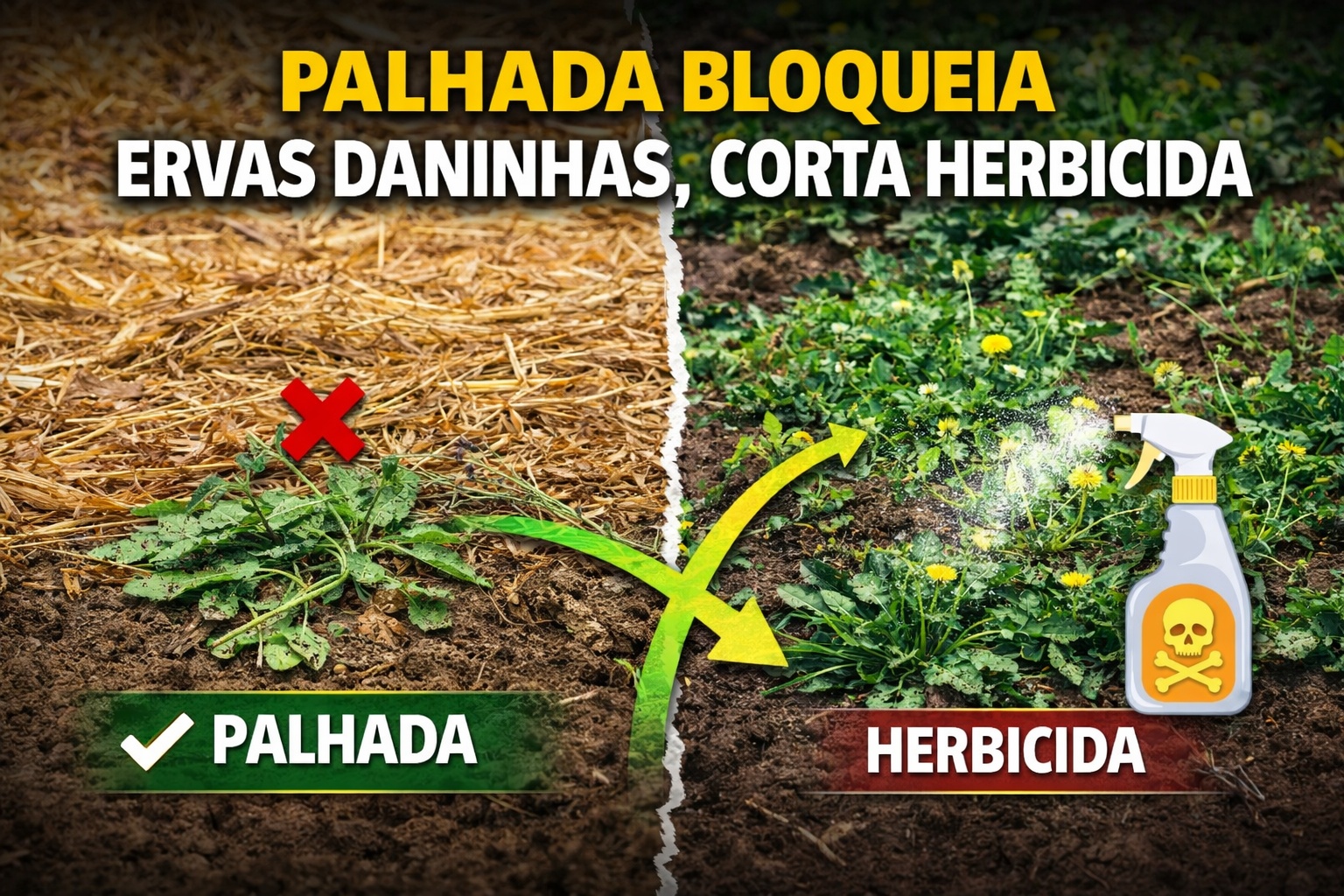


Use of Mulch and Harvest Residues Blocks Light, Reduces Weeds, Conserves Moisture, and Decreases Dependence on Herbicides in the Field.
Amid the constant rise in agricultural input costs and the pressure for more sustainable systems, an old practice has returned to the center of the debate in Brazilian agriculture: keeping the soil covered with mulch and harvest residues. What was seen for decades merely as “waste” is now viewed as a strategic agronomic tool capable of reducing the emergence of weeds, conserving water in the soil, and decreasing dependence on chemical herbicides.
This approach did not emerge now nor is it experimental. It is directly linked to established systems such as no-till farming, widely studied in Brazil and other agricultural countries. The difference now is that, in light of rising defensive costs and the spread of resistant weeds, mulch has transitioned from a supporting role to a central one in management.
How Mulch Works in Weed Control
The most direct effect of soil cover occurs in intercepting sunlight. Most weed seeds depend on light to germinate. When the soil remains covered by a dense layer of mulch, that light simply does not reach the surface, drastically reducing the emergence of new invaders.
-
The sugar-energy sector advances with agricultural technology, but agricultural productivity still raises concerns.

-
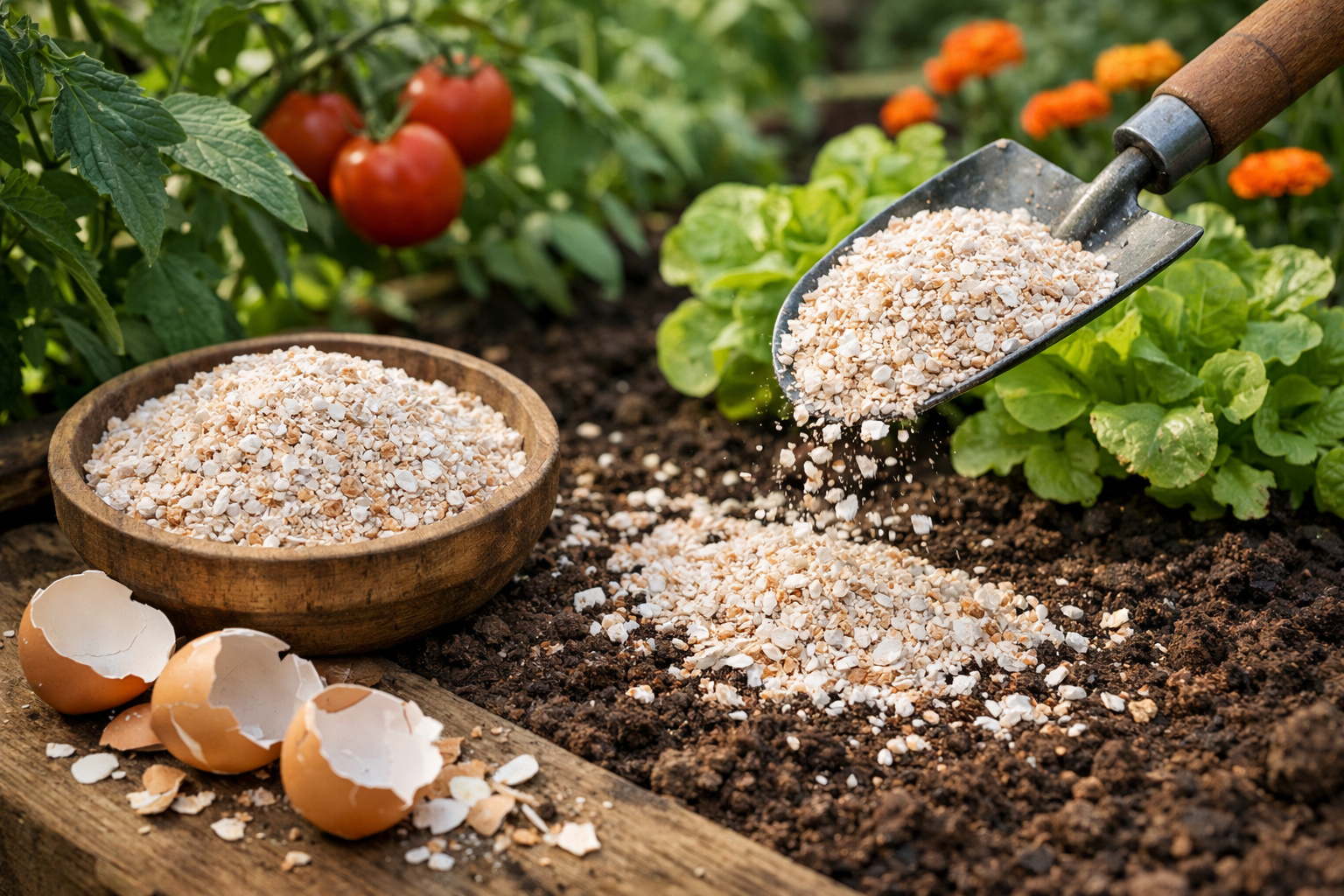
The eggshell that almost everyone throws away is made up of about 95% calcium carbonate and can help enrich the soil when crushed, slowly releasing nutrients and being reused in home gardens and vegetable patches.
-
This farm in the United States does not use sunlight, does not use soil, and produces 500 times more food per square meter than traditional agriculture: the secret lies in 42,000 LEDs, hydroponics, and a system that recycles even the heat from the lamps.

-
The water that almost everyone throws away after cooking potatoes carries nutrients released during the preparation and can be reused to help in the development of plants when used correctly at the base of gardens and pots, at no additional cost and without changing the routine.



Furthermore, mulch acts as a physical barrier, making it difficult for seedlings to cross the layer of residues to reach the open air. In fields with good biomass production, many seeds do germinate, but they cannot develop enough to compete with the main crop.
This mechanism is especially effective against small-seeded weeds, commonly found in soybean, corn, bean, and cotton areas.
Real Reduction in Herbicide Use
Technical studies and field experiences show that well-covered areas can exhibit a significant reduction in weed pressure, allowing for fewer herbicide applications or, in some cases, lower doses.
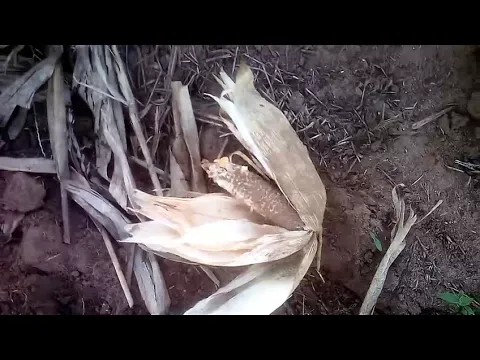
This does not mean the complete elimination of the use of crop protection products, but rather changing the logic of management. Instead of relying solely on chemical products, the producer starts to integrate mulch as part of the control system, using herbicides in a more targeted and strategic manner.
This effect is particularly important in regions where weed resistance to widely used active ingredients is already observed. Mulch does not create resistance, does not lose efficacy over time, and acts continuously while it is present on the soil.
Moisture Conservation and Direct Impact on Productivity
Another relevant technical benefit of mulch is the reduction of water evaporation. Soil cover decreases direct sunlight and wind exposure, keeping moisture for a longer time, especially during dry periods or droughts.
This water conservation not only helps in weed control but also promotes the development of the main crop, ensuring better germination, root growth, and nutrient absorption.
In production systems where every millimeter of rain counts, mulch acts as a natural insurance, reducing losses and increasing productive stability throughout the harvests.
Mulch as an Ally of Soil Health
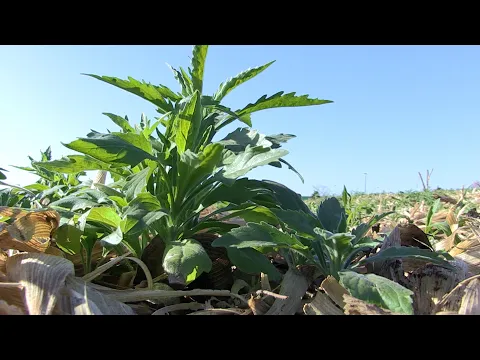
Besides controlling weeds, mulching provides structural gains to the soil. As mulch decomposes, it contributes to the increase of organic matter, improves soil particle aggregation, and enhances biological activity.
Covered soils tend to present:
- less surface compaction
- better water infiltration
- greater activity of beneficial microorganisms
These factors create an environment that is less favorable for the establishment of invasive plants and more conducive to the growth of agricultural crops.
Which Residues Work Best in the Field
Not all mulch has the same effect. Residues with greater volume and slower decomposition tend to be more effective in weed control. Among the most commonly used are:
- corn mulch
- sorghum residues
- brachiaria in integration systems
- cover crops such as millet, oats, and rye
These species produce a large quantity of biomass and remain longer protecting the soil. In well-managed systems, mulch can remain active for a considerable part of the next crop cycle.
Limits of the Technique and Necessary Care
Despite the benefits, mulch is not a magic solution. In areas with very high infestations or aggressive perennial species, chemical control may still be necessary as a complement.
Another point of attention is seeding management. Poorly calibrated machines may struggle to operate over thick layers of residues, compromising the crop stand. Therefore, adopting mulch requires adjustments to equipment and technical planning.
It is also essential to ensure crop rotation, avoiding that mulch favors specific pests or diseases associated with certain residues.
Why Has This Practice Come Back into Strength
The return of mulch as a protagonist in agricultural management is directly linked to three factors:
- Rising herbicide costs, which pressures the producer’s margin
- Weed resistance, which reduces the effectiveness of traditional products
- Search for more sustainable systems, demanded by the market, legislation, and consumers
In this context, agronomic practices based on natural processes are being valued not for ideology, but for economic and technical efficiency.
A Simple Yet Strategic Management
Spreading harvest residues on the soil may seem basic, almost obvious. However, when done in a planned manner, with appropriate choices of crops, biomass volume, and integration into the production system, this practice transforms into one of the most powerful tools in modern agricultural management.
Instead of constantly fighting against weeds, producers who master the use of mulch start to anticipate the problem, creating an environment where weeds simply have a harder time emerging.
In a scenario of high costs, unpredictable weather, and pressure for productivity, simple solutions based on solid agronomic knowledge show that the answer is not always in more products, but in better management of what already exists in the field.










Acho bastante interessante, até pelo cuidado com o solo, sua proteção, porém, me pergunto sobre as cobras, acho que será um ambiente perfeito para elas. Em pequenas propriedades pode ser um grande problema.